

New York City is a hidden mecca for cars
To most outsiders, New York City is a straphanger’s city, as public transportation services such as the Metropolitan Transportation Authority’s (MTA) fleet of buses, commuter lines, and the Subway mobilize millions of commuters daily. However, when you get to know the city and its people very well, you may be surprised to learn that it has a distinct car culture.
Recent data from the US Census Bureau’s American Community Survey indicate that 56.7% of households in New York City reported not having a car, van, or truck in 2024. However, when examined further, the data reveals a different story from borough to borough, as car ownership ranges from a low of 21.5% in Manhattan to 61.1% in Queens and 83.3% on Staten Island.
James Ochoa
View the 4 images of this gallery on the
original article
However, what the data doesn’t show is that despite conditions like strict alternate-side parking rules, speed cameras, congestion pricing, and tolls, New Yorkers take immense pride in car ownership. After all, the recorded spoken lyrics of the locally grown and internationally renowned artists behind the city’s most beloved musical export, hip hop, have consistently praised and solidified the image of car ownership as an aspirational goal for city dwellers.
On Saturday, September 27, the Agger Fish Warehouse at the Brooklyn Navy Yard played host to the fall edition of Wheels of NYC’s premier event, a celebration of New York City’s unique car culture and the people who make it. While this picturesque, yet gritty setting located in a former shipbuilding hub is a world’s away from the velvet ropes and manicured fairways of golf courses of a concours d’elegance, this event showcased a smattering of unique vehicles in a way that can only be described as quintessentially New York.
It was hard to choose favorites among an intensely diverse selection of cars that included unique vehicles, custom builds, and vintage models spanning multiple decades; however, these four drew me in like a moth to a flame on a beautiful September day.
1995 Ford Escort RS Cosworth
James Ochoa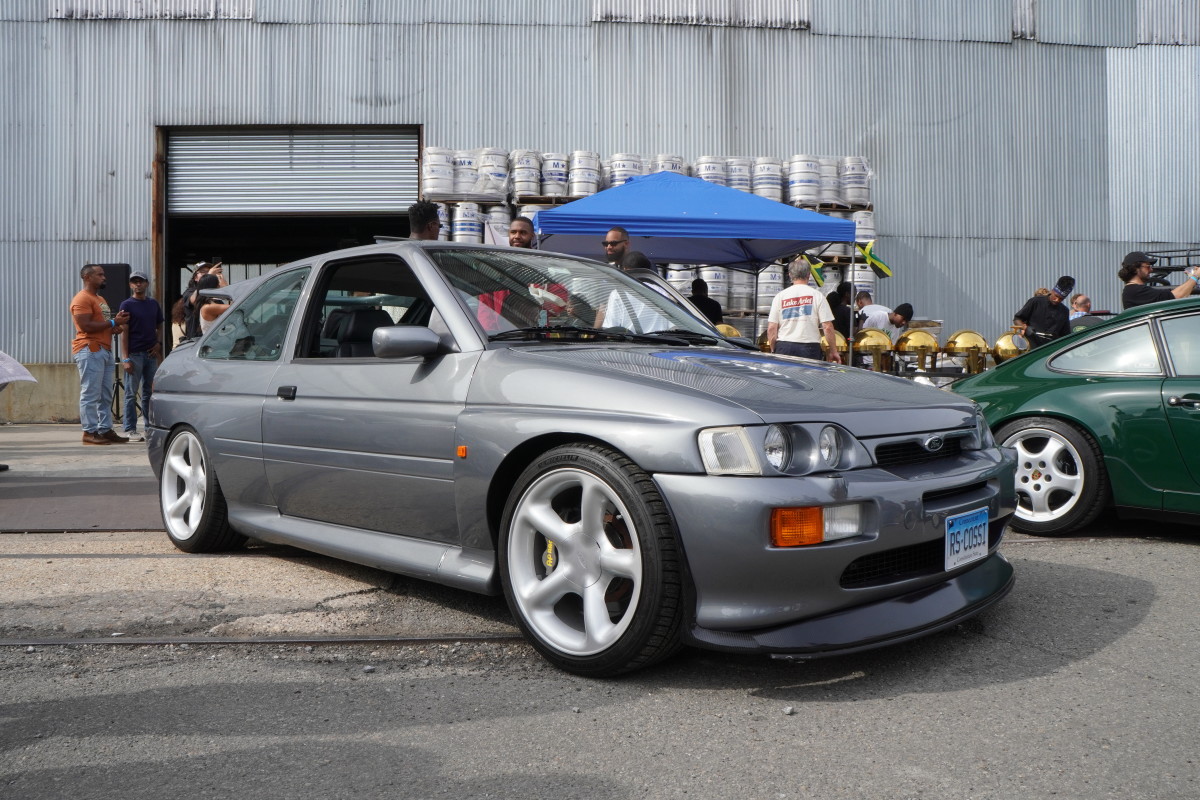
Some of the coolest, and sometimes the rarest, cars to ever hit the streets are special vehicles considered as homologation specials. In essence, these are street-legal cars built to meet the regulations of a specific racing series. By producing a certain number, a manufacturer can enter a race car based on a road-going model. For example, the limited numbered Straßenversions of the Mercedes CLK GTR and Porsche 911 GT1 were produced to compete in the GT1 class of sports car racing, which, according to FIA rules, required a minimum of 25 cars to be manufactured.
However, not all homologation specials are limited-edition supercars. In 1992, Ford of Europe introduced the Escort RS Cosworth, an evolution of the powerful Sierra RS Cosworth that preceded it, serving as a motorsport and cultural tour de force. Built in Germany by Karmann, this special Escort was Ford’s ticket to compete in the FIA World Rally Championship under Group A regulations.
James Ochoa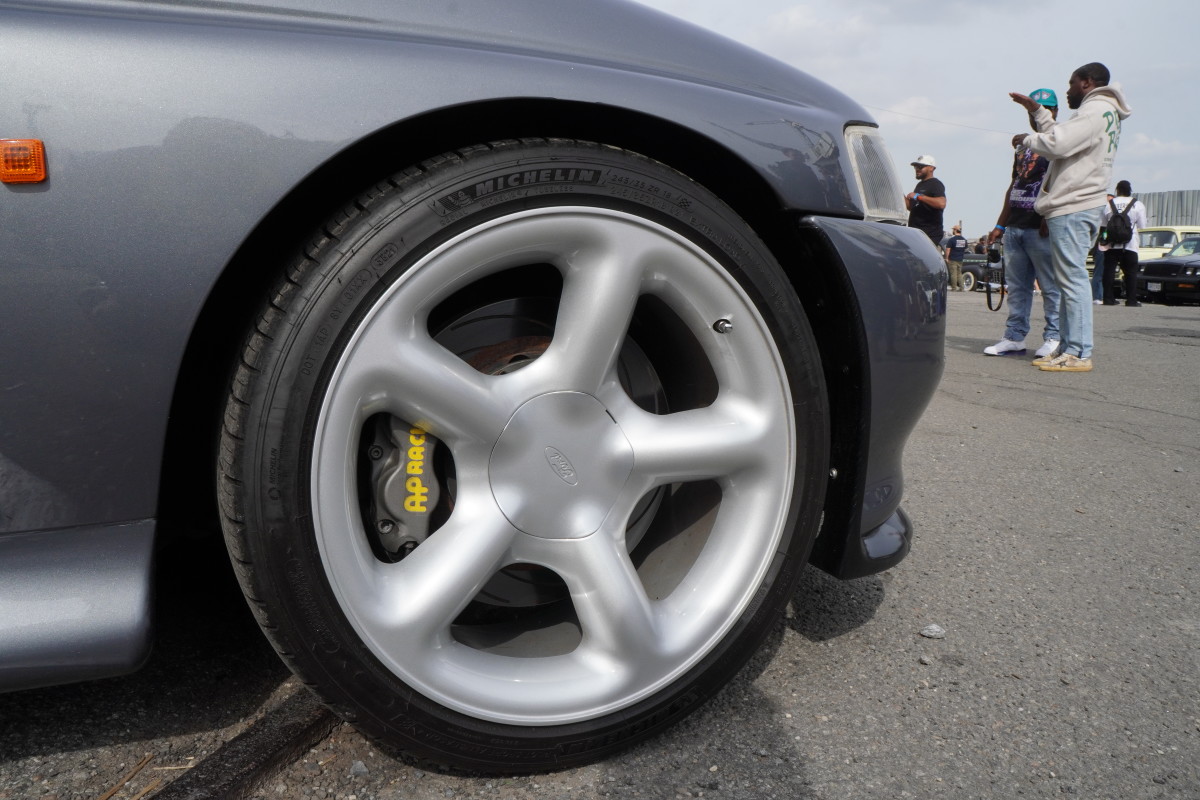
View the 4 images of this gallery on the
original article
The “Cossie” (pronounced Cos-EH), as it was colloquially known, featured a smattering of upgrades that made it very different from a normal Escort, including a purpose-built 224-horsepower turbocharged Cosworth YB inline-4 engine, as well as a special body kit highlighted by a “whale-tail” rear spoiler for maximum downforce.
This 1995 model is what is known as a “small-turbo,” a refreshed model from its latter years in production that swapped the previous iteration’s bigger Garrett turbocharger for a smaller Garrett T25 unit, as well as other engine refinements that took away about six horsepower, but enhanced the Cossie’s actual everyday drivability.
1953 Jaguar XK120
James Ochoa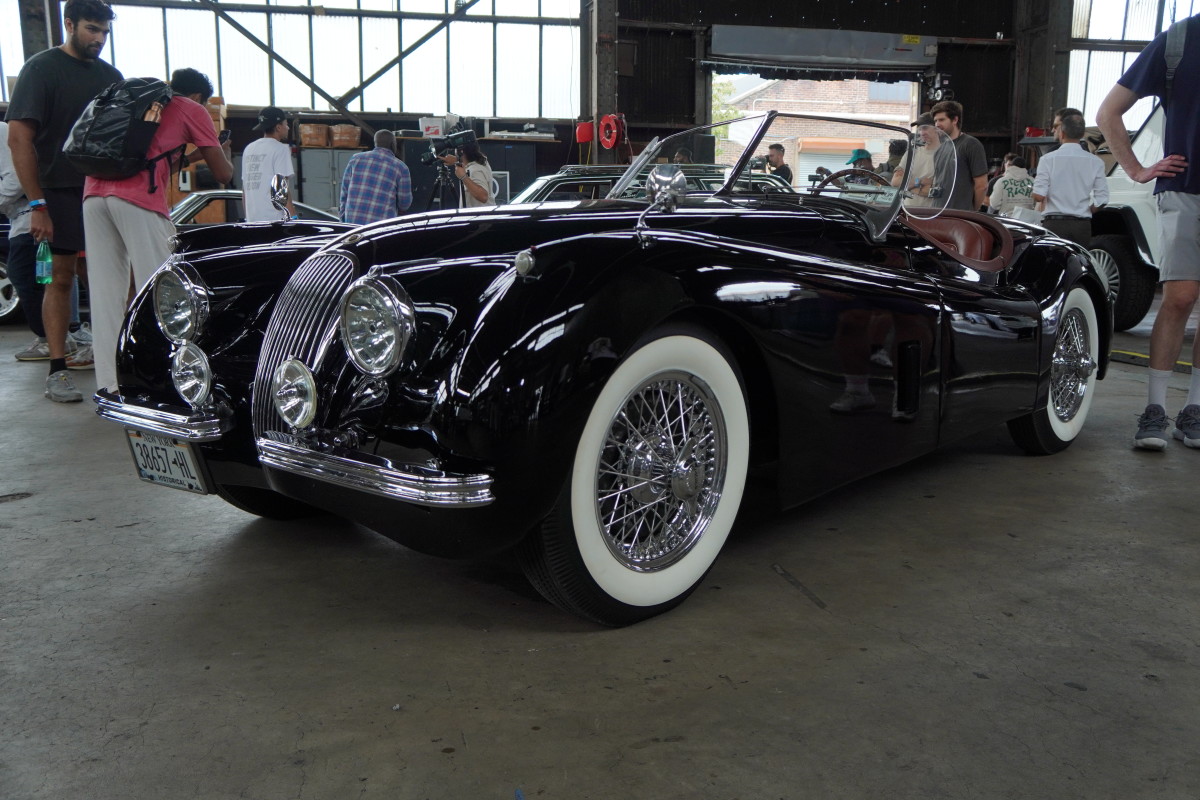
At first glance, as I walked up, the distinct curves of the vintage Jag instantly triggered a song in my head. Specifically, it was the song “Bitter Sweet Symphony” by The Verve, a track that became ubiquitous due to its use in the 1999 cult classic “Cruel Intentions.” Though eagle-eyed viewers and cinephiles may recall and be quick to point out that the Jaguar used in the movie was a 1956 XK140 (and was also a replica), this 1953 XK120 was a class-defining vehicle even without the family-tree-related cinema distinction.
Released between 1948 and 1954, the XK120 was the car from which the XK140 was developed, a car that broke records for the time. The ‘120’ in XK120 referred to its top speed of 120 miles per hour, which made it the fastest car in the world at the time.
James Ochoa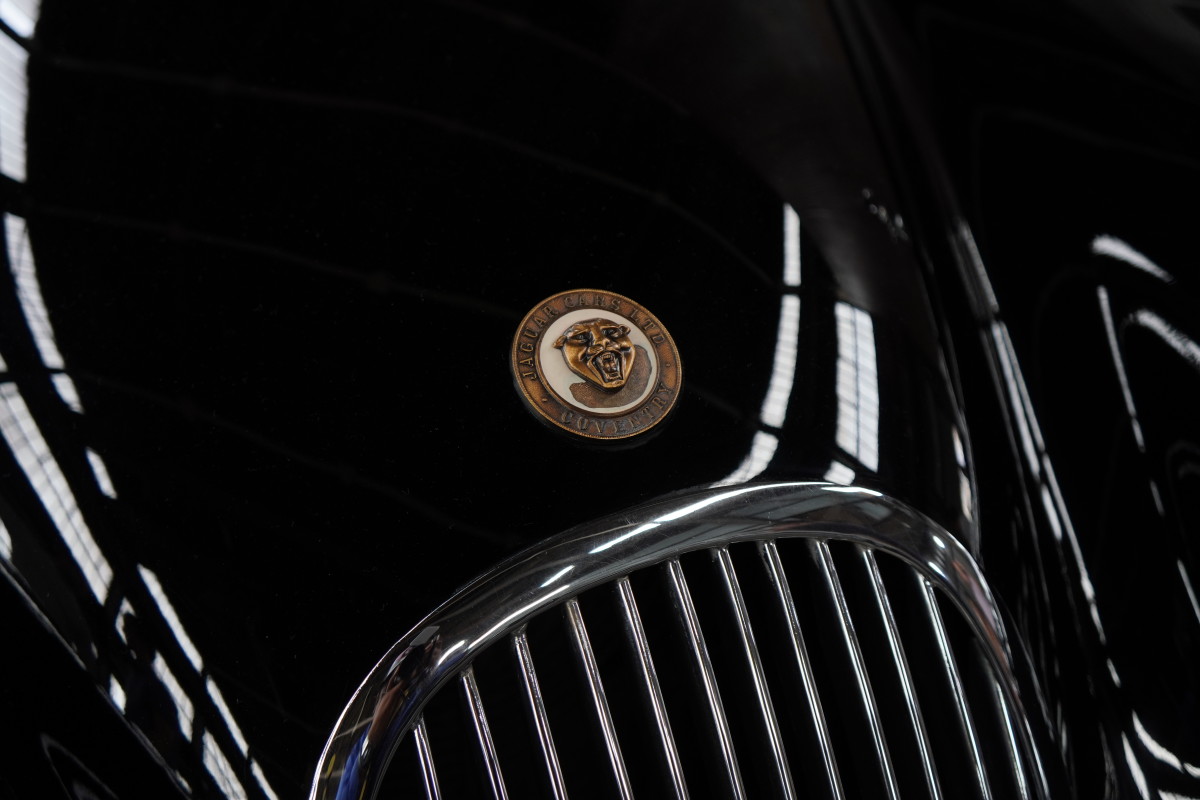
View the 5 images of this gallery on the
original article
This 1953 example utilizes the same 3.4-liter XK straight-six engine that was retained throughout its production cycle, producing 160 horsepower. Though it may not seem like much power, the XK120 was a formidable racing machine, as XKs saw action at prestigious events such as the Targa Florio, Mille Miglia, Le Mans, and even the first NASCAR Grand National road race.
In 1954, the XK120 gave way to the upgraded XK140, which introduced a range of enhancements, including new bumpers, a revised interior, and an improved engine, brakes, and suspension. In 1957, the XK140 was succeeded by the XK150, which would end production in 1961 to make way for the iconic E-Type.
2000 Honda S2000 (AP1)
James Ochoa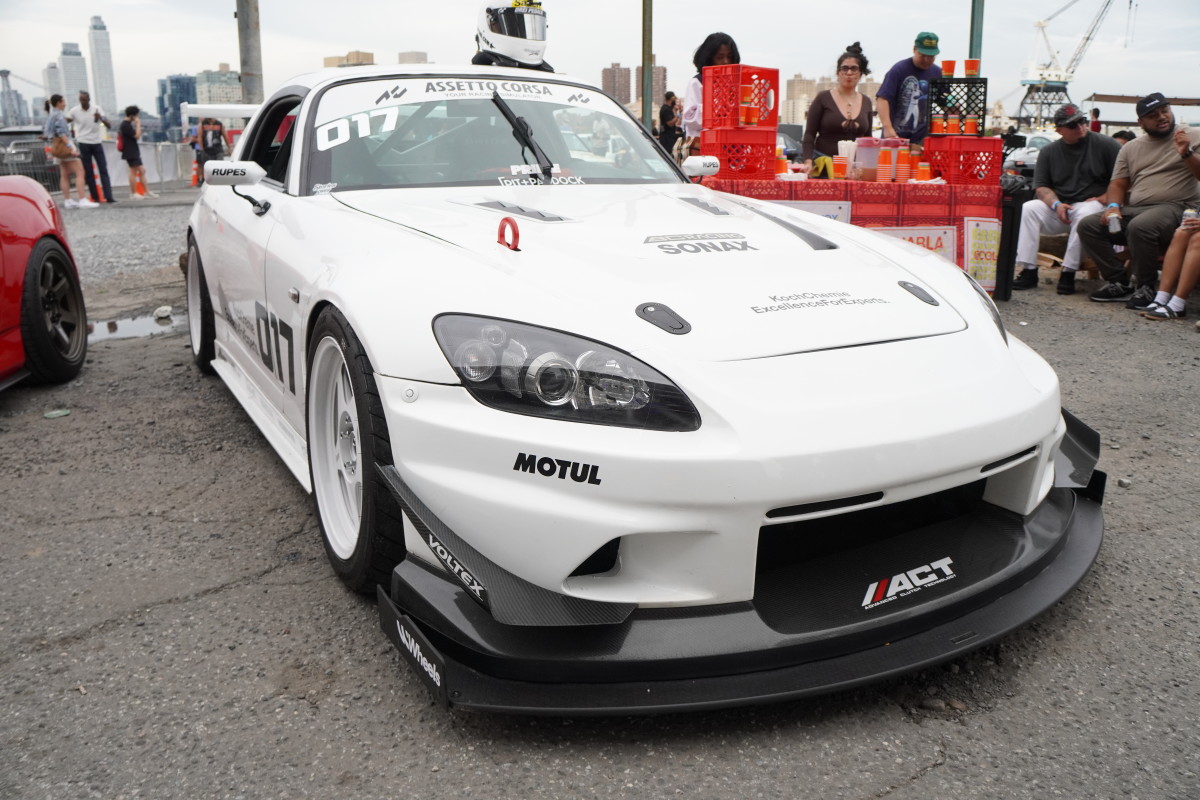
Released in 1999 as a 2000 model, the Honda S2000 roadster was the company’s 50th birthday gift to itself. However, over its decade-long tenure in production, the humble Honda drop-top slowly became a cult favorite among both the burgeoning sport compact tuning scene and a point of praise among respected automotive pundits, critics, and dedicated fans across the globe.
There is a lot to love about the S2000. The roadster itself was a Honda engineer’s idea of a baker’s special, as it had numerous characteristics that made it a very formidable sports car. Its front-mounted engine sits behind the front axle for a perfect 50:50 front/rear weight distribution, as well as a 4-wheel independent double wishbone suspension for maximum handling feel. Under the hood lies a VTEC inline-four-cylinder engine making 247 horsepower (237 for US and EU markets), with a screaming redline of 9,000 RPM (or 8,000 RPM on the revised AP2 model), which is connected to a six-speed manual transmission and a limited-slip differential.
James Ochoa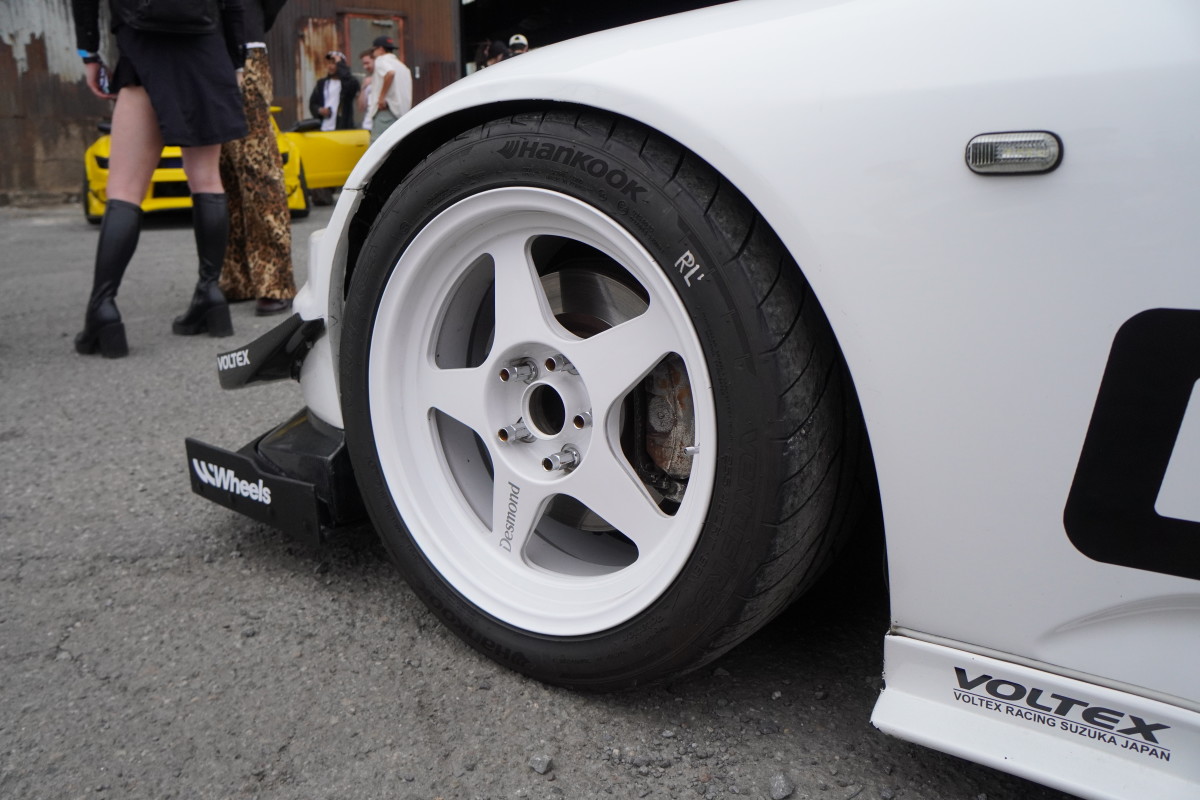
View the 4 images of this gallery on the
original article
This particular S2000 belongs to Giordan, a Staten Island-based auto detailer whose white AP1 stands out on the streets of the New York Metro Area and on the racetrack. To personalize his vehicle and enhance its performance on the track, the S2K features many modifications that complement the sound foundation of the S2000. These are not limited to a Voltex front bumper, rear wing and canards, a roll cage, Craft Square Competition Mirrors, and a set of Desmond Regamaster EVO wheels.
Although the kit suggests otherwise, the white VTEC roadster is frequently exhibited at community events and is also driven on track days at various racetracks, including Lime Rock Park, New Jersey Motorsports Park, and Watkins Glen. It’s also used for driving excursions on famous routes, like the Tail of the Dragon.
1986 Gemballa E30
James Ochoa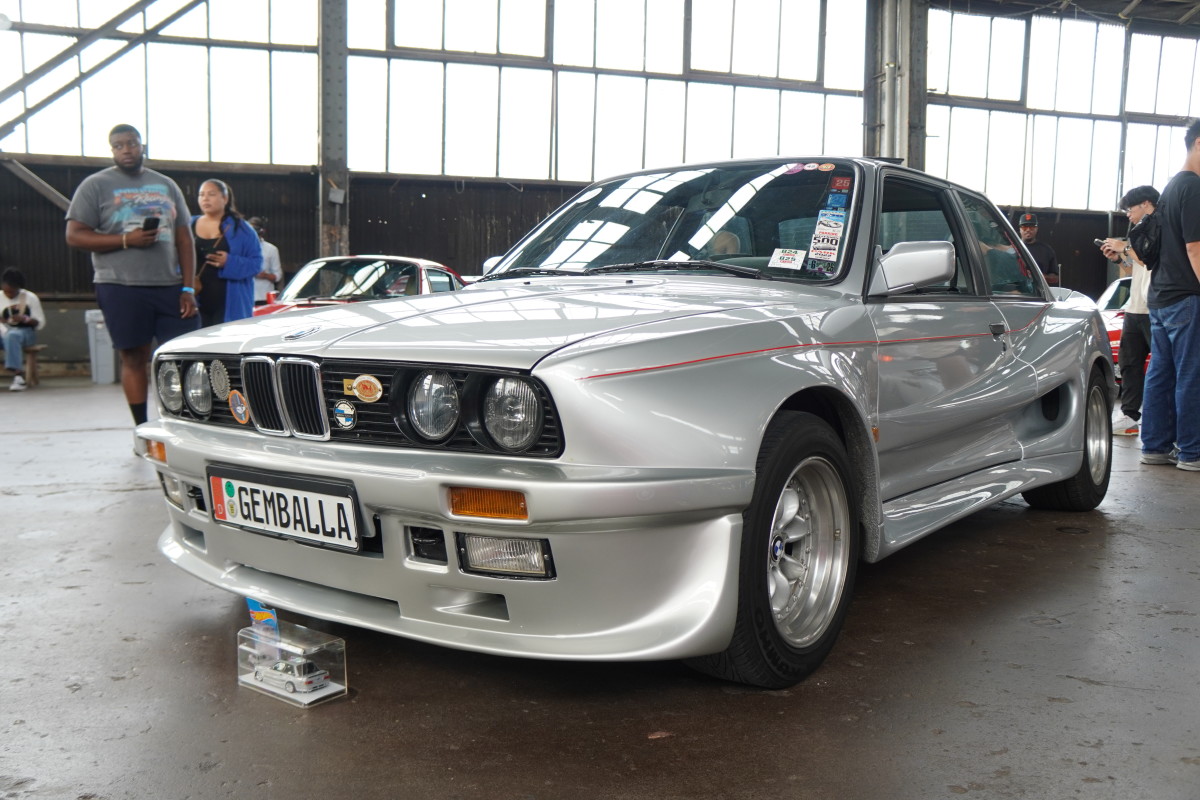
Like other cultural outputs, including radical fashion, the first set of popular video games, as well as new wave and punk music, the cars that became symbols of the 1980s are remembered for distinct styling that defied and challenged conventions.
However, away from many luxury and performance brands that gained a foothold in this decade, including Porsche, Mercedes-Benz, Jaguar, and BMW, were aftermarket tuning houses that made a name for themselves by helping their deep-pocketed customers stand out and push their cars to the absolute limit.
James Ochoa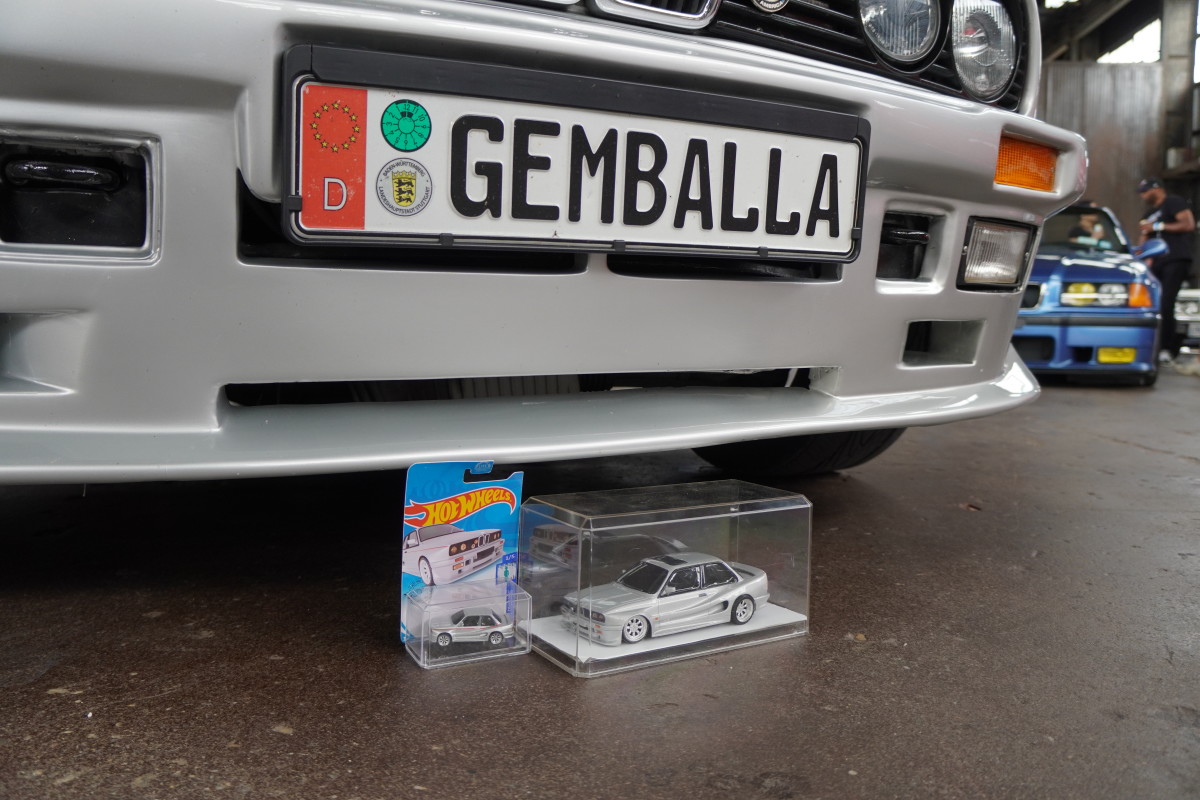
View the 5 images of this gallery on the
original article
One of the tuning houses that still operates is Gemballa. These days, the Leonburg, Germany-based outfit produces Porsches that reach the upper echelons of power, but back in the 80s, it made a name for itself by outfitting Porsche 911s and Mercedes-Benzes with big widebody kits, custom interiors, and upgraded sound systems.
This 1986 BMW E30 two-door is an unapologetic symbol of that era. Based on a 325i, Gemballa’s distinct styling is reflected in the extreme nature of the widebody kit, which calls for significantly wider wheels both front and back. The owner, Dominick, said that this vehicle was originally registered as a Gemballa back in ’86. Despite its provenance, he drives the car a lot and even takes the widebody machine on road trips. He treats this symbol of the decade’s excess as a true time capsule, even maintaining a small cassette collection to play on its original Alpine stereo.
Final thoughts
James Ochoa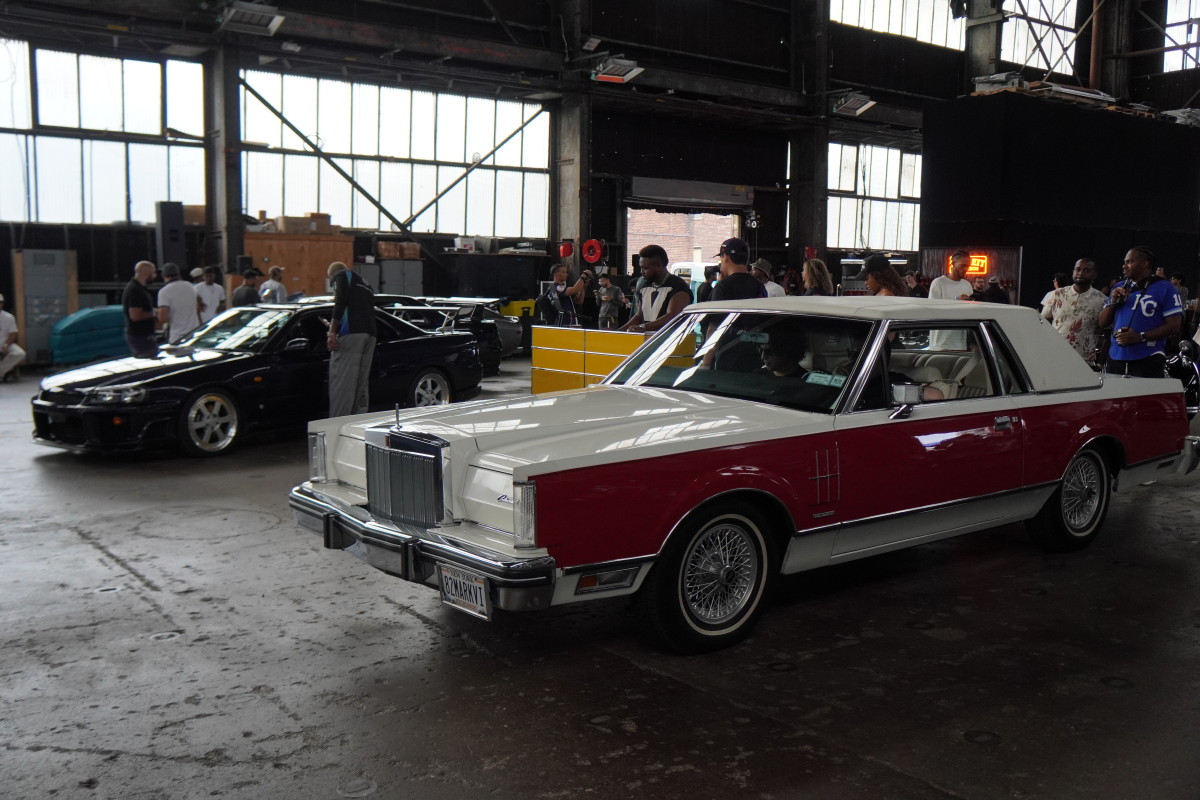
View the 5 images of this gallery on the
original article
I previously attended the Spring edition of this show back in April, and it is safe to say that Wheels of NYC has slowly but meaningfully evolved this event to be more than just a “car show” by definition, as it is truly a celebration of New York City car culture by every meaning of the word. Although my camera could capture snapshots of the very machines themselves, what it could not capture was the feeling and vibe that car enthusiasm brings to people, even in a city where car ownership is notoriously tricky.
Apart from the 150-plus cars on display, the event also featured food and drink vendors showcasing the city’s diverse cuisines, a clothing market, and even a special area for children. Notably, the soundtrack was curated by a lineup of DJs spinning a diverse range of music, from dance to classic hip-hop tracks by legendary New York artists, including the late Notorious B.I.G., Jay-Z, and Mobb Deep. This event is a must-attend, and I look forward to the next edition.