

Automotive theft might have a new enemy
Although auto thefts in the U.S. were lower in 2024 than in prior years, dropping below a million cars stolen for the first time since 2021, it’s still a pervasive crime that adds up to around $8 billion annually in America. That’s more than Ford Motor Company’s gross profits for 2024.
Cole Attisha
Car theft used to be relatively easy (although we haven’t tried it for ourselves), relying on a combination of tools, mechanical know-how, and a bit of luck. Break a window, cut the alarm wires, hot-wire the ignition, and voilà! But in the age of the electric vehicle (EV), that game has changed. As car design shifts from purely mechanical to software-defined machines, stealing a modern EV has become more challenging and riskier.
While no car is truly theft-proof, electric cars pose challenges that can stymie thieves, sending them in search of easier prey. From encrypted key systems to built-in tracking, EVs are like the Fort Knox of automobiles with layers of digital protection. Let’s break down why these high-tech vehicles are so hard to steal and what that means for owners and the criminals who target them.
Software instead of wiring
Honda
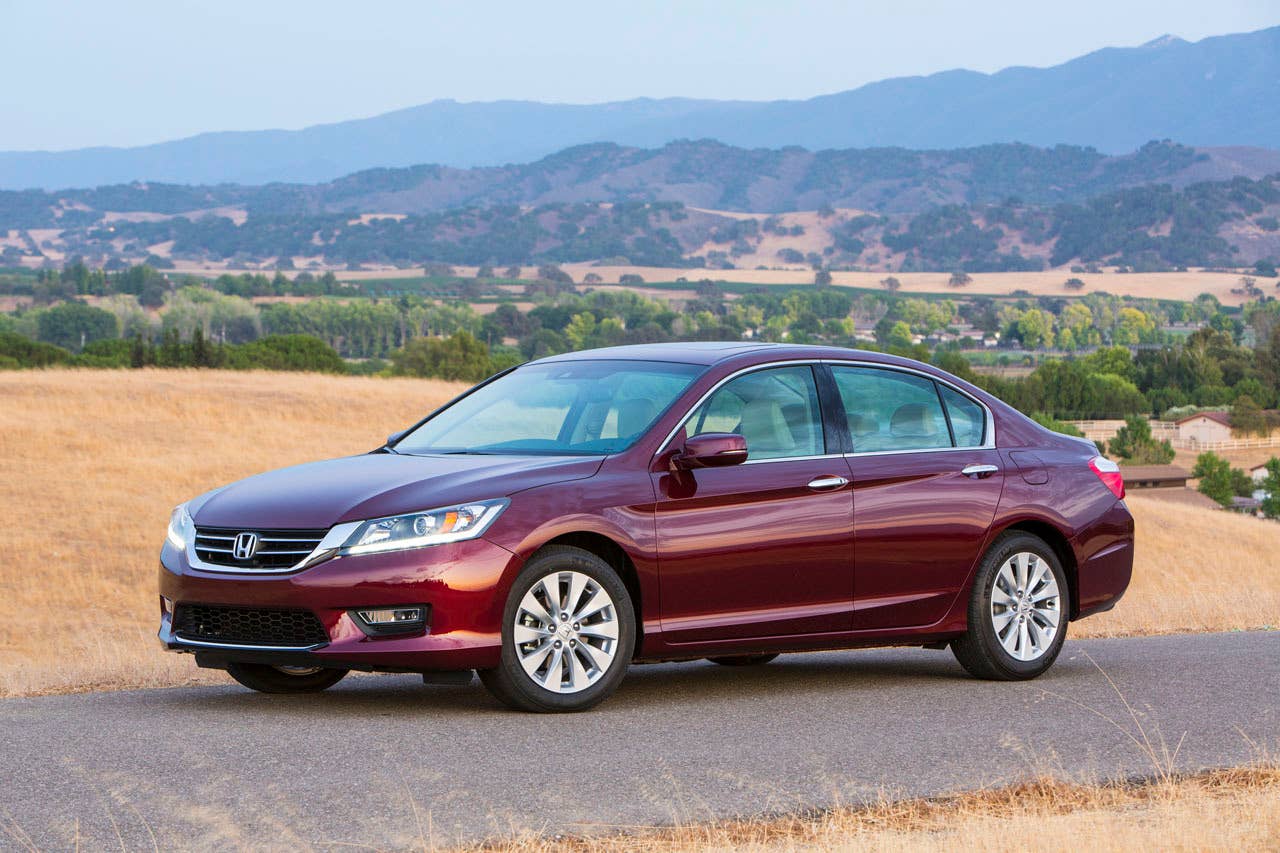
Mechanical systems are the easiest to crack because they rely on mechanisms versus electronics. Older Honda Accords and Civics are still among the most stolen vehicles in America. Simple ignition locks and wires that could be bypassed with a screwdriver or jumper cable just about beg to be stolen. However, EVs don’t use traditional ignition systems. Instead, they rely on computer-controlled powertrains that are managed by encrypted electronic control units (ECUs).
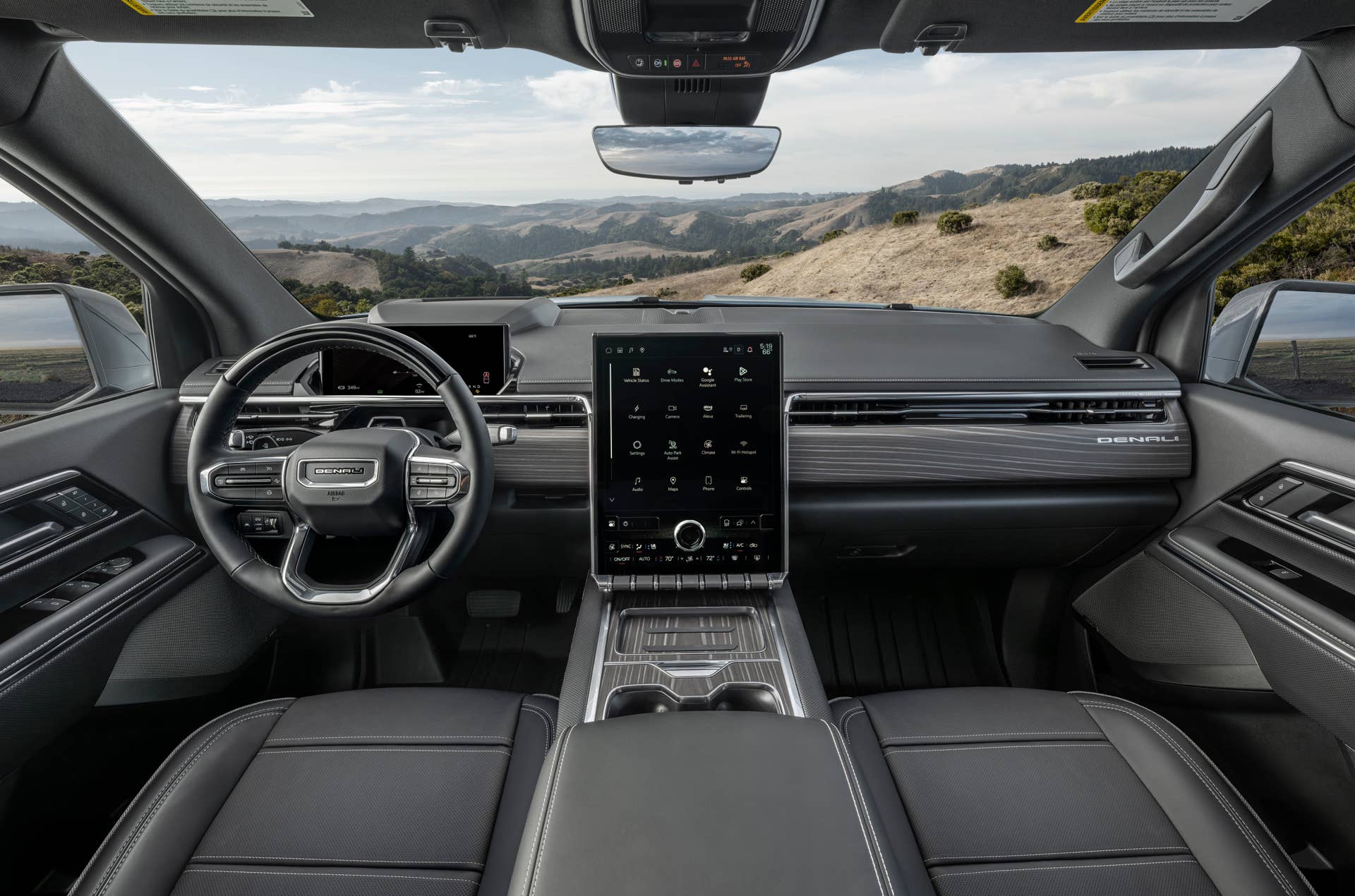
In a modern EV, everything from steering to acceleration runs through software. To make the car “drive-ready,” the onboard systems must verify a digital handshake between the key fob, the car’s ECU, and often the manufacturer’s cloud server. Without that handshake, even if a thief physically breaks in, the vehicle won’t move an inch. This software-first architecture essentially replaces old mechanical vulnerabilities with cybersecurity challenges. Hacking an EV’s system requires advanced technical knowledge, expensive equipment, and access to proprietary encryption.
Digital locks and authentication
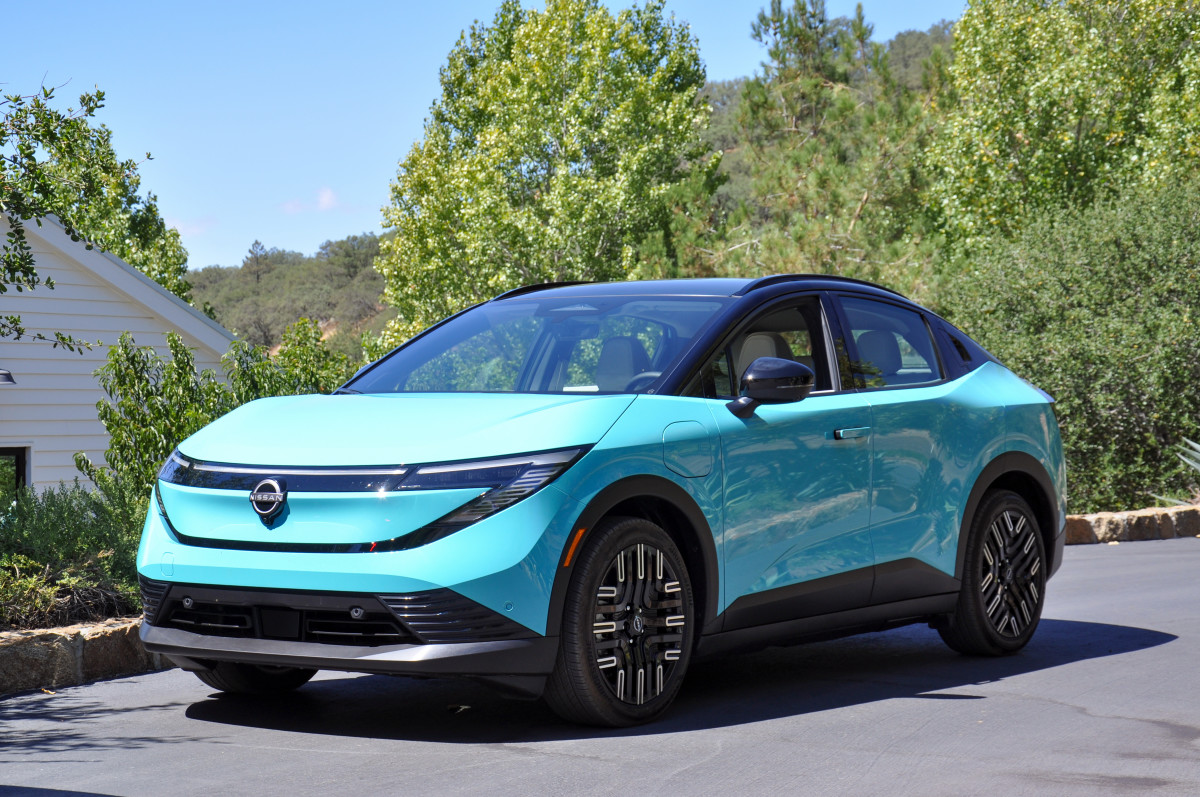
It used to be pretty easy to slide in a slim jim and pop a mechanical lock. Then, when cars migrated to keyless entry systems, new vulnerabilities came into play, like relay attacks where thieves could capture and amplify a key fob’s signal. However, EV makers have responded aggressively by rolling out stronger encryption and new security features.
Most modern EVs use what’s known as “rolling codes,” similar to a constantly changing internet IP address —a system that changes the digital “password” every time you unlock or start the car. That makes replaying an intercepted signal nearly impossible. Some manufacturers, including Tesla, have gone a step further by offering PIN-to-drive features.
PIN to Drive allows the driver to set a secure four-digit verification that must be entered before the car can be driven. Even if someone gains access to the car’s interior, the car won’t operate until the correct driver-set PIN is entered on the touchscreen. Stealing one would require hacking multiple secure layers while in the process of committing the crime, making it virtually prohibitive in terms of difficulty, time consumption, and traceability.
Constant cloud connection
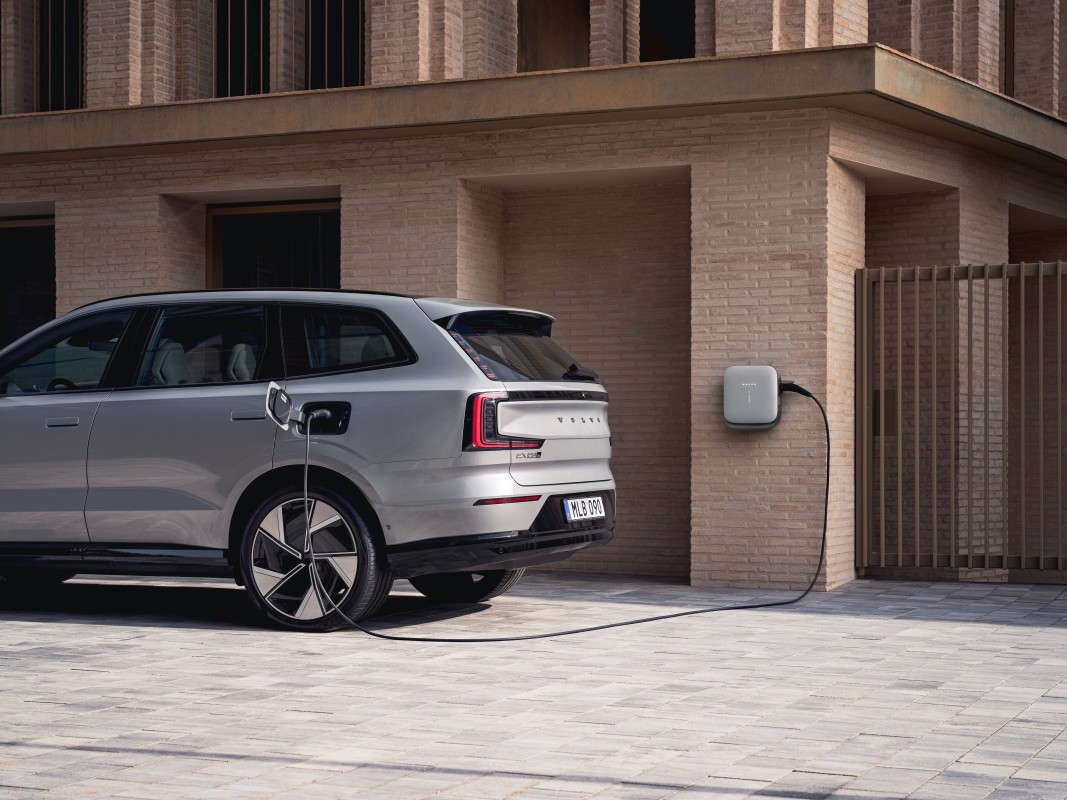
Another significant hurdle for car thieves is an EV’s connection to the cloud. Although they’re not connected 24/7, they do require frequent, if not constant, connections during over-the-air software updates, performing remote diagnostics, charging the battery, and using real-time data for navigation and other connected services. That connectivity doubles as a formidable anti-theft measure.
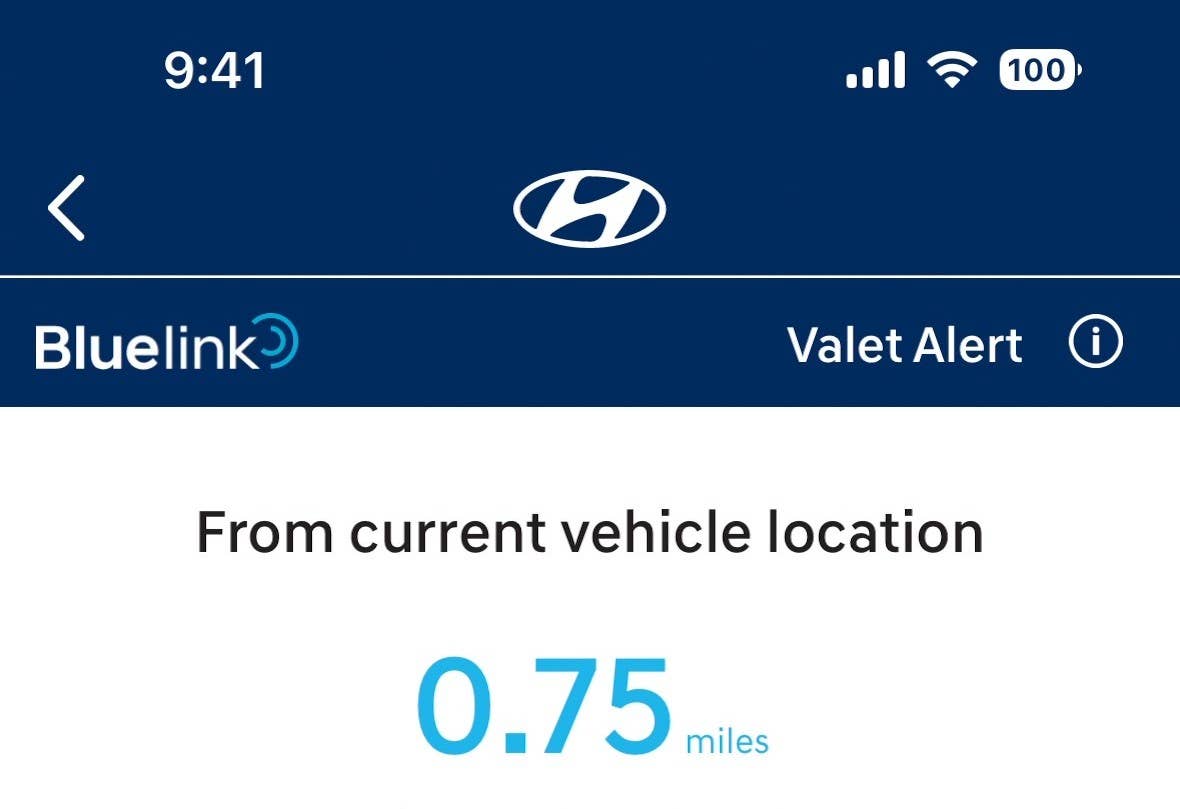
If an EV is stolen, the owner or the manufacturer can often track it instantly via a smartphone app. Tesla, Rivian, Hyundai, and others allow owners to remotely view their car’s location, lock the doors, disable driving functionality, and even limit top speed. Law enforcement can also work directly with manufacturers to pinpoint a stolen vehicle in real time. In many cases, stolen EVs are recovered within hours because they can’t hide. Disconnecting the battery or antenna won’t help either, since most systems store the last-known GPS location even if the car is powered down.
Cameras and sensors
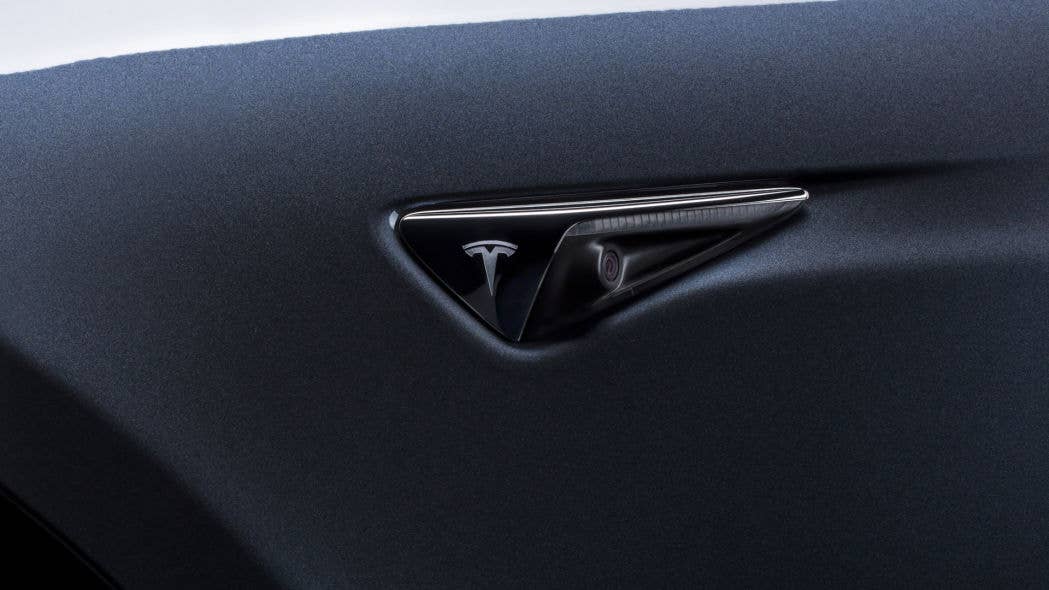
Another major deterrent comes from the abundance of cameras and sensors EVs carry. These vehicles are loaded with radar, ultrasonic sensors, and high-resolution cameras to support driver-assistance systems and parking features. Many EVs, especially Teslas, use these sensors for sentry modes that monitor surroundings when parked. Tesla’s Sentry Mode is a smart security system that uses the car’s cameras and sensors to pick up suspicious activity when the car is parked. It can flash the lights, sound the alarm, display a warning, send an alert to an app, and record a 10-minute video clip.
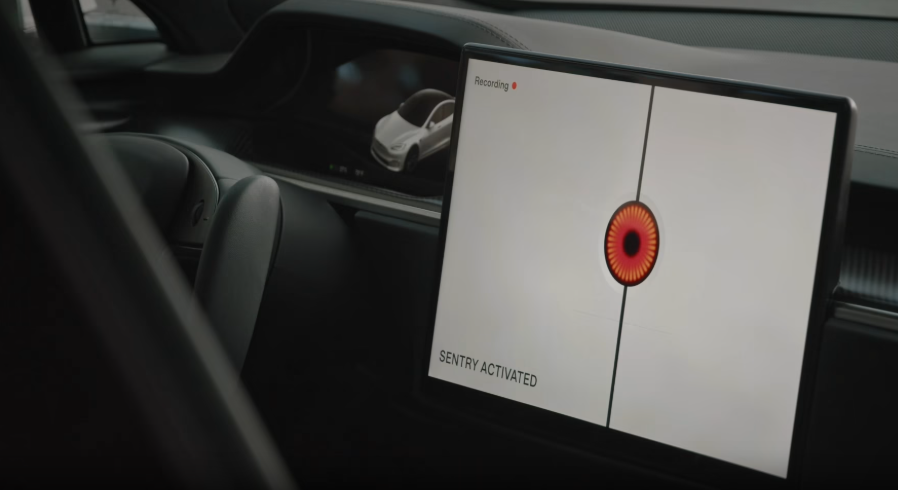
These recordings often capture thieves in the act, even if they’re unsuccessful, providing visual evidence for police. Thieves, apparently, stay away from Teslas because they know about the systems, meaning the Tesla Model 3, Model Y, and Model S have remarkably low theft claims with law enforcement and insurance providers. Why should criminals risk stealing a car that will catch them in the act before it’s even committed?
Built-in immobilizers and layered protection
Kia
Every modern car has an immobilizer system, but EVs take it further. For instance, disconnecting a battery or breaking into the ECU won’t bypass the immobilizer because access requires encryption keys stored on secure servers. Additionally, most EVs have multiple gateway controllers that isolate critical systems from non-critical ones. This compartmentalization prevents a single point of failure, making hacking much harder.
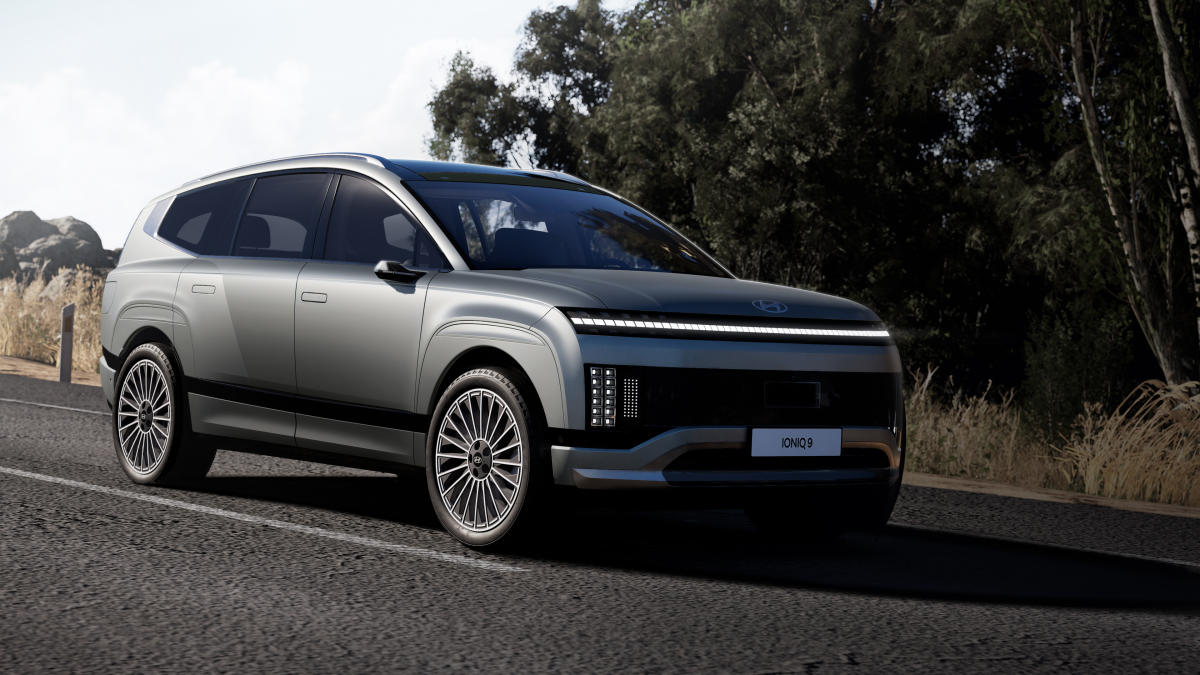
Hyundai
When you insert the key or press the start button, the vehicle’s immobilizer verifies a unique coded signal from the key. If the signal matches what the system expects, the engine starts normally. If it doesn’t or if no signal is detected, the engine stays off, effectively preventing traditional hot-wiring theft attempts.
Final thoughts
Today’s EVs combine software, cameras, sensors, and digital intelligence to create a wall of security that discourages thieves. That doesn’t mean EVs are invincible, and sophisticated hacking attempts or inside jobs still happen. However, the hurdles to theft are so high that EVs are simply not worth the time, effort, and technical knowledge required for criminals to steal them. The same software that enables electric cars to partially drive themselves, park autonomously, and update over the air also makes them extremely frustrating for thieves. It’s up to carmakers to stay ahead of the game.