

The manual transmission is still the enthusiast’s choice
Here at Autoblog, we love manual transmission cars. Call us old school. Roping your own gears might seem like labor to some, but it’s a labor of love for those of us who desire to have the ultimate control and connection to the vehicle and to the road. Though their numbers are shrinking, manual transmission cars retain an outsized cultural and enthusiast impact. For example, both the BMW Z4 and the Toyota Supra received manual transmissions long after their release, largely due to the outcry of enthusiasts.
Honda
On the flipside, sporty cars like the new Honda Prelude won’t even offer one. It’s a fight that’s worth fighting, in our opinion. In this article, we’ll explore the best-selling manual transmission cars and why they are still hanging on despite market trends. Although there aren’t specific statistics that accurately track the number of manual transmission variants sold every year, we can deduce the top movers in the category based on overall sales volumes and manufacturer input.
From cost-savings to passion
The decline of manual transmissions is nothing new, as it has been happening for decades; however, the statistics are still shocking. Back in the early 1980s, about a third of all new cars sold in the U.S. came with a manual transmission. Fast forward to 2010, and that number had already plunged to just 3.4%. By 2020, stick shifts had nearly disappeared from dealership lots, making up only about 1.5% of new car sales.
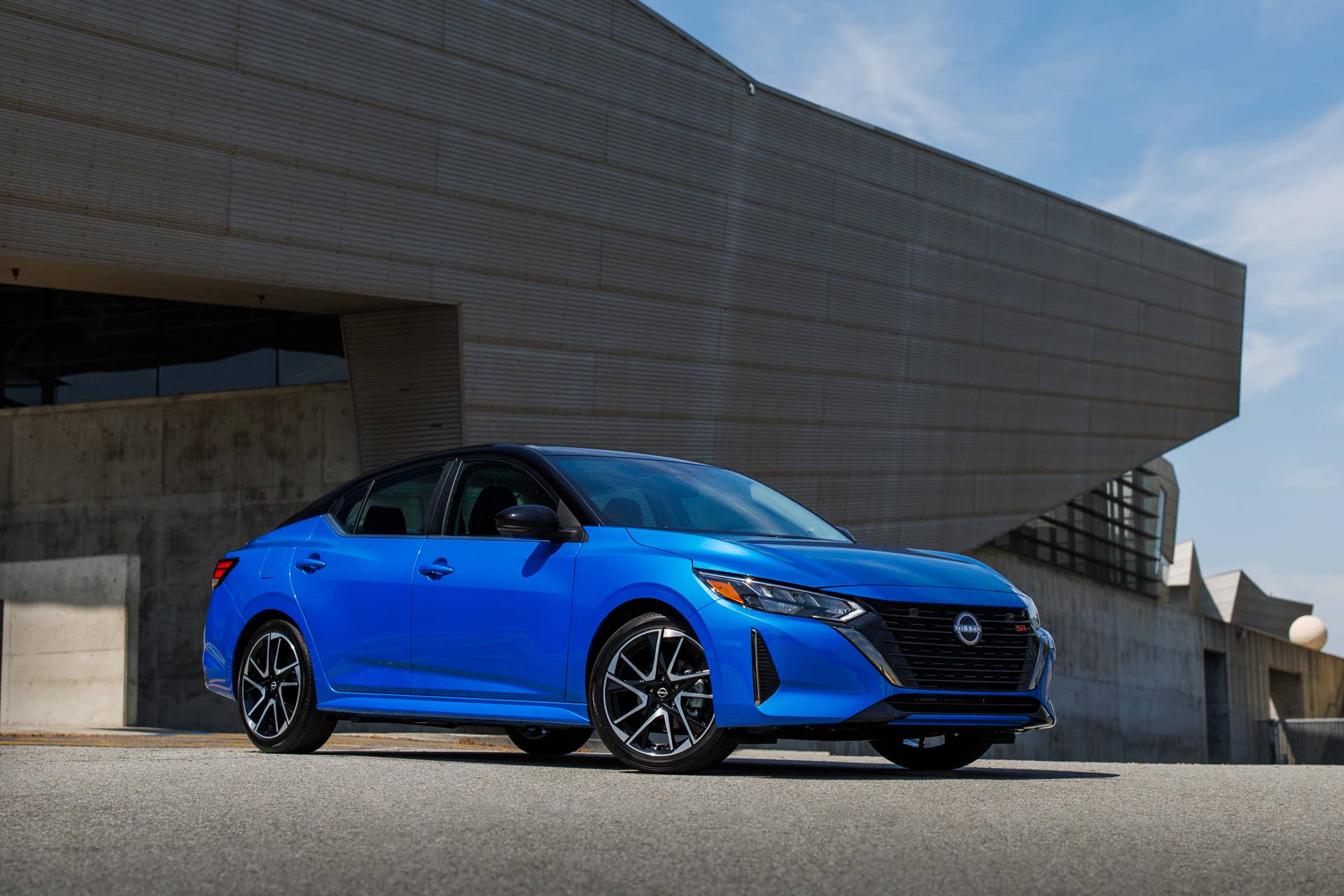
Lower-priced economy cars, such as the Nissan Sentra and Toyota Corolla sedans, which once offered stick-shifts, have ditched them. The reason is simple: buyers at this price point overwhelmingly choose automatics, leaving little incentive for manufacturers to maintain a manual version that sells in paltry percentages.
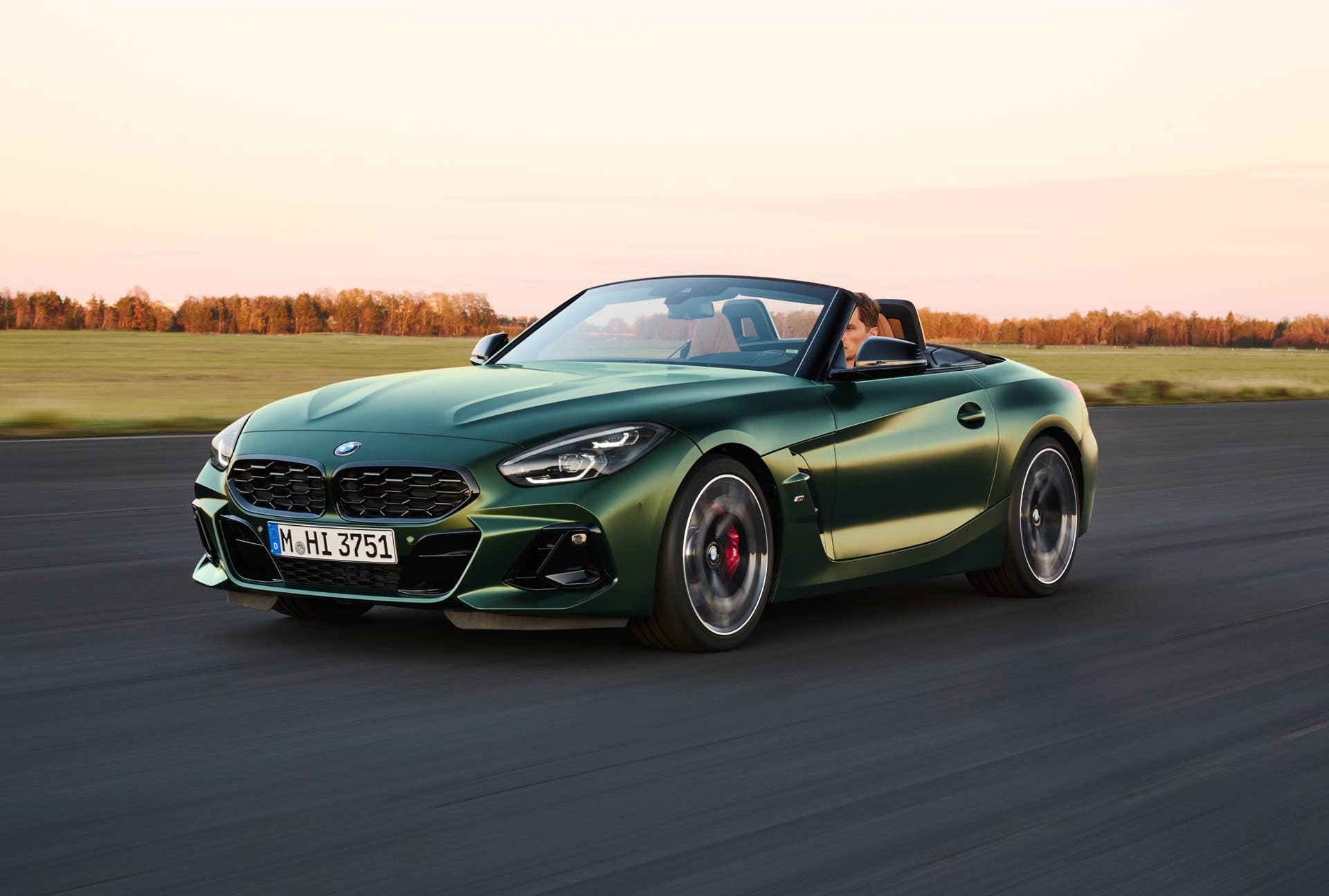
At the same time, performance cars and enthusiast models have stepped into the gap, with manuals becoming less about affordability and more about driver engagement. Some models charge more for three pedals than for a slushbox. For example, if you want your 2025 BMW Z4 with a manual transmission, you have to get the $3,500 Edition Handschalter Package. Today, if you’re buying a car with a clutch pedal, it’s likely because you want the experience, not because you’re trying to save money on your car purchase. Here are the best-selling models that still have manuals.
Honda Civic
Honda
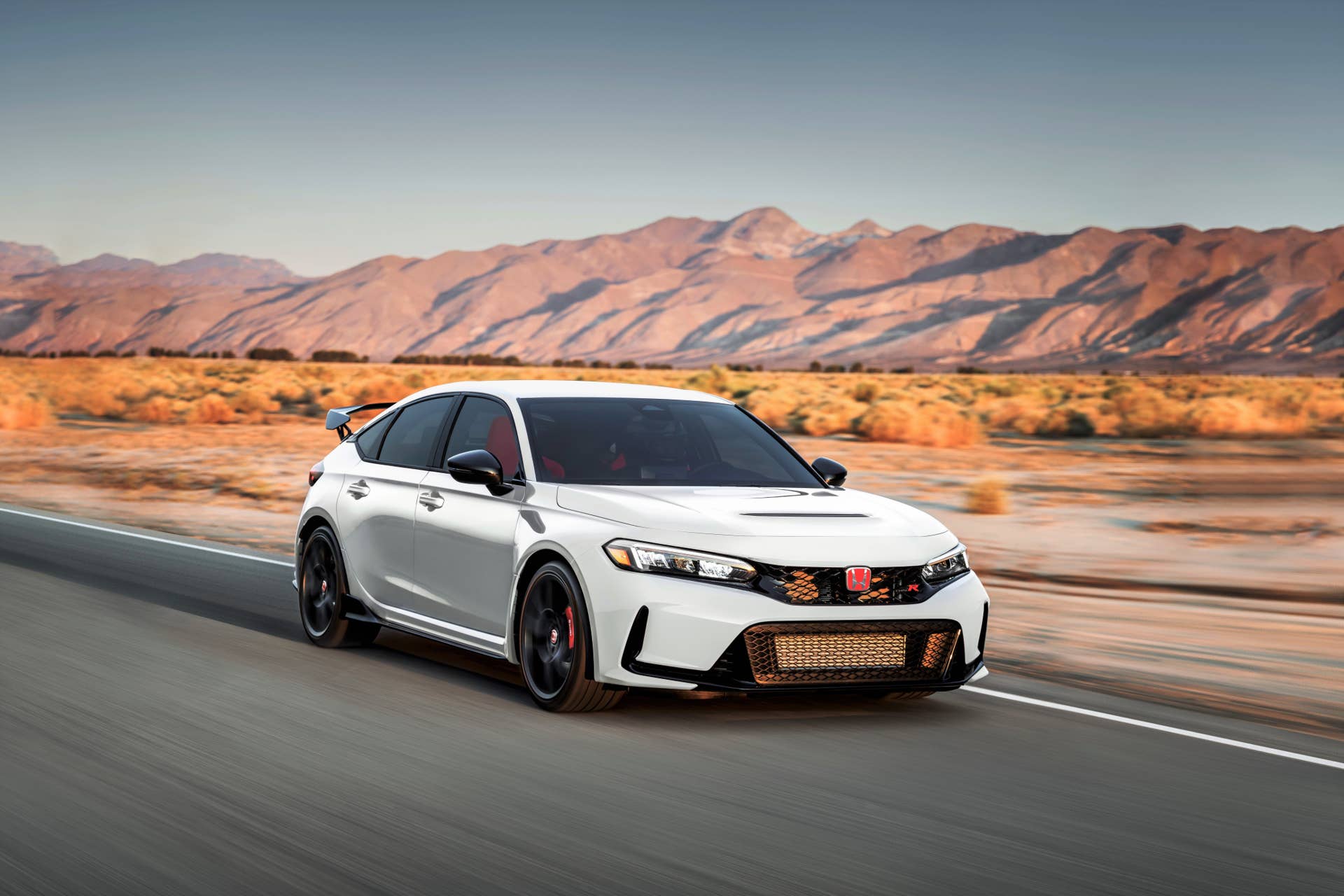
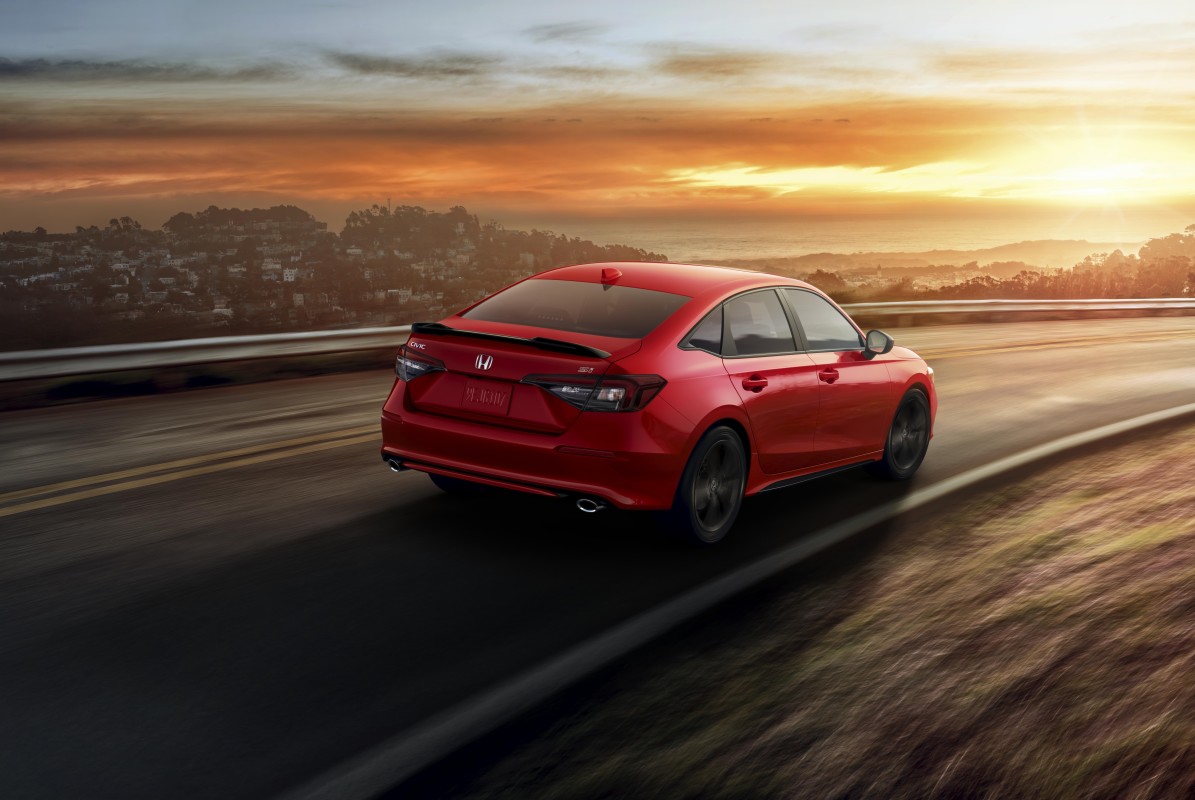
Among mainstream cars, few names resonate as strongly as the Honda Civic. For decades, it’s been the most prominent example of a model line that still embraces the manual transmission, particularly in its enthusiast trims. For 2025, you can no longer get the manual for the regular line of Civics, but you can still get it for the two performance variants, the Si and the Type R. The 200-horsepower Civic Si ($32,415) provides an affordable sport sedan option with a six-speed manual. The more intense and more expensive Civic Type R ($47,090) makes 315 horsepower from its potent 2.0-liter turbocharged four-cylinder engine.
Honda
In 2024, Honda sold about 242,005 Civics in the U.S. It’s currently one of the ten best-selling vehicles in America, and of the Civics sold in 2024, 7.2% were manual transmission versions, which amounts to roughly 17,424 units. That’s only a couple of thousand less than the total number of Lexus IS sports sedans sold in the same year. In 2023, more than half of Civic Si sales were stick, and over 23% of Type R sales were sold with manual transmissions.
Zac Palmer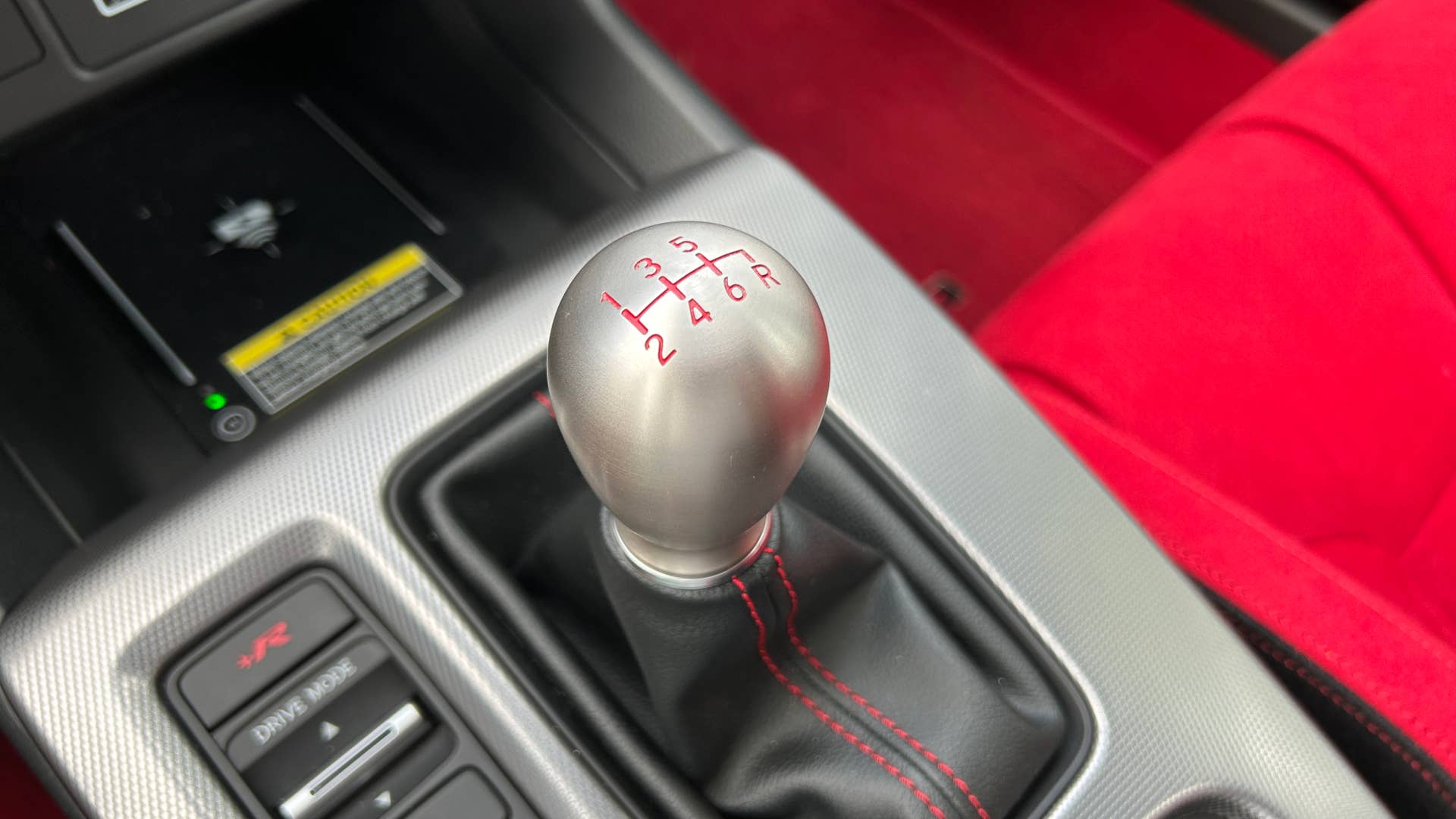
The Civic line, thanks to its handsome redesign, safety, versatility, and strong sales volume, likely accounts for one of the highest totals of manual transmission sales in the U.S. market today. For buyers who want modern reliability wrapped in a performance-oriented package, the Civic remains one of the strongest manual offerings.
Volkswagen Jetta
Volkswagen
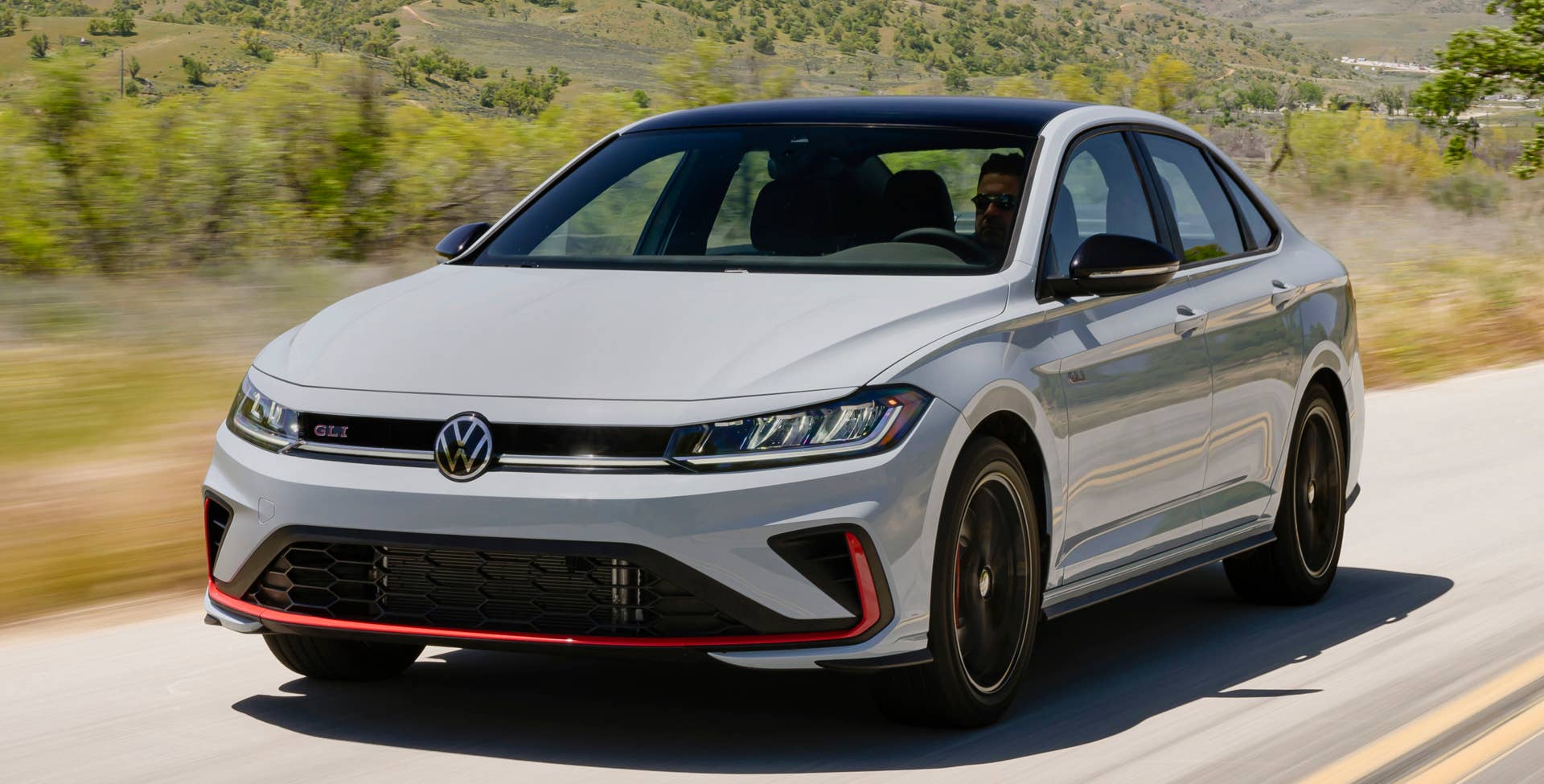
Sadly, we can’t put the VW Golf GTI on this list simply because it’s not available with a manual transmission in 2025. Another volume leader for sticks is still a Volkswagen, though, namely the Jetta GLI variant for $33,215. While many compact sedans have abandoned the stick, the GLI is beloved for its blend of affordability, practicality, and sporty driving dynamics. It’s powered by a turbocharged four-cylinder engine that delivers 228 horsepower and 258 lb-ft of torque. That’s not as much as the 241-horsepower Golf GTI, but the sacrifice in power to keep the manual seems well worth it.
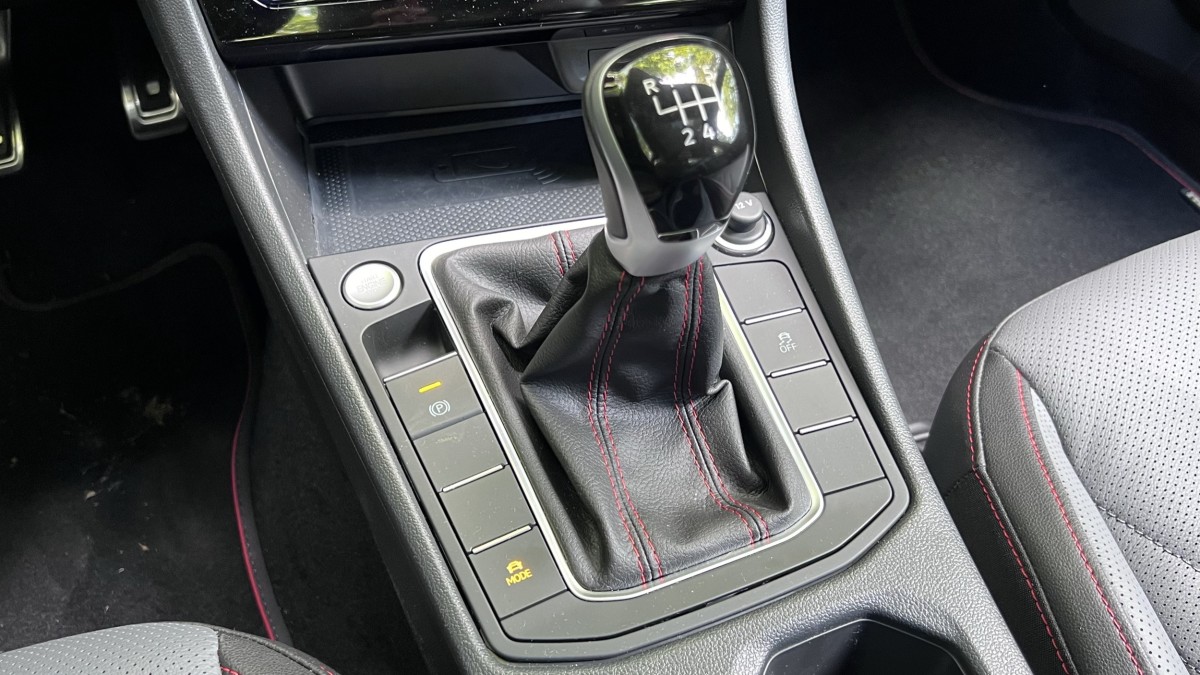
VW sold a total of 71,829 units in 2024, including the GLI. That’s a lot of cars. There are no GLI stats, but if it accounted for just 10% of the total, that would equate to over 7,000 units moved. It’s not as fierce or as taut as the Golf GTI, but the Jetta GLI still thrills. Its manual option appeals to mature buyers who still want engagement without the somewhat juvenile-looking hatchback style and without the steep price tag that premium brands require. Volkswagen’s decision to keep the manual alive in the Jetta GLI highlights the brand’s recognition that some enthusiasts desire a great balance of connection and practicality in everyday driving.
2025 Subaru WRX
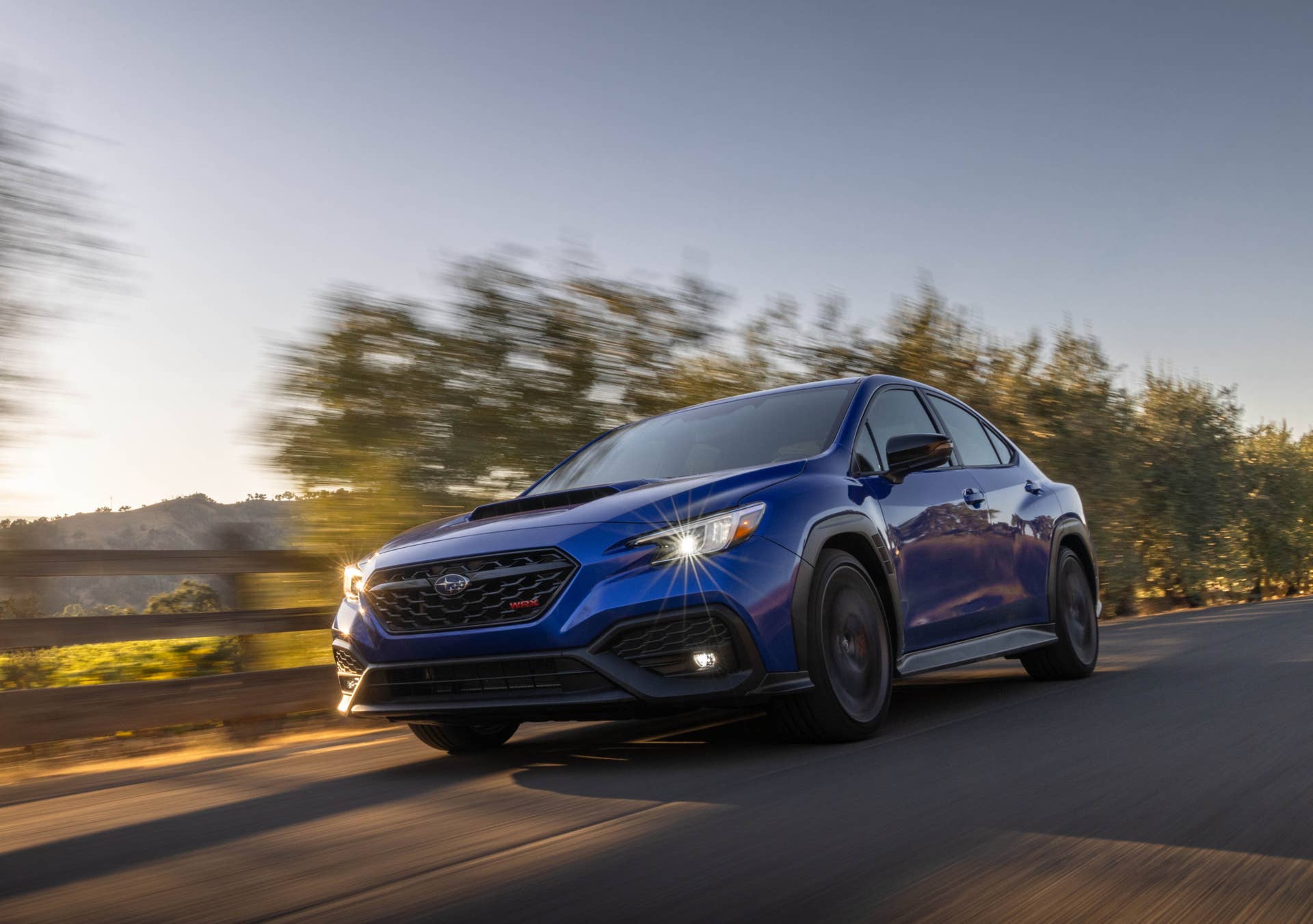
Subaru’s rally car-based model continues to be available with a manual transmission, despite the top trim GT being equipped with a CVT. While its redesign has been contentious, there’s no question that the WRX in manual form still sells remarkably well. The WRX is one of only two standard all-wheel drive, manual transmission cars left, with the Toyota GR Corolla being the other. The manual gearbox helps preserve its appeal among drivers who want a practical four-door daily driver that can also thrill on a twisty road. It’s also a serious blast in the snow, perhaps its best environment. Under the hood, all WRXs are powered by a 2.4-liter boxer four-cylinder engine that produces 271 horsepower and 258 lb-ft of torque.
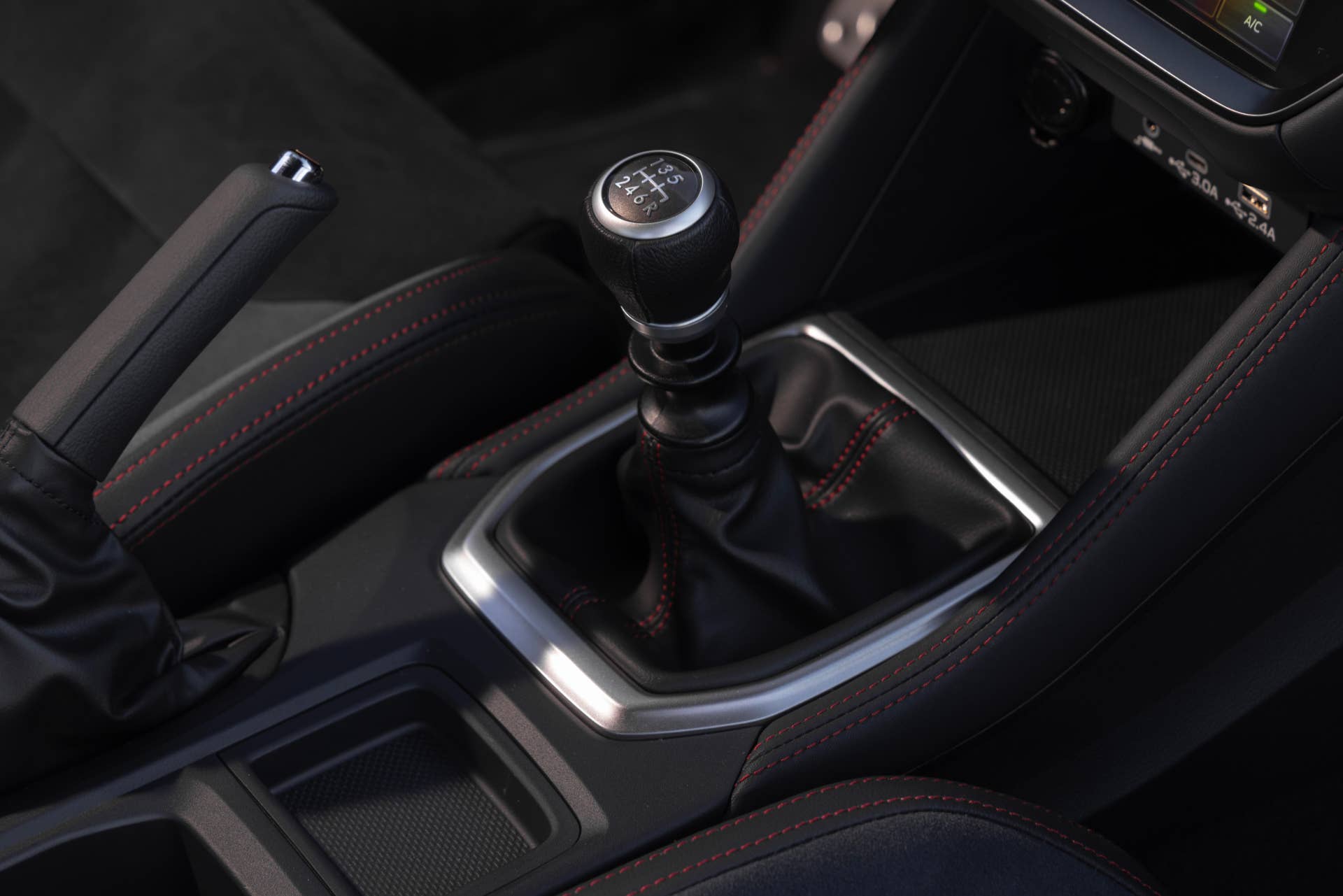
The WRX may not sell in Civic-like numbers, but it continues to be a serious player in its segment Subaru sold almost 22,000 WRXs in 2024, and about 83% of them were manuals. That amounts to over 18,000 manual transmission WRXs sold last year, which is a huge amount and certainly reflective of the enthusiast bent towards a three-pedal setup. The WRX doesn’t have an STI trim anymore, but it did deliver two sharper trims, the TR and the tS, both of which are available with the manual transmission. It’s not known if the next-generation WRX will still get a stick or if it will even be gas-powered at all. The rumor mill says it could be electrified, and that would be a crying shame for enthusiasts of the purist-friendly WRX.
Ford Mustang
Ford
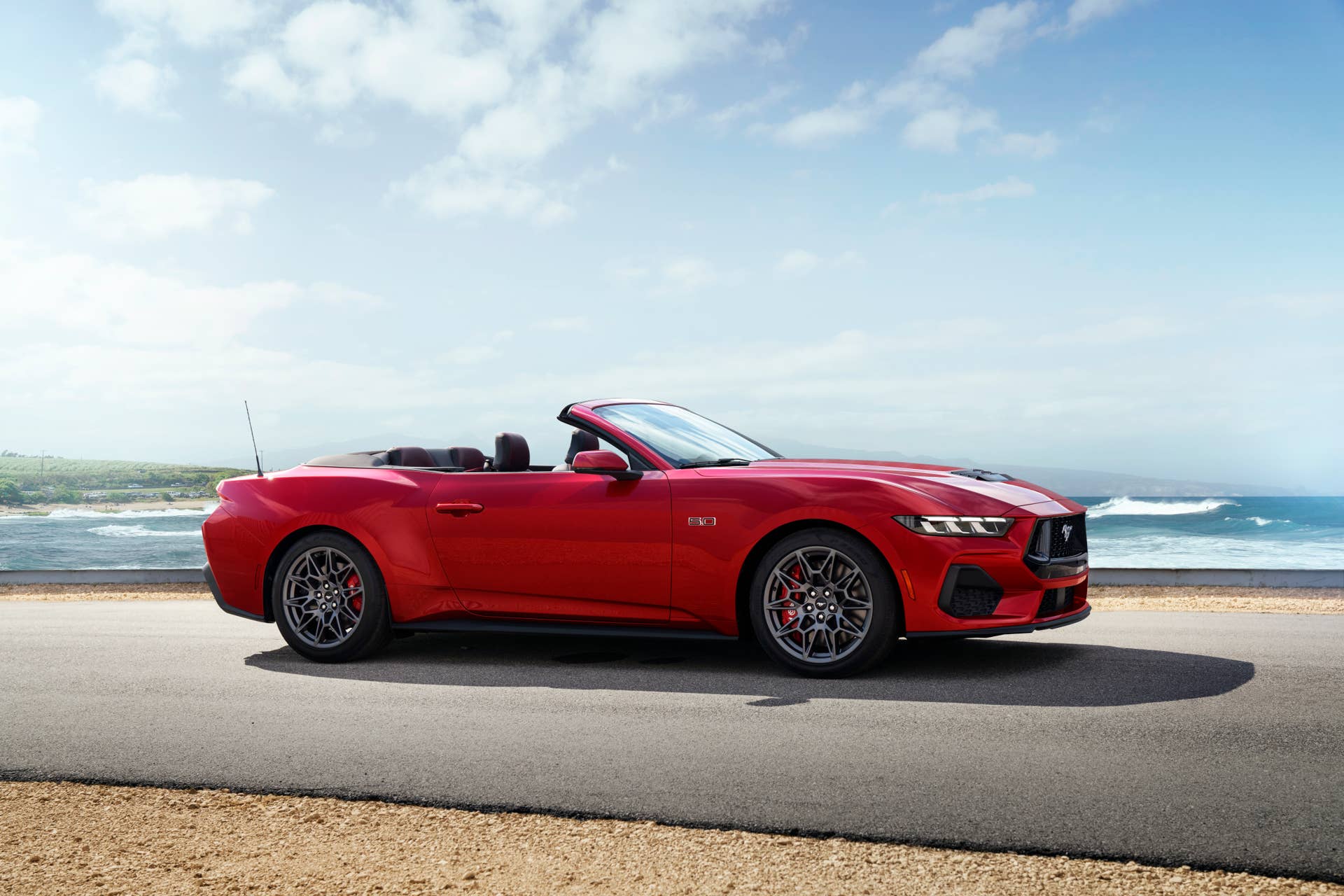
It would be wrong to make this list without the American icon that is the Ford Mustang. Rear-wheel drive muscle paired with a six-speed manual knows no other name in 2025, and the V8 GT and Dark Horse trims get that option. While automatics dominate overall Mustang sales, the manual is still a critical part of its identity. We applaud Ford for continuing to build it with a stick shift.
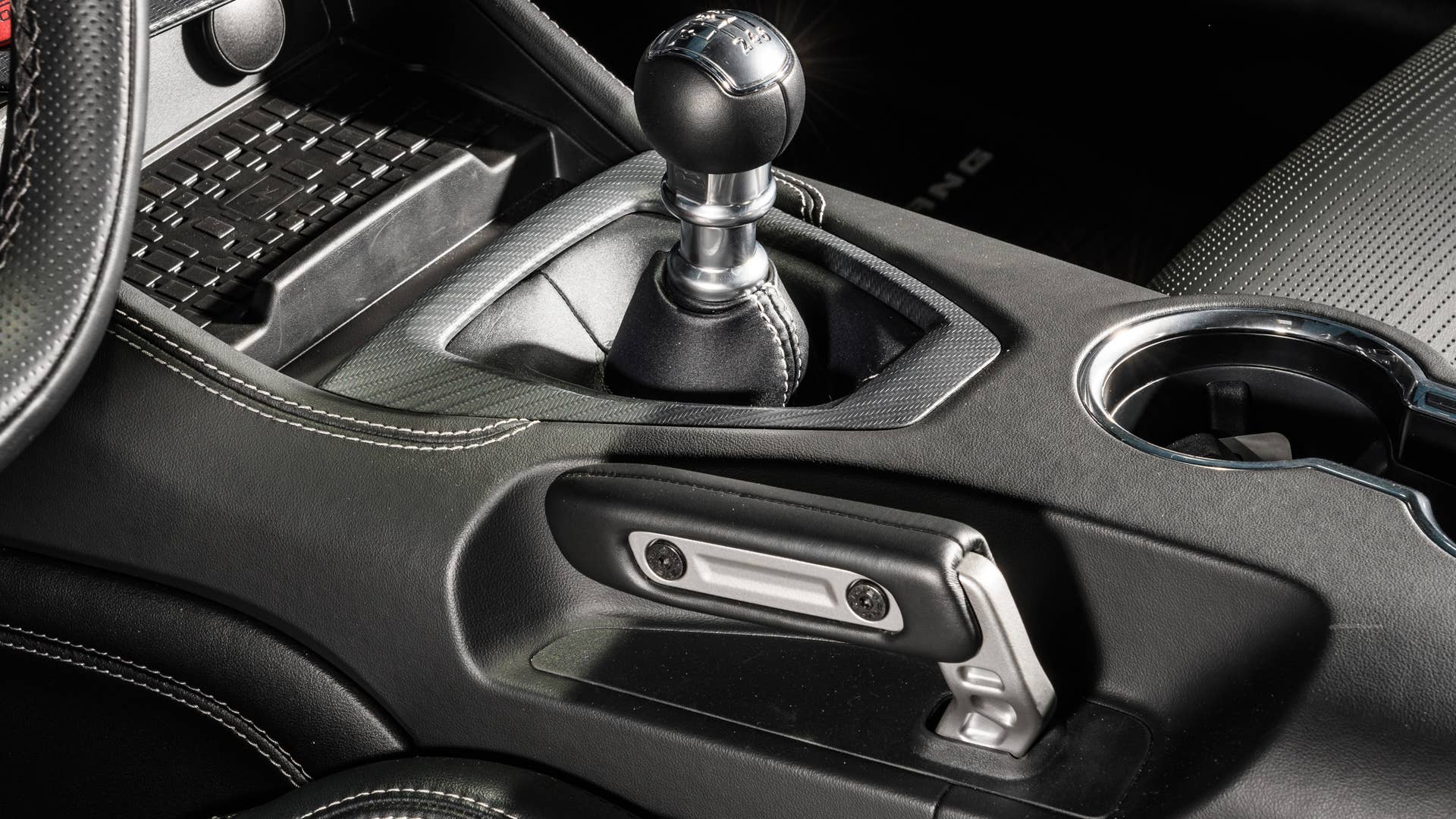
2025 models offer a 315-horsepower 2.3L EcoBoost four-cylinder engine, a 480-horsepower 5.0L V8 in the GT, and 500 hp from the 5.0L V8 in the Dark Horse. Though its manual sales are modest compared to automatics, the Mustang remains one of the most visible and best-selling stick-shift cars in America. Although sales are down, the Mustang still moved 44,000 cars last year. Approximately 27% of buyers chose to rope their own gears, making for almost 12,000 units with a manual transmission. That’s a pretty healthy number, reminding us that we’re not alone in our love for manuals.
Final thoughts
While most of these models sell fewer manuals compared to their automatic siblings, they represent the strongest remaining market for manual transmissions in America. However, the reality remains that manuals have largely disappeared from entry-level cars, surviving mainly in models where driving engagement is a priority for enthusiasts and contributes to brand identity.
Honda, Subaru, VW, and Ford see manuals less as a necessity and more as a way to differentiate performance trims and retain loyalty among enthusiasts. This means that while the number of cars with stick shifts will continue to drop, the ones that remain are likely to be exciting, desirable, and more collectible over time. My son and daughter want to drive manuals when they’re old enough, and that means there’s still hope.