

Reinventing a legacy for the electric age
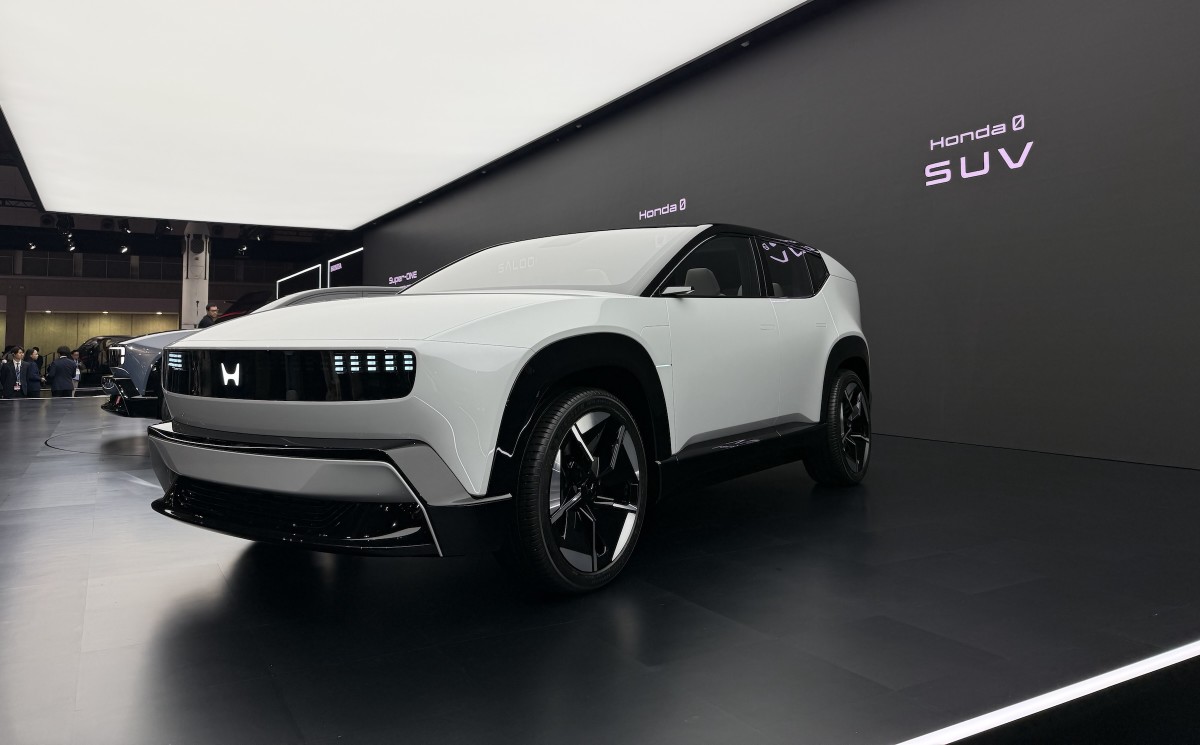
Honda Motor Co. took another step in defining its electric future at the Japan Mobility Show 2025 last week, introducing two additions to its lineup of “0” electric vehicles first shown at CES earlier this year. What it portends is no less than a new beginning for Honda, a transformation as noteworthy as the debut of its first U.S. motorcycle in 1959, its first U.S. car sale ten years later, or its first Acura luxury car in 1986. Sporting clean, minimalist surfaces and crisp edges, Honda’s entries into the electric age lack Detroit’s bombast or Silicon Valley’s self-promotion. Honda’s electric revolution arrives wrapped in restraint, its latest iterations being the 0 Alpha small electric SUV and the Super-ONE prototype, vehicles that embody Honda’s way of whispering what others would shout.
Larry Printz
Honda CEO Toshihiro Mibe concedes that the Alpha and Super-ONE are too compact to suit American palates and won’t be sold here. However, he realizes that the real American EV market is priced below $30,000, and Honda plans to stake its claim there. He’s equally realistic about its politics. With EV subsidies scrapped, a Trump administration back in power, and America’s electric ambitions stalling by perhaps as much as five years, Honda is also rolling out a new generation of hybrids to hedge its bets.
A marriage of necessity
Getting to this EV future has required Honda’s partnership with General Motors, an unlikely marriage of opposites that produced Honda’s first all-electric offerings for North America in the form of the Honda Prologue and now-discontinued Acura ZDX. For a company that once prided itself on going it alone, such collaboration marks a cultural shift. Mibe said that Honda’s aim in partnering with General Motors was simple: ramp up production, cut costs, and carve out a competitive edge in the electrification race. Yet the collaboration quickly revealed a sobering reality. Even with two industry giants at the table, there’s no single, guaranteed formula for success in the EV market. The obstacle isn’t assembling vehicles; it’s creating the software that makes them function. That comes at a steep price.
Honda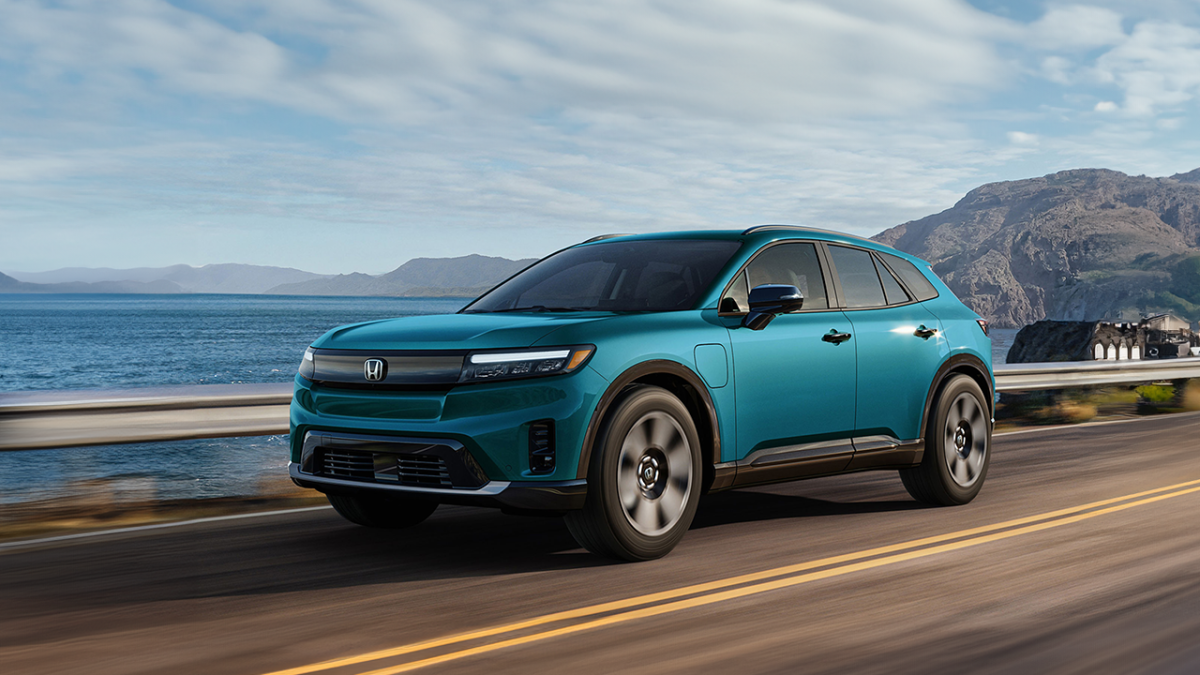
So, Honda is still talking with GM about future collaborations, while exploring cooperation with Nissan and Mitsubishi, as well as working with Sony to develop its Afeela line of EVs. By widening the circle of partners, Honda can spread the burden of mounting development costs and buy itself a better shot at staying competitive in a market defined less by tradition than by technology. “When it comes to, let’s say, software-defined vehicles, it doesn’t make any sense for one company to try to develop everything,” Mibe said. “Ideally, if Honda has developed the technology that can be shared with other OEMs, that would be the best.”
Larry Printz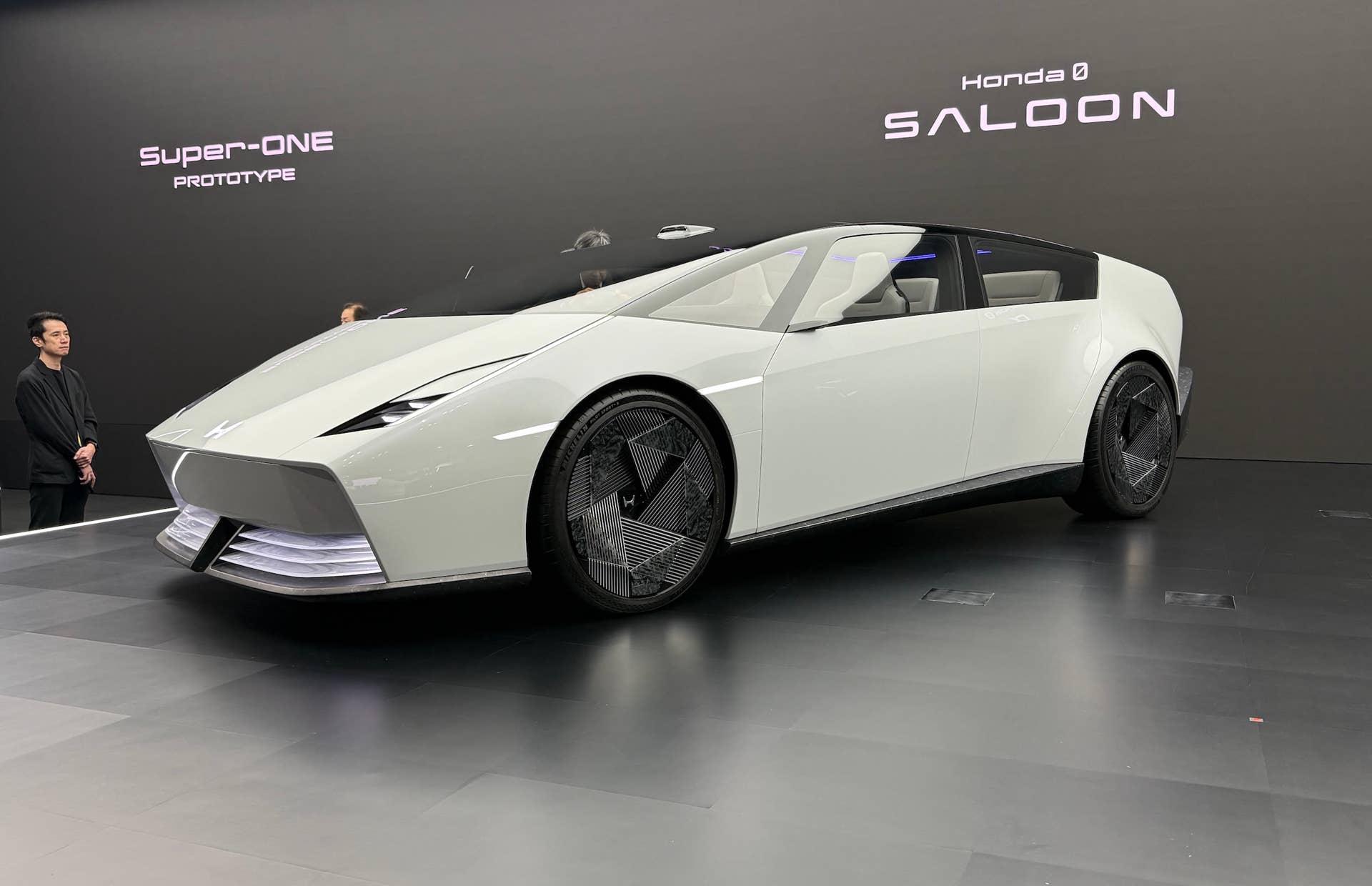
Sports still matter
The company is also continuing its collaboration with Aston Martin in Formula One. Once the superiority of its hybrid gas/electric powertrain is demonstrated, Honda plans to launch an EV-powered sports car. “We have many prototypes already made internally,” Mibe said. “But given this slowing environmental amplification in the market, it’s hard to decide when we will make them available.”
Larry Printz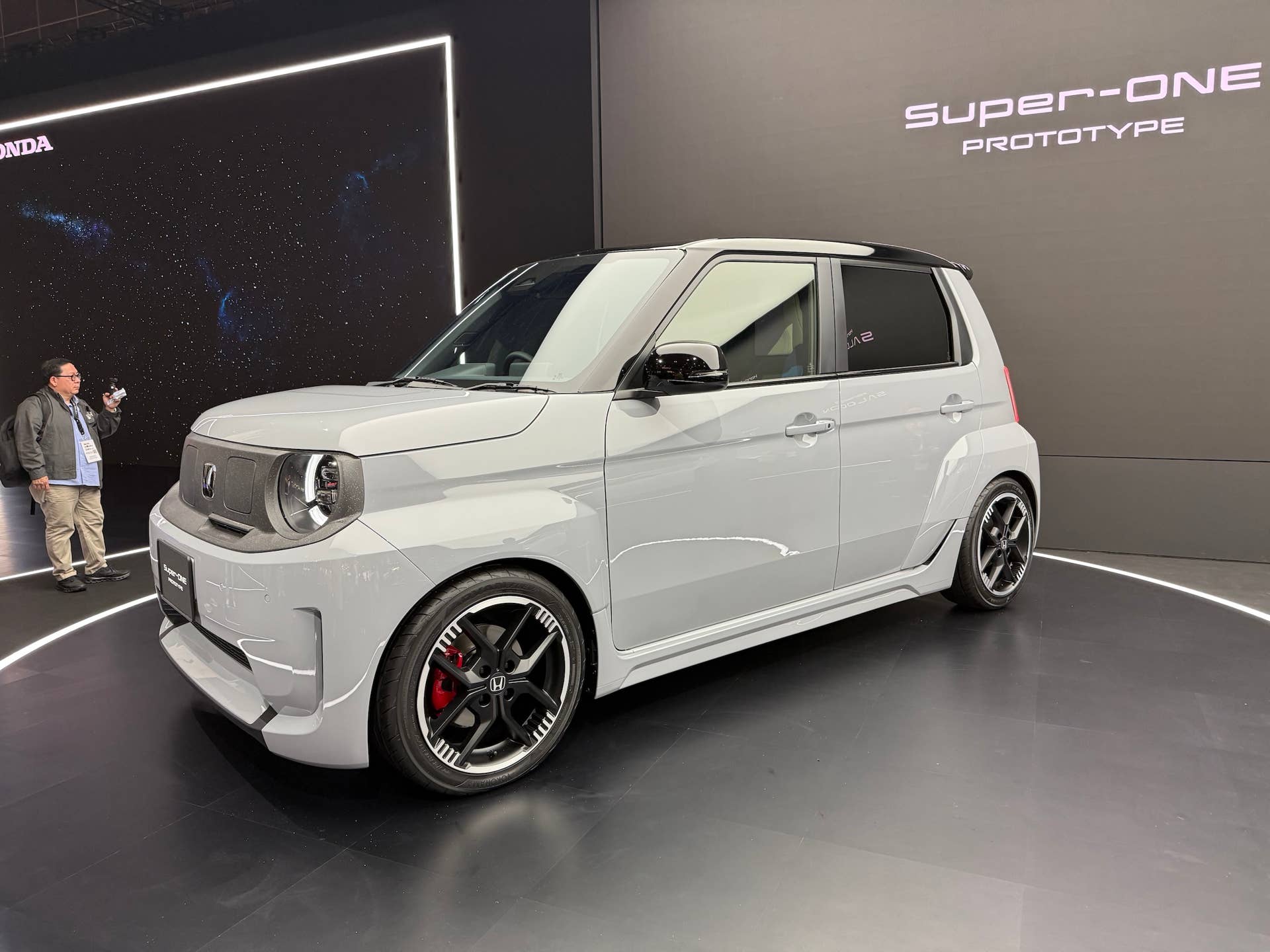
However, the company’s ambitions extend far beyond automobiles. Having started as a motorcycle manufacturer, it’s little surprise that Honda debuted the EV Outlier Concept, featuring in-wheel electric motors on both wheels. Also on hand was the HondaJet, the company’s light business jet, as well as the Honda rocket launched in June. Honda continues to imagine a future in which motion itself connects, liberates, and inspires. It’s an oddly human vision in an age that treats machines as a means of disconnection.
Final thoughts
Honda’s genius has always been its patience: a belief that progress need not come with fireworks, only persistence. Yet, Honda’s patience has always been mistaken for timidity. Analysts fret that it’s too cautious, too quiet, too slow to market. But history offers a different lesson. The same steady hand that once turned motorcycles into household names and small cars into American staples may again prove the surest guide through this turbulent decade.
Larry Printz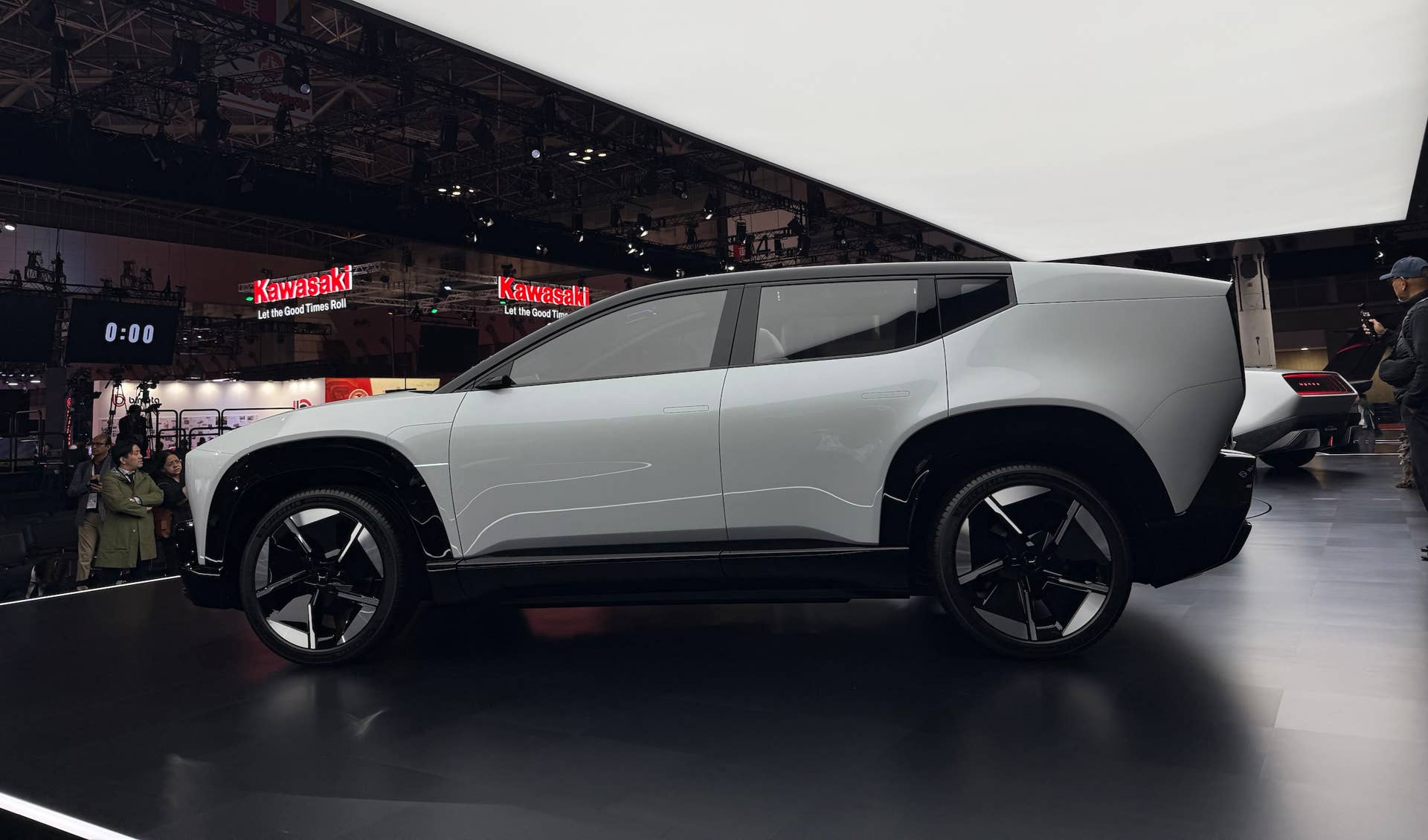
In a world where everyone’s in a hurry, Honda’s refusal to rush may be its greatest competitive advantage. It’s betting that intelligence will outlast hype, and that restraint is wisdom, not a weakness. The company that once taught Americans that small can be mighty now seeks to show that smart can still be soulful on its way to achieving an all-electric reality by 2040.