

Automakers axed most of their tiniest rides, and they’re not making a comeback anytime soon
For decades, cheap cars were the affordable entry point to car ownership. They weren’t glamorous, fast, or even remotely loaded, but they were affordable, dependable, and gave first-time buyers transportation and a dose of hope that they could someday move up the automotive ladder. It used to be true that you could rely on just about every mainstream automaker to produce at least one entry-level vehicle that wouldn’t punch your bank account in the gizzard. Yet over the last few years, those affordable cars have quietly disappeared.
Mitsubishi
Automakers killed them off one by one until very few were left. If you look at the automotive landscape today, you’d be hard-pressed to find more than a handful. These least profitable, least exciting cars in their lineups have made their way to the chopping block, and hardly anyone misses them. Now, a lot of entry-level vehicles are what customers want: crossovers and small SUVs that typically cost at least a couple of thousand dollars more but deliver something that feels nice. Below, we look at five recently discontinued entry-level cars and what their demise says about today’s car market.
Nissan Versa
Nissan
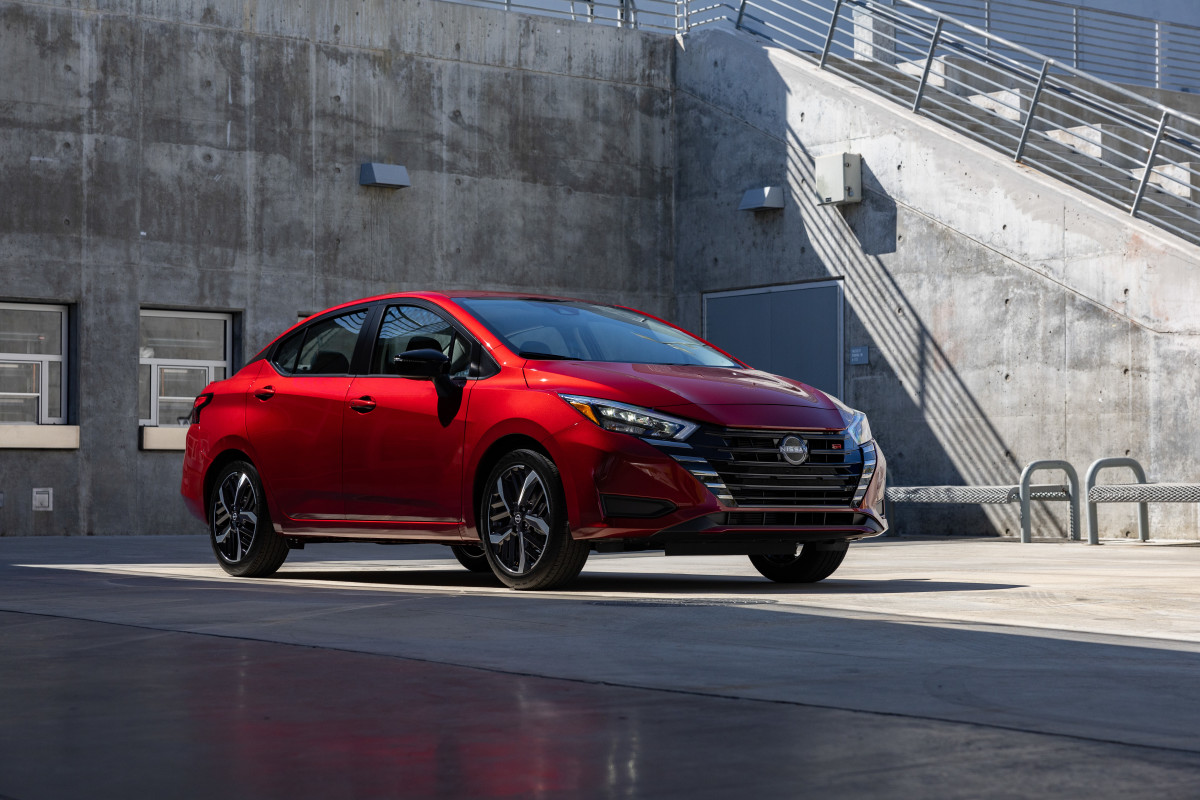
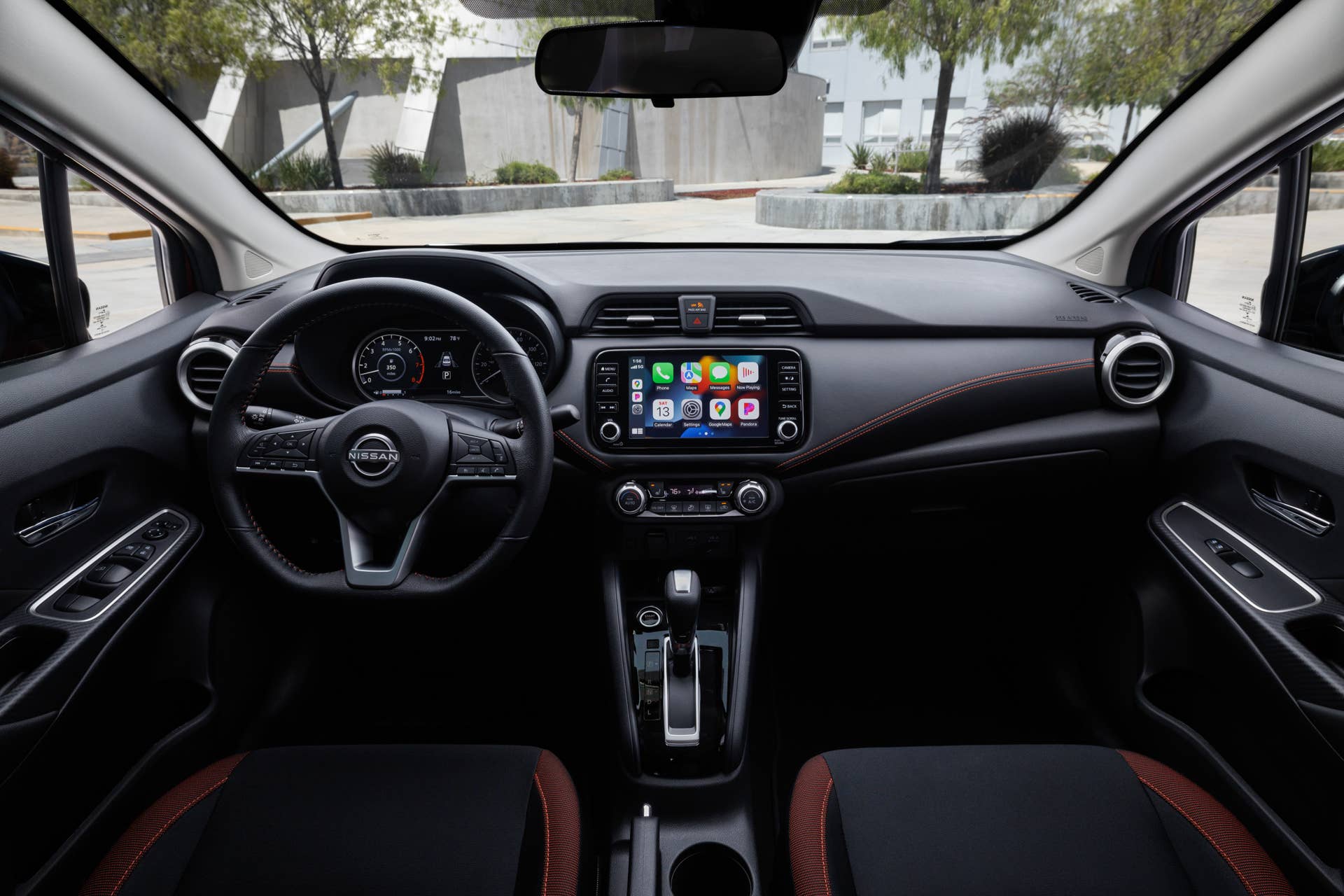
The death of the small sedan has not been greatly exaggerated. Although it hasn’t been confirmed, rumor has it that 2025 will be the Nissan Versa’s final year, which should come as no surprise. It’s the last true holdout of the subcompact car class now that sedan versions of the Kia Rio, Hyundai Accent, and the Ford Fiesta are dead. The $21,590 base price was attractive enough, but the paltry 1.6-liter 122-horsepower four-cylinder engine is pretty gutless, especially when mated to the continuously variable automatic transmission.
Nissan
Not long ago, buyers could at least wring out the meager horsepower with a manual transmission, but that recently went the way of the dodo as well. Despite being vastly improved over its rental-fleet ancestors, the Versa is fighting a losing battle against affordable crossovers, namely its Nissan Kicks stablemate. In 2024, Nissan sold 42,589 Versas compared to 77,356 Kicks. That’s what we call writing on the wall.
Honda Fit
Honda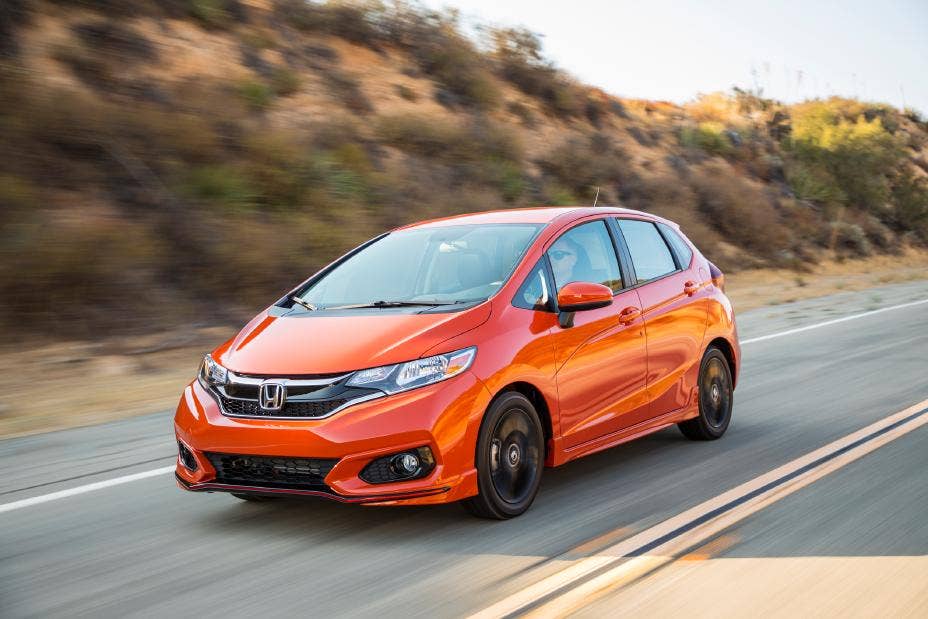
Few small cars were as smartly designed as the Honda Fit. Three generations of Honda’s cute and capable subcompact hatchback ended in 2020 due to thin profit margins and a focus on crossovers and SUVs. Its “Magic Seat” allowed the rear seats to fold completely flat or flip up to carry tall objects, transforming the tiny hatchback into a mini moving van. It was reliable, efficient, and fun to drive. The Fit’s reputation was legendary among city dwellers, students, and rideshare drivers.
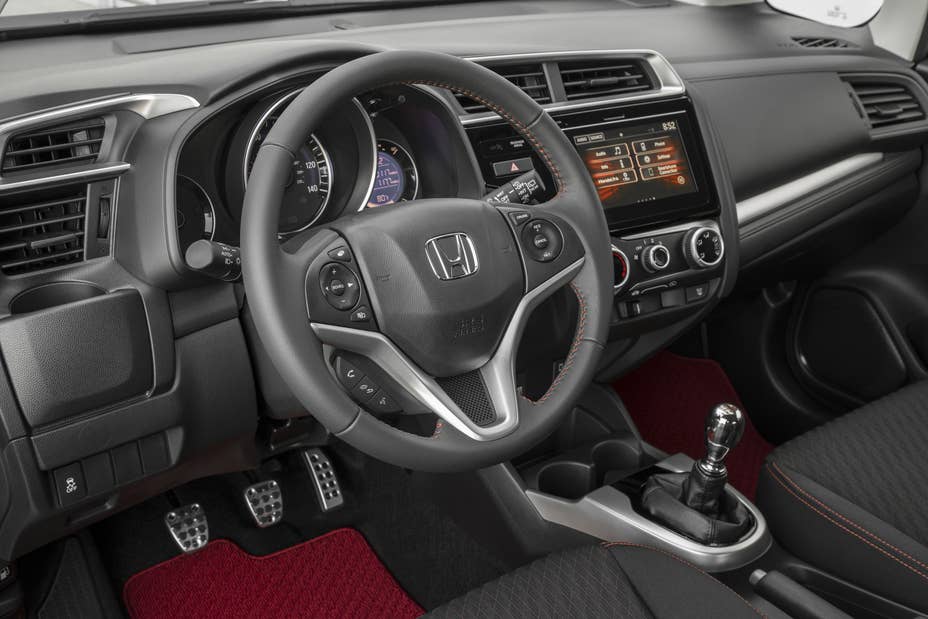
After the 2020 model year, Honda replaced the Fit with the HR-V, which uses the same platform but wears crossover styling and commands a higher price tag. The Fit was also a victim of global market realities. While the new-generation Fit (called the Jazz abroad) thrives in Japan and Europe, U.S. buyers lost interest. It’s ironic that the Fit offered more interior room and practicality than many subcompact SUVs that replaced it.
Chevrolet Sonic
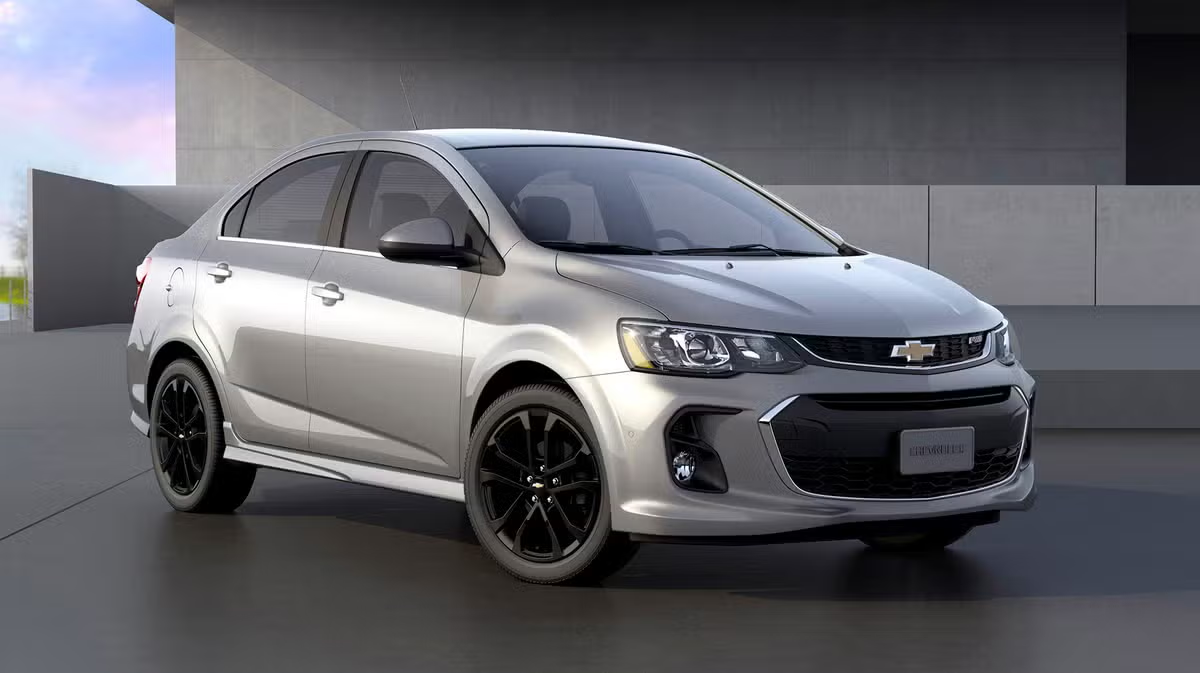
The Chevy Sonic was sold in both hatchback and sedan forms, and it was one of the few American-branded subcompacts that could hang with the Japanese and Korean competition, though its cabin looked and felt a couple of levels below. The Sonic’s base 1.8-liter naturally aspirated four-cylinder was also weak compared to its torquey turbo engine option.
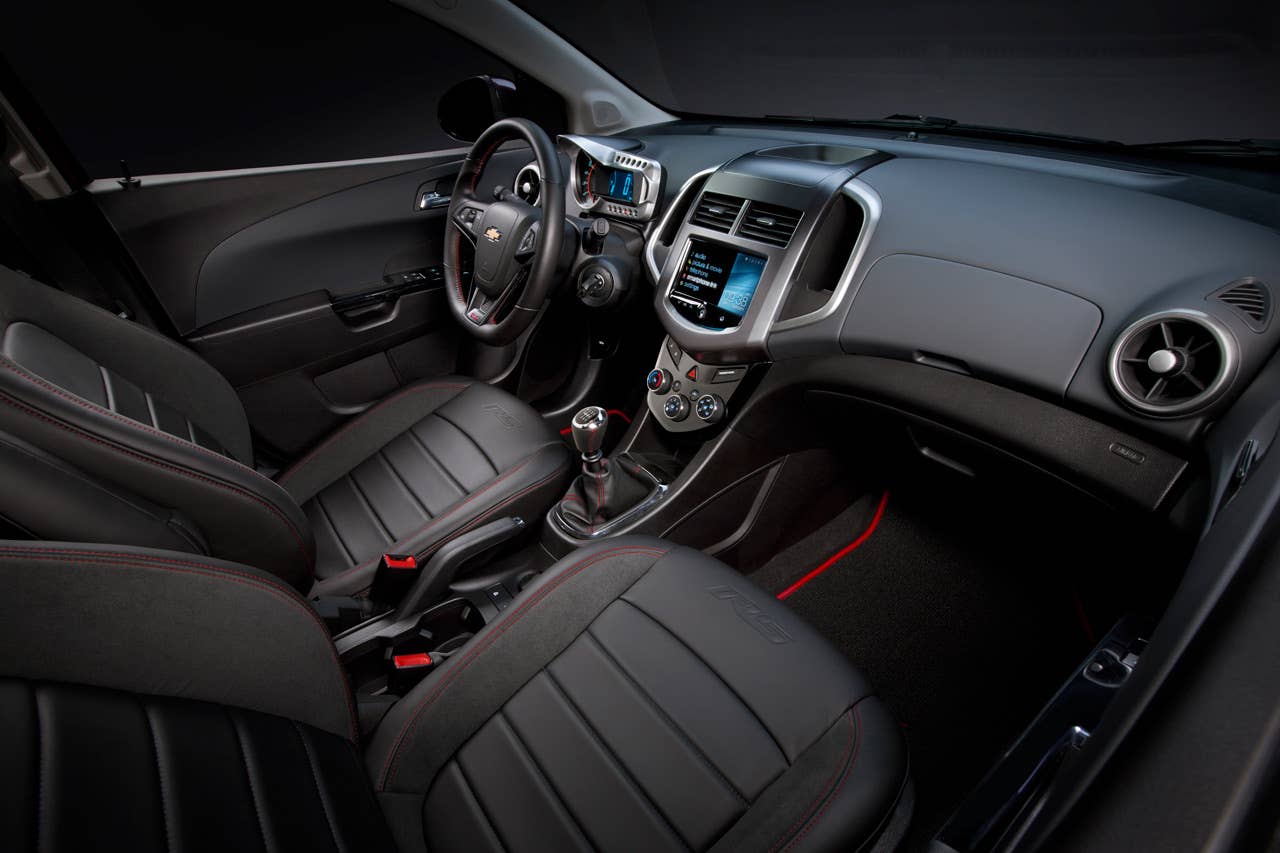
It wasn’t particularly exciting, but it was honest and had solid standard features like a 7.0-inch touchscreen, Apple CarPlay, Android Auto, and a 4G LTE Wi-Fi hotspot. Priced under $20K and aimed squarely at young buyers, the Sonic provided real value. Unfortunately, those buyers were already headed toward crossovers, and fleet sales weren’t enough to justify continued production. GM pulled the plug in 2020, and it was followed by the even smaller Chevy Spark in 2022, marking the end of gas-powered subcompacts at the Bowtie brand forever.
Mitsubishi Mirage
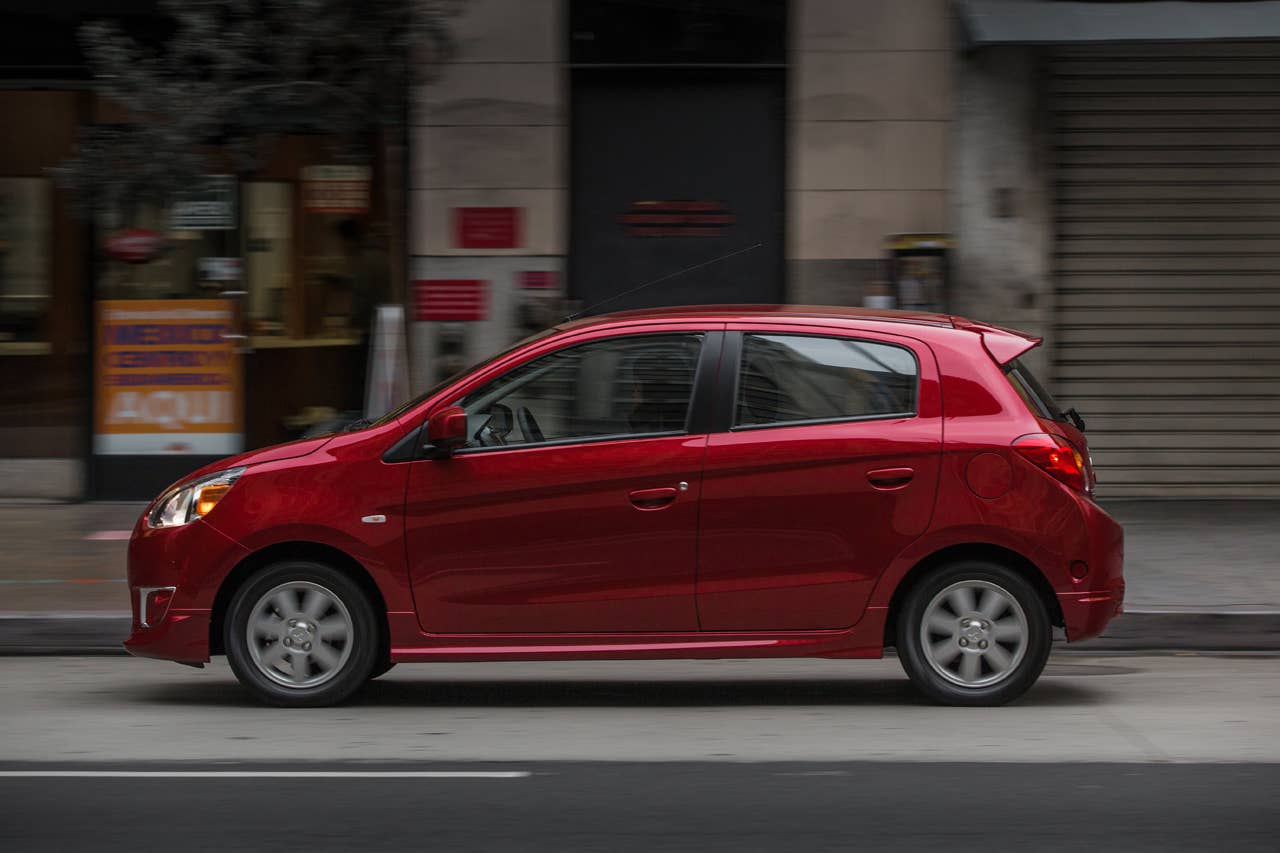
The 2024 Mitsubishi Mirage ($16,695) screams cheap. Just look at its bulbous body and cookie-sized wheels. For years, the Mirage was the cheapest new car in America. At times, you could drive one off the lot for under $15,000 brand new, with a warranty. Its 78-horsepower engine took 12.8 seconds to get to 60 mph, it felt tinny, and the interior was pretty short on space. However, the dinky Mirage returned fuel economy numbers that would make a hybrid blush at 43 mpg highway.
Mitsubishi
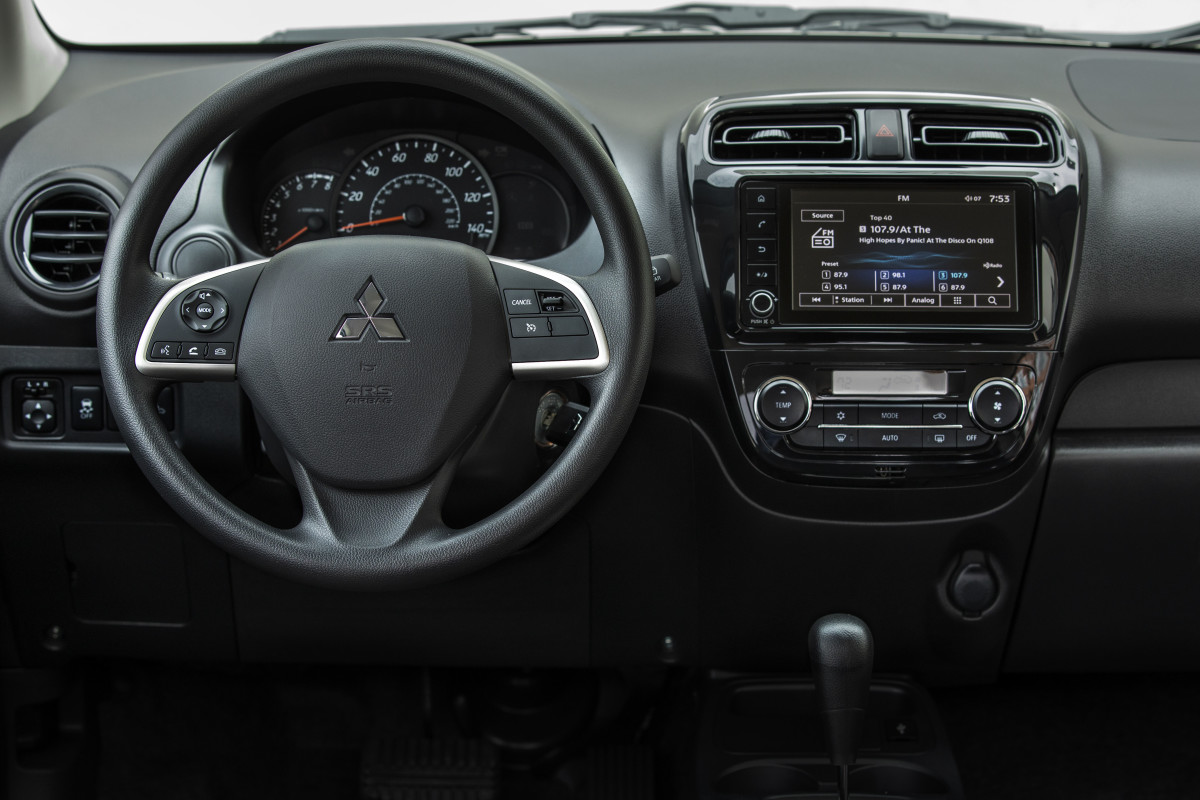
There was nothing remotely flashy about the Mirage, and it was just basic transportation born out of necessity. However, it did come with automatic high beams, Apple CarPlay/Android Auto, automatic climate control, and even heated seats in the top SE trim. Mitsubishi finally confirmed in 2023 that the Mirage would be discontinued after 2025. When it goes, the U.S. will lose its final sub-$20,000 new car.
Toyota Yaris
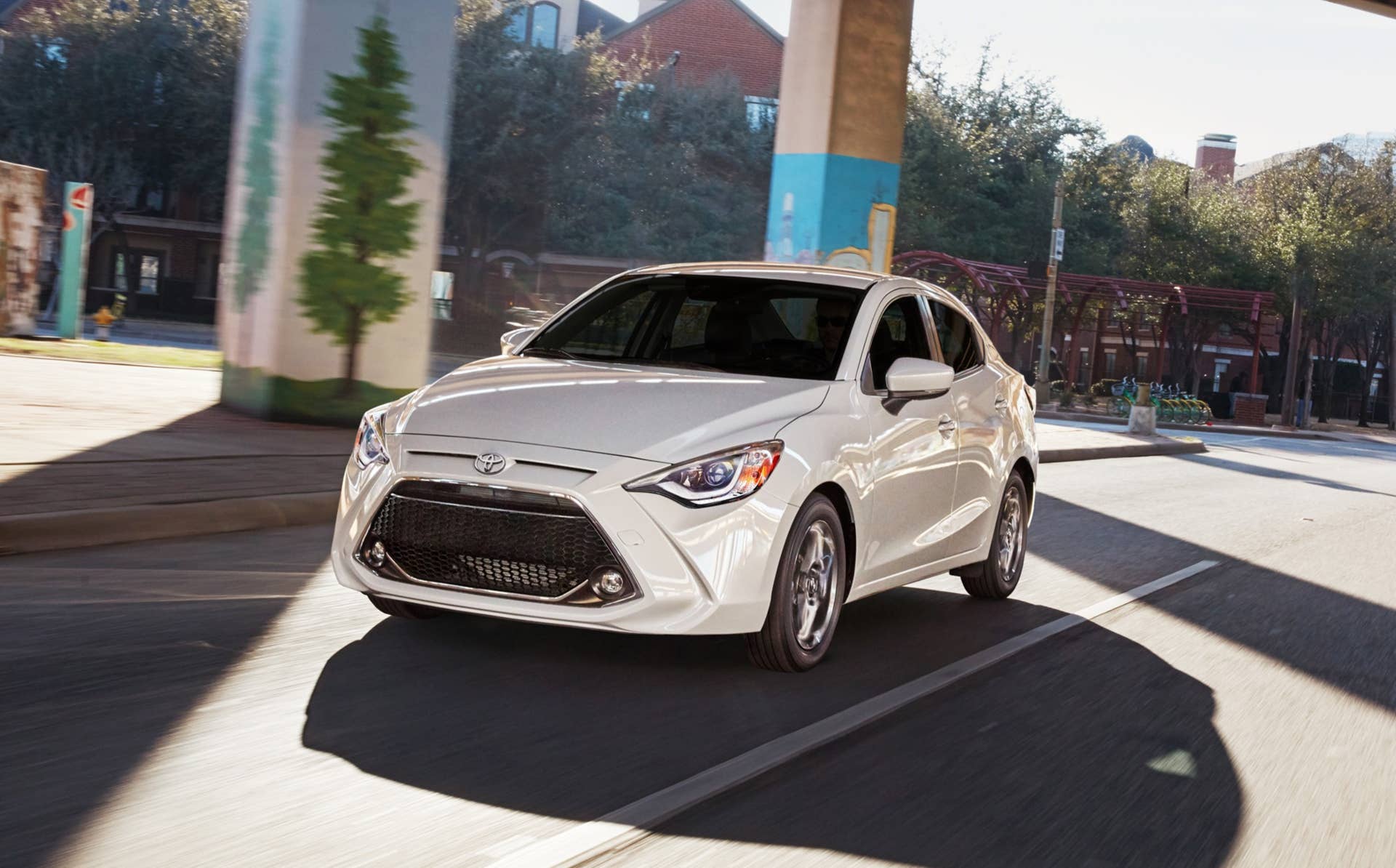
The Toyota Yaris, in both hatchback and sedan formats, had a loyal following of commuters and urban drivers who wanted bulletproof reliability in a small, easy-to-park package. But the last iteration of the Yaris, rebadged from the Mazda2, never quite caught on. It handled well and offered a rather nice feeling interior, yet it was too small and too expensive for what it was. Even Toyota fans preferred spending a few thousand more for the Corolla, which offered more space, more power, and a stronger resale value.
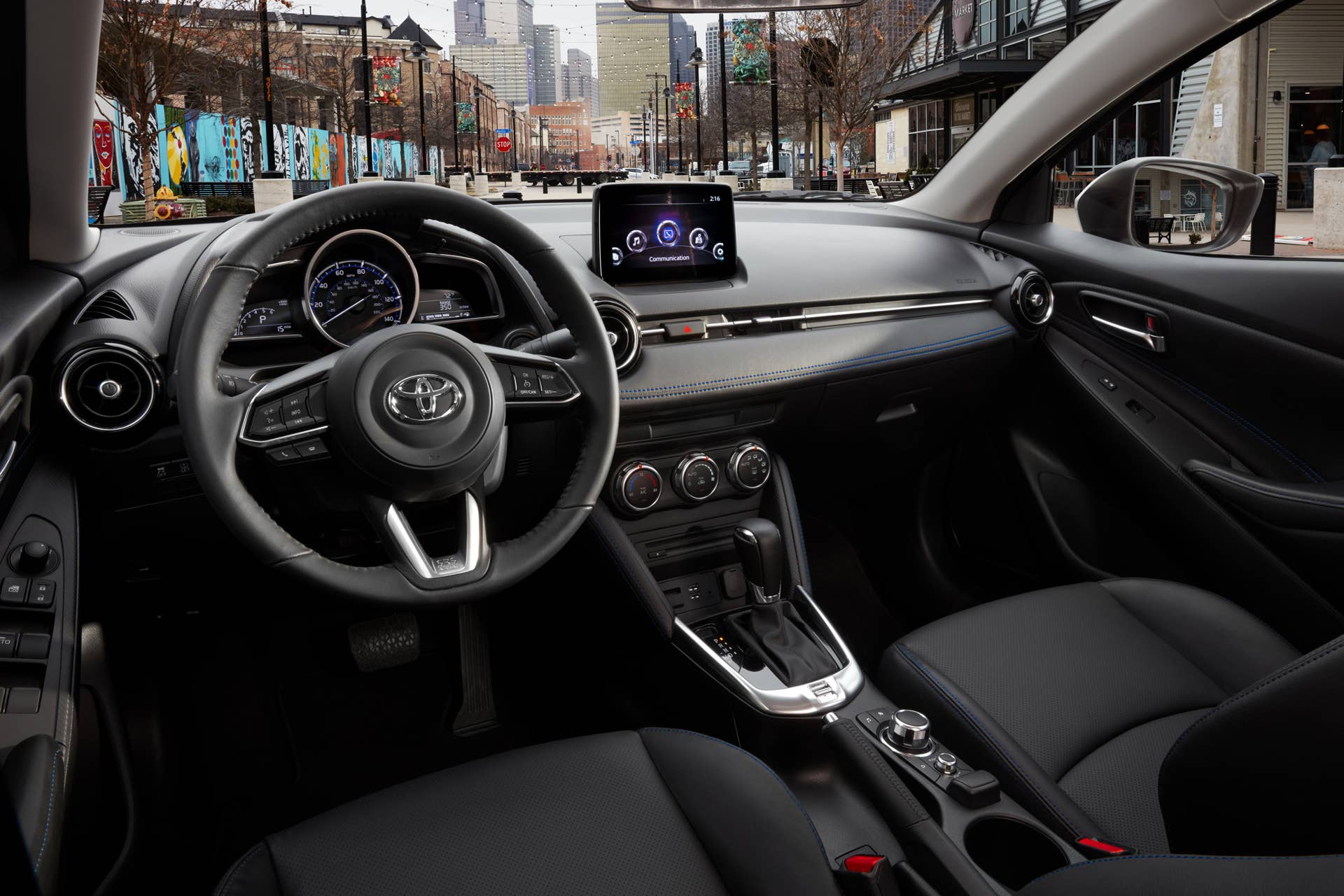
Toyota pulled the plug on the Yaris in North America back in 2020 because small car sales were tanking, and keeping up with tougher U.S. safety and emissions rules just wasn’t worth the cost to keep the little hatchback and sedan going. The death of the Yaris meant that Toyota would no longer make subcompacts for the American market in order to focus on small crossovers like the Corolla Cross.
Final thoughts
The disappearance of these vehicles wasn’t caused by a single factor but by a convergence of trends. Buyers today want vehicles that ride high and feel substantial. Small cars are perceived as unsafe or cheap, even if modern ones are anything but. Crossovers, with their higher seating position and perceived versatility, dominate sales. It’s why vehicles like the Chevy Trax, Mazda CX-30, Hyundai Kona, and the Toyota Corolla Cross prevail in today’s market. We may never see them return, as long as the American appetite for crossovers continues to dominate.