

A shifting EV market
Electric vehicle sales surged in the third quarter of 2025, driven by a rush of buyers hoping to snag a new EV before the federal $7,500 tax credit expired at the end of September. Tesla continues to lead the pack, but a wave of competitive models from legacy automakers has started to reshape the leaderboard.
Sales data shows that Tesla’s Model Y and Model 3 still occupy the top two spots by a wide margin. However, the rest of the top ten tells a different story — one of accelerating momentum among traditional brands that just a few years ago were struggling to gain traction in the EV space.
Some companies, like Hyundai and Chevrolet, have found success with affordable, well-equipped models that appeal to a broader audience. Others, like Ford and Honda, have built electric vehicles that capitalize on name recognition and brand loyalty. With the first nine months of 2025 in the books, here’s a look at which EVs are winning over American buyers and what their success says about the industry’s direction.
10. Chevrolet Blazer EV – 20,825 units
Chevrolet’s midsize electric SUV barely clung to the top ten, but it’s quietly building momentum. The Blazer EV saw modest growth in Q3, with sales up 1% over the previous quarter and a healthy 37% increase year-to-date.
Chevrolet
The model’s performance is notable given Chevrolet’s renewed push into mainstream EVs. Positioned above the smaller Equinox EV, the Blazer EV targets customers who want more space and a sportier look without venturing into luxury territory. With production now stabilized and dealership inventory improving, Chevy could see even stronger numbers heading into the final quarter.
9. Tesla Cybertruck – 22,100 units (estimated)
Tesla’s stainless steel pickup continues to turn heads, but sales have cooled off. After a buzzy launch period, the Cybertruck slipped in the ranks, with an estimated 7,100 units sold in Q3 — down nearly 30% from Q2.
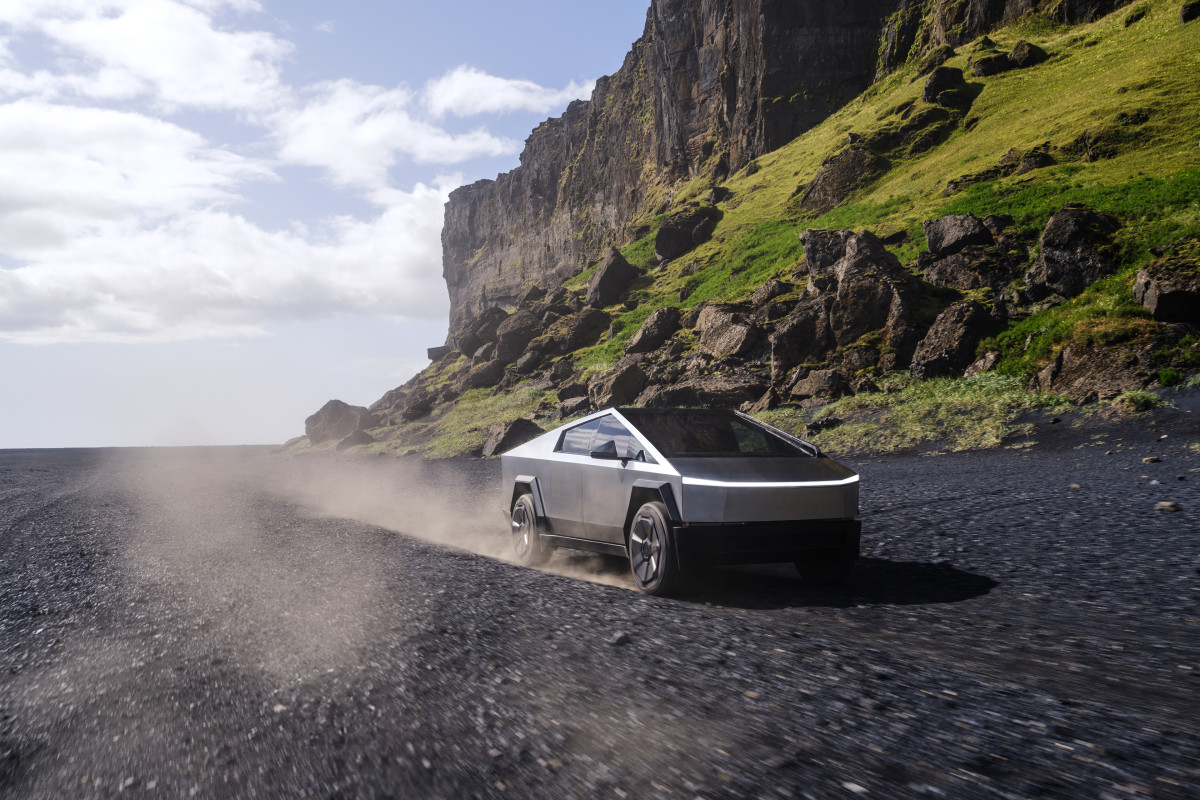
The truck’s polarizing design and limited production capacity may be to blame, though Tesla still maintains year-to-date growth of 16%. While the Cybertruck remains a status symbol among early adopters, it hasn’t yet cracked the mainstream the way the Model 3 and Model Y did.
8. Volkswagen ID.4 – 22,125 units
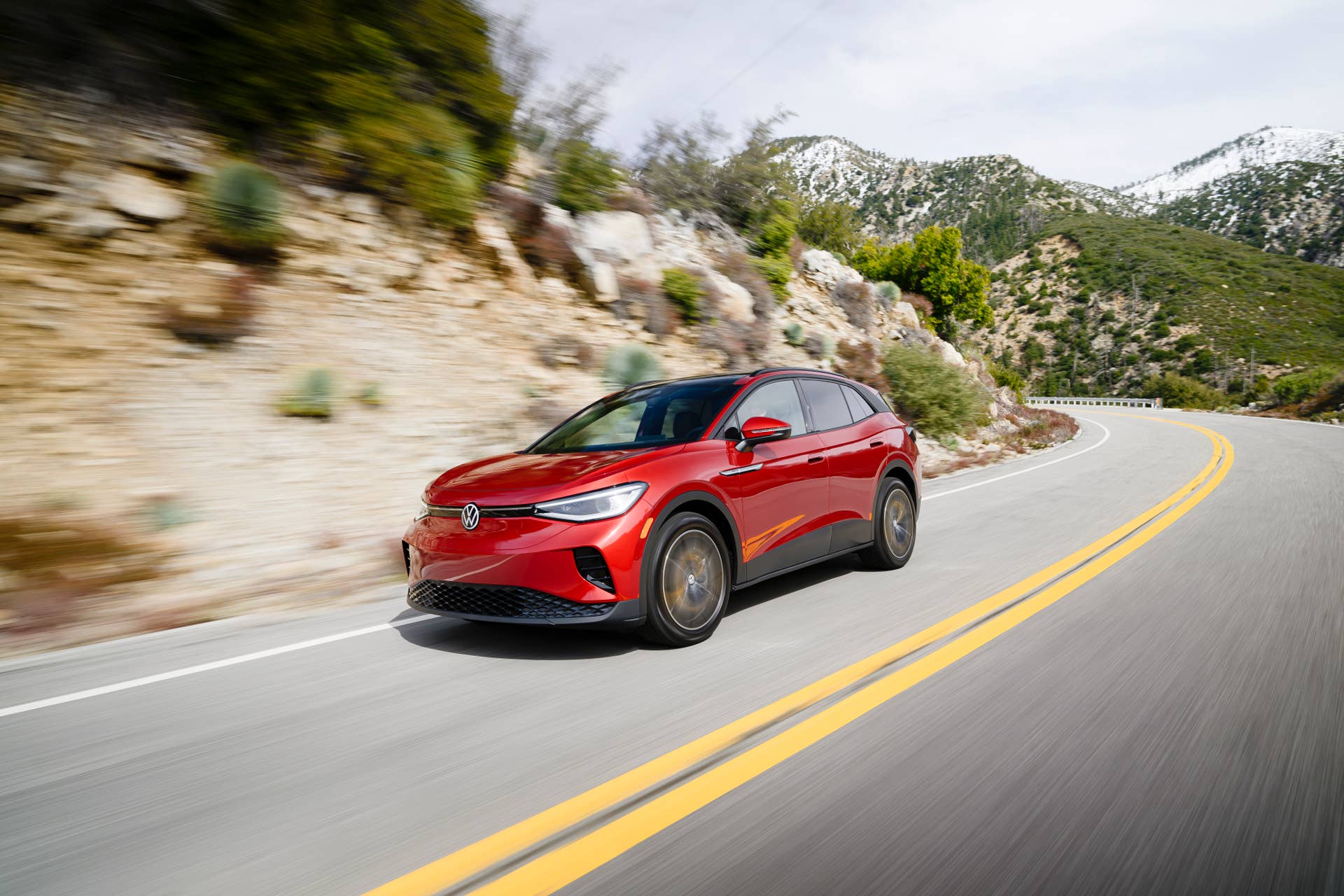
After vanishing from the top ten earlier this year, the ID.4 is back with a vengeance. Volkswagen’s compact SUV sold 12,470 units in Q3, a huge rebound that already puts it ahead of its total 2024 sales.
Volkswagen
The ID.4’s return to form coincides with software improvements and faster U.S. assembly at VW’s Chattanooga plant. With buyers increasingly prioritizing price and practicality over extreme performance, the ID.4’s combination of range, comfort, and modest cost is hitting the sweet spot.
7. Ford F-150 Lightning – 23,034 units
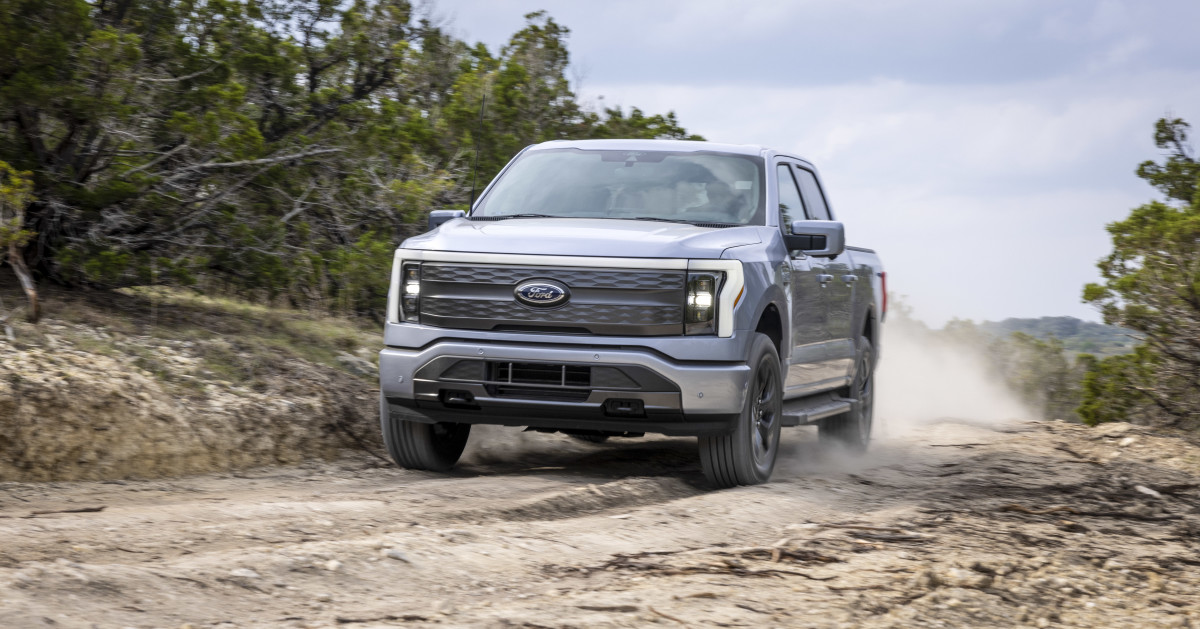
Ford’s electric pickup remains America’s best-selling full-size EV truck. The Lightning’s Q3 sales jumped 40% to 10,005 units, helping Ford climb one spot on the list.
Ford
After a rocky 2024 marked by production delays and pricing confusion, the Lightning’s stability this year suggests Ford has ironed out early issues. Its modest 1% year-to-date gain may not sound impressive, but in a segment that’s still emerging, consistency is key.
6. Honda Prologue – 36,553 units
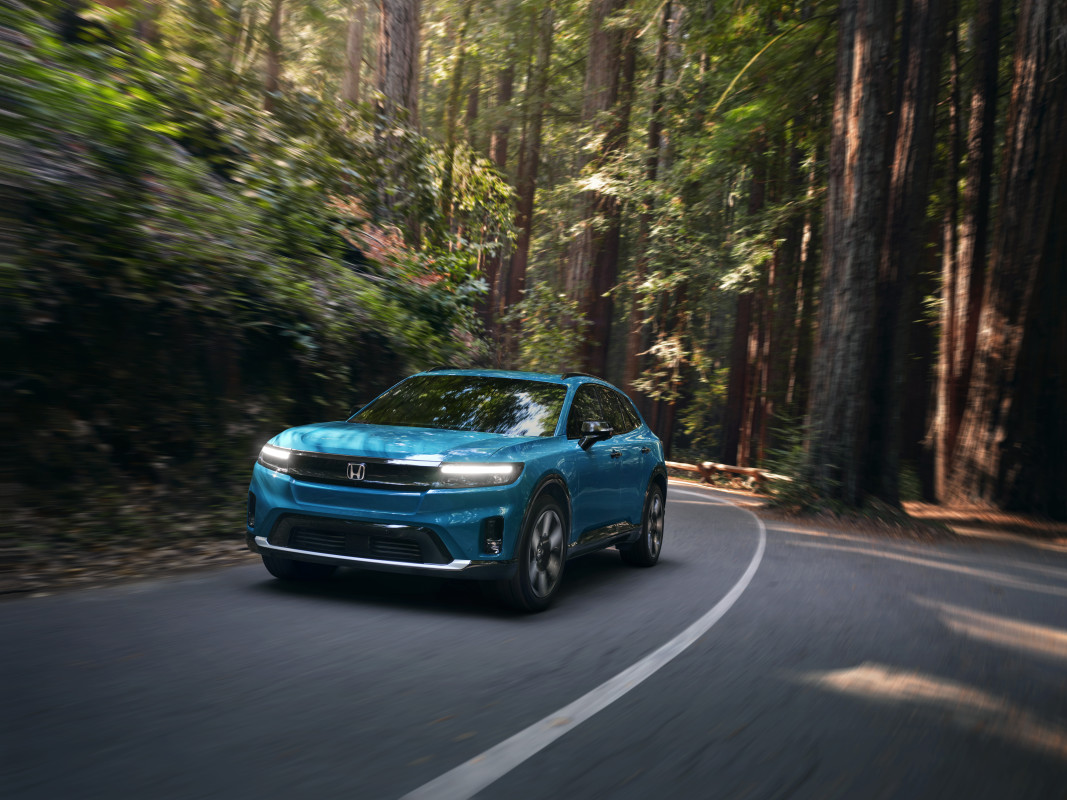
Honda’s first mass-market EV is proving to be an unexpected hit. The Prologue had its best quarter yet, with Q3 sales up 60% to just over 20,000 units.
Honda
Built on GM’s Ultium platform, the Prologue benefits from solid range and a user-friendly interface — two areas where many newcomers stumble. Its success also highlights how quickly Honda has rebounded after the quiet discontinuation of the Acura ZDX, which shared much of its underlying hardware.
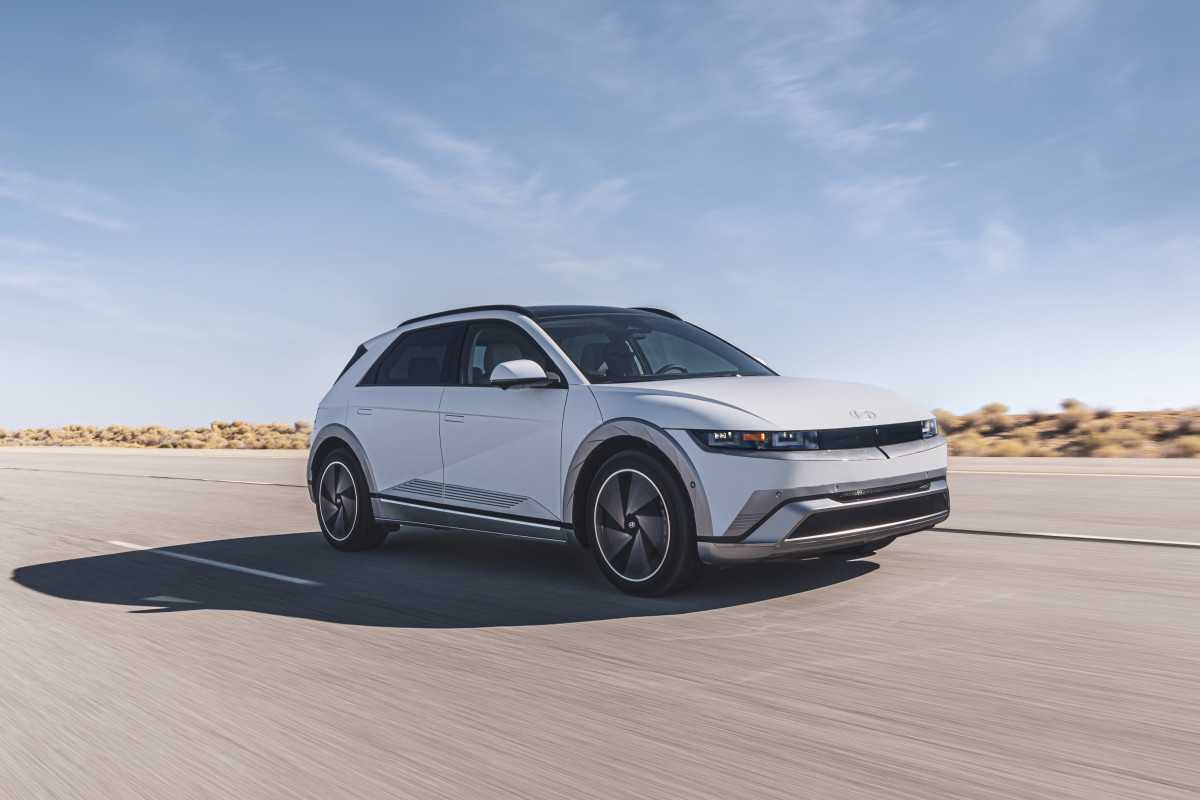
5. Hyundai Ioniq 5 – 41,091 units
Few EVs have captured as much attention as the Hyundai Ioniq 5, and 2025 is shaping up to be its biggest year yet. Sales surged 90% in Q3 as nearly 22,000 buyers took one home.
Hyundai
Hyundai’s retro-futuristic hatchback has benefited from a recent refresh, improved range, and substantial price cuts announced for the 2026 model year — some as steep as $9,800. Those changes seem to have reignited interest in a vehicle that was already praised for its design and technology.
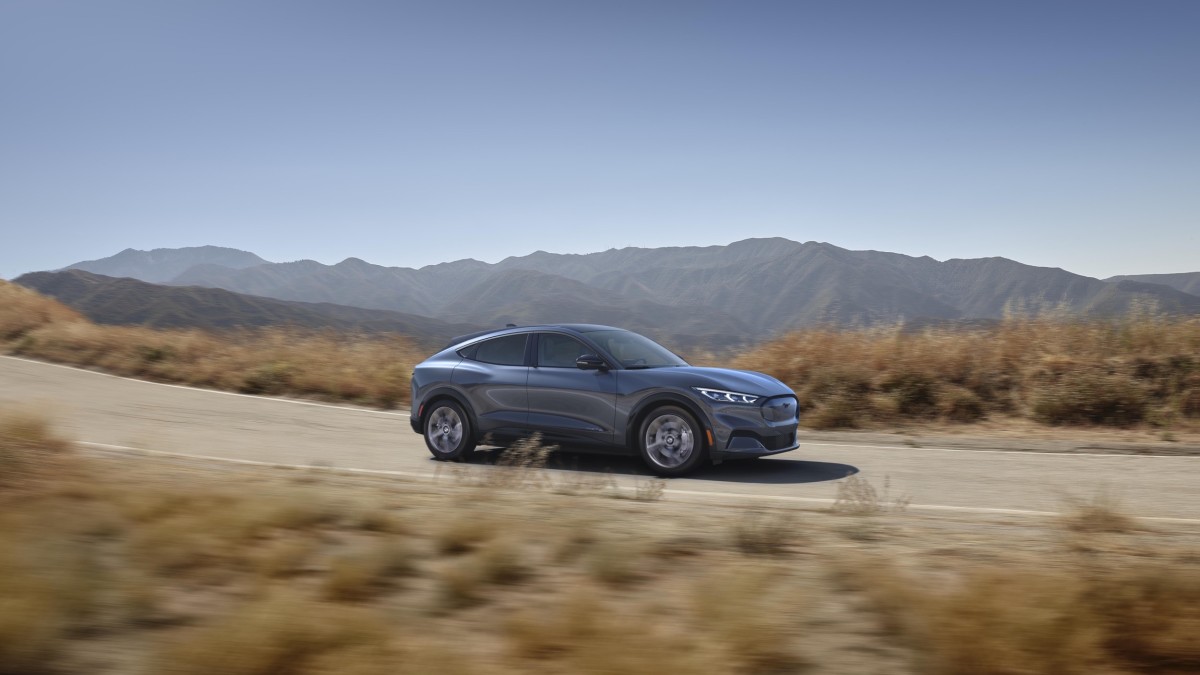
4. Ford Mustang Mach-E – 41,962 units
Ford’s sporty electric crossover continues to hold its own near the top of the charts. The Mach-E retained fourth place with a 51% sales bump in Q3 and an 18% increase year-to-date.
Ford
The lineup’s expansion, including the rugged Mach-E Rally, has broadened its appeal. While it can’t match Tesla’s performance or range, the Mach-E’s strong brand identity and recent price adjustments have helped it remain a solid seller amid fierce competition.
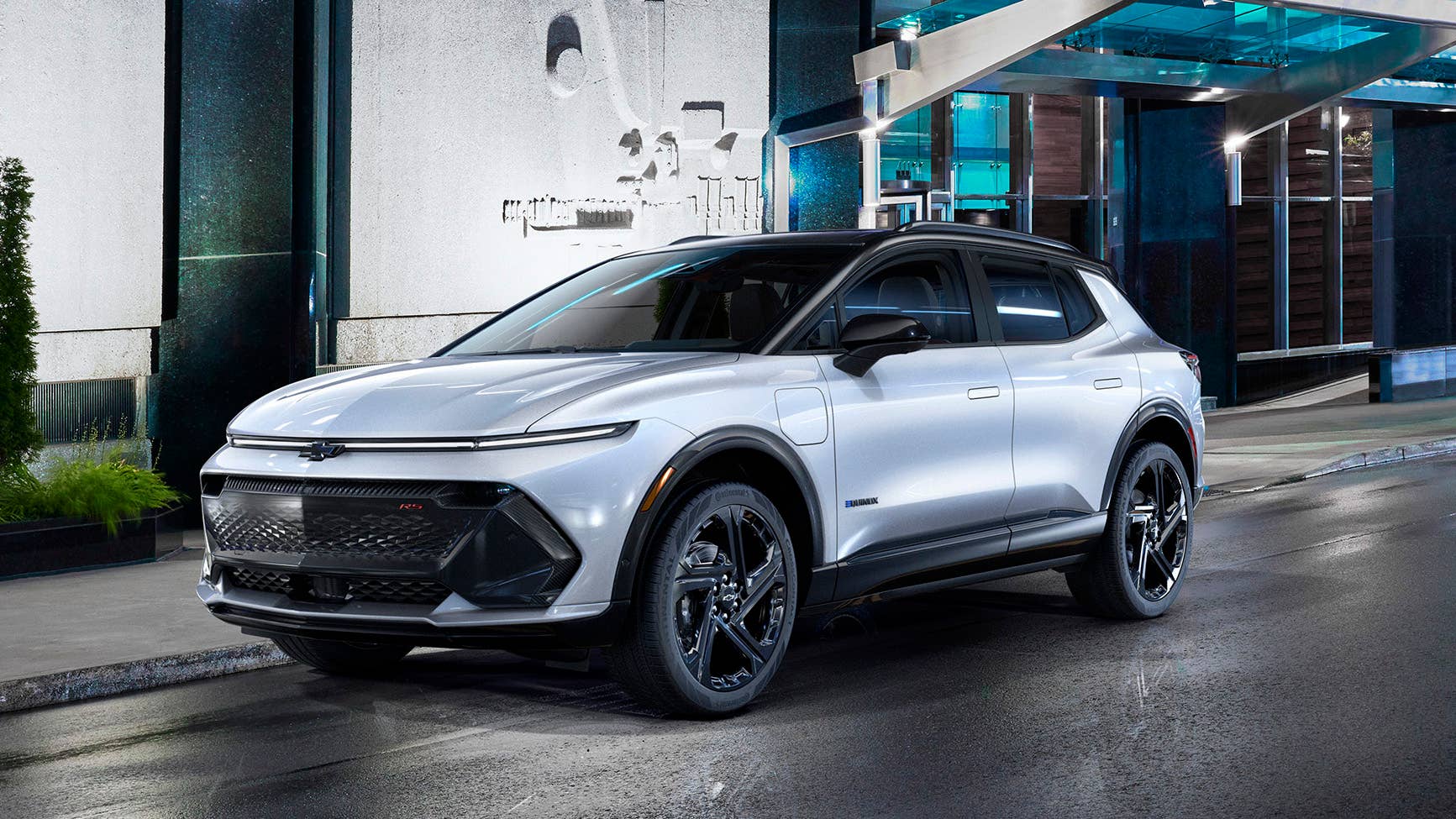
3. Chevrolet Equinox EV – 52,834 units
Chevy’s compact Equinox EV has been a breakout success — and it’s now America’s best-selling non-Tesla electric vehicle. Sales soared 157% in Q3, with more than 25,000 units sold in the quarter alone.
Chevrolet
Its approachable starting price, practical size, and familiar nameplate have made it a hit among first-time EV buyers. The Equinox EV also gives Chevrolet a crucial foothold in the middle of the market, where most consumers are shopping. As production ramps up, the Equinox could become the first real threat to Tesla’s market dominance — especially if Tesla’s upcoming models continue to face delays.
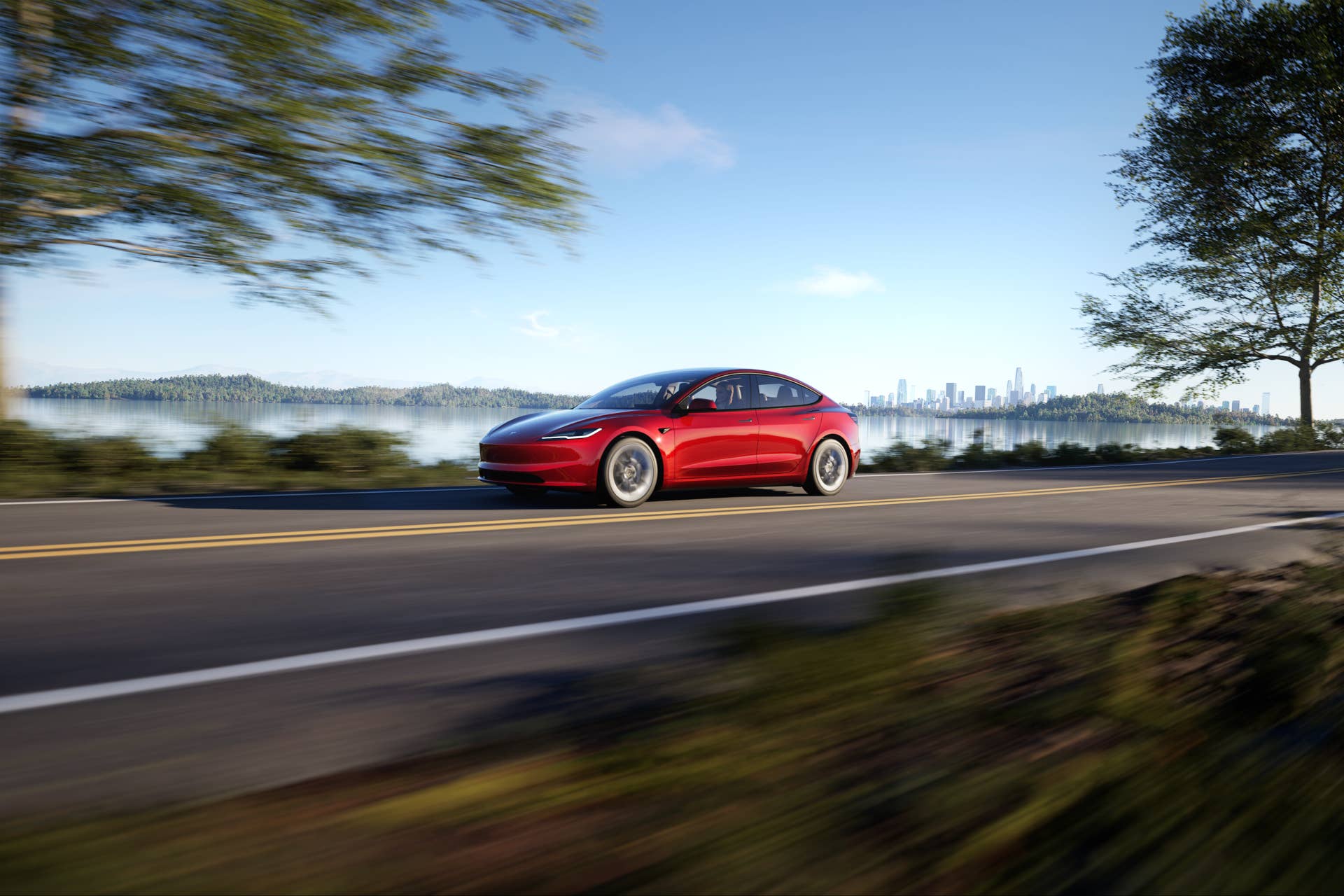
2. Tesla Model 3 – 130,700 units (estimated)
The Model 3 continues to anchor Tesla’s lineup, with Q3 sales climbing 31% to an estimated 50,700 units. Automotive News estimates the sedan’s total sales are up 27% year-to-date.
Tesla
Its recent facelift, which brought refined styling and a quieter interior, has kept it relevant in an increasingly crowded field. Even as competitors close in on price and performance, the Model 3 remains the go-to EV for buyers who want Tesla’s tech without the bulk of an SUV.
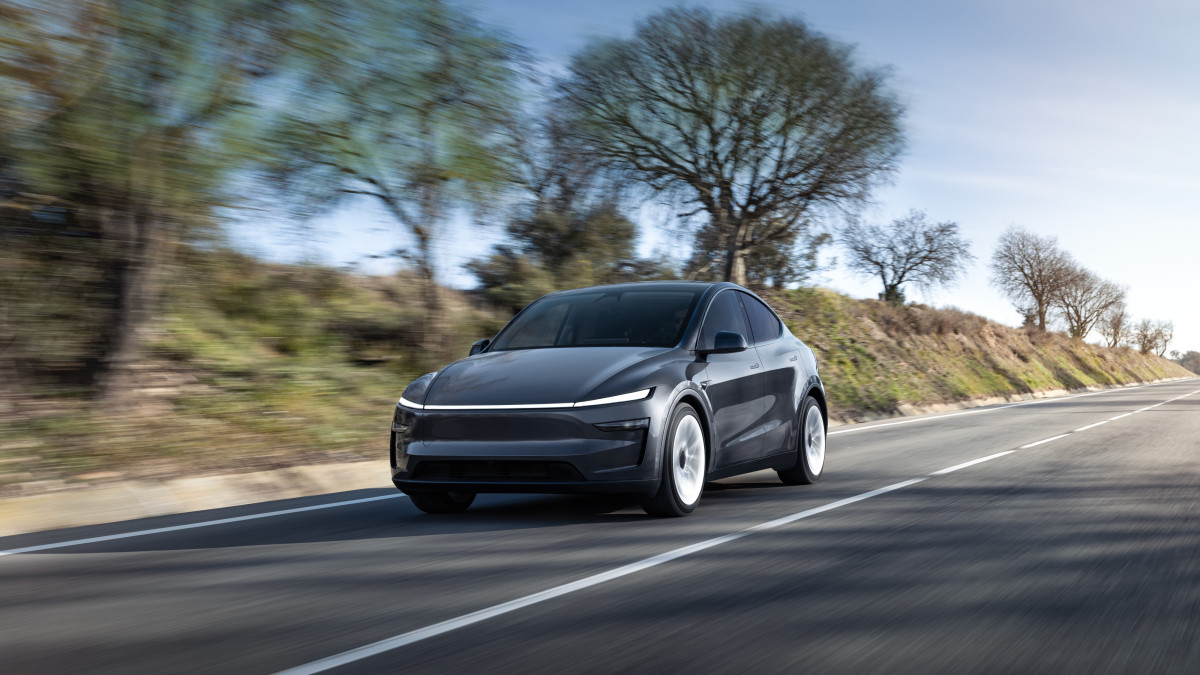
1. Tesla Model Y – 232,000 units (estimated)
No surprises here — Tesla’s Model Y is still America’s EV king. The crossover has dominated the market for years, and even with a 20% year-over-year decline in Q3, it’s outselling every rival by a wide margin.
Tesla
That said, its 23% year-to-date drop compared to 2024 signals something new: the first real signs of Tesla fatigue. As more automakers introduce attractive alternatives with better interiors, fresh styling, and lower prices, the Model Y’s once unassailable lead is beginning to erode.
Final thoughts
Tesla’s grip on the EV market remains strong, but cracks are starting to form. Both the Model Y and Model 3 still tower over competitors, yet their slowing growth suggests the brand’s dominance may have peaked. Meanwhile, legacy automakers are finding their stride. Chevrolet’s Equinox EV is proving that affordability and familiarity can drive volume, while Hyundai and Ford are finally seeing the payoff from years of investment in electric platforms.
The expiration of the federal EV tax credit gave the market a short-term jolt, but the long-term picture will depend on how effectively automakers can keep prices competitive and maintain supply. If 2025’s sales trends continue, 2026 could mark a major turning point.