

Subcompact crossovers win buyers on efficiency and easy size, but cargo can quietly separate them. Honda’s HR-V and Subaru’s Crosstrek take different routes to the same slice of the market, one chasing interior room and the other all-weather grip.
Honda
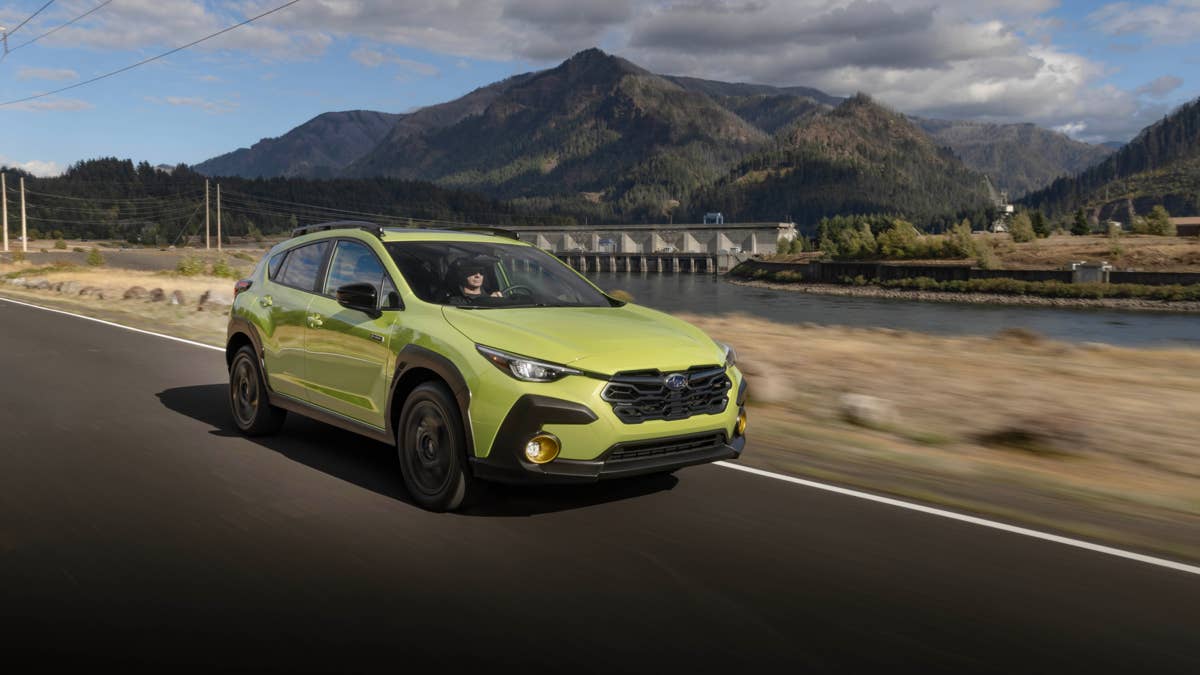
Look at the HR-V next to the Crosstrek, and you are choosing between comfort-first packaging and trail-ready hardware. Honda leans toward maximizing interior room and easy urban livability, while Subaru emphasizes capability and all-weather security. That split shows up in the cargo numbers, where the HR-V takes a clear lead behind the seats even as the two finish in a dead heat at maximum. Here is how they compare across the board.
Subaru
Specs and pricing
| Specification | Honda HR-V | Subaru Crosstrek |
|---|---|---|
|
Engine |
2.0L I4 |
2.0L or 2.5L flat-4 |
|
Power |
158 hp |
152 to 182 hp |
|
Drive |
Front- or all-wheel drive |
Standard all-wheel drive |
|
Behind rear seats |
24.4 cu ft |
20.0 cu ft |
|
Maximum cargo |
55.1 cu ft |
54.7 cu ft |
|
Ground clearance |
About 7.3 in |
About 8.7 in |
|
Fuel economy |
Up to about 28 mpg |
Up to about 29 mpg |
|
Starting price |
About $26,000 |
About $27,000 |
Pricing is close, with both opening in the mid $20,000s, so the choice rarely comes down to dollars. It comes down to mission: Honda built the HR-V for space-efficient city and suburban use, while Subaru engineered the Crosstrek to wander off the pavement. Everything below follows from that difference.
Powertrains and performance
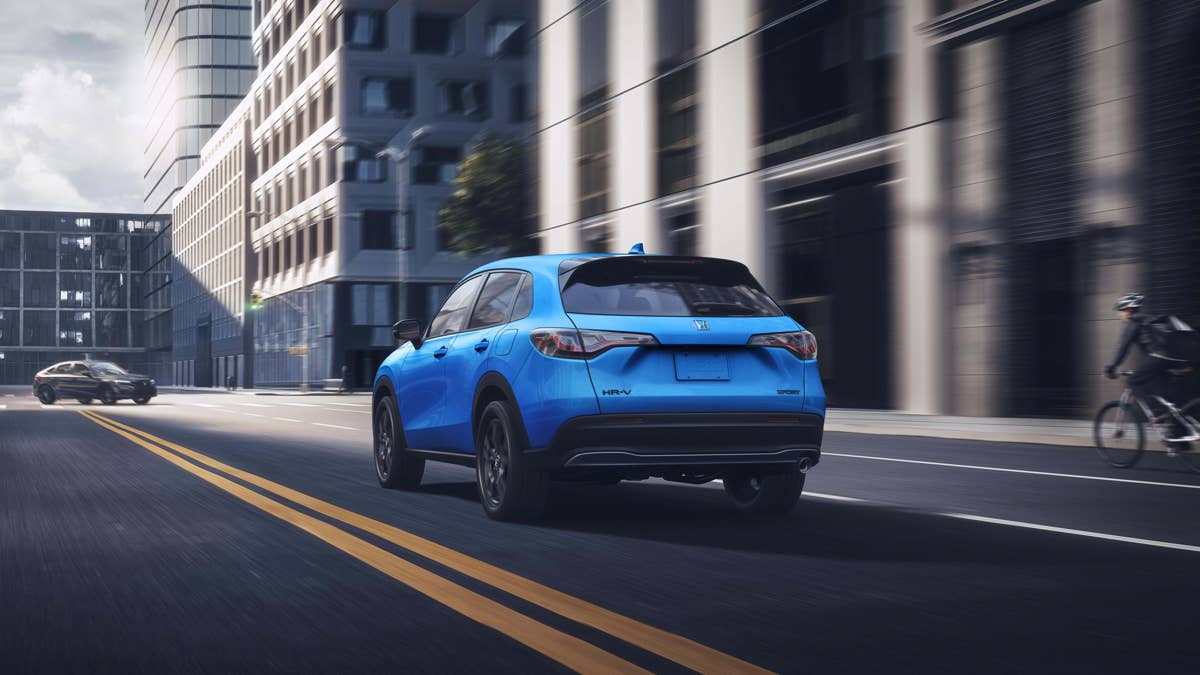
Honda fits the HR-V with a naturally aspirated 2.0-liter four making 158 horsepower, routed through a continuously variable transmission with front- or all-wheel drive. It is smooth and refined but leisurely, happiest around town rather than in a hurry. Subaru offers the Crosstrek with either a 2.0-liter flat-four making 152 horsepower or a stronger 2.5-liter with 182, also through a CVT, and every version comes with standard symmetrical all-wheel drive. The 2.5-liter Crosstrek is the noticeably peppier of these two vehicles, particularly on highway merges and grades.
Honda
Neither is quick, and both prioritize easy manners and efficiency over pace, returning fuel economy in the high 20s to around 30 mpg combined. For the daily commuting and errand duty these crossovers are built for, each has enough, though buyers who want a little more urgency will appreciate the Crosstrek’s available larger engine.
Cole Attisha
How they drive
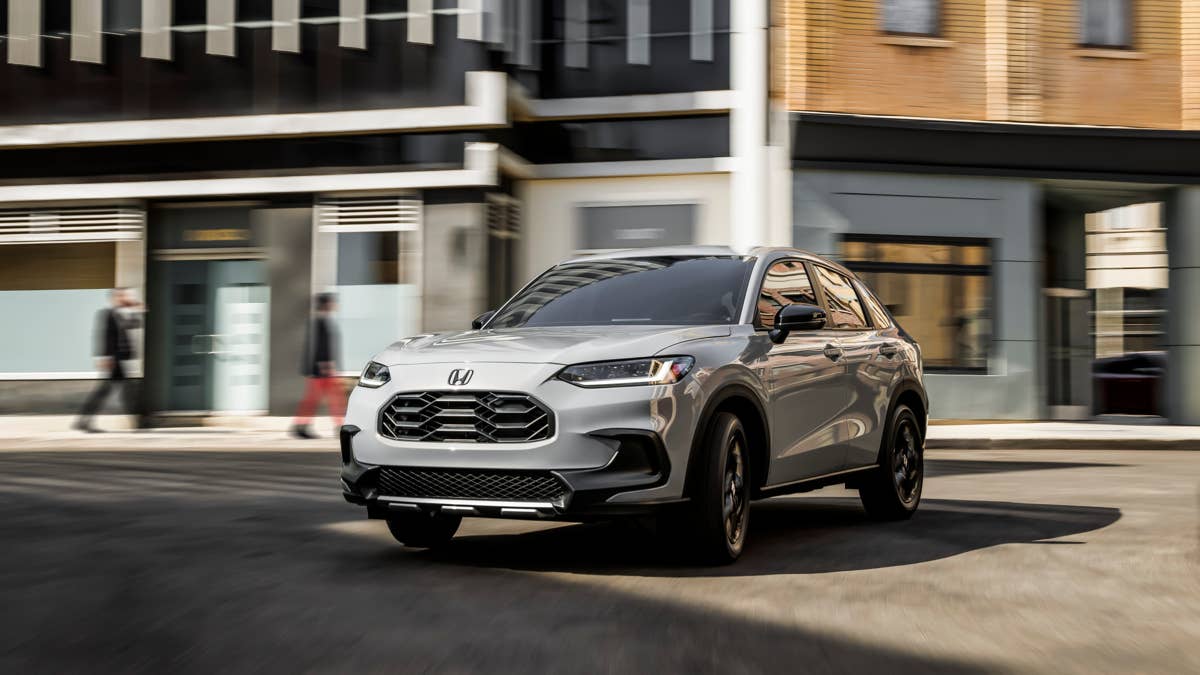
On pavement, the HR-V is the more polished of the pair, with a quiet cabin, a comfortable ride, and composed, car-like handling that suits city streets and highways alike. It sits lower and feels more like a tall hatchback than a rugged SUV.
Honda
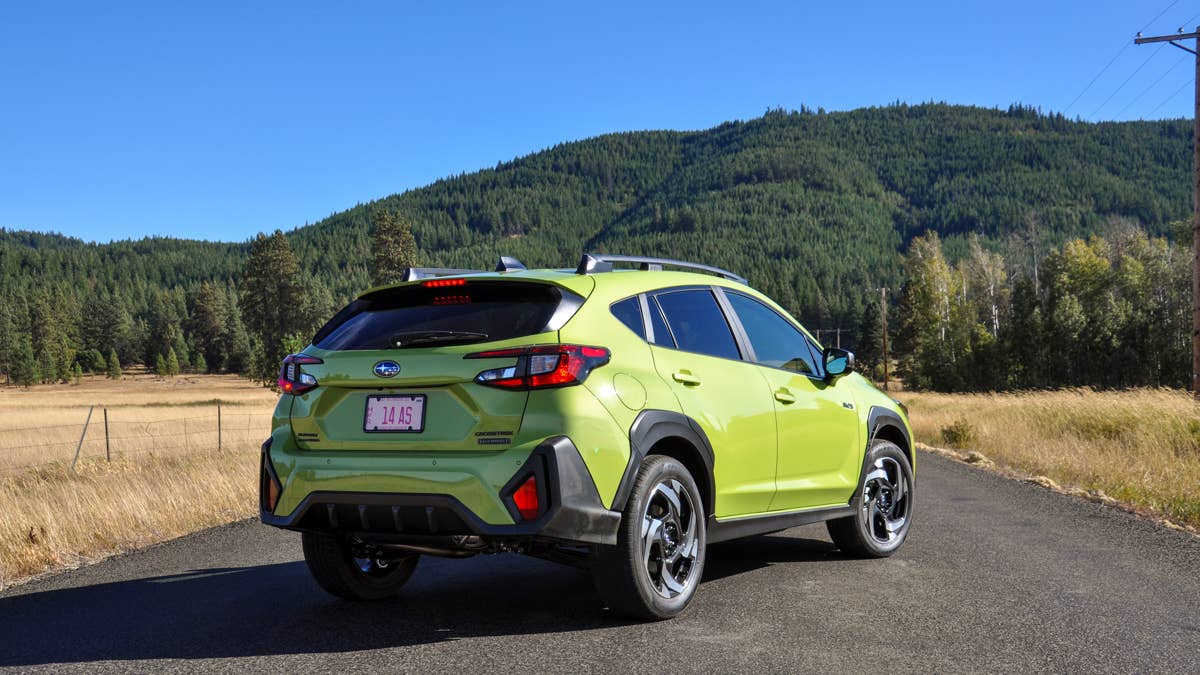
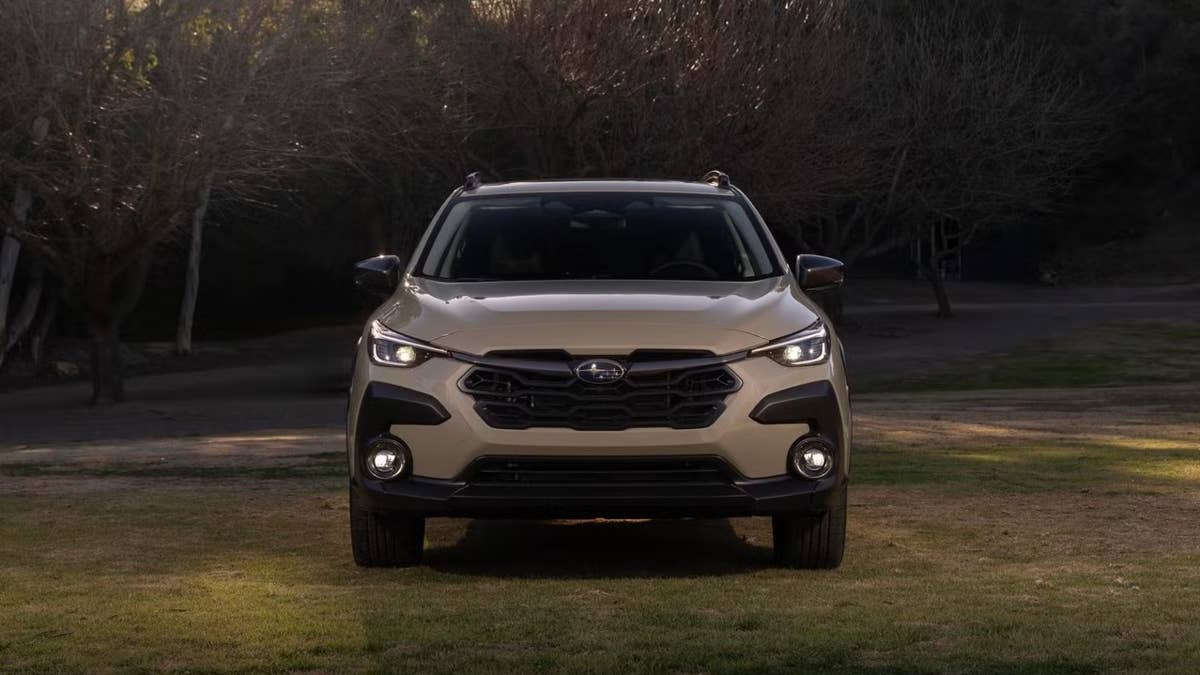
Subaru takes the opposite approach. With about 8.7 inches of ground clearance, standard all-wheel drive, and an X-Mode system for slippery surfaces, the Crosstrek genuinely handles light trails, snow, and unpaved roads that would give the lower HR-V pause. That capability comes with a slightly higher seating position and a touch more road noise, but for buyers who venture off the beaten path or face real winters, it is a meaningful advantage that has nothing to do with cubic feet.
Subaru
Cargo and everyday space
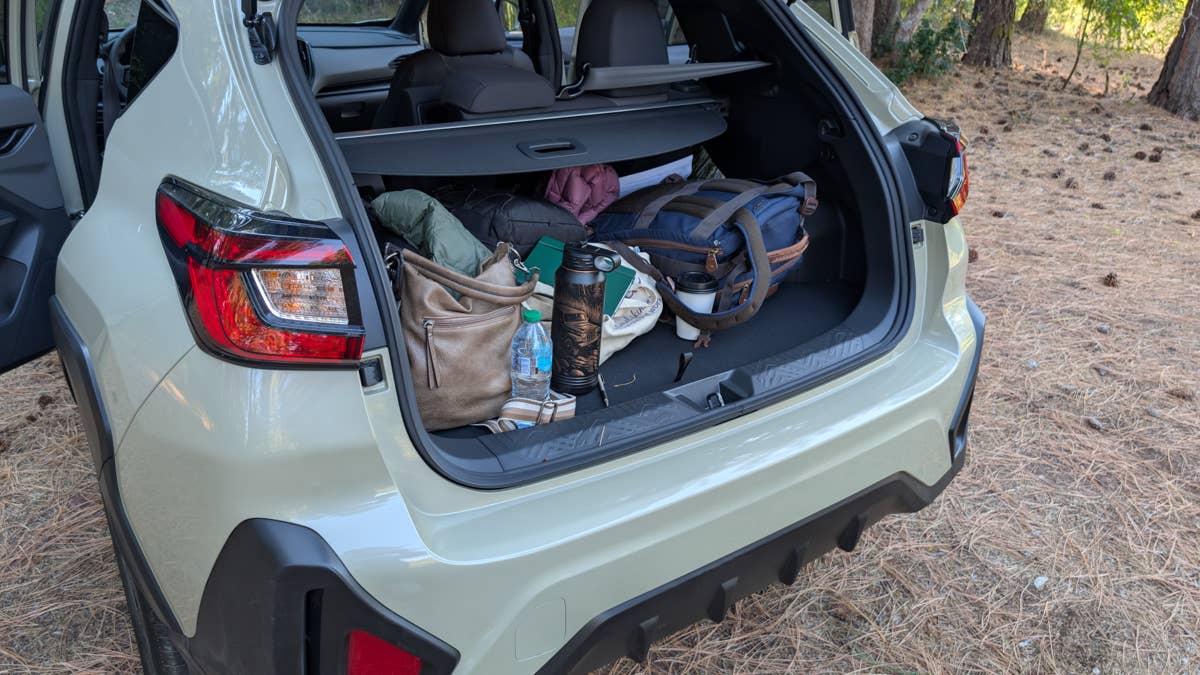
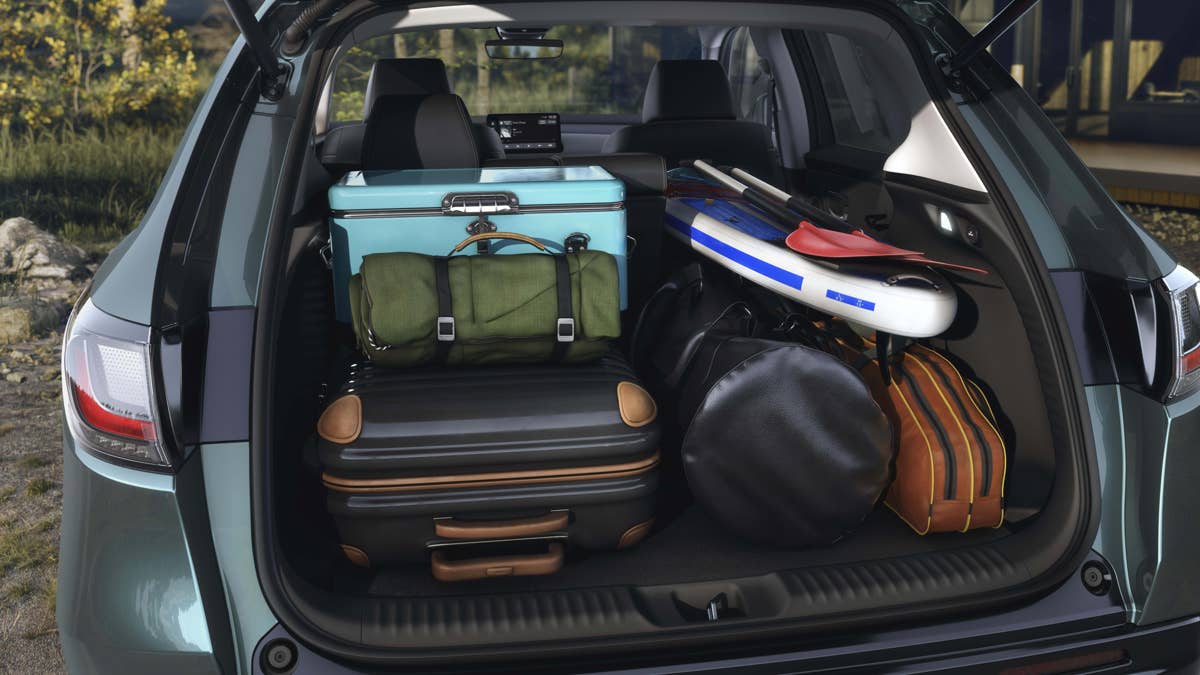
Cargo is the heart of this matchup, and the HR-V wins where it matters most. With the rear seats up, it offers 24.4 cubic feet behind the second row against the Crosstrek’s 20.0, a margin of more than four cubic feet that is genuinely noticeable when loading groceries, luggage, or gear with passengers aboard. That is the configuration owners live in day to day, and Honda’s more space-efficient body gives it a real, usable edge.
Kristen Brown
Fold the seats, though, and the contest evaporates. The HR-V tops out at 55.1 cubic feet of maximum volume, while the Crosstrek sits right behind at 54.7, a difference of less than half a cubic foot that no owner would ever detect. Passenger room favors the Honda slightly, with a roomier back seat, while the Subaru’s boxier tail suits bulky outdoor gear. Buyers who mostly fold the seats flat can call maximum capacity a wash and weigh the rest of the package.
Honda
Interior, features, and value
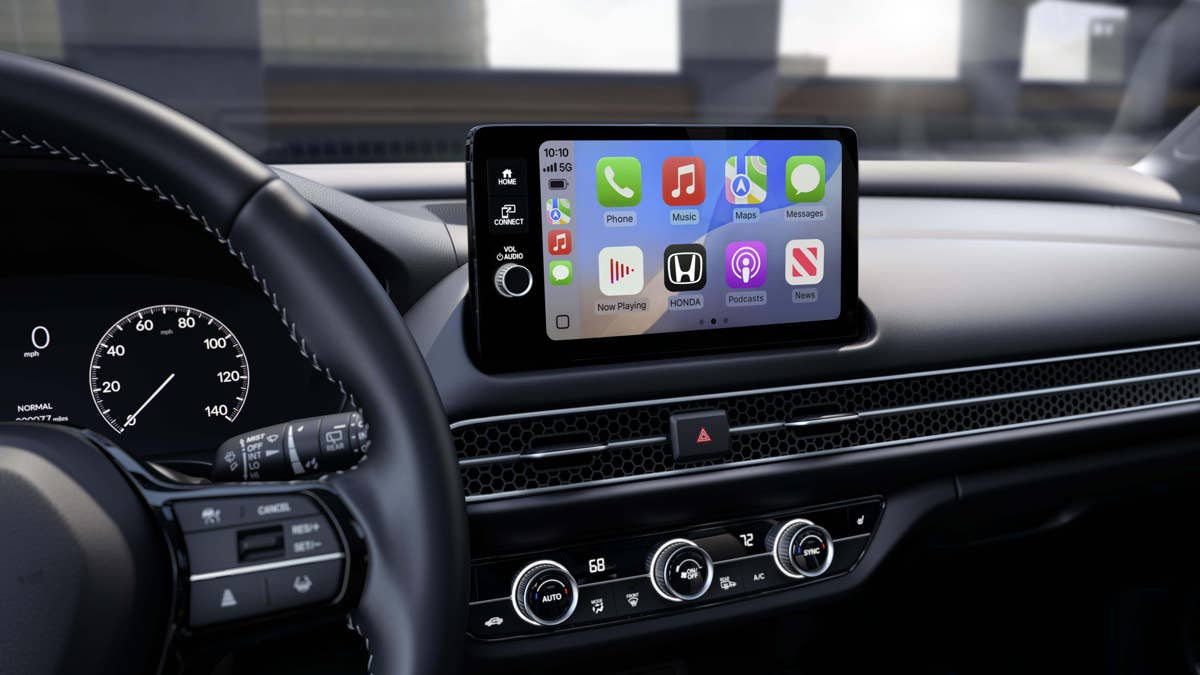
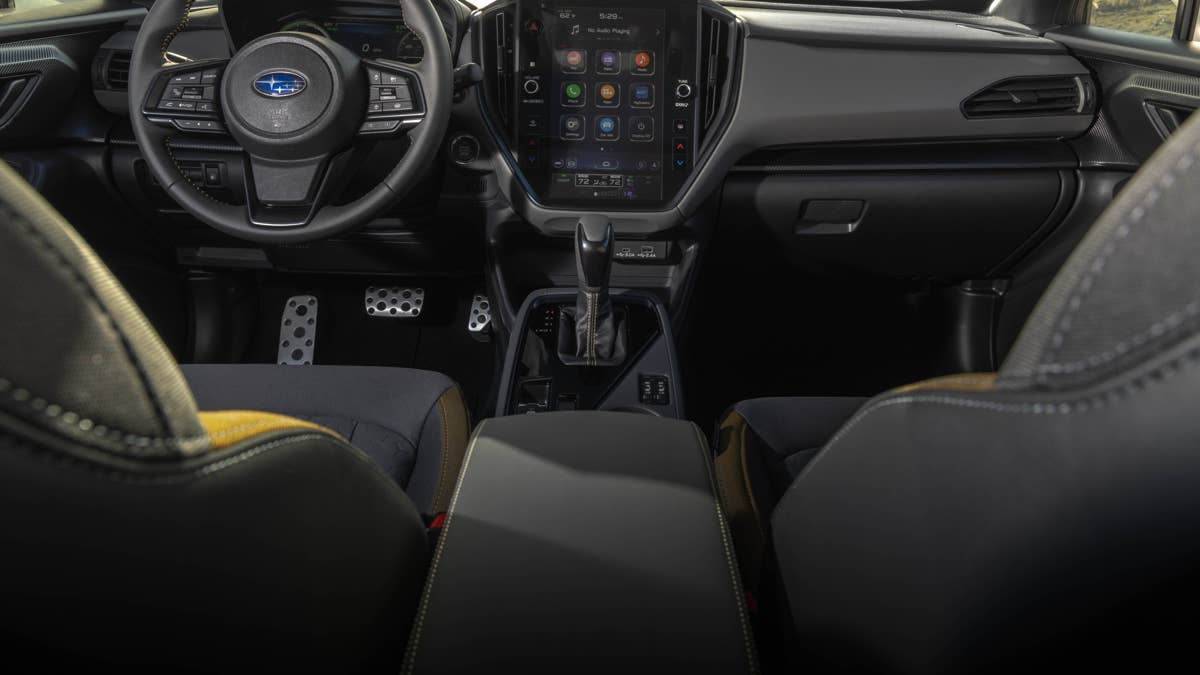
Inside, the HR-V offers a clean, comfortable, and quiet cabin with simple controls and a roomy rear seat, making it an easy companion for urban and suburban life. Subaru’s Crosstrek counters with a more rugged, adventure-minded interior, generous standard driver aids, and Subaru’s well-earned reputation for safety and all-weather durability, all of which feed its famously strong resale value.
Honda
Value is close on paper given the similar pricing, so it comes down to what each buyer needs. Honda makes the more sensible pick for those who prize interior room, refinement, and around-town ease, while Subaru is the clear choice for anyone who wants standard all-wheel drive and the ability to leave the pavement now and then.
Subaru
So which one has more cargo space?
Honda’s HR-V has more cargo space. It leads the Crosstrek by more than four cubic feet behind the rear seats, 24.4 to 20.0, which is the configuration owners use most, so it earns the win. Maximum volume is effectively tied at around 55 cubic feet, so the Honda’s edge is about everyday usable room rather than outright capacity. Subaru’s Crosstrek stays right with it at maximum and counters with standard all-wheel drive and more ground clearance, which will matter more than cargo to plenty of buyers. But on the specific question of cargo room, the HR-V’s advantage behind the seats gives it the nod.