

Acura’s Ohio production plants are ready to build EVs, ICE, and hybrids on one line
It wasn’t long ago that Acura announced its plans to skip right over hybrids and go straight to an all-electric lineup, with a target of 60 percent battery-electric vehicles by 2030. However, as the market shifted and demand for EVs relaxed in North America, parent company Honda did too.
Acura
Now, Honda director and senior managing executive officer Katsushi Inoue says the automaker is planning to increase hybrid and ICE models to meet the needs of its customers. Honda already has a strong stable of hybrid vehicles like the CR-V, Accord, and Civic, and the hybrid Acura NSX is a formidable example of what is possible, even if it was discontinued in 2021. The newest direction may look like a detour, but it’s more like a lane change.
“The road has changed, but the destination is the same,” Acura says
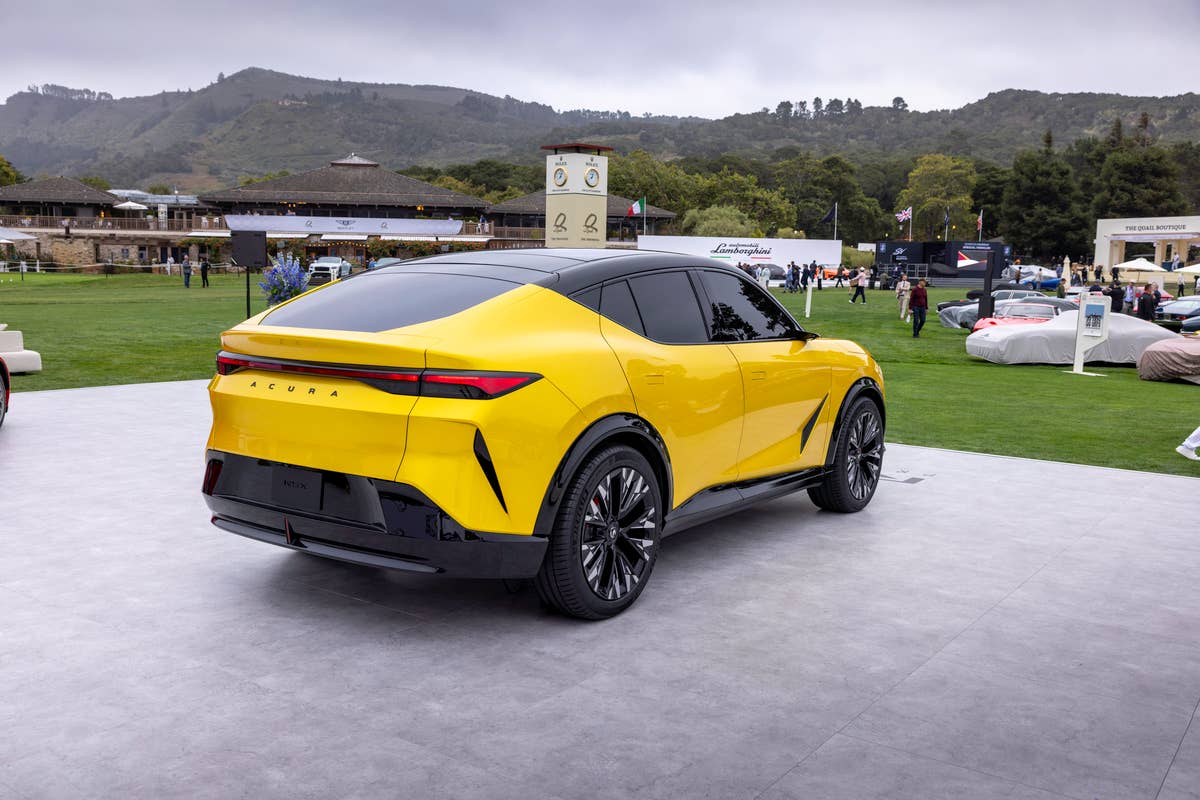
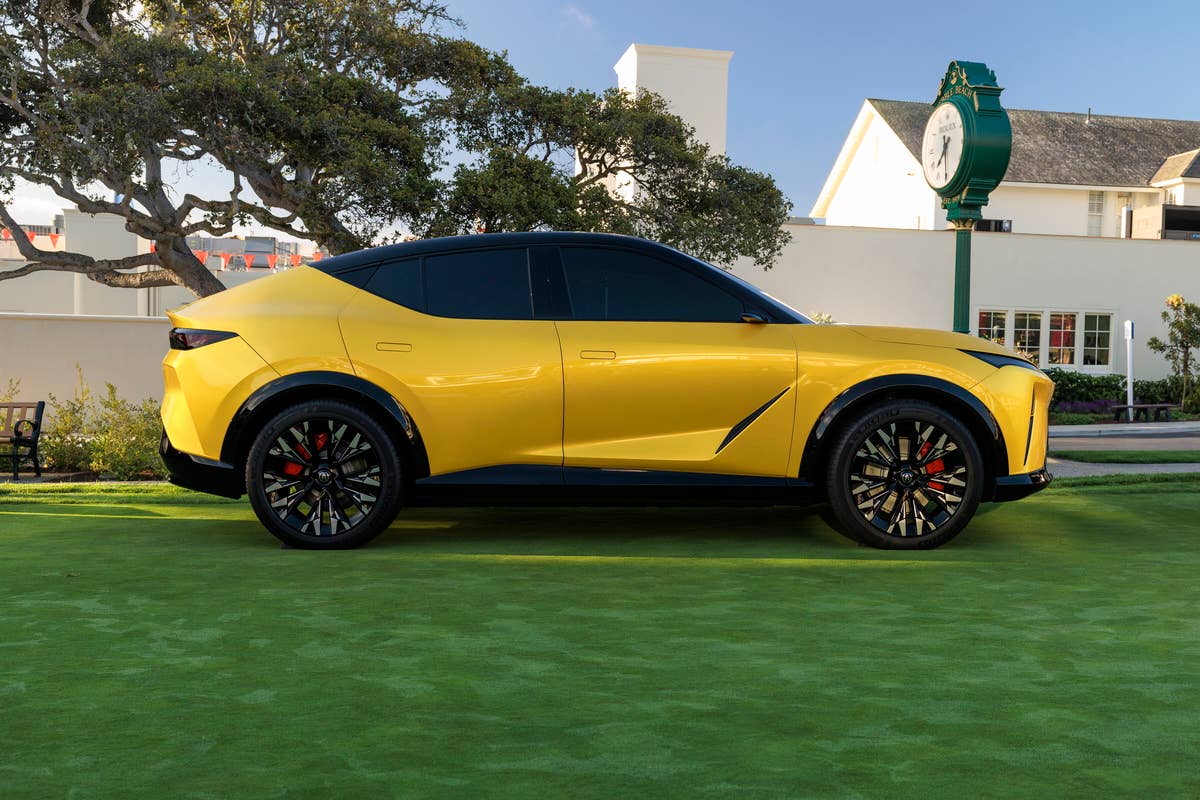
Along the route, Acura showcased its already-developed RSX EV prototype, the first all-electric vehicle built solely on the brand’s in-house platform, at Monterey Car Week. The RSX EV will be the first model produced at the new Ohio EV plant and will be built on the same line as the gas-powered Integra. The model is poised to do well for Acura, equipped with Honda’s new ASIMO OS operating system that will offer over-the-air updates for a steady stream of customization options.
President, CEO, and Director of American Honda Motor Co., Kazuhiro Takizawa, says EV adoption was much slower than expected, so the automaker changed its plan to be more flexible. Boosted by a $1 billion investment in its Marysville, Anna, and East Liberty plants in Ohio, Honda and Acura have ensured that their ICE, hybrid, and EV models can all be built on the same line, giving them the ability to adjust quickly based on customer demand.
Acura
Takizawa said in a media interview that obstacles like infrastructure challenges stil exist, and Honda is planning to solve that problem with the help of the government. However, the headwinds have changed, and the brand is tacking the sail.
“We’re not giving up,” the executive said. “We need to take careful steps in this environment, and it’s still changing. We have to be sure about all the details of the new rules; it’s still not clear.”
Final thoughts
Takizawa said Honda has a clear commitment to its future in North America, which is the most important market in the world for the brand. The ever-changing carousel of tariffs has been an unpredictable element for the automotive industry, and Honda is keeping up as best as it can.
“In recent months, the tariff situation has had a negative impact on our business,” Takizawa said during Car Week. “More than that, tariffs create uncertainty, making it more challenging to make decisions about investments in future products, technologies, and operations.”
Acura
Gradually, the CEO says, everyone will be trying to increase production in the U.S. Honda is in a unique position with a sizable investment in North American manufacturing, and has proven to be a leader in the Cars.com American Made index for the past decade. For 2025, more Honda vehicles made the top 20 than any other brand.
“Let me point out that every Acura model we sell is USMCA compliant [made entirely from materials originating in the US, Mexico, or Canada] and the all-new RSX will be built here in America too,” Takizawa says. Acura is targeting the second half of 2026 for RSX production.