

It’s a rough year to be all-electric in the U.S
Thanks to a series of tariffs, regulatory changes, and revoked rebates, the future of the electric vehicle is looking dimmer than ever to some automakers. While there are plenty of excellent choices already out there, many OEMs planned to bring new EVs to market in 2025 or early 2026 but bailed on those plans. While some EVs seemingly never got passed the initial planning stages, others lived a long (and in some cases, confusing) life before being taken out to pasture this year. Still others remain in flux—models that could still appear, but on a longer timeline than initially expected. Regardless, 2025 saw lots of changes for EVs from almost every automaker. Here are all the EVs that were killed off this year.
Audi Q8 e-tron
Audi
The Audi Q8 e-tron is one of only a handful of electric vehicles killed in 2025 that were actually somewhat scheduled to come to an end. The Q8 e-tron debuted as the e-tron way back in 2019, initially positioned as an electric option sized between the Q5 and Q7. Throughout its six-year life cycle, Audi added nearly 100 miles of range, fancy new Q8 badging, and a Sportback model. Volkswagen, Audi’s parent group, announced it would sell the Brussels factory that makes the Q8 e-tron last year. So, this was a bit of a foregone conclusion. There’s no vehicle confirmed to take the Q8 e-tron’s place.
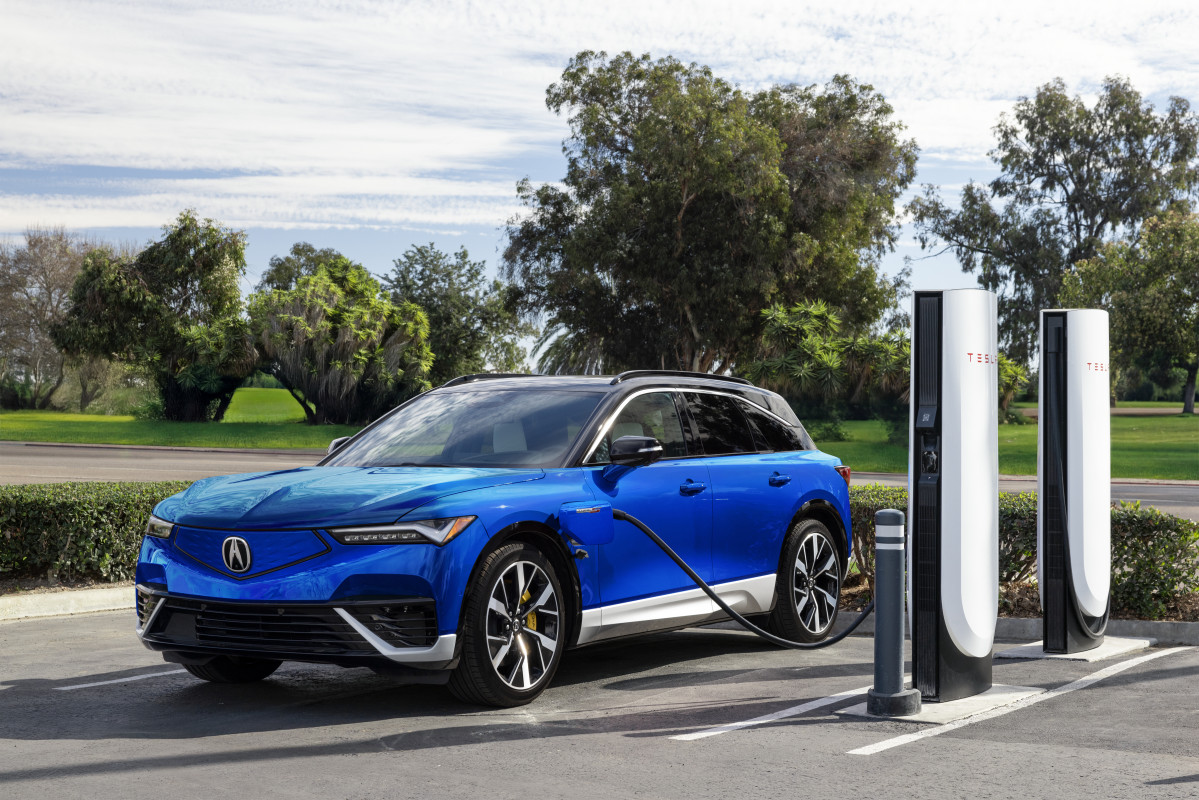
Acura ZDX
Acura
In September, Honda announced the end of the Acura ZDX, likely due to the end of the $7,500 EV tax credit. The automaker produced the ZDX for only one model year, and the SUV shared many of its parts with GM’s Cadillac Lyriq and Chevrolet Blazer EV. It also shares a lot with another fellow Honda product, the Honda Prologue. Interestingly, the latter SUV remains in production with no end in sight. The ZDX sold relatively well, although with rebates of up to $30,000 offered at some points, it’s perhaps not that surprising.
Dodge Charger R/T
Cole Attisha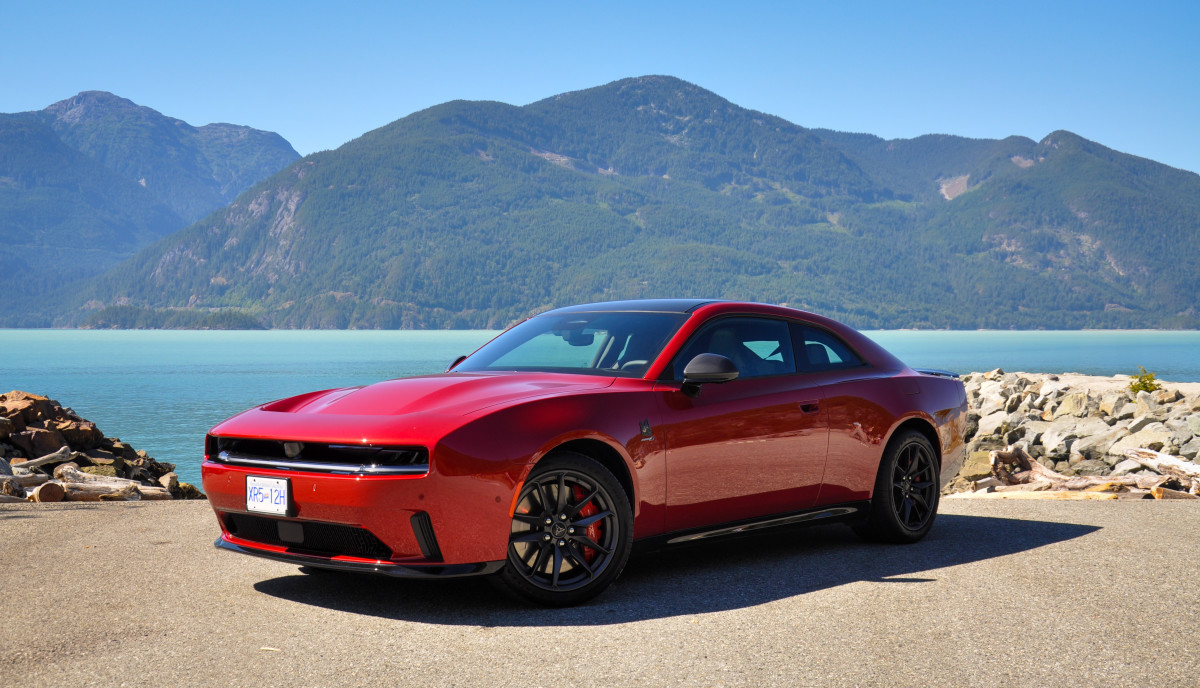
The electric Charger isn’t quite dead yet, but Dodge is shrinking the family by eliminating the “base” R/T version for 2026. Insiders have cited everything from poor sales to tariffs, and the real reason is likely a mixture of both. The Daytona Scat Pack with 670 horsepower is still available. In fact, it may even get more competitive, with sources like Mopar Insiders claiming a small price dip for 2026. While the EV Charger lost a trim, the gas-powered Sixpack might get two novel new trims, the GT and Outlaw.
Genesis Electrified G80
Genesis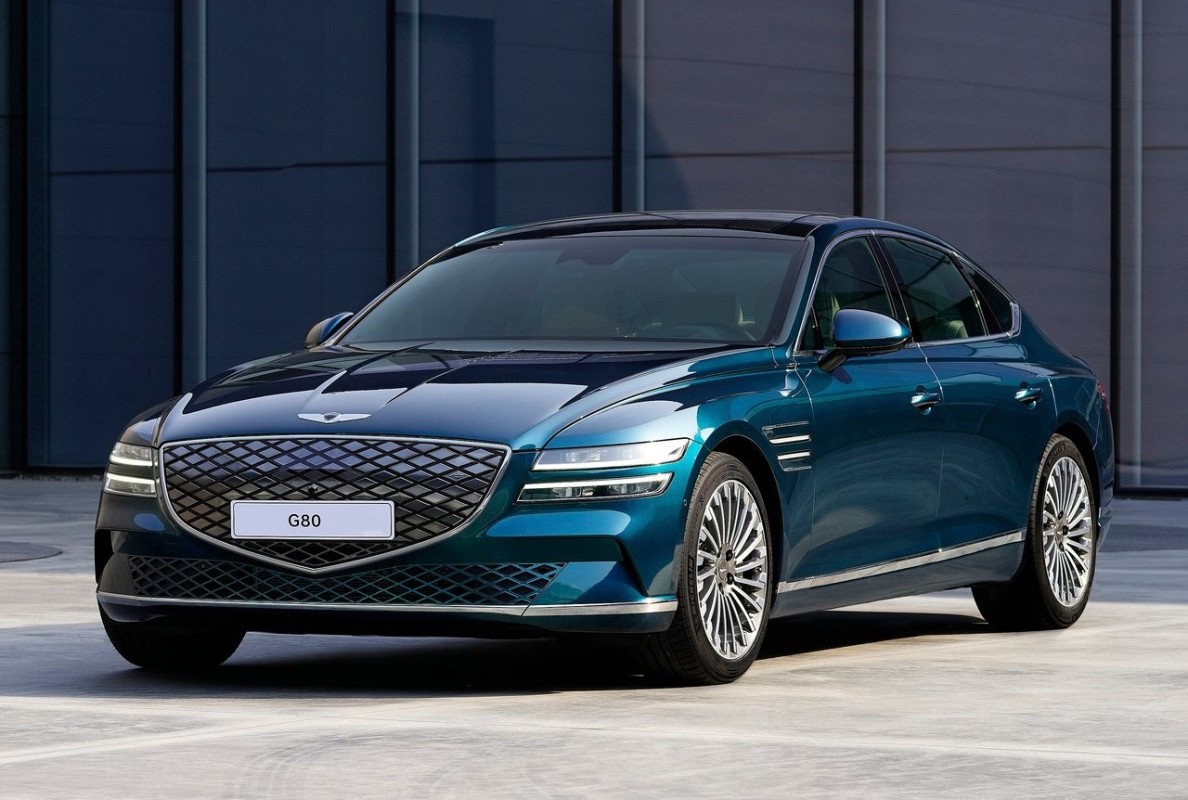
Low sales since the model’s debut in 2023 meant Genesis had little choice but to discontinue the G80 Electrified. The EV luxury sedan managed 282 miles of range and 365 horsepower, both of which were decent for its segment, for around $80,000. When the decision was made in August, the brand told Car and Driver that it was “remaining flexible as we adapt to ever-changing consumer needs and market conditions.” Considering the Genesis Electrified G80 sold just 77 cars in the first half of 2025, it’s no surprise it was axed.
Infiniti and Nissan EV sedans
In April 2025, Automotive News reported that Nissan was rethinking its decision to bring two U.S.-made sedans to market, citing a shrinking sedan market. According to Nissan chairperson Christian Meunier, it was time for the brand to “face reality.” Plans are still in place to bring electric Nissan and Infiniti crossovers to market, but not until 2028.
Jaguar and Land Rover EVs

Jaguar
July saw the Brits pressing pause on EVs, too. Jaguar Land Rover (JLR) originally planned to debut an electric Land Rover this year, until demand slowdowns forced the brand to extend the timeline to “late summer 2026.” Likewise, you’ll have to wait if you want a peek at the polarizing new Jaguar EV models. The Type 00 and an unnamed successor won’t launch until August 2026, with the latter following in the tail end of 2027. “We’re not going to rush that transition; we are going to nail it,” said JLR CEO Adrian Mardell. Both brands need some wins, so waiting feels like a good course of action if it means a better product.
Mercedes-Benz EQB
Mercedes-Benz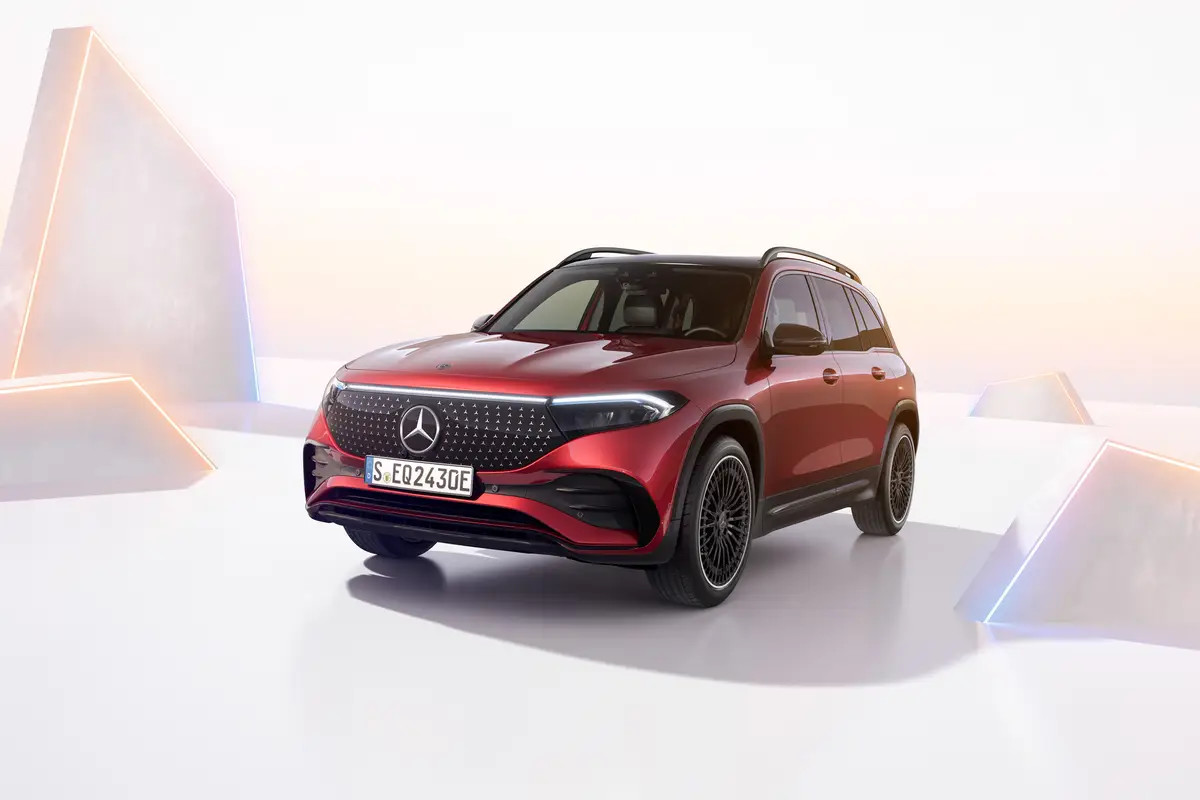
The EQB was quietly discontinued just a month ago. Mercedes told the press that the car was “at the end of its planned lifecycle,” so no drama here. The EQB was introduced in 2022, meaning the smallest MB SUV only had four model years in the U.S. With a wave of new electric models scheduled to arrive before 2027, we can expect the “GLB with EQ technology” to be one of many alternatives Benz shoppers can consider.
Maserati MC20 Folgore
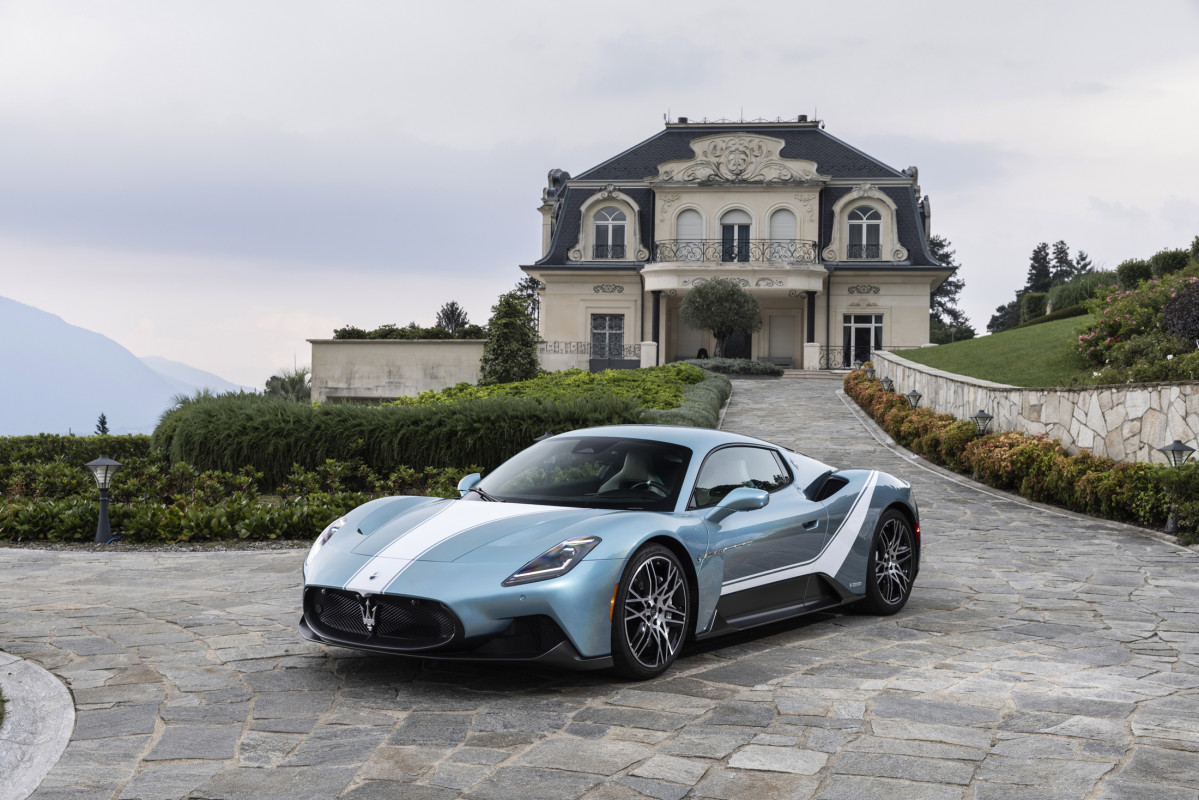
While the regular Maserati MC20 comes with a mighty twin-turbo V6 Nettuno engine, the automaker thought there might be a market for a version of the beautiful MC20 without said power plant. The MC20 Folgore would have used a tri-motor setup with 700+ horsepower, but Maserati said the market simply wasn’t there. The automaker claimed “MC20 customers have demonstrated that they are very keen on driving powerful ICE engines.”
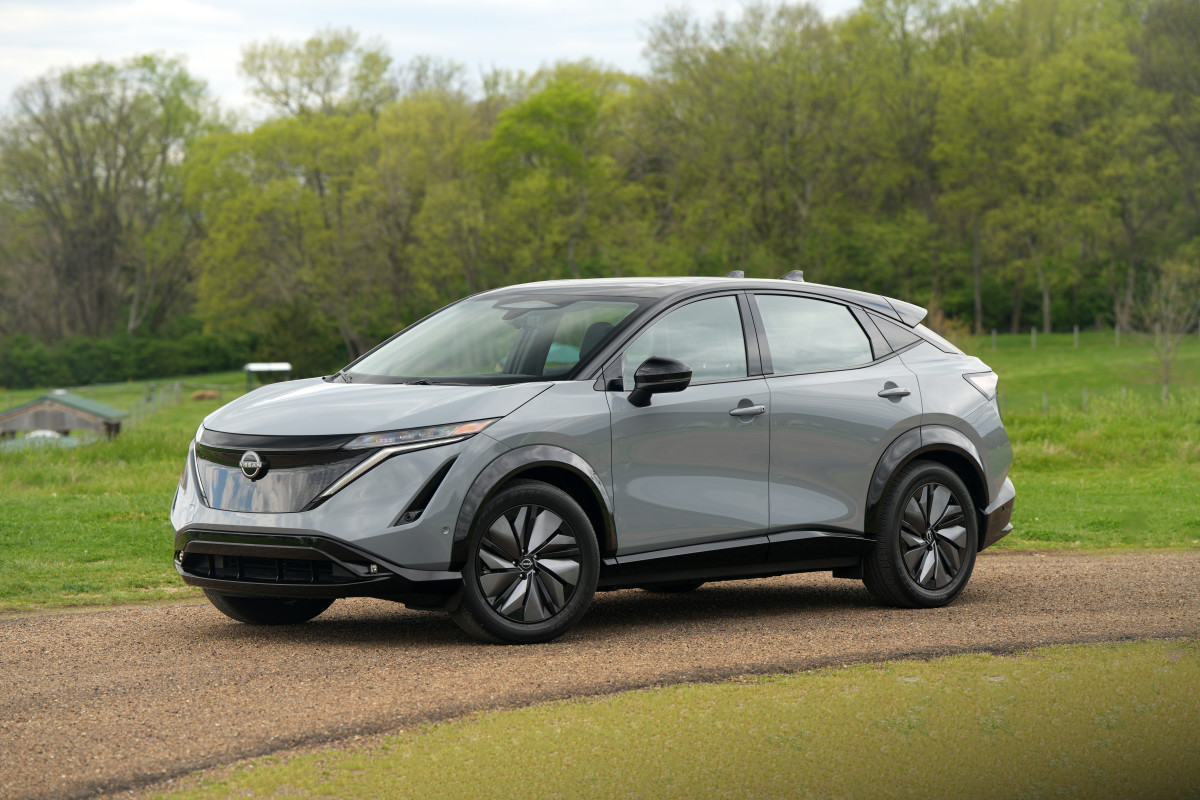
Nissan Ariya
Nissan
Nissan “paused” production of its electric crossover before a model year switchover to 2026. While not officially canceled yet, it’s unlikely to join the 2026 Nissan lineup. In an interview with Car and Driver, a Nissan spokesperson confirmed the Ariya’s production pause, acknowledging the “dynamic U.S. EV market.” Meanwhile, the automaker debuted a major upgrade for global markets.
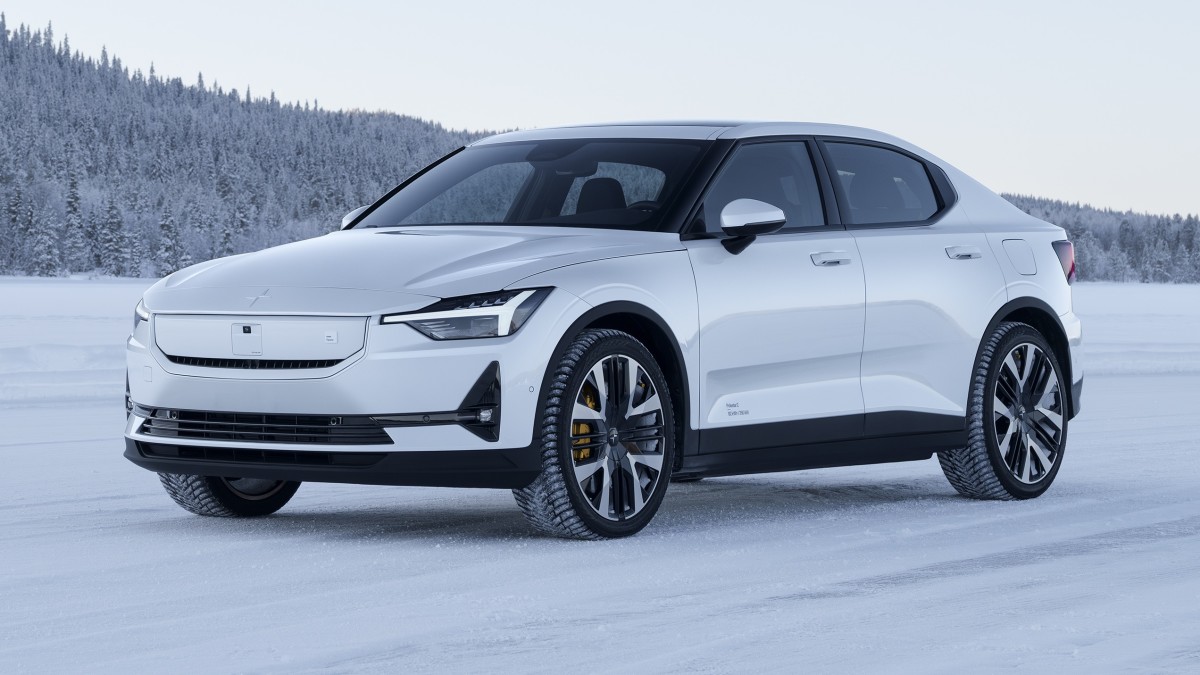
Polestar 2
Polestar
Chinese-built with room for five, the Polestar 2 simply didn’t make sense for the U.S. market. The small SUV had a pretty good run, though, making the rounds since 2021 with inspired style, decent range, and relatively good handling and materials. Notably, the Polestar 2 made up most of the U.S. introduction to Polestar’s electric offerings. A Polestar 7 will eventually take the place of the Polestar 2, but it won’t be for a while. Think 2028.
Porsche flagship electric SUV and sports cars
Porsche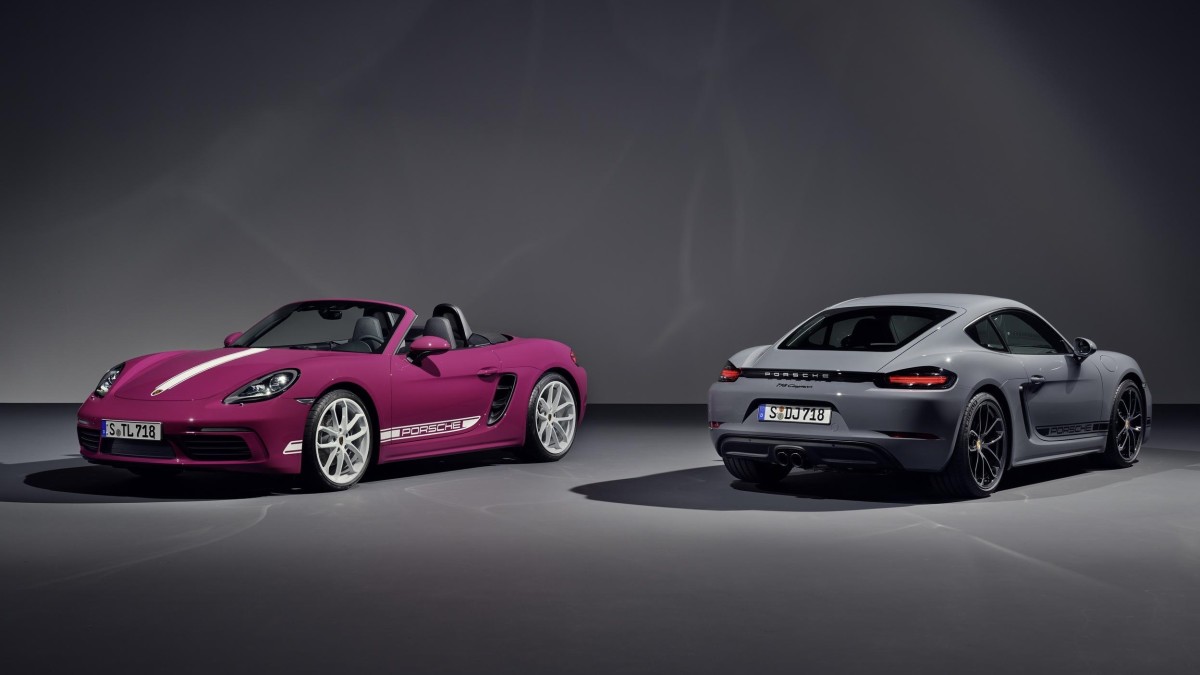
Porsche has a complicated relationship with electrification. On the one hand, the Macan and Taycan are some of the best electric vehicles you can buy. On the other hand, the brand has seemingly endlessly delayed widespread electrification of its lineup. Originally, the 718 Boxster and Cayman were scheduled to have no gas-powered replacements, but that has changed. Similarly, plans for a foretold “flagship” three-row EV SUV sitting above the Cayenne have also been delayed. The Cayenne EV is currently still on schedule for a release later this year or early next year.
Ram electric pickup
Stellantis
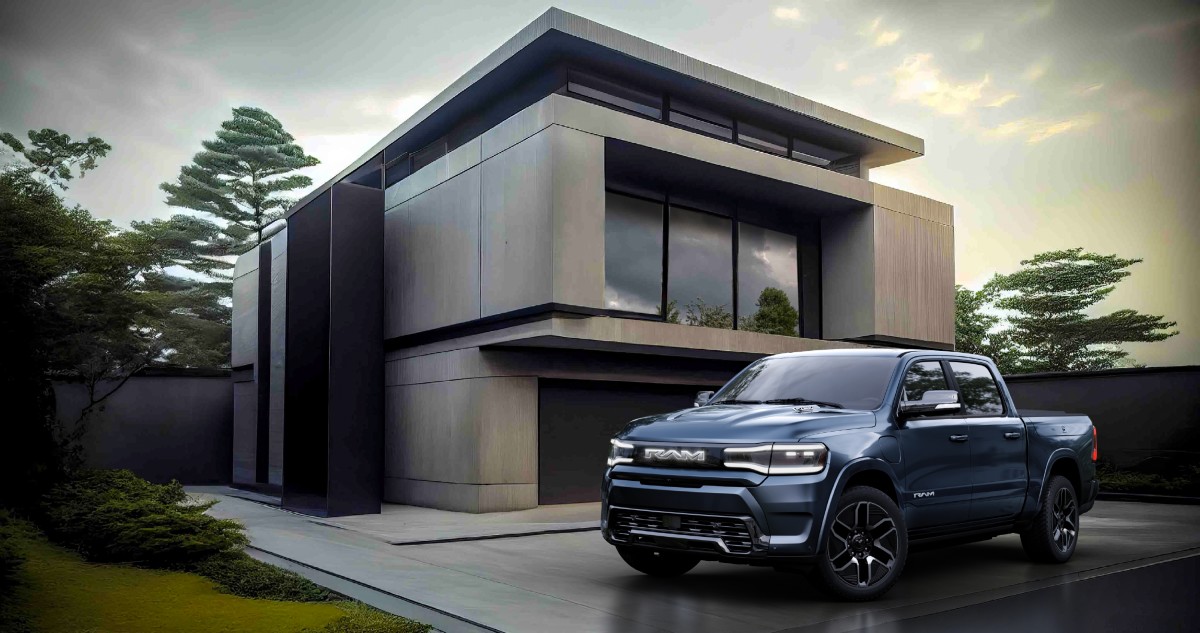
In September, Ram canceled its electric 1500 pickup. That’s perhaps hardly surprising when you consider delays have plagued the truck since its 2023 debut. The name, however, lives on as a hybridized Ram 1500. That truck will use a gas-powered V6 and small electric motor to “set a new benchmark in the half-ton segment,” according to Ram officials.
Toyota bZ4X (kind of) and Highlander EV
Toyota
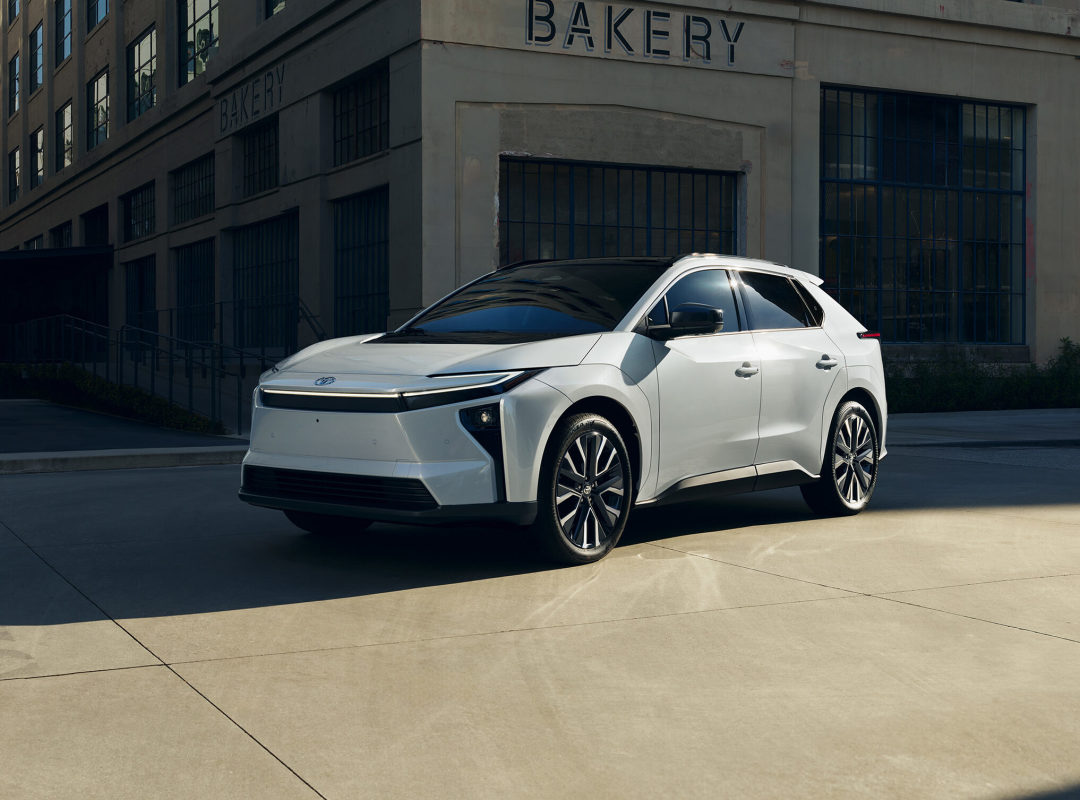
The Toyota bZ4X is losing its awkward name, now becoming the Toyota bZ. So, it’s more of a changeup than an outright demise. There are other changes for Toyota’s electrification strategy, though. Originally, an electrified Highlander was scheduled to start production sooner rather than later, but Automotive News now indicates that the Highlander EV will start production in the latter half of 2026. Toyota’s also pushing back a three-row EV, yet unnamed, to 2027 at the earliest.
Volkswagen ID.7
Volkswagen
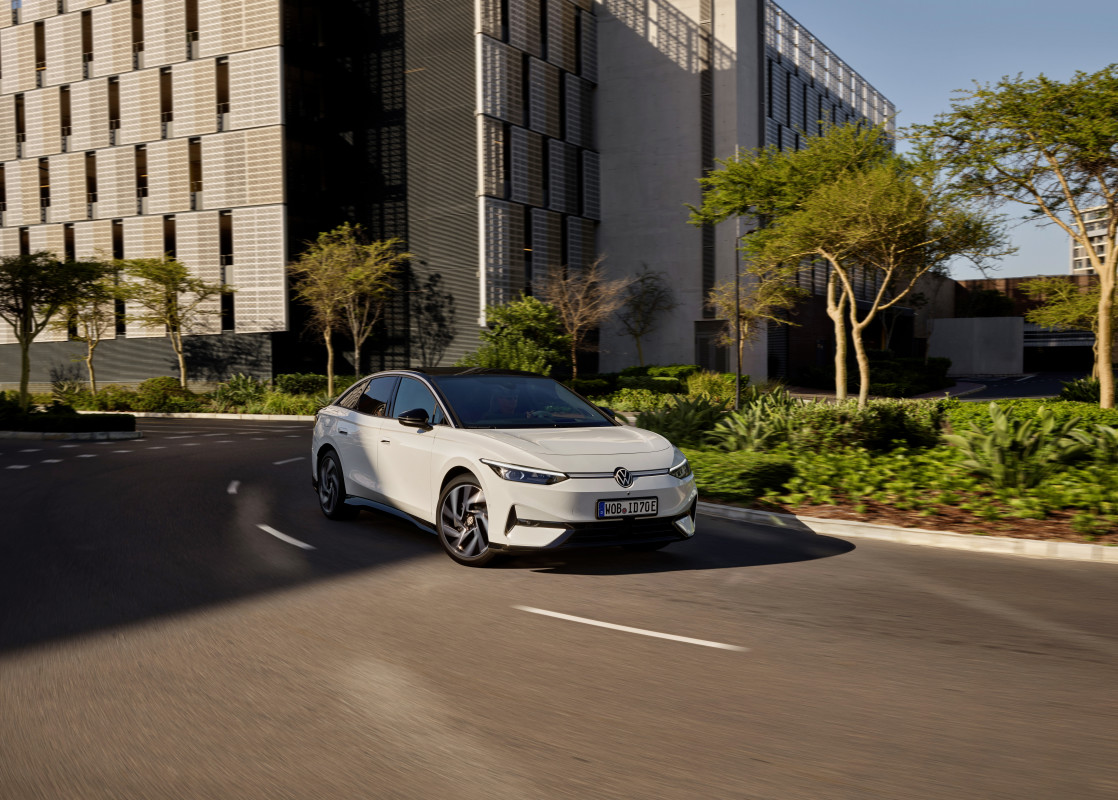
It seems like a while ago, but the VW ID.7 was only officially confirmed not to come to the U.S. in January 2025. The brand cited an “ongoing challenging EV climate” as reason enough to nix the sedan from any U.S. product roadmap. While the ID.7 is a good-looking rig, we can’t disagree with VW’s decision. It’s hard to be electric or a sedan these days, considering how utterly unfavorable the U.S. market is.
Final thoughts
While some manufacturers might be paring back EV offerings in the short- and medium-term, there are still a lot of good options available and on the way. Don’t get discouraged if you’re still thinking about making the jump to electric. BMW just debuted a new electric iX3 that arrives early next year, and Rivian has an exciting new small SUV planned to arrive next year, too. Combined with a refreshed MINI Cooper EV, Chevy’s Bolt reboot, and a less-expensive Lucid, the future is still bright for EVs in 2026 and beyond.