

Small cars that were big on fun
Good luck finding truly fun small cars anymore. Gah, what a tragic state when tossing around an engaging econobox is an automotive pastime. Affordable hatchbacks and subcompacts were initially built to sip fuel and squeeze into parking spots rather than deliver genuine driving thrills, but there were exceptions. But it wasn’t as though they were once difficult to find. Most non-luxury carmakers have at least one fun, affordable car that would put a smile on your face… especially ones with manual transmissions.
Abarth
Today, many of those gems are gone, and they were sadly killed off by the American love of crossovers and the perceived need for higher-riding, bigger vehicles like SUVs and trucks. Yet enthusiasts still pine for the days when a few thousand dollars bought you a manual gearbox, excellent handling, and a car that could easily be driven at 9/10ths most of the time. Here are five super-fun economy cars that we never stopped loving.
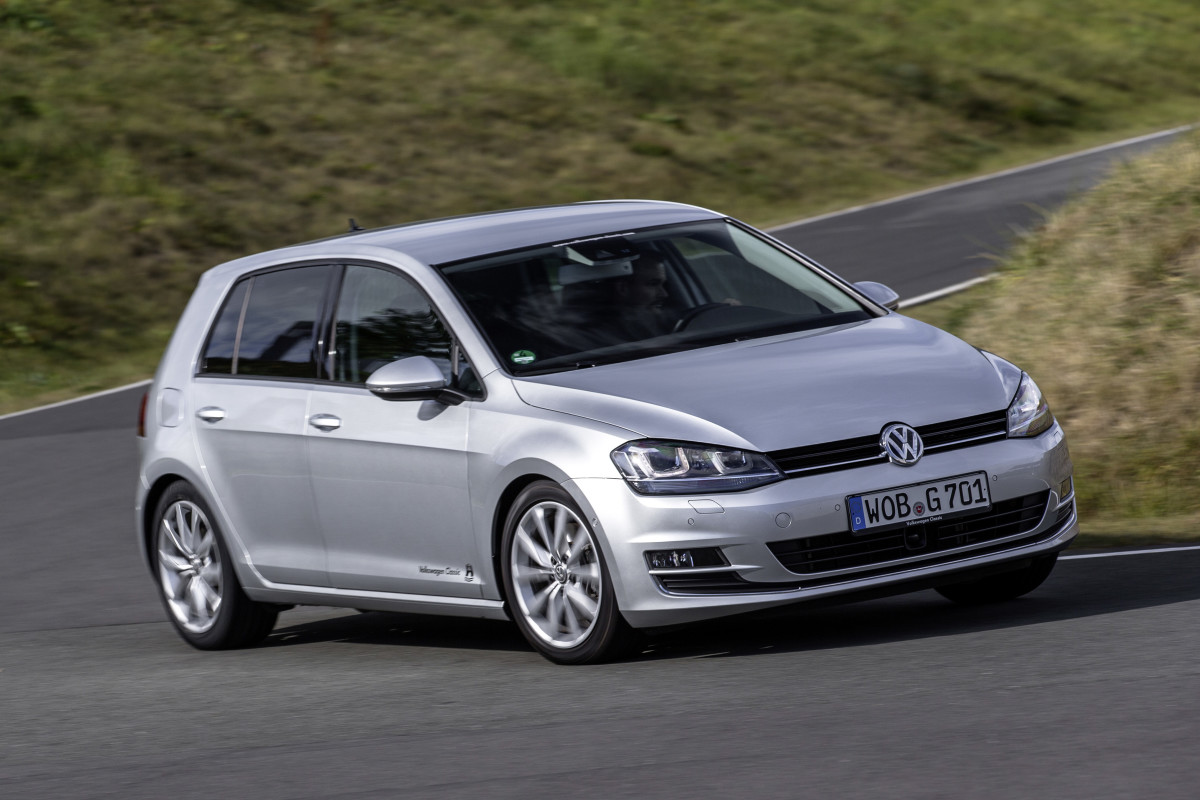
Volkswagen Golf
Yes, VW still sells the Golf GTI and the Golf R, but their manual transmissions are no more. Most folks don’t even know what a gem the regular Volkswagen Golf was. Introduced in the 1970s as the Beetle’s practical successor, the Golf was way more than just a cheap German hatchback. The chassis, steering, brakes, and manual transmission came together beautifully to deliver thrills at low speeds… and low costs.
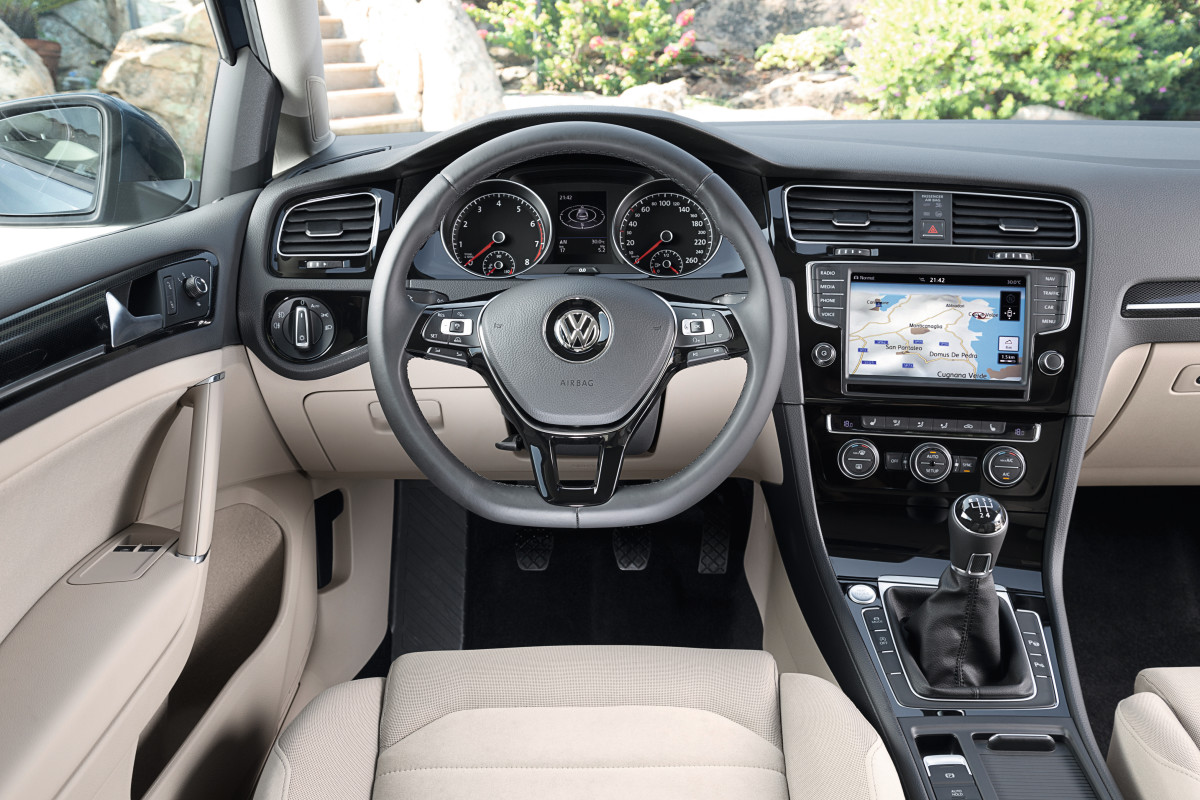
The non-GTI versions were quite rewarding to drive. The Golf’s European suspension tuning, solid build quality, and lovely interiors made it feel more premium than its price tag suggested. Even the humble Golf TSI provided sharp steering, balanced chassis dynamics, and that thrilling “Germanic” driving feel that would come through even on a trip to the grocery store.
In 2021, Volkswagen discontinued the standard Golf in the U.S., leaving only the GTI and Golf R. And while those models still exist, the absence of an affordable, entry-level Golf has left a hole in the market. The Golf was proof that even your everyday commuter could deliver joy on the way to work or while pushing it hard on a curvy freeway off-ramp. Oh, how we miss it.
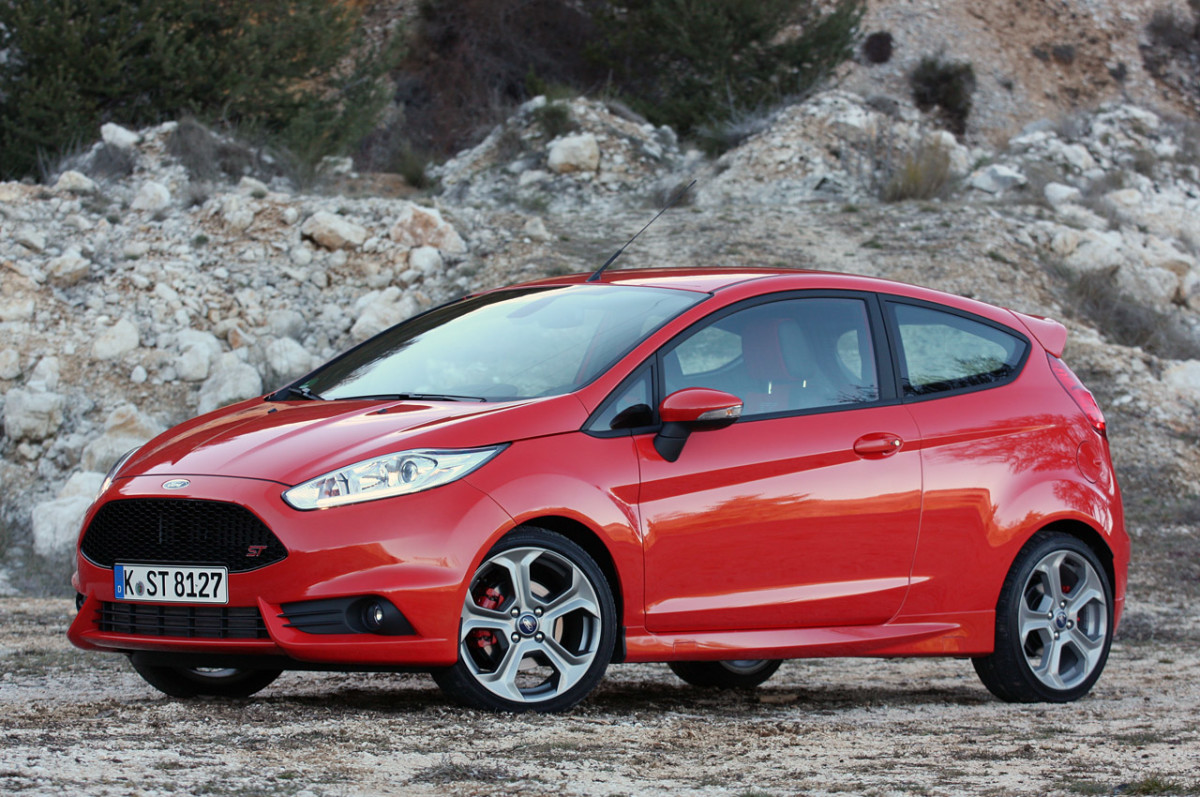
Ford Fiesta ST
Ford doesn’t make a single small car anymore. Boo hoo, because they once made some of the best, including the Fiesta ST hot hatch. The superb ST was powered by a turbocharged 1.6-liter EcoBoost engine with 197 horsepower; the Fiesta ST weighed barely over 2,700 pounds. That power-to-weight ratio, combined with a six-speed manual transmission, accurate and connected steering, and a playful chassis, made it a track-day weapon disguised as a commuter hatchback.
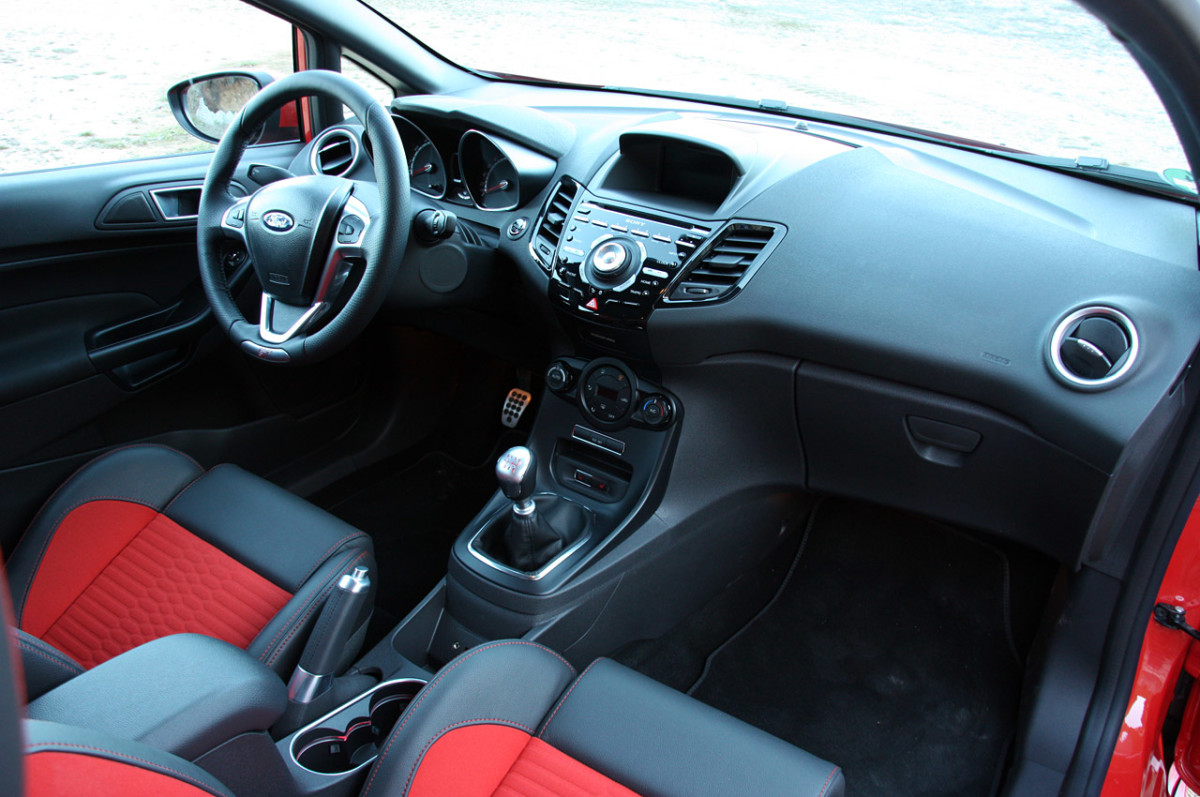
The Fiesta ST stepped up its interior game above the regular Fiesta. Its bolstered Recaro seats provided excellent lateral and thigh support; the racing pedals had grippy nubs. They were nicely spaced for heel-and-toeing, and the ergonomic shift knob begged to be downshifted. Ford discontinued the Fiesta ST in the U.S. after the 2019 model year, citing declining small-car sales. But ask any enthusiast, and they’ll tell you the Fiesta ST is one of the most fun cars ever built under $25,000.
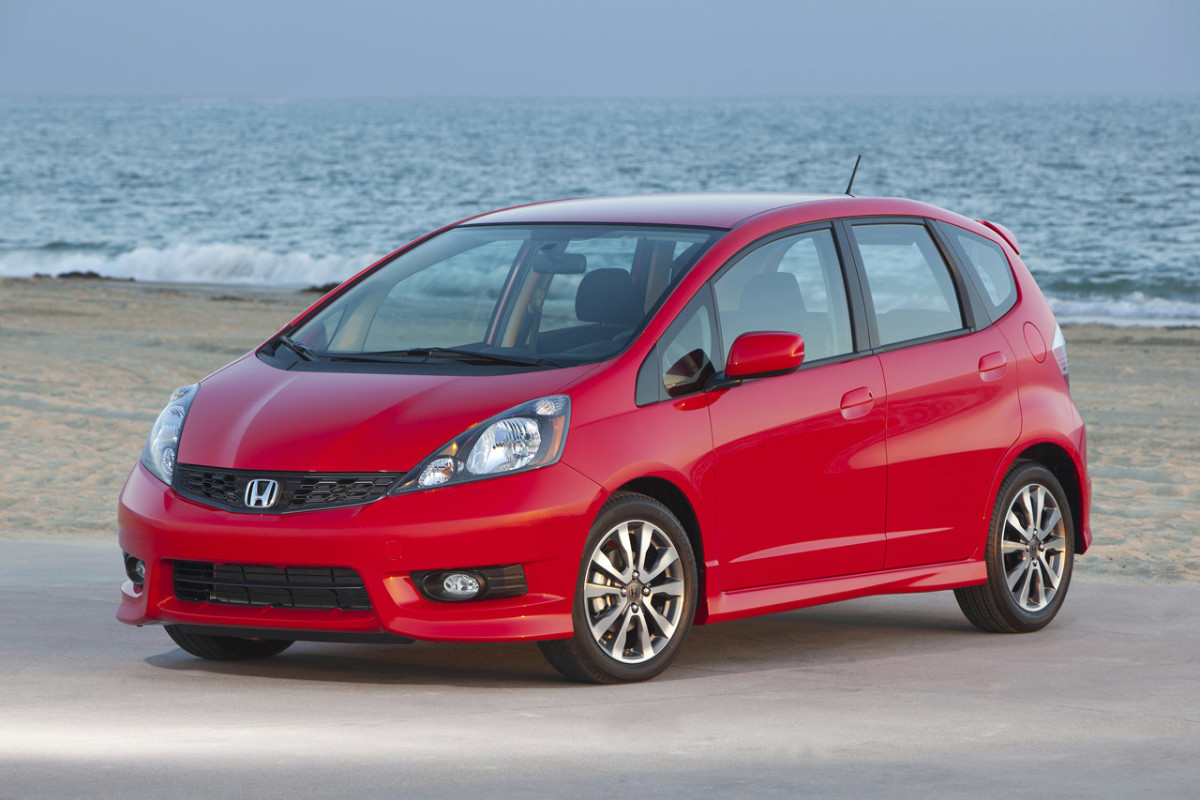
Honda Fit
The Honda Fit wasn’t a traditional “fun car” in the performance sense (between 109-130 horsepower), but it earned cult status by redefining what an economy hatchback could be. The Fit combined cute looks with an excellent chassis and steering. It was tossable, taut, and full of character. In its final iterations, the car ditched its manual transmission and some of its agility. On top of that, it was way bigger and more practical inside than you’d ever guess from looking at its sheet metal.
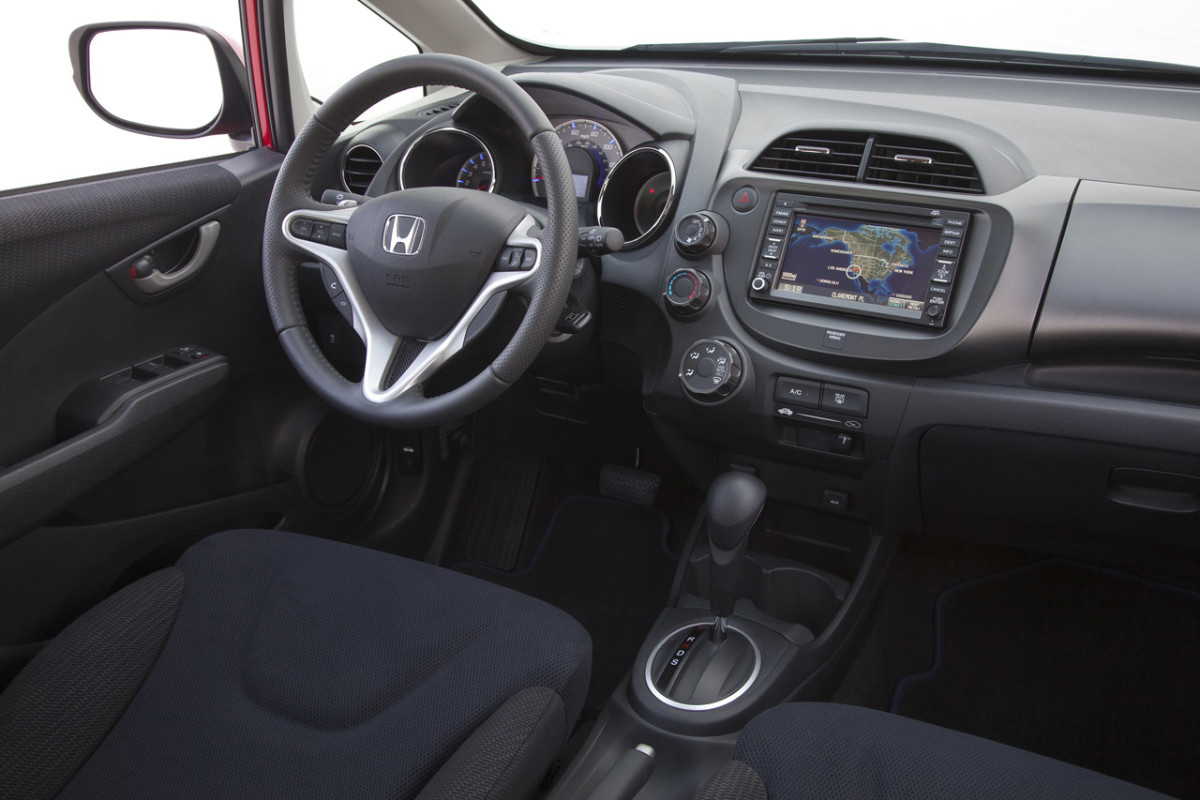
The Fit’s brilliant “Magic Seat” was a practical marvel. The ingenious rear-seat folding system created cargo configurations that defied the laws of physics. The Fit could swallow bikes, furniture, and camping gear in ways that even small SUVs struggled to match. It wasn’t just fun to drive, but it was also great to live with as an urban commuter. Sadly, Honda pulled the Fit from the U.S. lineup after 2020. In an era where crossovers dominate, the Fit’s blend of affordability, efficiency, thrills, and versatility is still pretty hard to find.
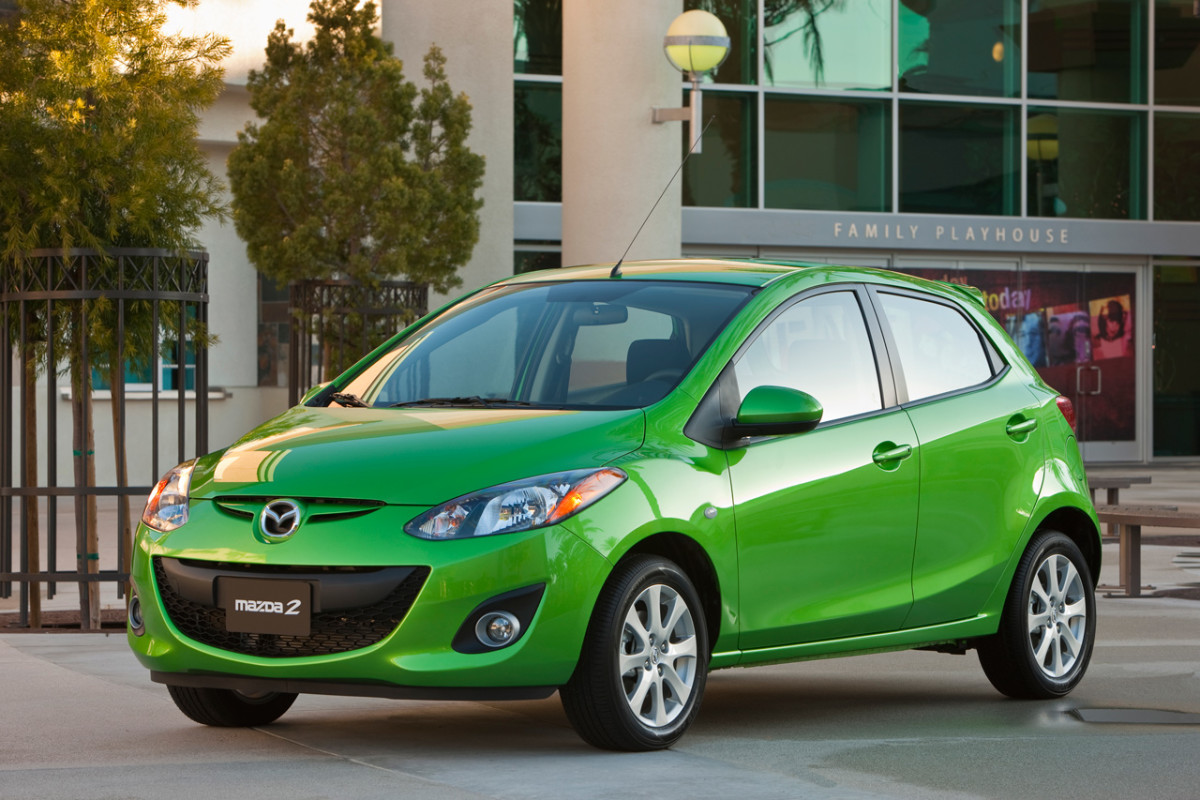
Mazda Mazda2
The Mazda2 was proof that you didn’t need enormous power to have big fun. First arriving in the U.S. for the 2011 model year, the superlight hatchback embodied Mazda’s “Zoom-Zoom” philosophy in its purest form. With just 100 horsepower from its 1.5-liter engine, the Mazda2 wasn’t about straight-line speed. Instead, its strength was in its steering and handling. Its curb weight barely topped 2,300 pounds, making it one of the lightest cars on sale. That translated to nimble handling, lively steering, and an econobox that delivered engaging driving dynamics. It embodied what it means to enjoy driving a slow car fast.
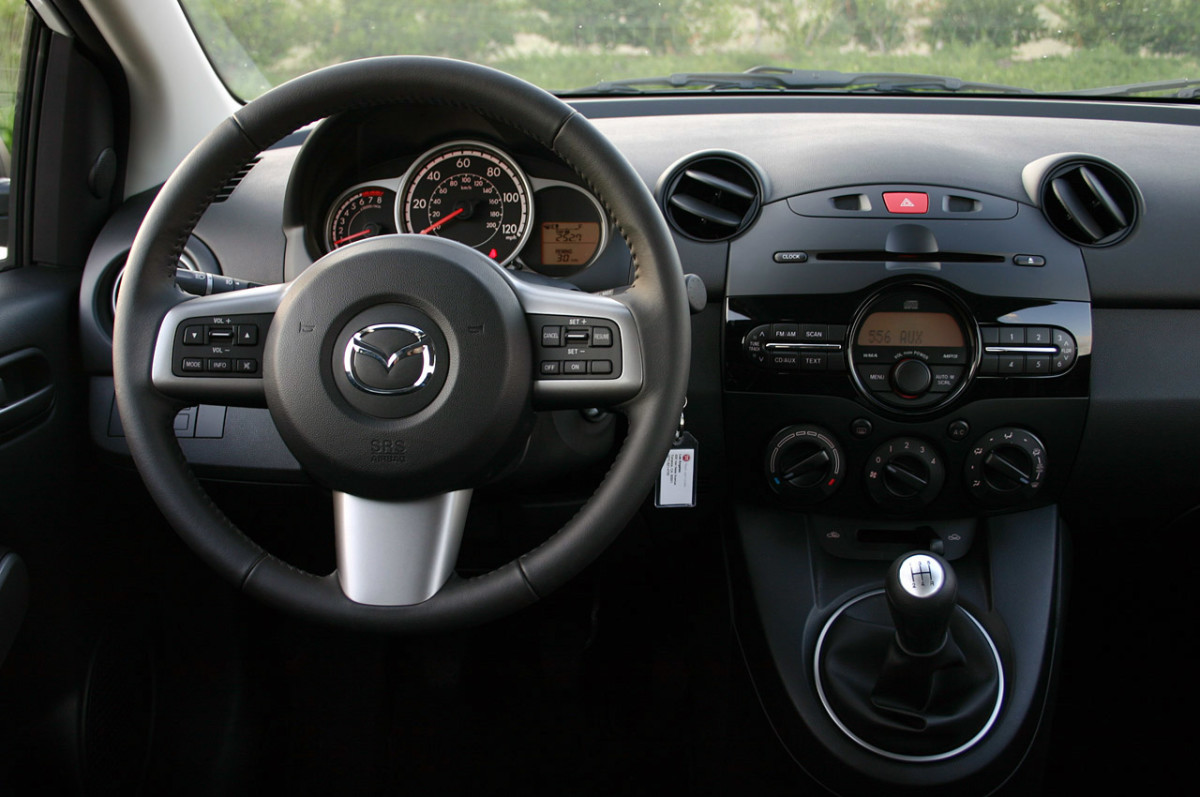
It was an economy car that felt like a scaled-down MX-5 Miata—playful, communicative, and unpretentious. Most would never guess the Mazda2 was a bona fide driver’s car. Reviewers often said the Mazda2 was more fun to drive at 40 mph than some sports cars at 80. The Mazda 2 never sold in huge numbers, and after 2014, it quietly disappeared from U.S. dealerships. Yet, for enthusiasts who value lightness and simplicity, it remains a bright green example of the mantra “less is more.”
Abarth
Fiat 500 Abarth
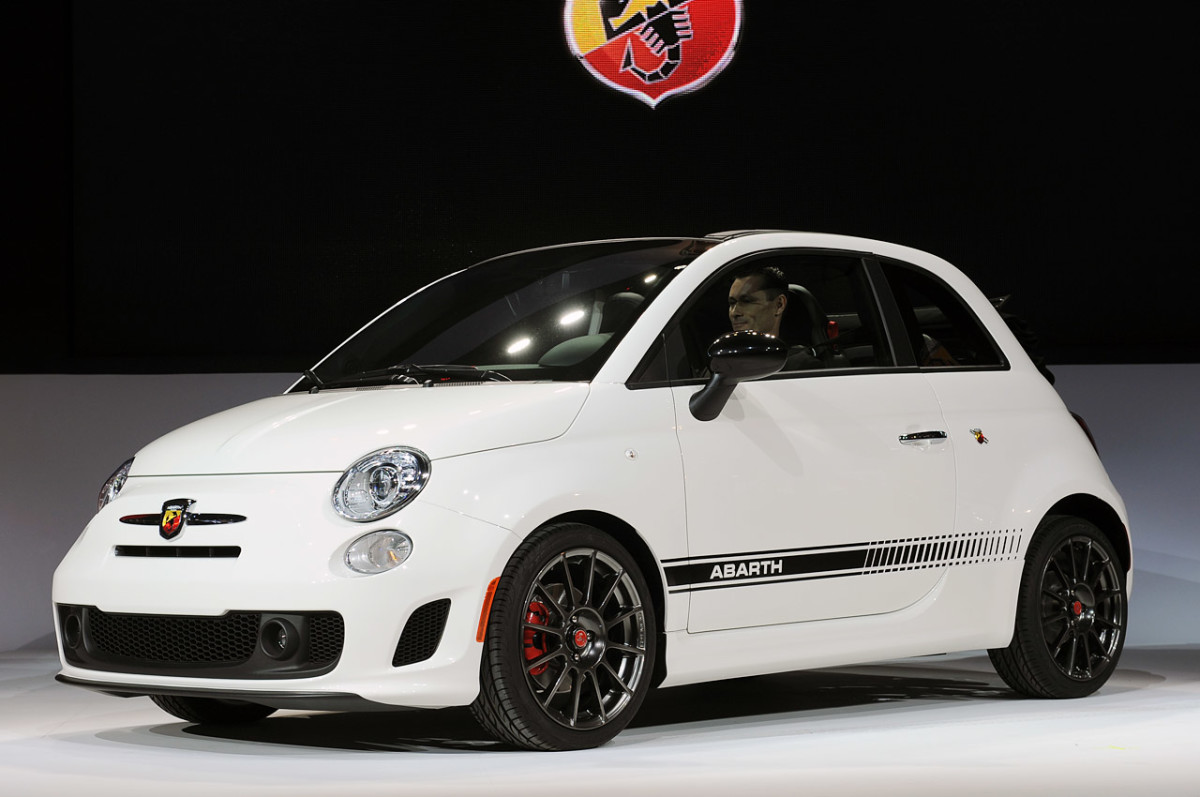
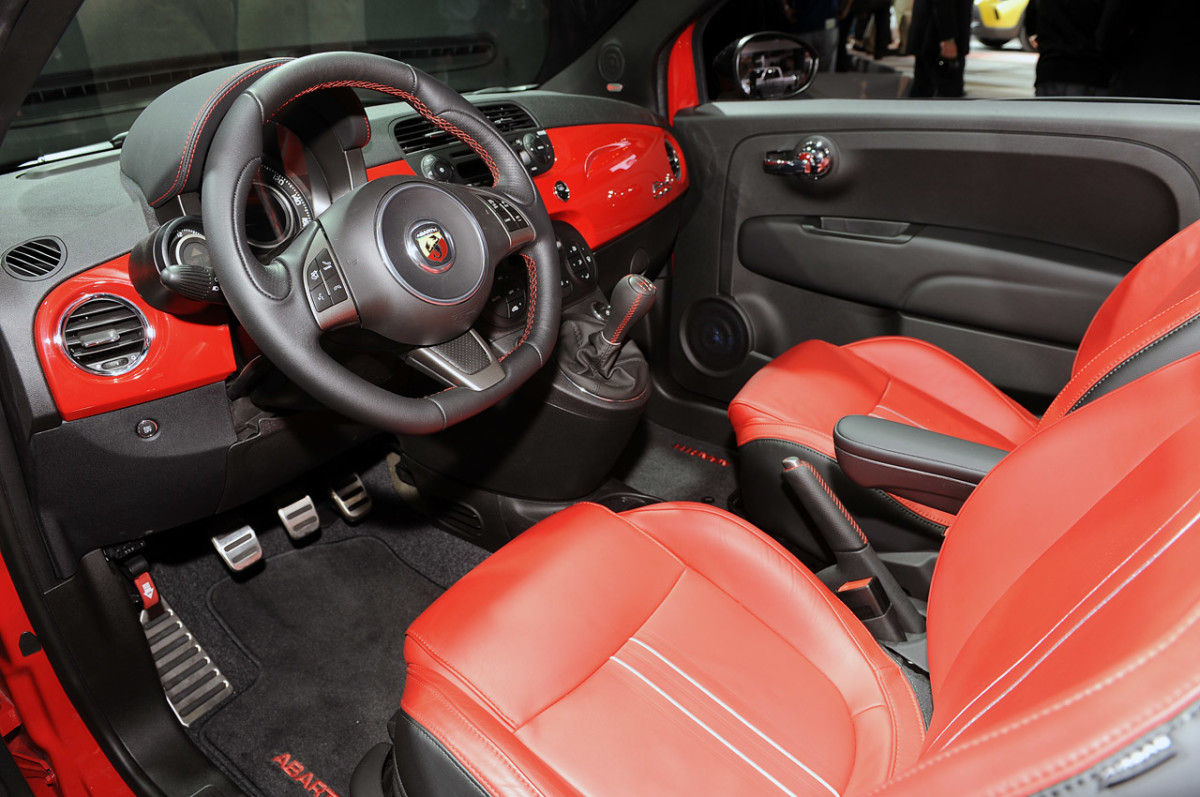
Fiat doesn’t sell a gas-powered 500 anymore, and that’s too bad. The 500 was fun, but the 500 Abarth was nutty fun. Under its stubby hood sat a turbocharged 1.4-liter four-cylinder that pumped out up to 160 horsepower. While that’s not a ton (the Focus ST had quite a bit more), it was more than enough to deliver grins via your posterior. Paired with a five-speed manual, the Abarth turned the 500 into a hot-blooded hatchback. Its short wheelbase and aggressive suspension made it feel like a jacked-up Tasmanian Devil, darting through traffic with tiny hooliganism.
Abarth
To boot, the 500 Abarth’s exhaust note was like a tiny Ferrari, raspy and angry in the best of ways. It didn’t matter if you were driving to work or blasting through tunnels; the 500 Abarth made every trip a race for one. Fiat eventually discontinued the 500 in the U.S. after 2019, and it seems the brand will never be the same without it; scorpion emblem and all. As charming as the current 500e EV may be, nothing quite replaces the stupid visceral fun of the Abarth.
Final thoughts
These five economy cars may be gone from U.S. showrooms, but their legacies matter because they represented tiny thrills for less. Two of them had solid power levels, but the rest were underpowered and still wonderful for it. They proved that cheap and small doesn’t have to mean boring. Each brought its own flavor of fun, and the automotive world (at least ours) won’t be the same without them. Yes, we love the GR Corolla, but it’s priced way out of the range of these magical econoboxes. Life may never be the same again.