

Kei cars could be coming to the United States
Kei cars could be hitting our roadways in the near future, should the current administration have its way, and while these cars are popular in Japan, would they truly fare well on American roadways? They’re affordable and fuel efficient, making them great picks for economic-minded drivers. Over the past decade, however, most automakers have gradually phased out their smallest vehicles, which doesn’t bode well for kei cars. Instead of bringing these ultra-compact models to our shores, perhaps it’s time to revive several subcompact cars of the past. While many came in sedan and hatchback body styles, I’ll be focusing on the latter.
Honda
View the 3 images of this gallery on the
original article
Honda Fit
The 2020 model year marked the last for the Honda Fit, a sporty little compact hatchback that came powered by a 130-horsepower four-cylinder engine. It could be optioned with either a six-speed manual or CVT, with the latter earning up to 36 mpg in combined city/highway driving. The LX model optioned with a six-speed gearbox proved to be the cheapest Fit, starting at $16,190. In 2020, Honda sold more than 32,000 examples of the Fit – not bad for such a small car.
Honda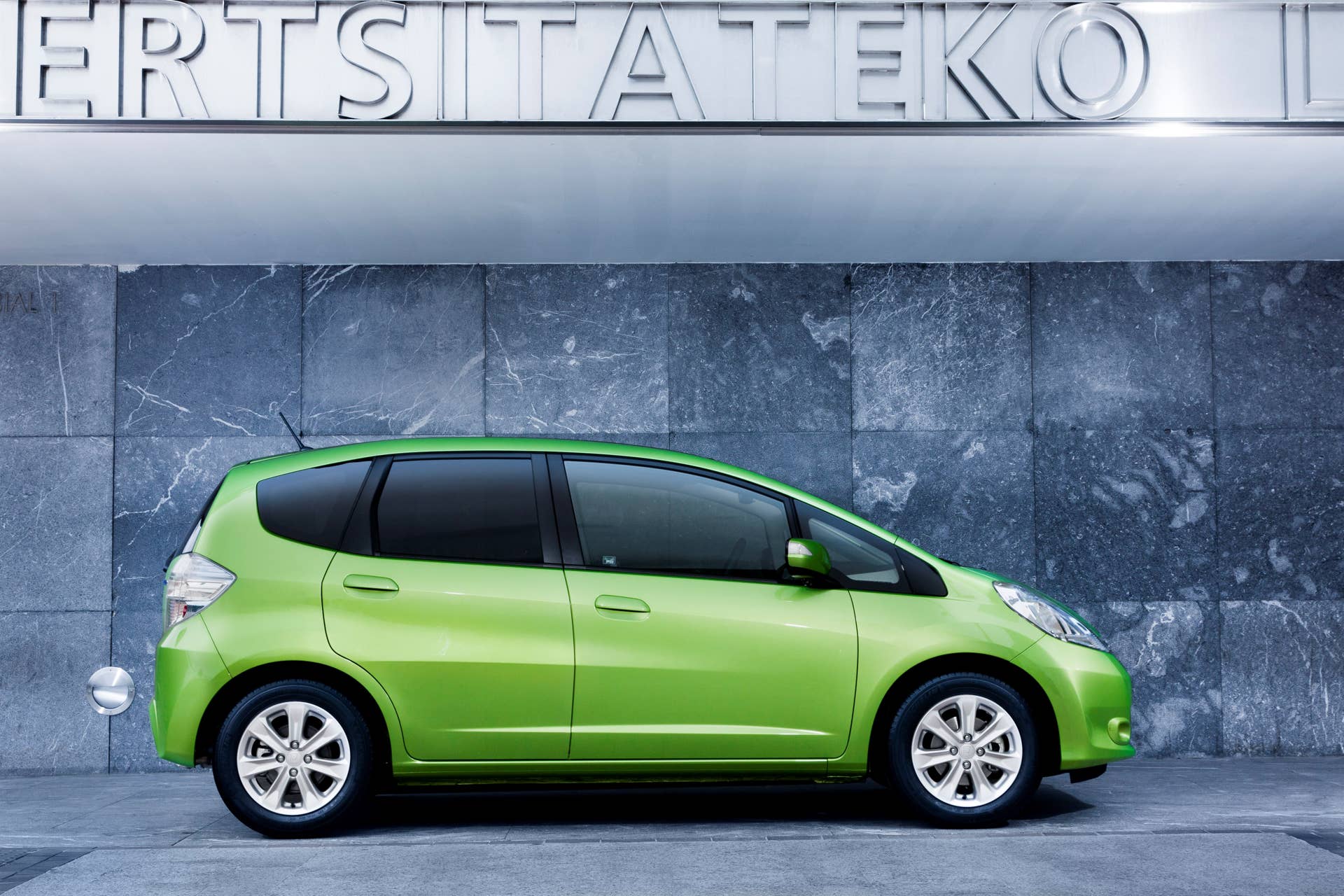
View the 3 images of this gallery on the
original article
The Honda Fit remains incredibly popular five years on, with some used models selling for near their original new price. While Honda’s subcompact hatchback left our shores five years ago, that wasn’t the end for the small car. The Japanese automaker still sells the Fit in Europe, Asia, and South America under the Jazz nameplate. It currently comes with a hybrid powertrain that delivers up to 550 miles per tank of fuel, which means it would almost certainly fill a gap in the American automotive market.
Related: I Drove The 2026 Chevrolet Silverado 1500 Trail Boss: Here Is My Honest Review
Toyota Yaris
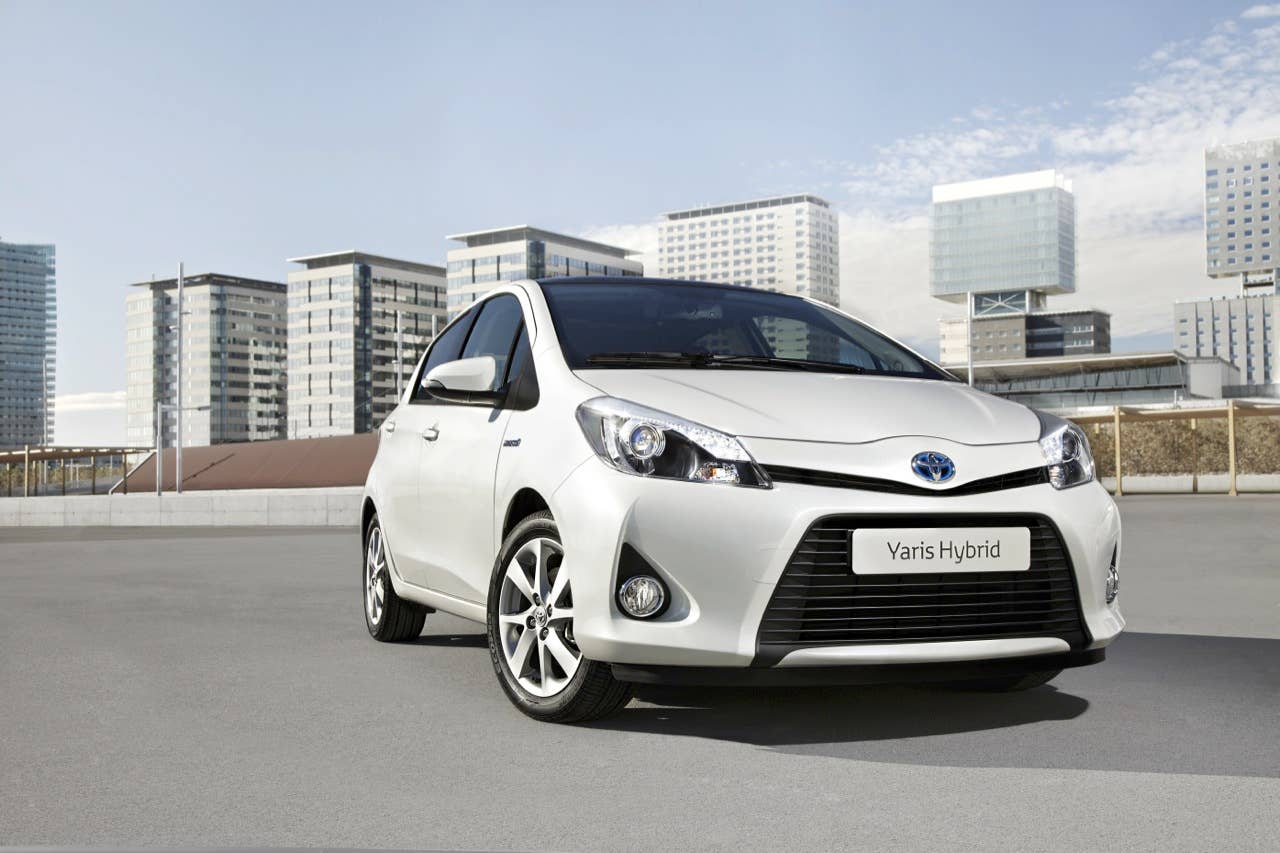
When it comes to small cars, the Toyota Yaris is a force that exudes dominance in a small package. The 2020 model year marked the launch of the fourth-generation Yaris, as well as the departure of the subcompact car from the American market. Based on the Mazda2, which wasn’t sold in the United States, the Yaris started around $15,650. The 106-horsepower engine wasn’t exactly sporty, instead putting fuel economy on a pedestal. The automatic Yaris was the most efficient, earning up to 35 mpg in city/highway driving. Models equipped with a six-speed gearbox earned one mile less.
View the 3 images of this gallery on the
original article
While the Yaris is dead in the United States, the subcompact model is thriving in foreign markets. Toyota even saw fit to give the Yaris the GR treatment, producing a high-powered hot hatch with few true competitors. The Japanese automaker also produces the Yaris with a hybrid powertrain. Toyota already has a Corolla hatchback in the United States, so the return of the Yaris is unlikely. Given its popularity overseas and a call for small, affordable cars in the United States, a potential return is in the cards, albeit in slim form.
Ford Fiesta
The high-spirited Ford Fiesta said sayonara to the United States following the 2019 model year as the American automaker shifted its focus to larger vehicles. The Fiesta ST was the final performance version to hit American roadways, putting an emphasis on agile handling and engaging driving dynamics.
A 120-horsepower four-cylinder engine mated to a five-speed manual came standard, along with the option to upgrade to a six-speed automatic gearbox. The Fiesta ST was a beast, with a 197-horsepower turbocharged engine paired with a six-speed manual transmission. While the hatchback’s base model started at $15,790, the ST was a bit more expensive at $21,340.
Ford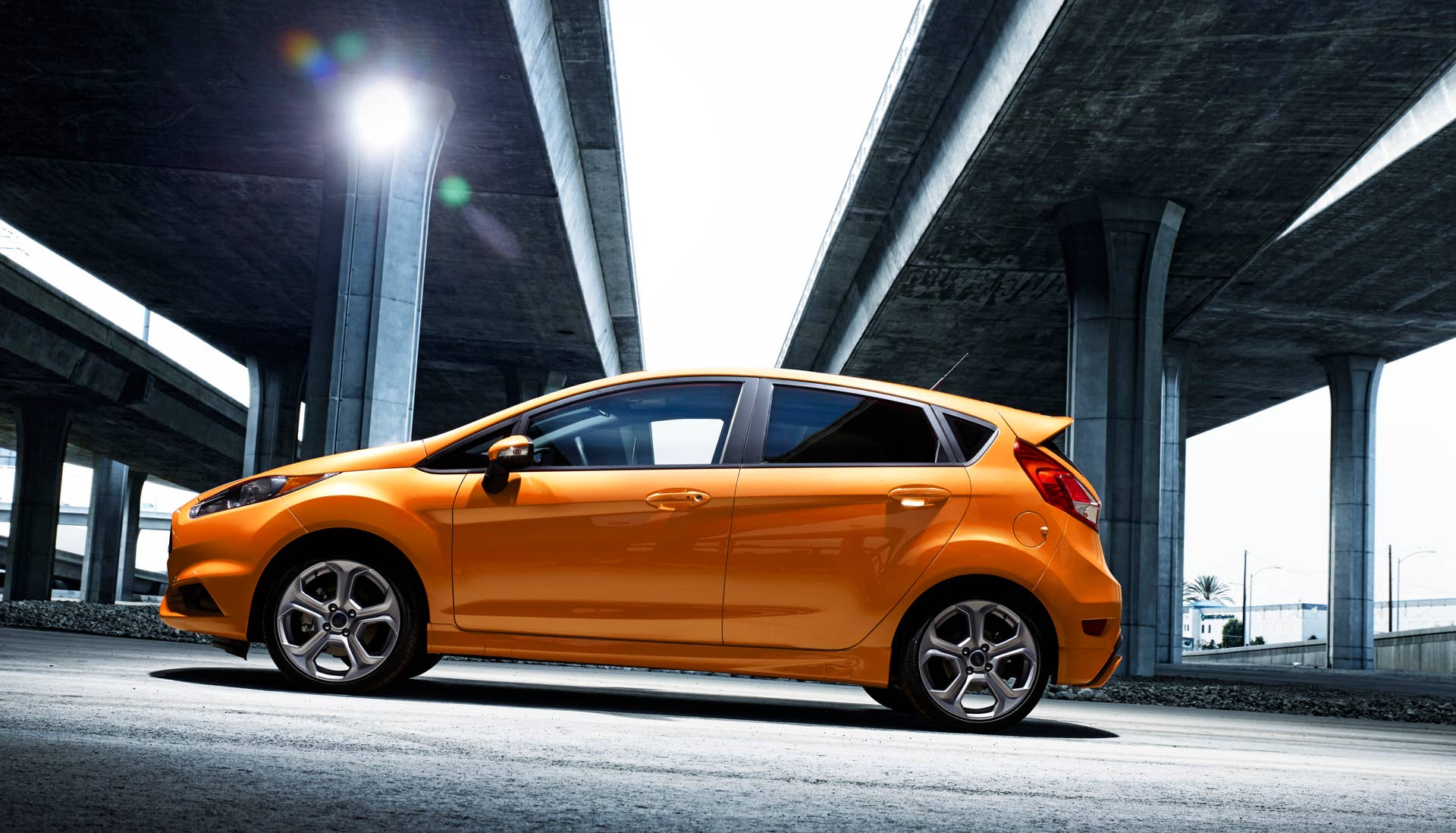
View the 3 images of this gallery on the
original article
Between the Fit, Yaris, and Fiesta, it’s Ford’s subcompact model that’s least likely to return to American shores. The Japanese models have managed to live on in foreign markets, but the Fiesta can’t say the same. Ford ended global production of the Fiesta following the 2023 model year. Given its affordable price and the ST model’s performance, it could still find a place within the hearts of American drivers – if it were to return.
Final thoughts
Honda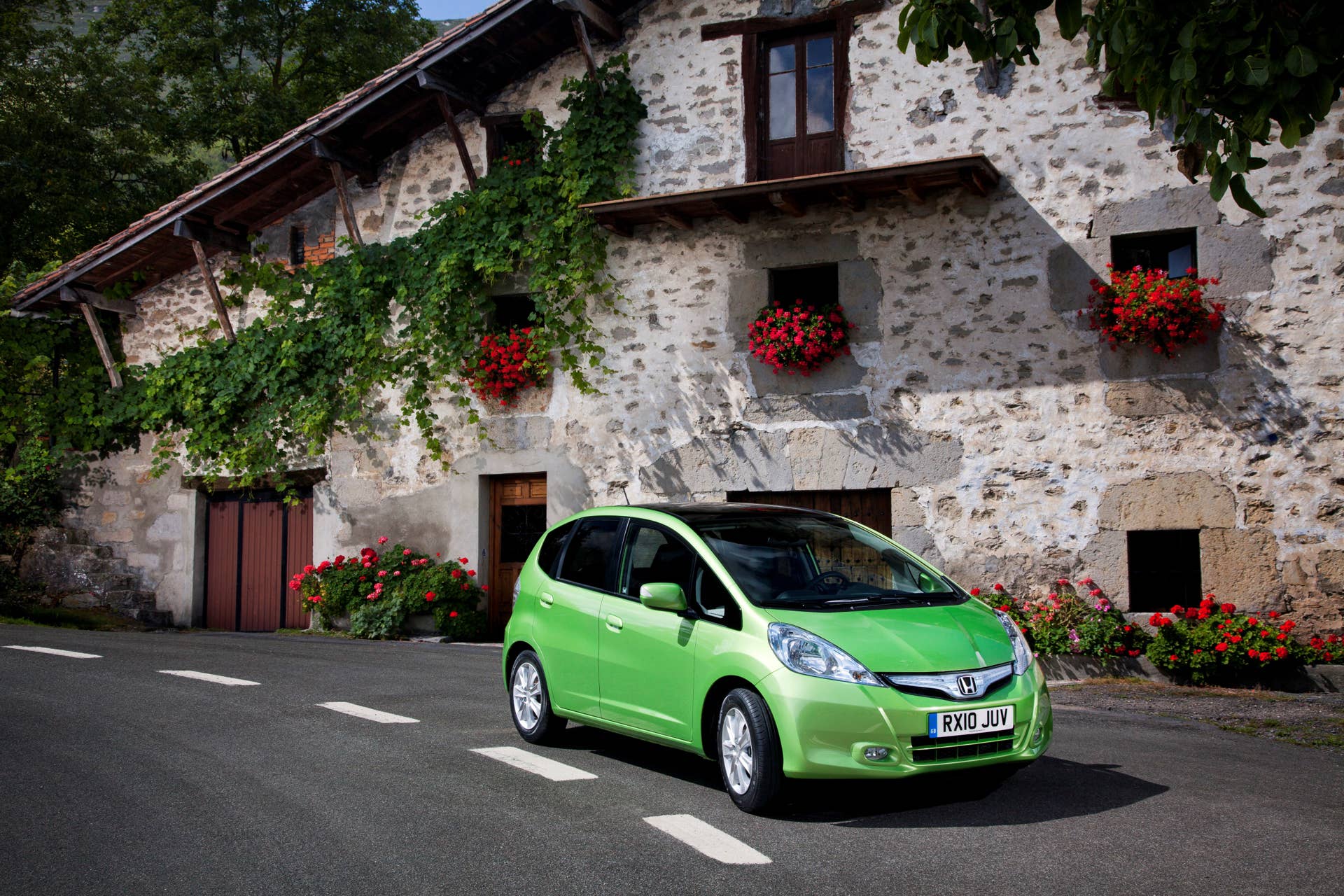
View the 3 images of this gallery on the
original article
I’m at odds here. While I’d like to see kei cars break into the American marketplace, encouraging domestic production is chock full of blockades. Automakers have made plenty of small vehicles in the past, and with several still in production overseas, it may be more viable to revive a discontinued nameplate with name recognition among the American populace. Not only that, but, given their size, its likely kei cars would find a niche market and little more. As much as I’d like to see these ultra-compact vehicles on our roadways, perhaps it’s best to downsize slowly rather than in one fell swoop.
Related: 2025 Mazda CX-70 Long-Term Update: 6,000-Mile Report