

Removing old underseal can be done using a wire brush. If there are any rust holes it’s best to get these repaired, as covering it will only make the welding job more difficult (or impossible) later.
Apply the car underseal
Depending on the type of underseal you’ve chosen, you can either use a paintbrush, aerosol or spray gun to apply the seal.
Make sure you mask off areas which shouldn’t be covered, especially the brakes or the exhaust pipe. If you accidentally overspray onto the exhaust, it’s not disastrous as the heat will burn off the underseal but it will smell unpleasant. It’s also worth covering the paint on panels near where you’re applying underseal, as overspray is difficult to remove.
Access to the sills and other enclosed areas can usually be gained by carefully removing a blanking plate or grommets. If there are wheel arch liners or other bits of trim, it is worth dropping them down to access the metal behind. When underneath the car, make sure you spray from different directions to ensure even coverage.
Treating inside box sections like chassis rails and sills is also a good idea, although a different type of chemical can be used for this, or underseal products can be made thinner with a white spirit to inject into inaccessible places.
Reapply any trim pieces
Once your car is treated, you can reapply any trim pieces and can relax knowing you have protection.
Remember to thoroughly check for rust regularly though as treating rot at the earliest opportunity is cheaper in the long run. You can use a rust converter on any areas of surface rust, as well as reapplying the underseal every few years to keep on top of rot.
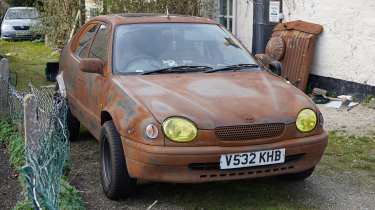
Can I underseal my car if it already has rust?
New car owners will know if their car has received any additional rust protection since leaving the factory, but buyers of secondhand or used cars might not be so lucky.
Thankfully, rust protection can be applied even if your car has sections of surface rust, but you will need to brush away any surface rust with a wire brush and apply a rust converter beforehand. Any rust which has eaten through bodywork or other metal surfaces may require attention from a bodyshop before a sealant can be applied.
Has your car ever succumbed to rust? Let us know in the comments below…
Frequently Asked Questions
A car underseal is a tough rust protection paint or wax which is designed to repel dirt and moisture from exposed areas of the car that are likely to see the harshest road conditions, such as the wheel arches or chassis.
Yes, undersealing your car is a job you can do from your driveway if you can access the underside of your car with a ramp or axle stands.
Yes, you can still underseal a car even if it has rust. If it’s only surface rust, this needs to be treated beforehand with a rust converter and a wire brush. If welding is required, this will need to be sorted before applying the sealant.
Yes, undersealing a car can help prevent rust. Over time though, it will need reapplying to help with longevity.
Undersealing your car is generally a good idea. It’s relatively inexpensive and preventative measures can help reduce costly welding bills in the future.