

Automakers are rapidly abandoning tried-and-true engines in favor of small-displacement turbocharged motors and complex dual-clutch transmissions, and many buyers are left wondering if these new cars will actually last. In the age of shelf-life vehicles, YouTube channel Car Help Corner has compiled a list of cars that could be the “last ultra-reliable cars built to run 15+ years”. Here are the final holdouts in the new car market—vehicles equipped with proven, relatively simple powertrains capable of racking up over 200,000 miles with basic maintenance. Here are the powertrains you should be targeting:
The V6 Holdouts
Nissan’s VQ Series V6
Nissan
While Nissan isn’t always the first name associated with bulletproof reliability, their naturally aspirated VQ series V6 is a major exception. Found in the 3.5-liter Nissan Pathfinder and the 3.8-liter Nissan Frontier pickup, this engine has been refined over two decades. Paired with a traditional 9-speed automatic, it entirely avoids the pitfalls of Nissan’s older CVTs, making it a rugged choice for families and truck buyers.
Honda / Acura 3.5L V6 (J35)
Honda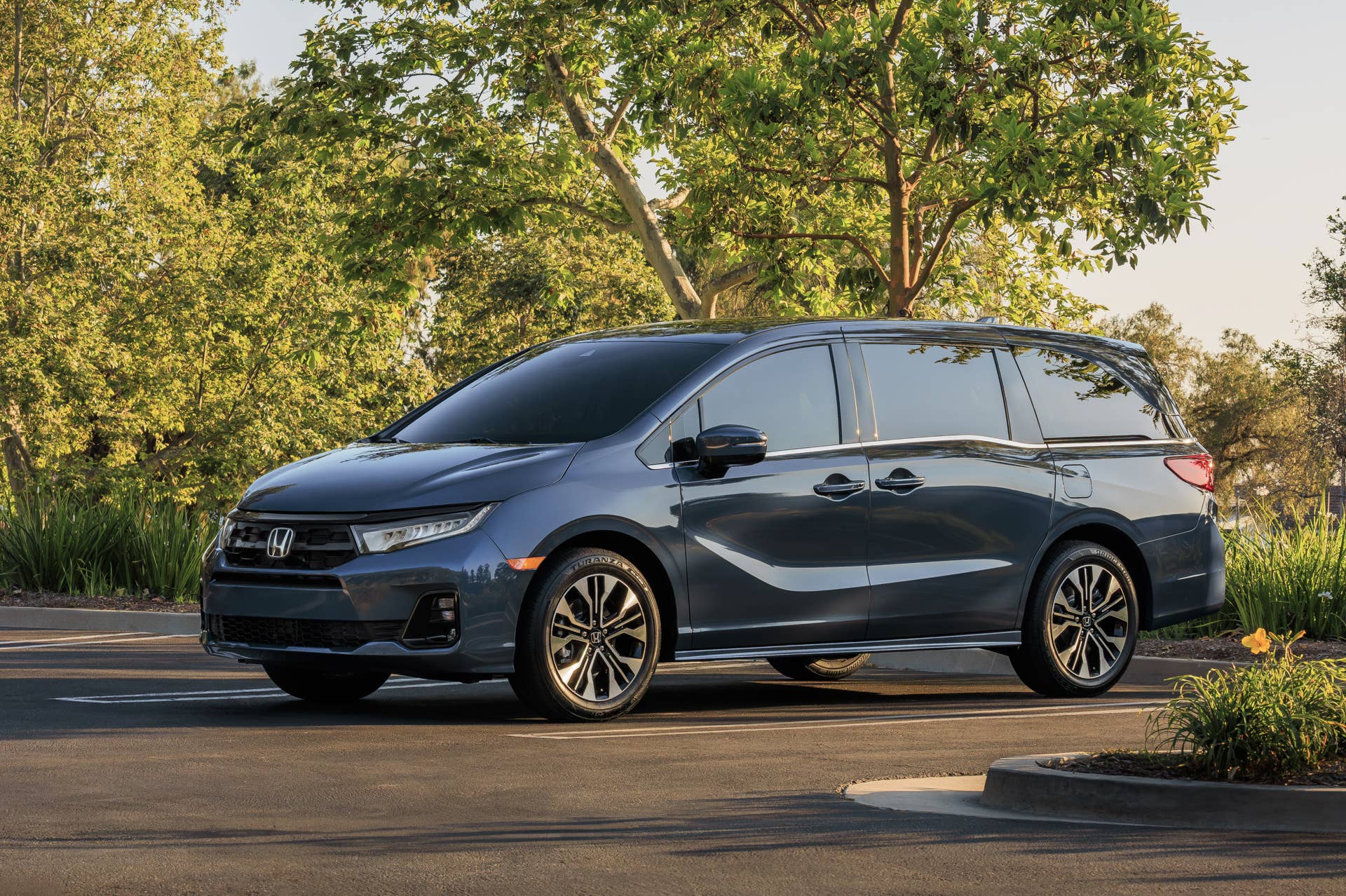
View the 2 images of this gallery on the
original article
Honda has utilized the J35 V6 for over 25 years. You can still find it powering heavy hitters like the Honda Odyssey, Pilot, Passport, Ridgeline, and Acura MDX. Paired with a smooth 10-speed automatic, this setup does require a timing belt replacement every 100,000 miles, but its long-term durability is heavily documented.
Lexus IS 350 3.5L V6
Lexus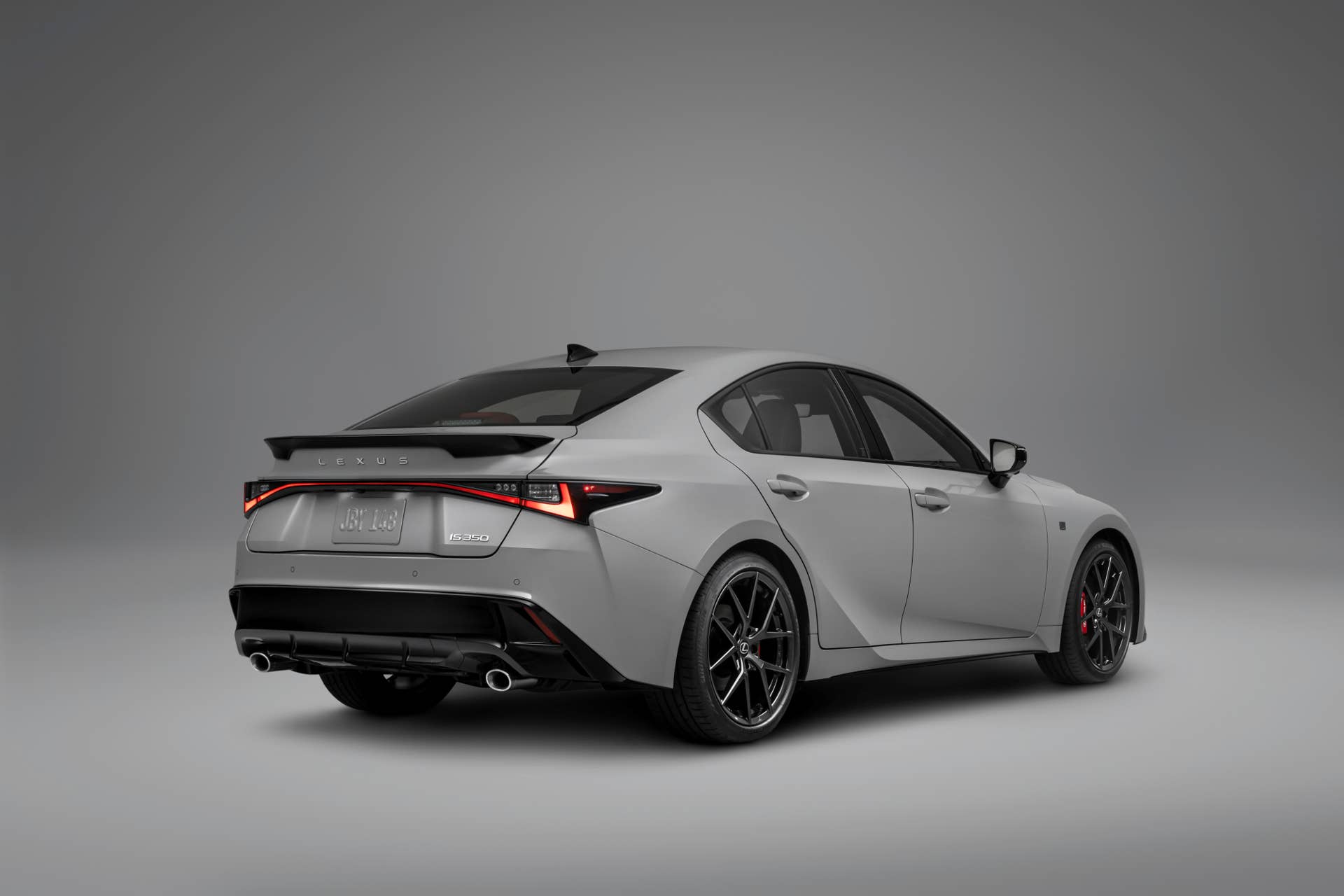
View the 2 images of this gallery on the
original article
Taking the crown for V6 longevity is the Lexus IS 350. Powered by the 2GR-FKS 3.5-liter V6, this engine skips turbochargers and cylinder deactivation entirely. Paired with either a 6-speed (AWD) or 8-speed (RWD) automatic transmission, it is widely considered one of the most robust, quarter-million-mile powertrains on the market today.
Bulletproof Four-Cylinders
Mazda Skyactiv-G 2.0L and 2.5L
Mazda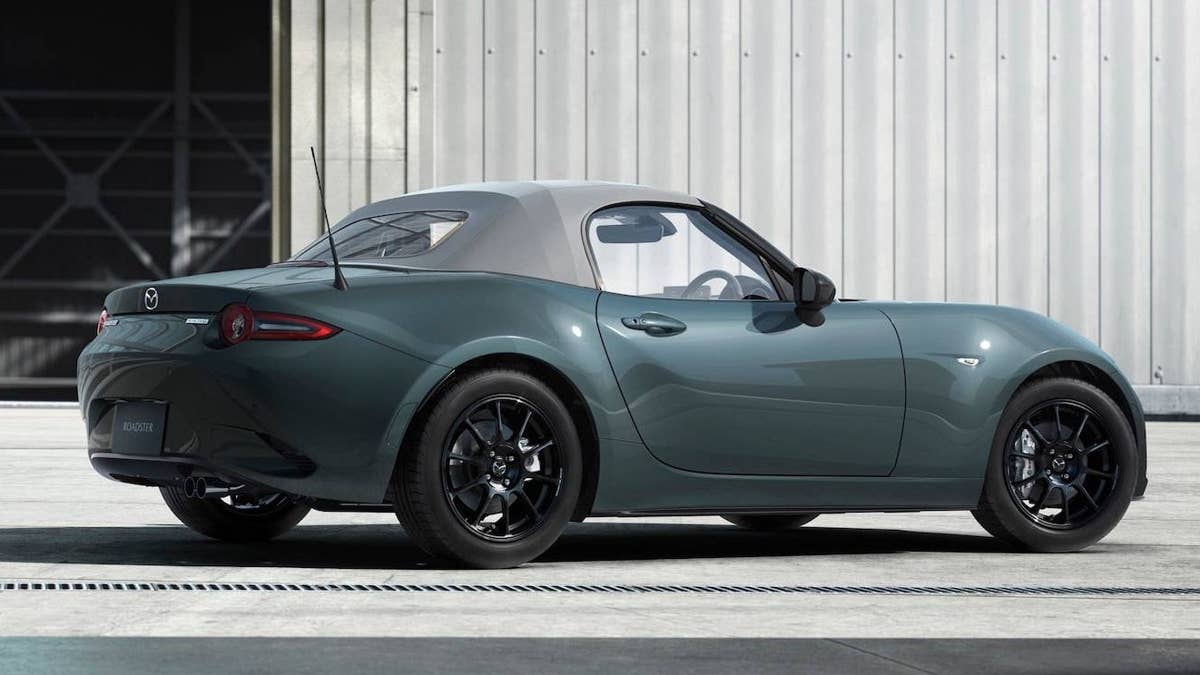
Mazda has spent nearly 15 years perfecting its Skyactiv engines. Found across their lineup, from the Mazda CX-5 and CX-50 crossovers to the Mazda3 and MX-5 Miata, these engines forgo turbochargers in their base forms and are mated to a traditional 6-speed automatic transmission. This mechanical simplicity has single-handedly elevated Mazda to the top tier of modern reliability rankings.
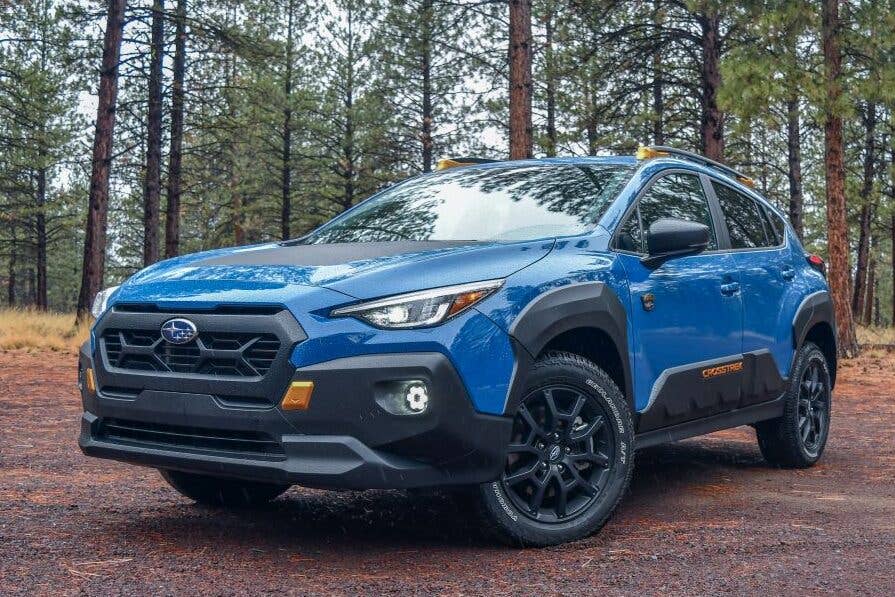
Subaru Boxer Engines (FB20/FB25)
View the 2 images of this gallery on the
original article
Subaru has long shaken off the head gasket issues that plagued its older models. Today’s 2.0-liter and 2.5-liter flat-four engines found in the Subaru Crosstrek, Forester, and Outback are remarkably sturdy. While they utilize continuously variable transmissions (CVTs), Subaru’s modern units are highly durable provided you stick to strict fluid maintenance schedules.
The Hybrid Kings
Honda 2.0L Hybrid
Honda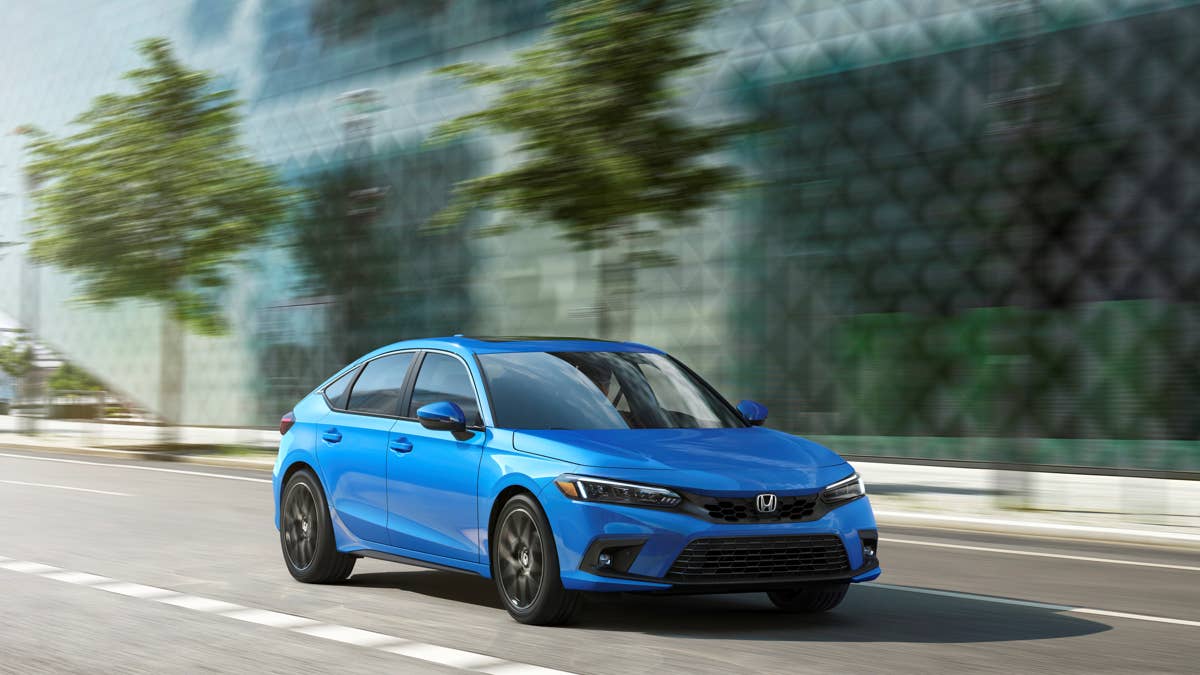
View the 2 images of this gallery on the
original article
Found in the Honda Civic, Accord, and CR-V, this naturally aspirated 2.0-liter setup uses a direct-drive hybrid system. The gas engine primarily acts as a generator for the electric motors, completely eliminating the need for a traditional transmission. It is an incredibly simple, low-stress powertrain capable of great mileage.
Toyota Dynamic Force Hybrid & 1.8L Hybrid
Toyota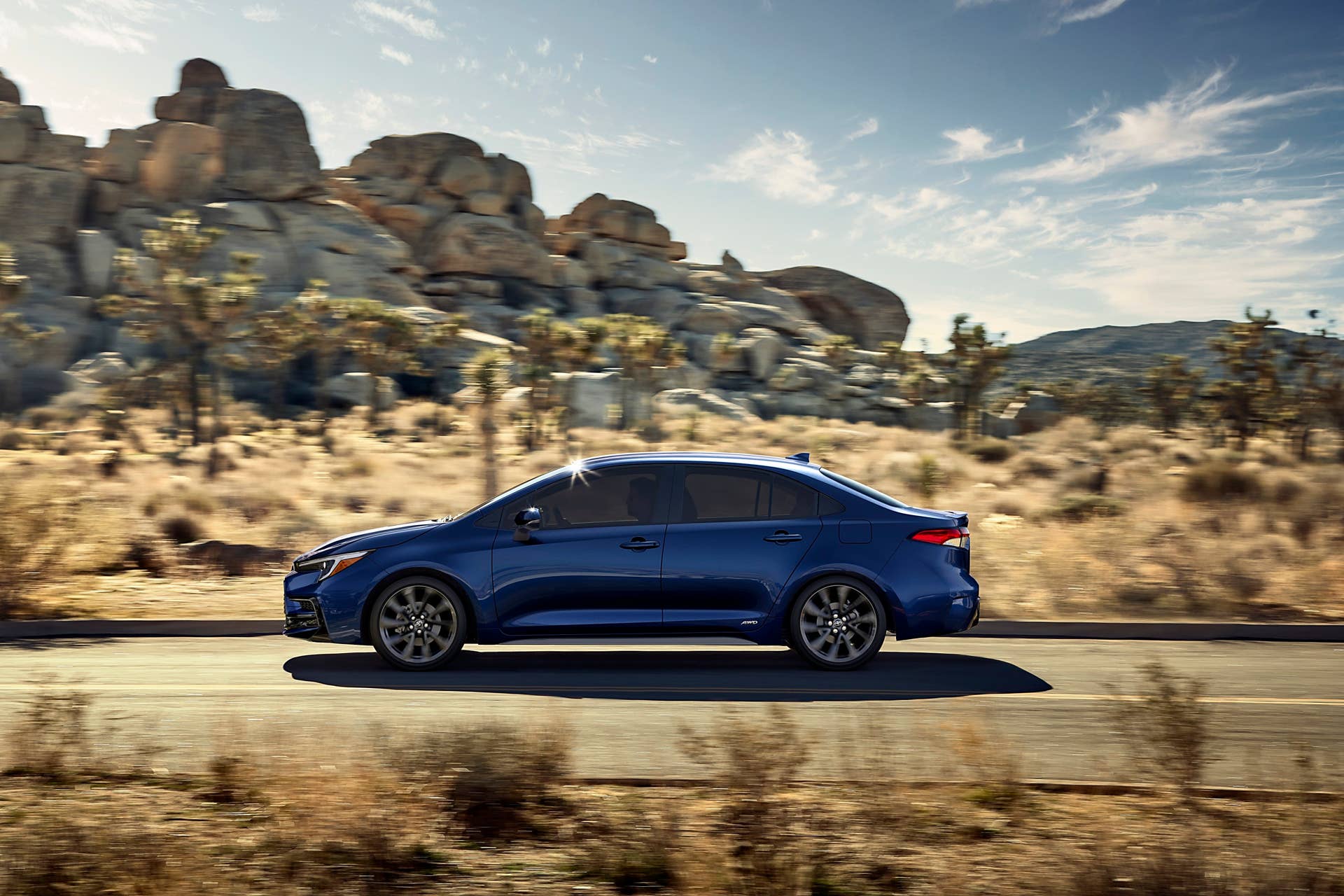
Toyota remains the undisputed king of hybrid longevity. Their modern 2.0-liter and 2.5-liter Dynamic Force hybrid engines (powering the RAV4, Camry, Sienna, and Grand Highlander) are paired with the legendary eCVT—a planetary gearset that is virtually indestructible. However, the pinnacle of proven longevity sits with the Toyota Corolla Hybrid. Utilizing an older, mechanically simpler 1.8-liter four-cylinder engine mated to the eCVT, this is the exact same powertrain heavily relied upon by taxi fleets worldwide to comfortably surpass 300,000 miles.
The Bottom Line
While the automotive industry rushes toward a heavily turbocharged future, buyers looking for a “buy it for life” vehicle still have fantastic options. By prioritizing naturally aspirated engines, avoiding complex turbo setups, and opting for proven drivetrains, you can drive off the lot in a vehicle that will easily see you through the next 15 years.