

Cheap crossovers you can rely on
Rising average prices for new vehicles in the U.S. over the last few months have increased demand for base trims of popular models. Many consumers are now willing to sacrifice desirable features like sunroofs, flashy wheels, and upgraded upholstery to obtain a new vehicle. That’s why subcompact crossovers like the Toyota Corolla Cross and Honda HR-V are getting more attention. They offer more space than comparable sedans but keep the price low. The base Corolla Cross L and HR-V LX are the cheapest available trims for each crossover, but which one is a better buy?
Related: Honda Is Making More Gas Cars Because Buyers Can’t Afford Hybrids
How Much Do They Cost?
2026 Toyota Corolla Cross L T
View the 4 images of this gallery on the
original article
The 2026 Toyota Corolla Cross L starts at $25,035, undercutting the Honda HR-V LX’s base MSRP of $26,500. Those prices exclude identical destination charges of $1,450.
The Toyota is immediately off to an advantage, then, as the $1,465 saving can go towards upgrades like all-wheel drive, premium paint, or a number of accessories. For instance, AWD costs $1,300 for the Toyota, still keeping the price below the Honda’s. If you want AWD for the HR-V, it’s an extra $1,500.
Can the Honda justify its higher price in terms of performance or its feature specification? Let’s find out.
Related: The 2026 Toyota Corolla Cross Has Many Trims, but Only One Is the Smart Buy
Corolla Cross L Vs. HR-V LX: Performance and Efficiency
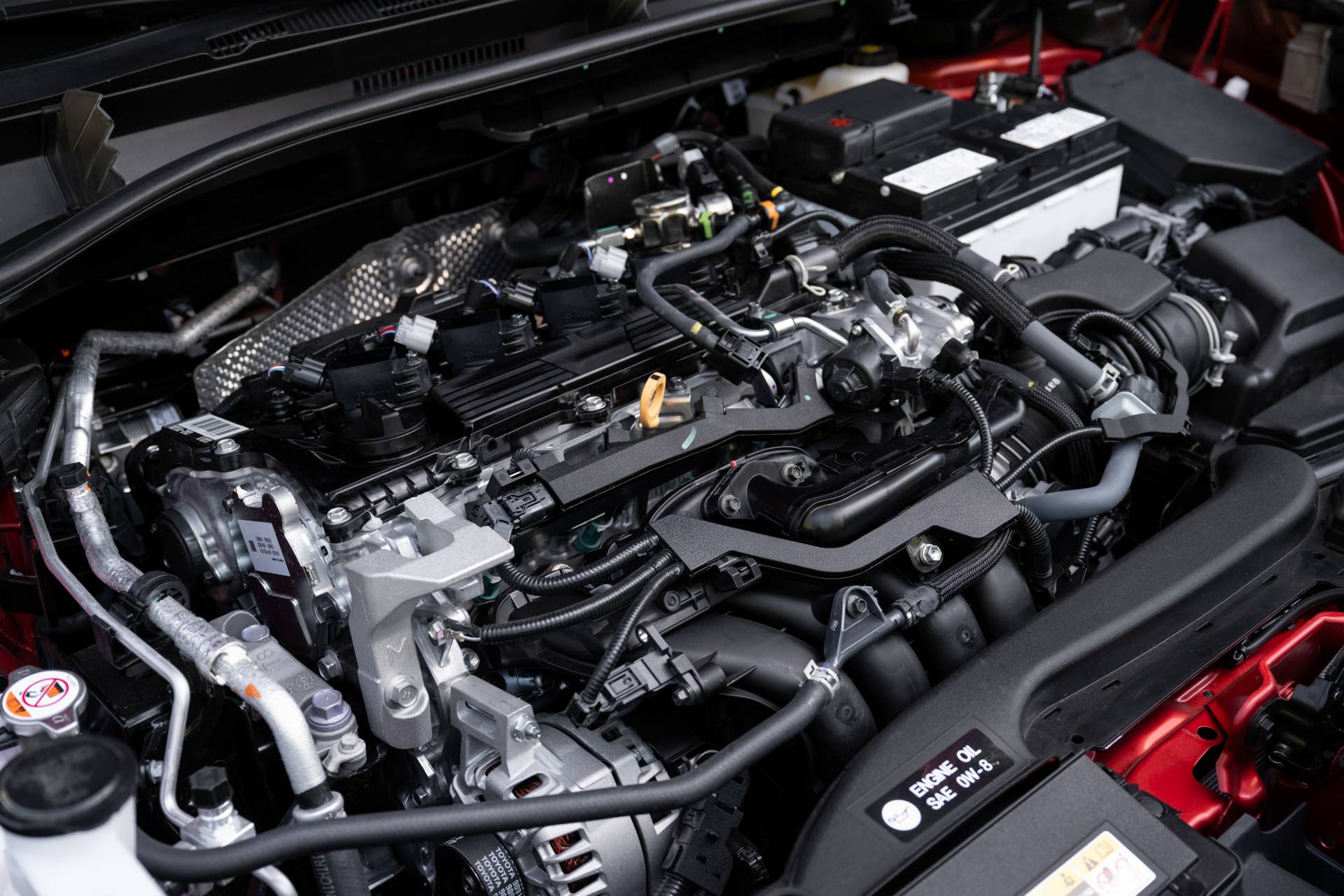
Toyota
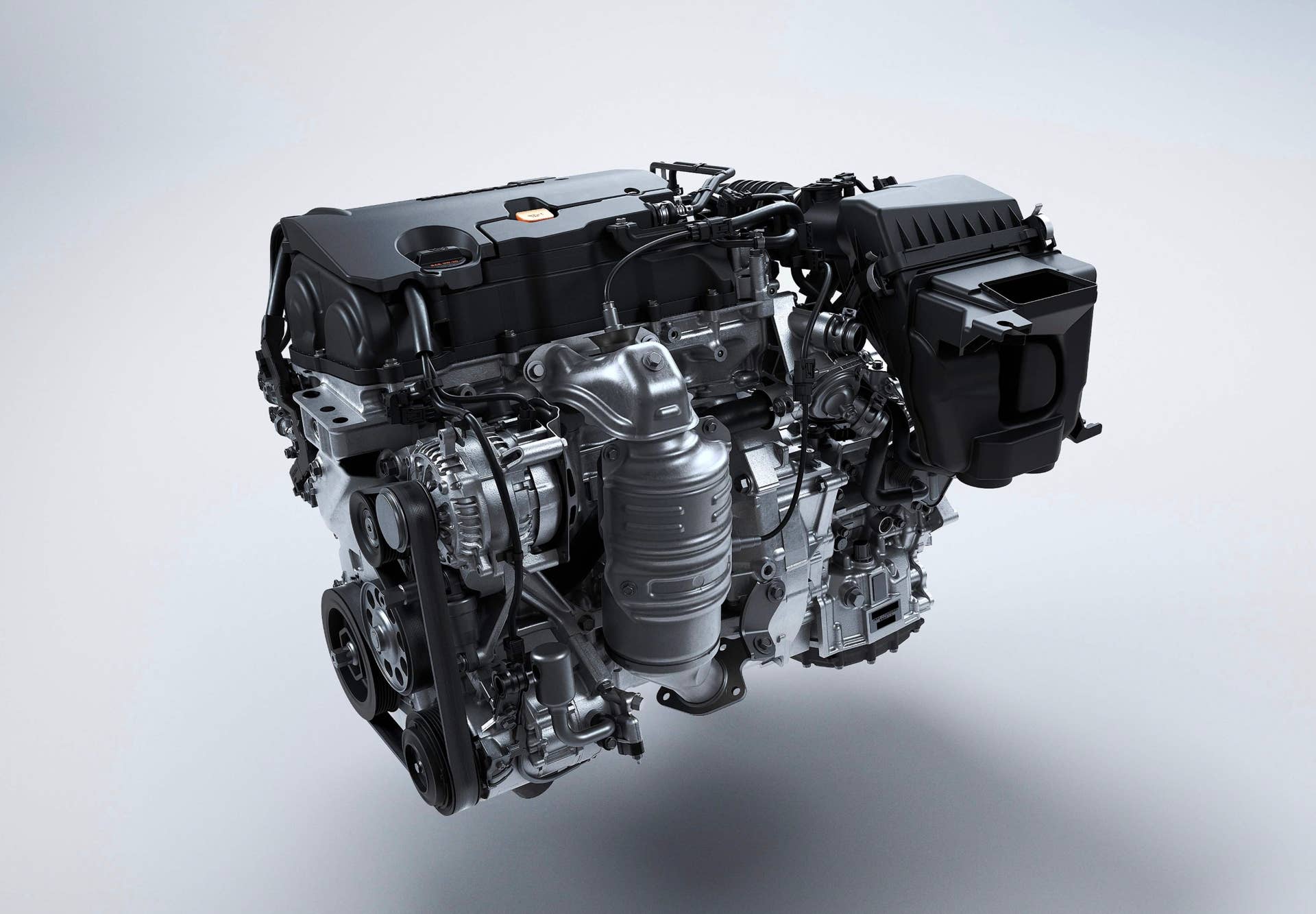
Honda
Both these cheap crossovers have 2.0-liter four-cylinder engines. They aren’t quick off the mark, but you’ll be rewarded with strong efficiency and good expected long-term reliability.
Performance can best be described as slow (Corolla Cross) and slower (HR-V), with tests by Car and Driver showing that both need over nine seconds to hit 60. The Toyota is more economical, though, with a noteworthy 4 mpg advantage on the combined cycle. Both crossovers are comfortable enough, but the HR-V is a little less mind-numbing to drive quickly along a twisty road.
Convenience and Safety Features
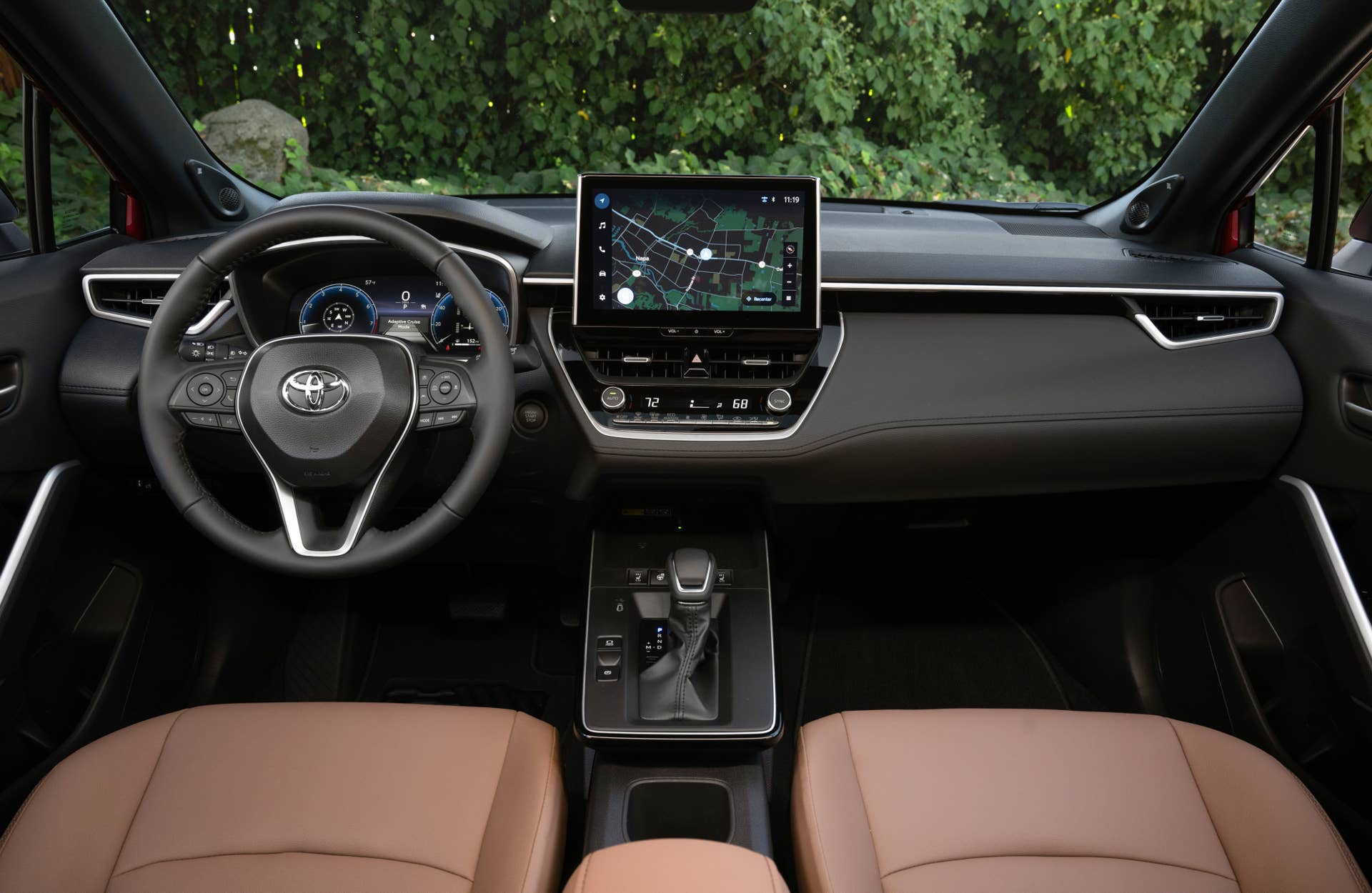
Toyota
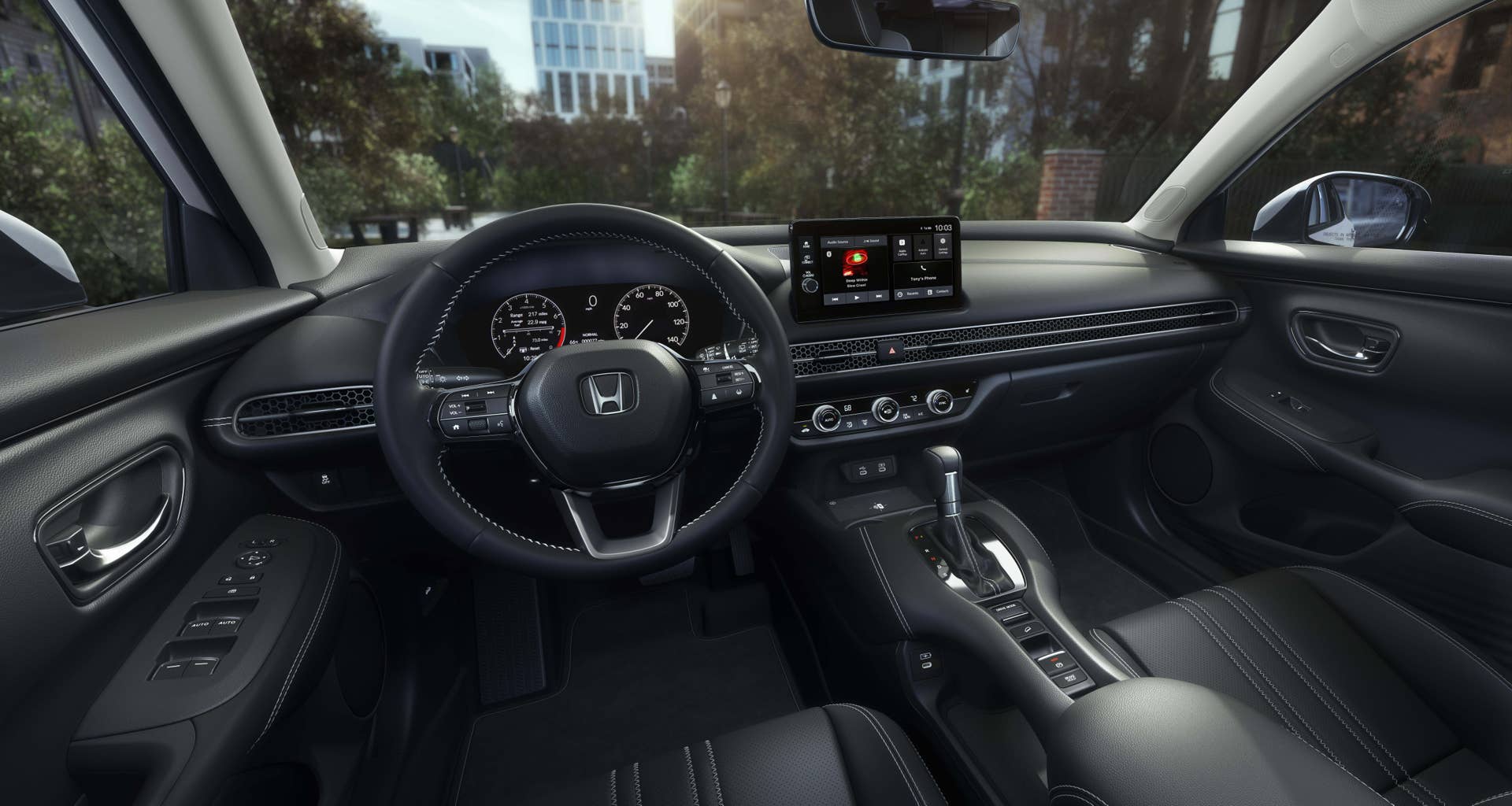
Honda
These are the base trims of the Japanese brands’ cheapest SUVs, so you can’t expect leather seats, high-end sound systems, or panoramic roofs. Here’s a comparison of key features between the two vehicles.
|
Corolla Cross L |
HR-V LX |
|
|
Headlights |
Bi-LED |
LED |
|
Wheels |
17-inch steel with covers |
17-inch alloys |
|
Power moonroof |
N/A |
N/A |
|
60/40 split-folding rear seats |
S |
S |
|
Cloth upholstery |
S |
S |
|
Climate control |
Manual air conditioning |
Automatic single-zone climate control |
|
Speakers |
6 |
4 |
|
Driver’s display |
7-inch digital |
7-inch TFT meter |
|
Touchscreen |
8 inches |
9 inches |
|
Wireless Apple CarPlay/Android Auto |
S |
S |
|
Adaptive cruise control |
S |
S |
|
Lane departure warning |
S |
S |
|
Traffic sign recognition |
S |
S |
There’s not much to separate the two vehicles, but the Honda does have alloys, a larger touchscreen, and automatic climate control, somewhat justifying its higher price. Both have an impressive number of standard driver-assistance features.
Related: Ranking The 5 Cheapest SUVs In America
Space and Practicality
Toyota
H
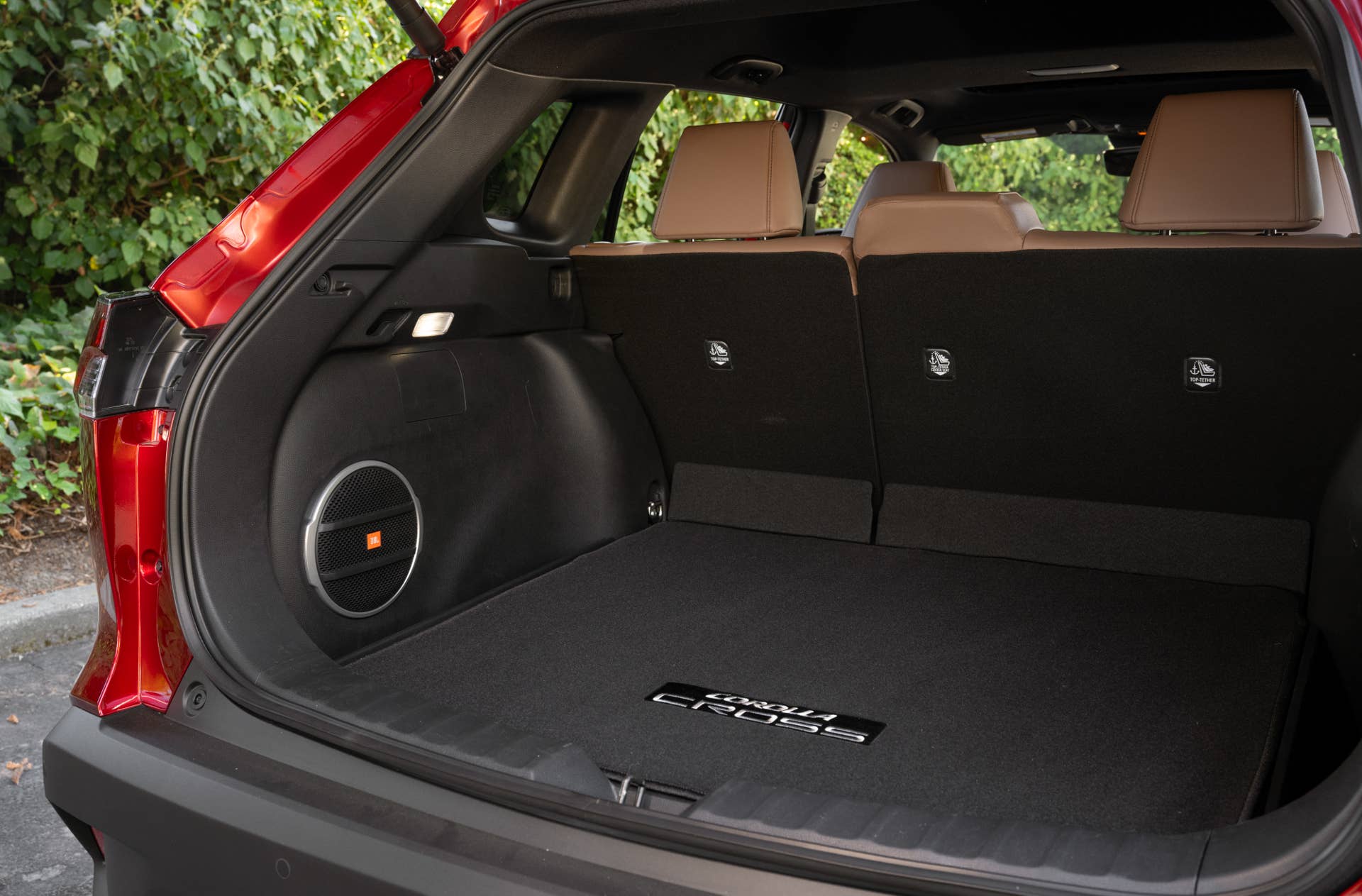
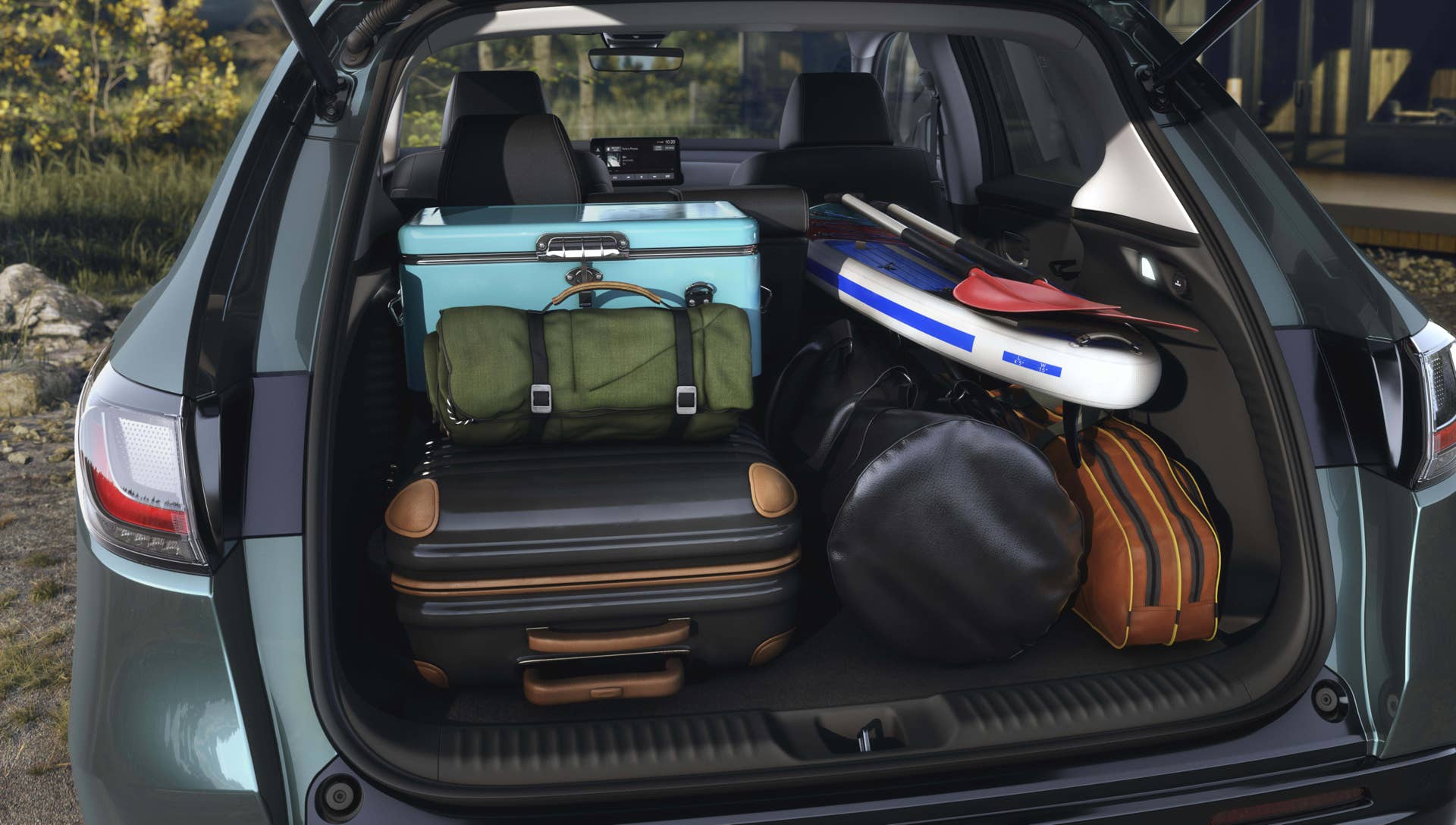
Overall passenger volume is similar, with 98.7 cubic feet in the Honda and 94.9 in the Toyota. The main differences in passenger space relate to shoulder room and rear legroom, where the HR-V is better. The Honda has 37.7 inches of rear legroom, comfortably more than the Toyota’s tighter 32.
Cargo space is almost identical, with 24 cubic feet behind the Toyota’s second row, just behind the Honda’s 24.4 cubic feet. Folding the back seats down frees up 55.1 cubic feet in the Honda, and here there is a bigger difference as the Corolla Cross FWD has just 46.9 cubic feet in the same configuration.
Final Thoughts
If you want the most cost-effective subcompact crossover, the Toyota Corolla Cross wins this battle. It’s not only cheaper to buy, but the superior gas mileage will make it cheaper to run, too. It’s also a little quicker than the Honda, but that’s not saying much.
In the end, the Honda HR-V just about manages to justify its price premium. In base form, it looks classier than the Toyota, and that extends to the high-quality interior. It has a bigger back seat, more cargo space, and a few more features. Finally, it’s a little more enjoyable to drive thanks to Honda’s chassis tuning. This is a closely matched battle, but the Honda comes out on top.