

You Say You Want A (Circular Economy) Revolution?
Honda has launched its groundbreaking Resource Circularity Center near its Marysville and East Liberty Auto Plants in Ohio, marking a shift toward sustainable automotive manufacturing. This facility addresses the need for green consciousness at every step of the manufacturing process by transforming end-of-life vehicle parts, retired equipment, and office electronics into valuable resources.
The center focuses on recycling indirect goods, including old tools, torque wrenches, industrial robots, office chairs, and aluminum wheels. This approach represents Honda’s commitment to reducing environmental impact while maximizing efficiency across its production ecosystem.
Honda
Beyond Traditional Recycling Boundaries
The facility operates on Honda’s circular value model philosophy. “The Honda Resource Circularity Center reimagines the current linear model of buying, producing and disposing into a circular value model that recaptures value and reduces waste at every turn”, said Matt Daniel, American Honda Motor Co. procurement sustainability director.
Honda’s recycling strategy extends beyond traditional automotive waste management. The company plans to explore opportunities such as donating non-technical goods to nonprofits or repurposing scrap leather from car seats into luggage tags. This demonstrates how recycled materials can be transformed into interior components and accessories. The recycling process focuses on recovering valuable materials from end-of-life vehicles and repurposing them into new automotive applications.
Honda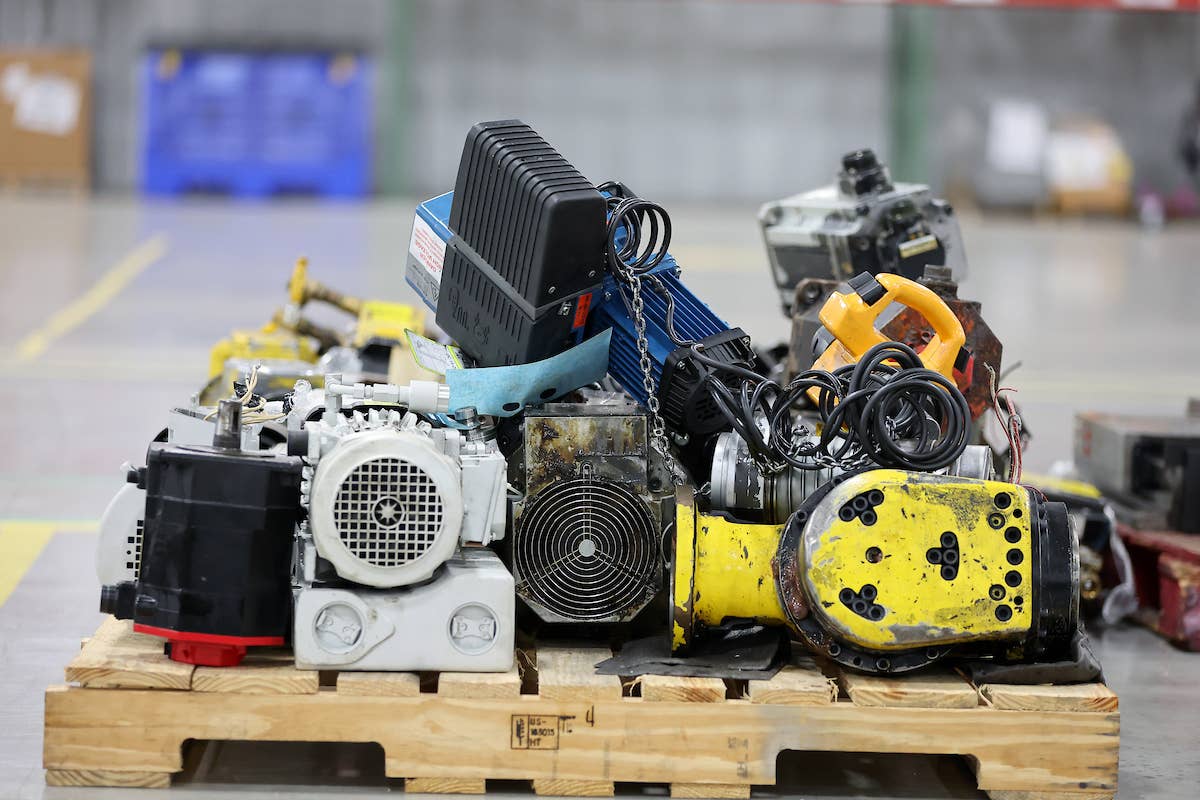
The Green Revolution Rebooted
This initiative places Honda alongside other forward-thinking manufacturers embracing sustainable practices. Audi announced a similar end-of-life recycling program through a partnership with TSR Resource, turning steel scrap from vehicles into high-quality post-consumer secondary material. Audi is already implementing recycled materials in Q4 e-tron windshields and Q6 e-tron roof sections, proving that recycled automotive components can meet premium quality standards.
Honda’s Resource Circularity Center represents more than environmental responsibility. It’s a strategic transformation that reduces costs while supporting the need for improved sustainability from automotive manufacturers.