

Key Points
- Cooling EV demand, rising costs, and shifting incentives have forced automakers to shelve or cancel several high-profile vehicles before production ever began.
- Full-size electric trucks, three-row electric SUVs, and EV sedans remain the most vulnerable segments due to cost, range, and real-world usability challenges.
- Most cancellations reflect pivots toward hybrids, range-extended EVs, or different vehicle segments rather than a full retreat from electrification.
Once Promising EVs are Dead Before Arrival
Concept cars and future-product announcements are meant to be the exciting part of the auto industry. They hint at what’s coming next, signal where brands are headed, and give buyers something to look forward to. But over the past few years, a noticeable gap has opened up between what automakers announce and what actually reaches showrooms.
Cooling EV demand in some segments, rising development costs, shifting regulations, and changing buyer priorities have all forced manufacturers to rethink product plans. In many cases, vehicles that were publicly discussed or heavily rumored were delayed indefinitely, reworked into something else, or cancelled outright before production ever began. Here are five planned electric vehicles that never took off.
Kia EV4
Kia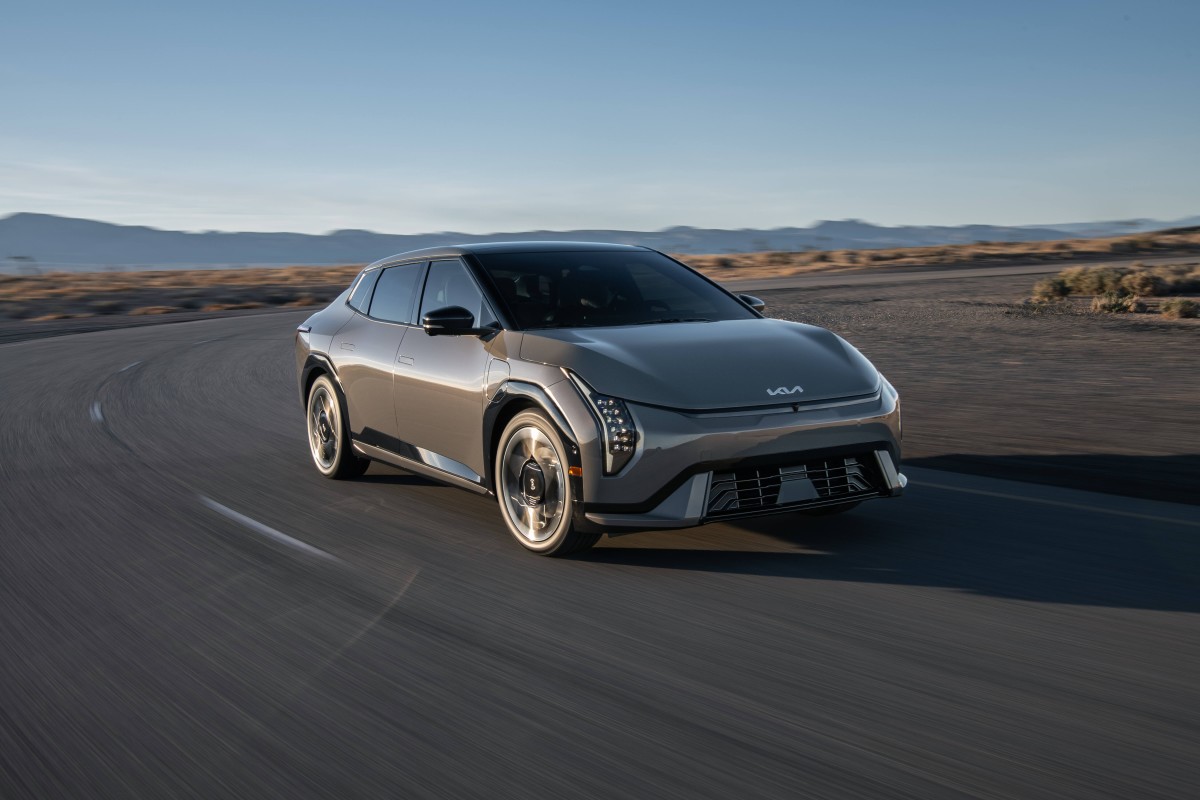
The Kia EV4 was expected to play a key role in Kia’s expanding electric lineup. Positioned as a more conventional, sedan-like EV rather than another crossover, it was meant to broaden the brand’s appeal and offer a more affordable entry point into Kia’s EV lineup, headed up by the EV6 and the three-row EV9.
That plan stalled before it really got started. The EV4’s rollout was pushed back with no clear production timeline, effectively placing it in limbo. While not formally declared dead, an indefinite delay often functions the same way for consumers. There’s no longer a target date, and with EV sales cooling, nothing remotely definitive about its life here.
Kia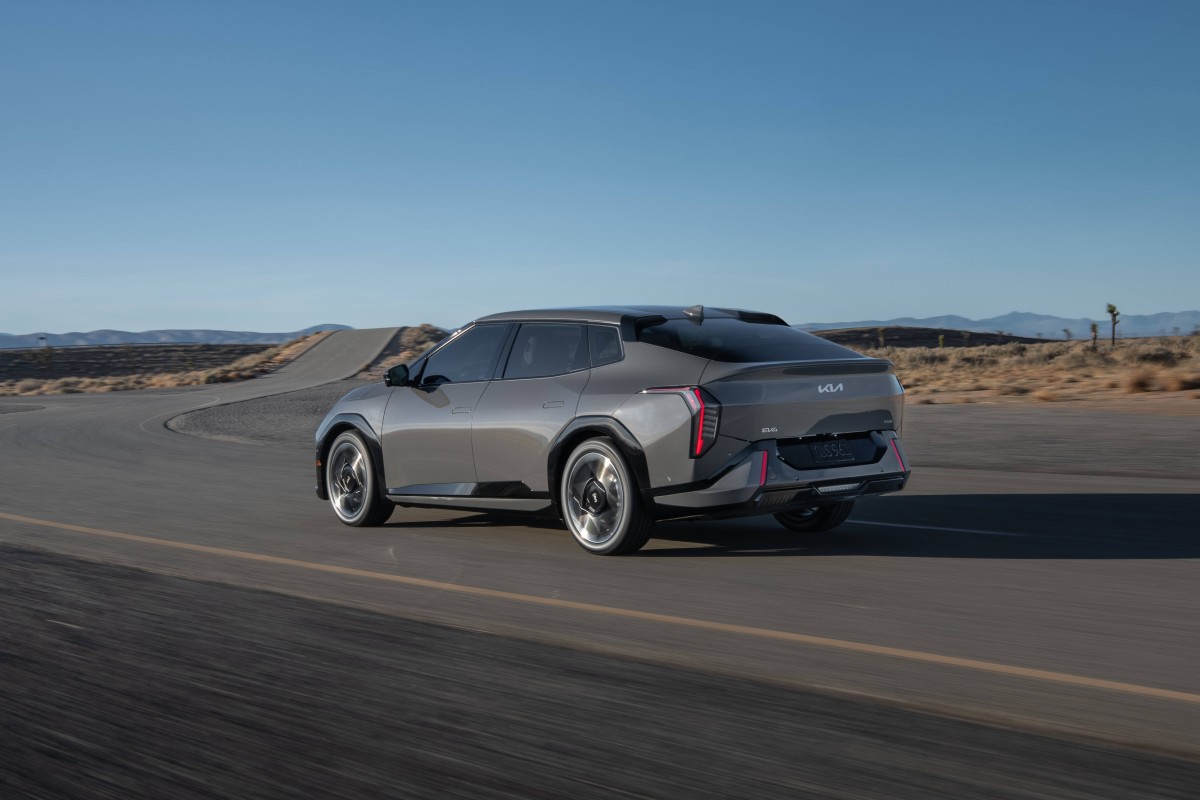
The EV4’s situation highlights how vulnerable EV sedans are in the current market. Crossovers and SUVs continue to dominate sales, and the business case for launching a new electric sedan has become far harder to justify.
Ram 1500 BEV
R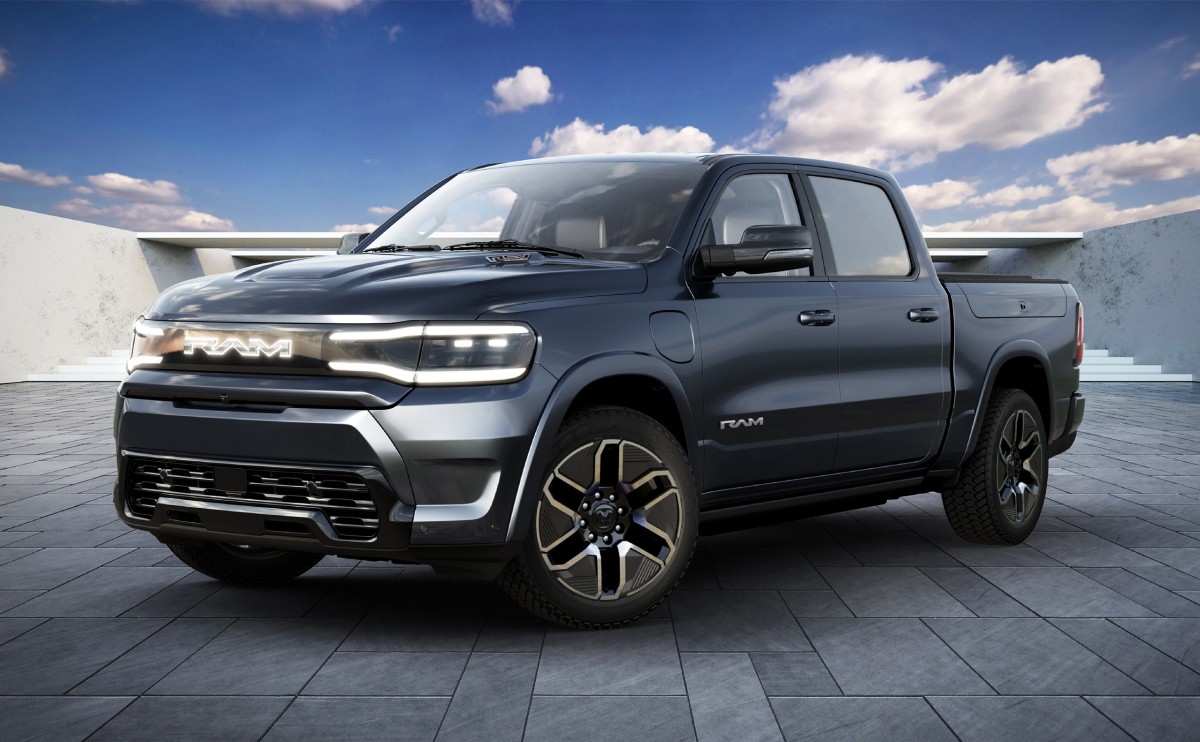
Ram’s fully electric full-size pickup was once positioned as a direct competitor to electric trucks from Ford and General Motors. Early messaging suggested a traditional battery electric Ram 1500 that would preserve the brand’s towing and hauling credibility.
Over time, the plan unraveled. Delays mounted, timelines slipped, and eventually Ram abandoned the idea of a fully electric half-ton pickup altogether. Instead, the company pivoted toward a range-extended electric truck strategy that relies on a battery supplemented by an onboard generator.
Ram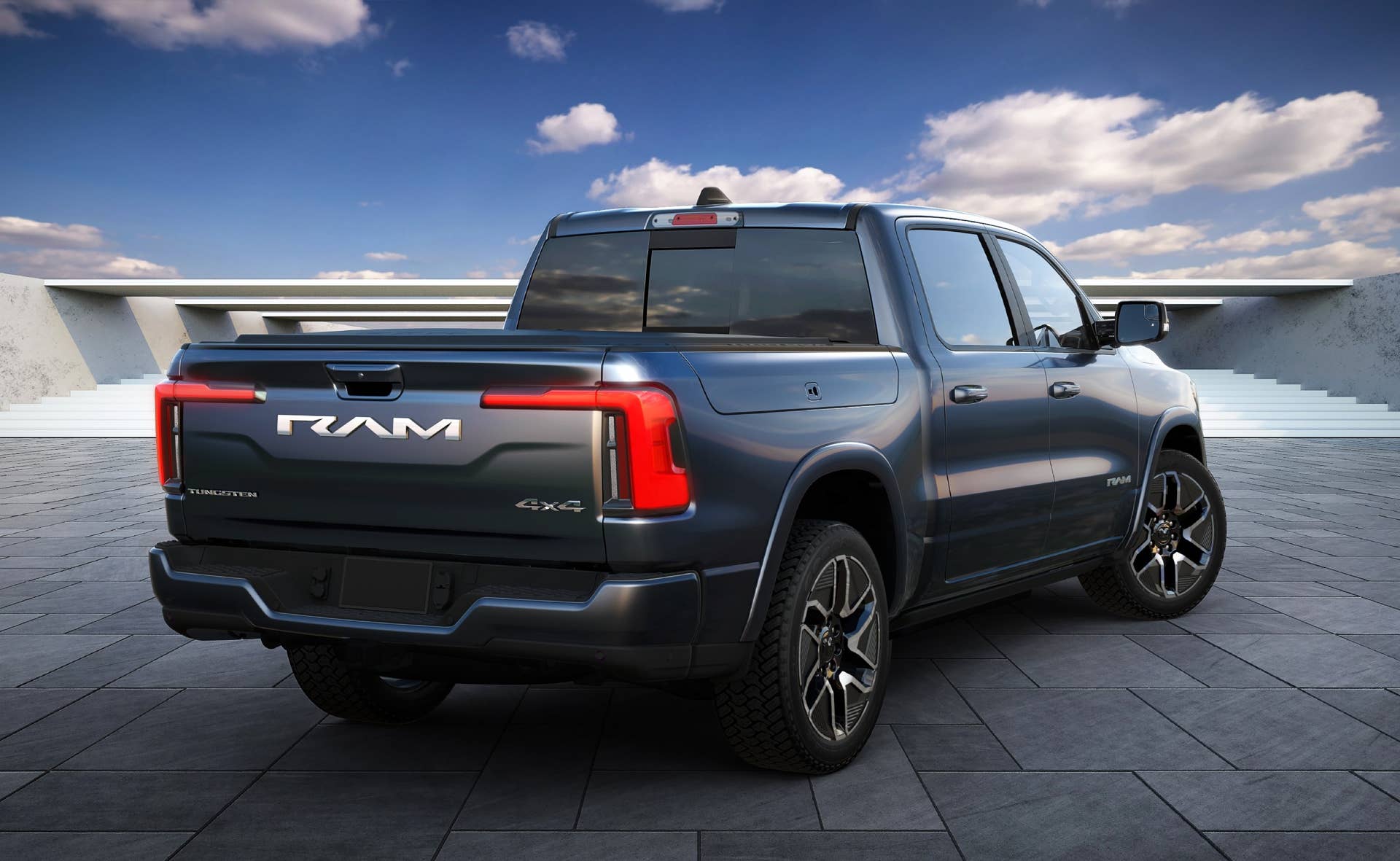
That shift effectively killed the original BEV version of the Ram 1500 before it reached production. It also revealed how challenging it remains to deliver acceptable range, towing capability, and charging convenience in a pure electric full-size truck at a price buyers are willing to pay. Now, with the death of the Ford F-150 Lightning, the Ram 1500 BEV may never become a reality.
Honda 3-Row EV
H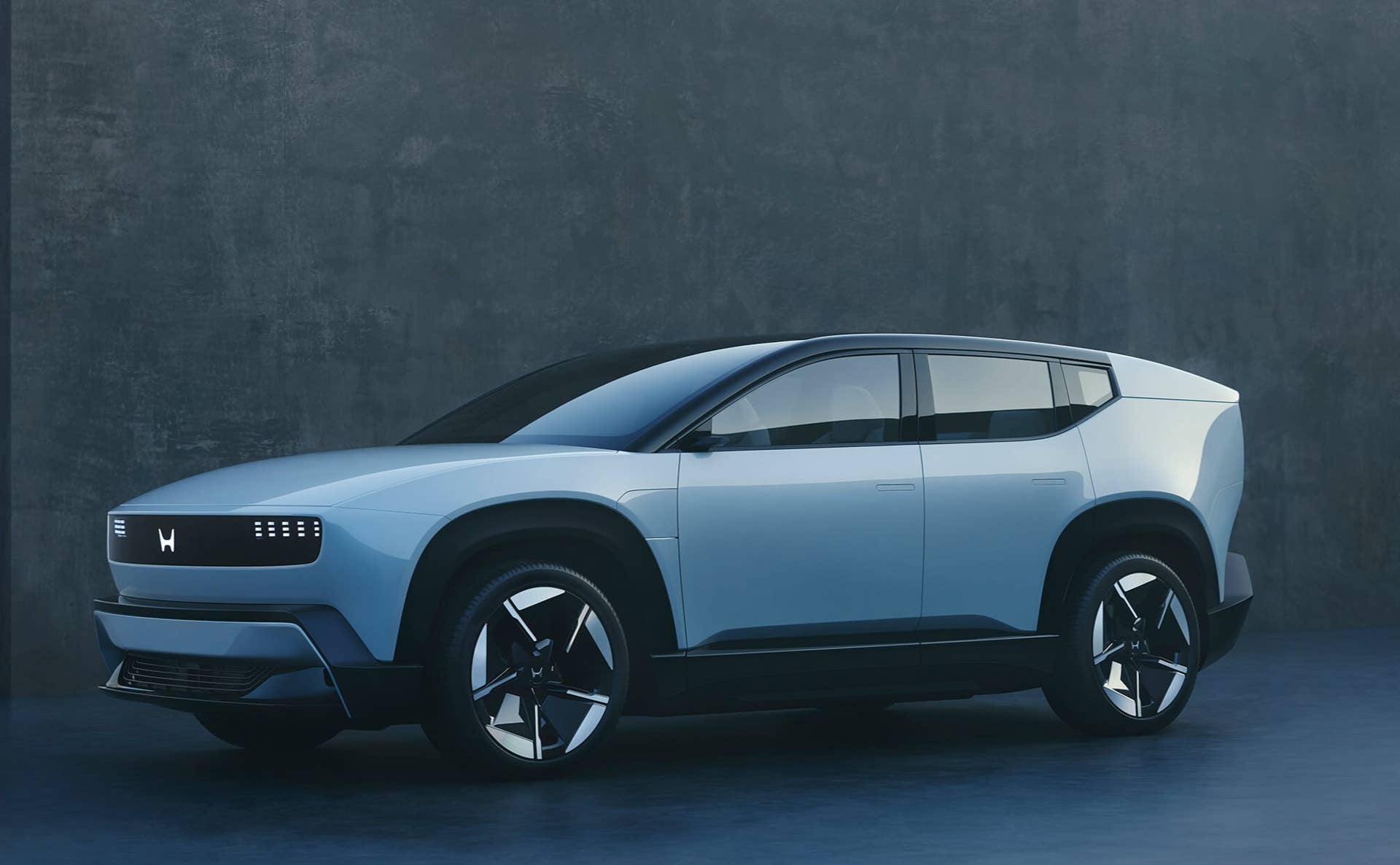
Honda has taken a notably cautious approach to electrification, prioritizing long-term flexibility over rushing products to market. As part of its EV roadmap, the brand explored a large three-row electric SUV aimed at families who need space and versatility.
That plan was ultimately abandoned. Developing a three-row EV comes with significant challenges, including weight, cost, and range limitations. These vehicles require large batteries to meet customer expectations, which quickly drives up price and complexity.
H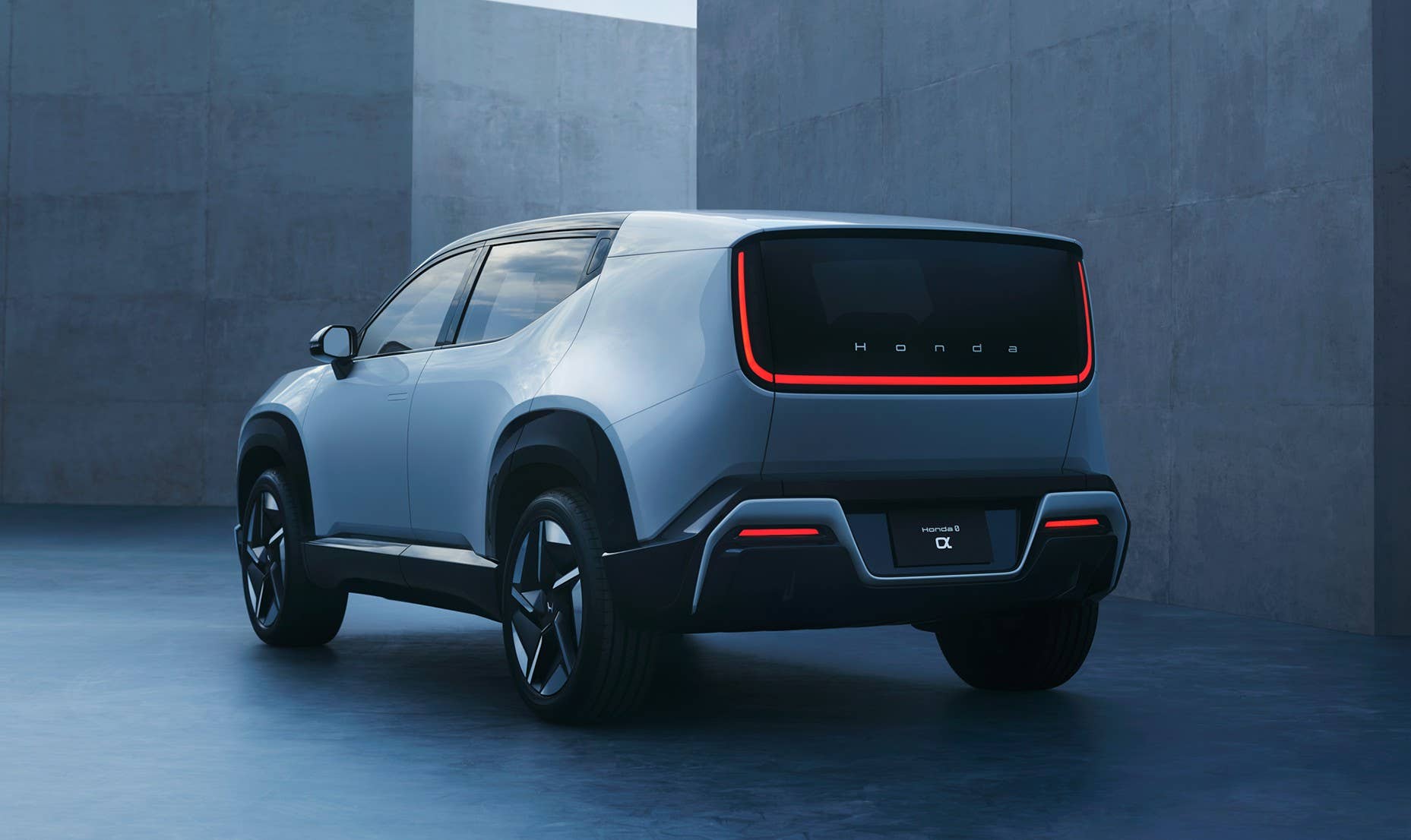
Rather than forcing a product into production under unfavorable conditions, Honda redirected its attention toward hybrids and other electrified solutions that better align with current buyer behavior. The cancellation is just another sign that the industry is starting to understand that large electric family vehicles are among the hardest EVs to make viable today.
Dodge Charger Daytona SRT Banshee
D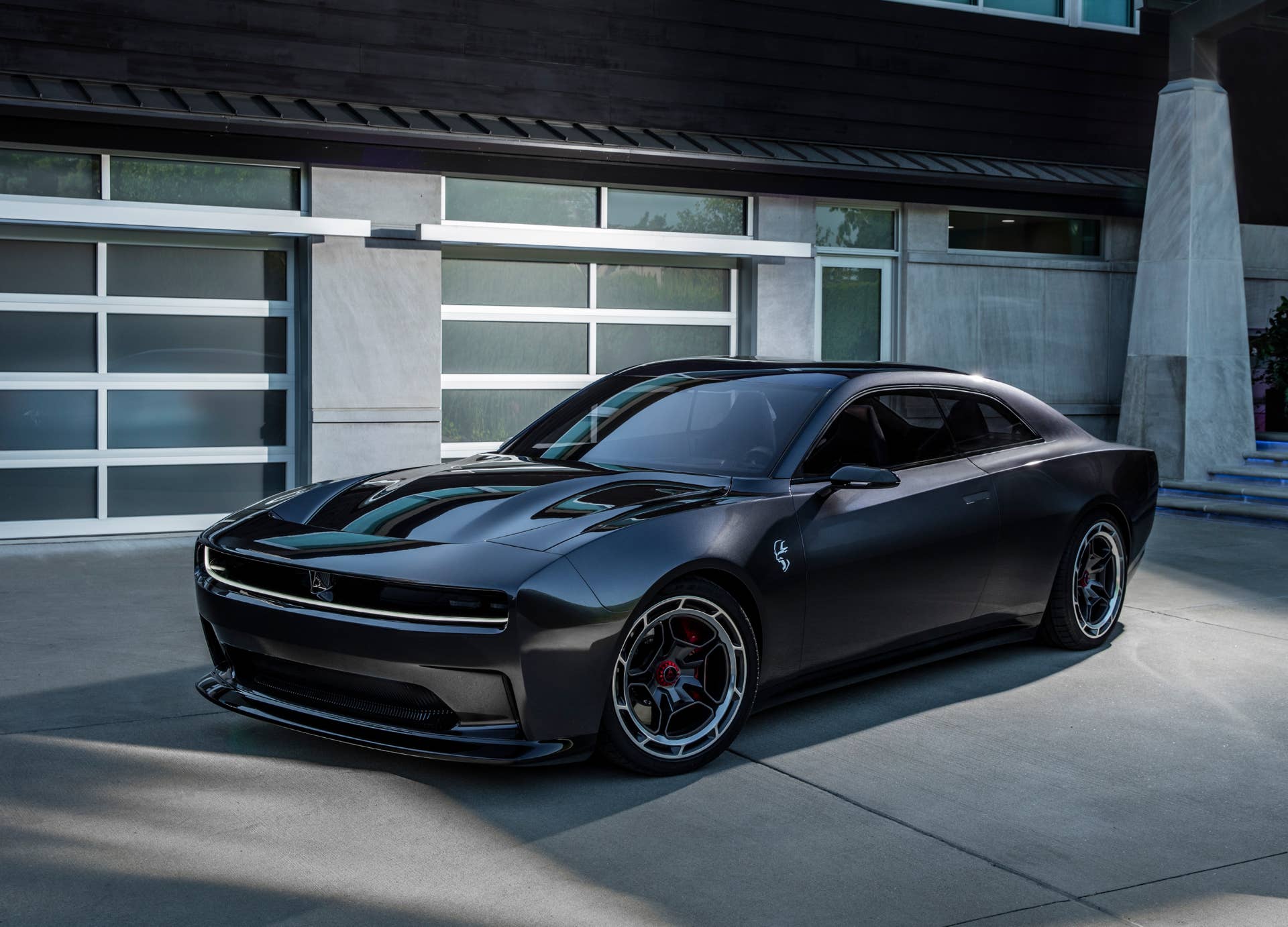
Dodge’s electric muscle car future generated plenty of attention, and the Charger Daytona concept lineup was designed to carry the brand into a new era. There was so much promise based on its retro-futuristic styling, huge power output, and the radical Fratzonic exhaust sound. The SRT Banshee variant, in particular, was expected to sit at the top of the range as a high-performance halo model with over 800 horsepower via three electric motors. It was not to be.
D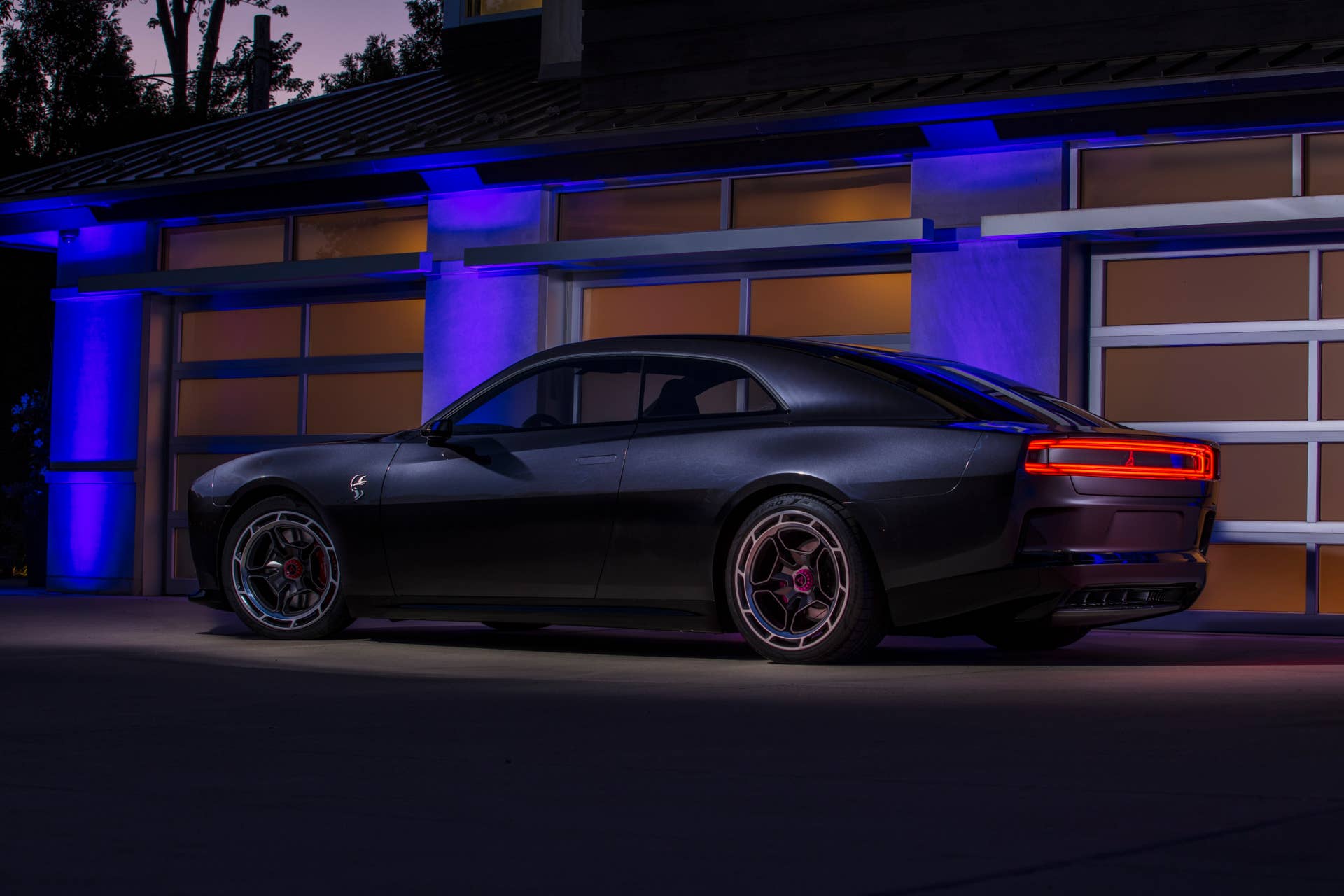
The SRT Banshee version never made it to production. Sales of the electric Charger Daytona have been so bad that Dodge had to scrap it, along with the entry-level Daytona R/T trim. While Dodge continues to explore electrified performance in other forms, the Banshee trim itself was shelved before customers could order one. Halo vehicles are expensive to engineer, and their low sales volumes make them difficult to justify when budgets tighten. Dropping the Banshee allowed Dodge to streamline its plans and focus on a revamped SRT portfolio.
Volkswagen ID.7
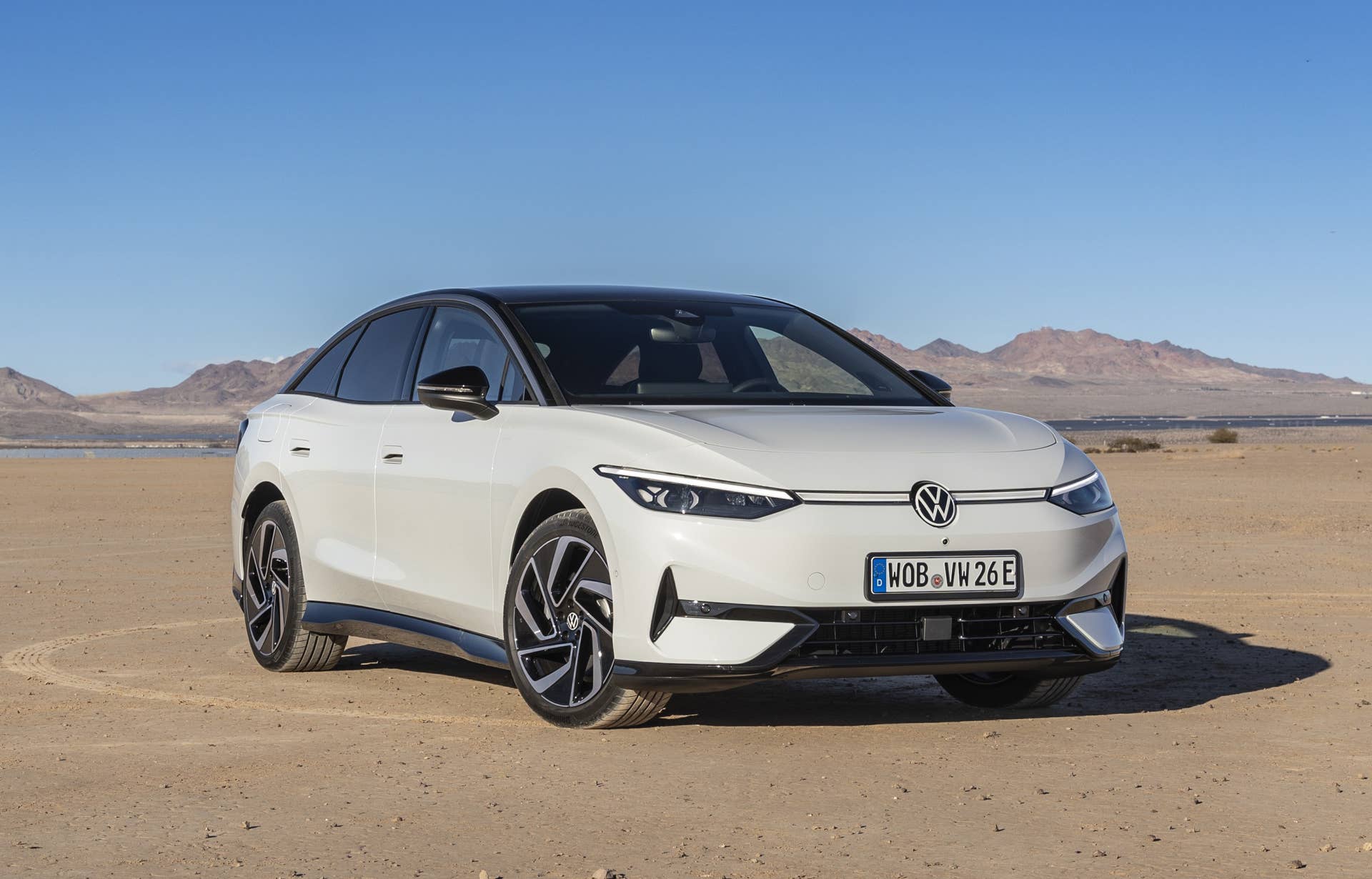
The Volkswagen ID.7 represents a different kind of cancellation. The vehicle exists and is sold in other global markets, but plans to bring it to North America were scrapped before production for this region began. Volkswagen pulled the plug on the ID.7 for North America, citing a tough EV environment marked by slowing demand, high pricing that pushed the car into the $50k range, uncertainty around incentives under the Trump administration, and a continued shift toward SUVs and crossovers, which ultimately made the electric sedan a harder sell than the ID.4, which has struggled in its own right.
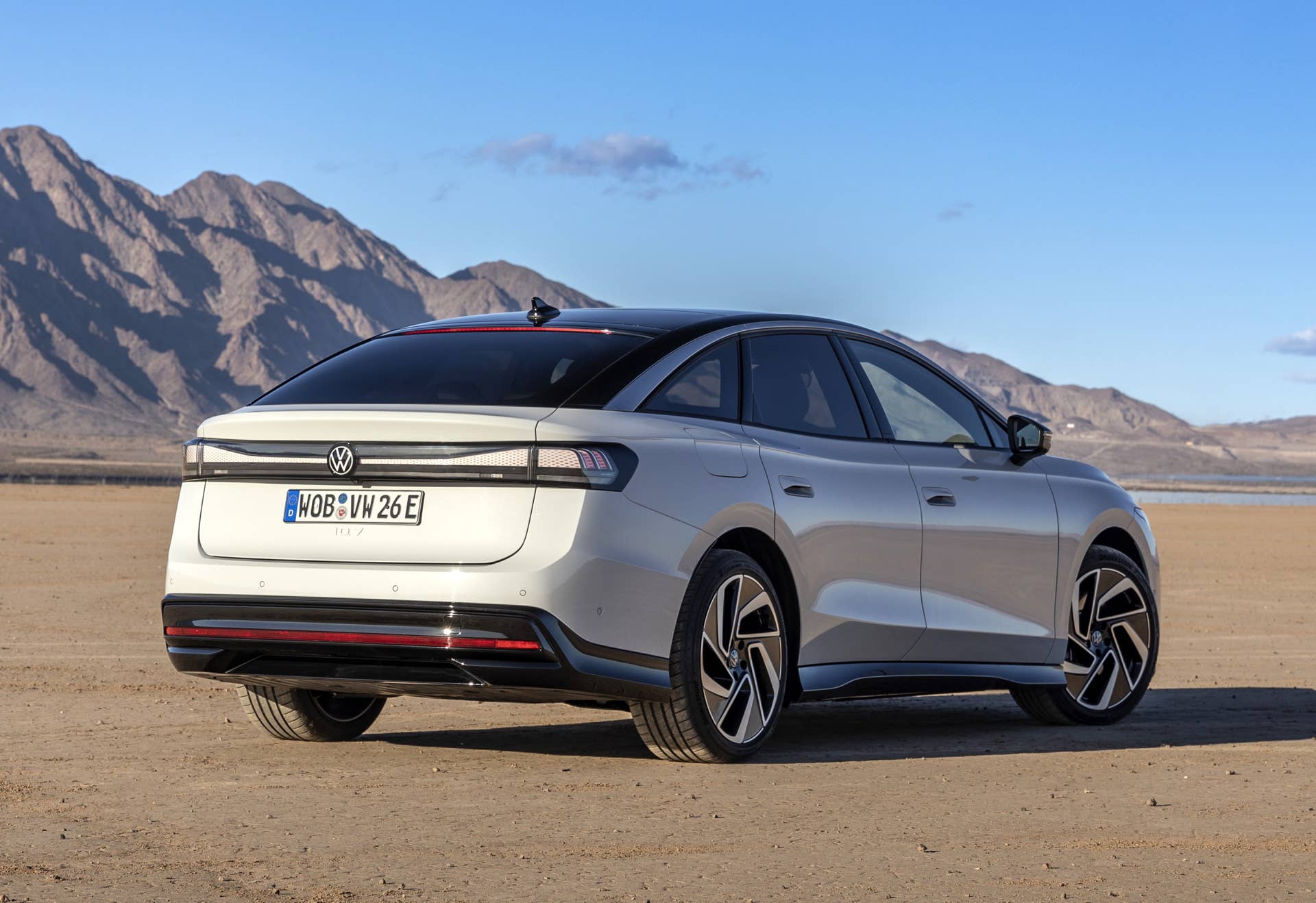
The ID.7 was meant to serve as an electric alternative to traditional midsize sedans like the Passat. It offered a familiar shape, long-distance comfort, and a more understated design than many EVs. Despite that, Volkswagen concluded the market conditions in North America were not favorable enough to support its launch. As a result, the ID.7 never reached U.S. or Canadian dealerships, leaving a noticeable gap in Volkswagen’s electric lineup for buyers who prefer sedans over SUVs.
Final Thoughts
These cancelled and shelved vehicles do not signal the end of electrification, but they are indicative of dramatic shifts in the industry. Automakers are becoming more selective, choosing segments where EVs make the most sense today and avoiding those that create more problems than they solve. Electric sedans remain a tough sell, full-size electric trucks face real-world limitations, and three-row EVs struggle with cost and range. Until technology and infrastructure catch up, many ambitious plans may just remain on the drawing board.