

Tapping into the past for future icons
The auto industry loves nostalgia almost as much as it loves innovation. If you’ve seen old names used for new models, then you’re not alone. Ford Bronco, Acura Integra, Toyota Supra, Dodge Dart, Mitsubishi Eclipse (Cross), and the Ford Mustang (Mach-E) come to mind. Not all of these second comings are worthy of their names, but that doesn’t mean automakers will stop reusing memorable nameplates. The good thing is, we probably won’t see Ford bring back the Probe.
There’s power in past nameplates, but their re-use isn’t always a straight line from the original model. Oftentimes, the resurrected names are used for models that follow in their ancestors’ footsteps, while other times they are used in new segments. For enthusiasts, the revival of iconic names means the chance to reconnect with history, while for automakers, it’s a way to blend proven brand equity with modern technology and style. More comebacks are on the horizon, with several beloved Japanese nameplates poised for a modern reboot. Here are five icons that are staging their return.
Honda Prelude
Honda
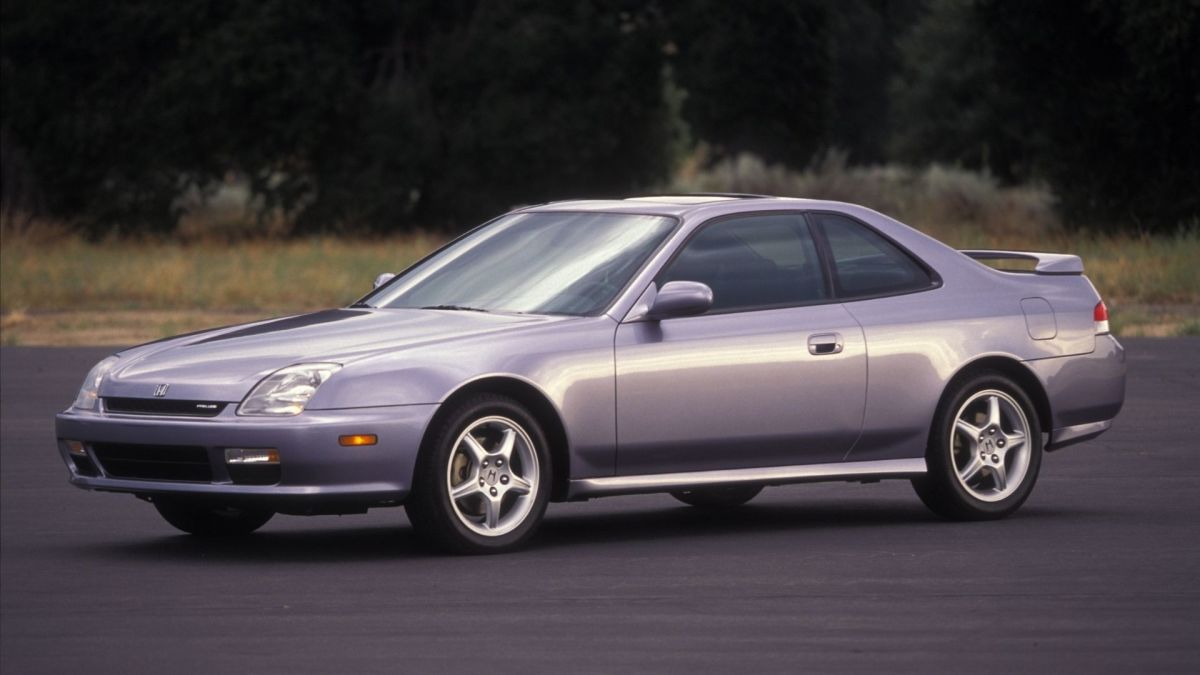
The return of the Prelude is one of the biggest automotive news stories of 2025, and for good reason. The Honda Prelude first arrived in 1978 as a sleek coupe that would eventually become a front-wheel-drive performance halo. Across five generations, it cemented its reputation as a stylish, well-balanced two-door that appealed to both tuners and commuters who wanted something sportier than a Civic or Accord. By the time production ended in 2001, enthusiasts mourned the loss of a car that seemed to embody Honda’s golden era of driver engagement. The Accord Coupe never quite worked as the Prelude’s replacement.
Honda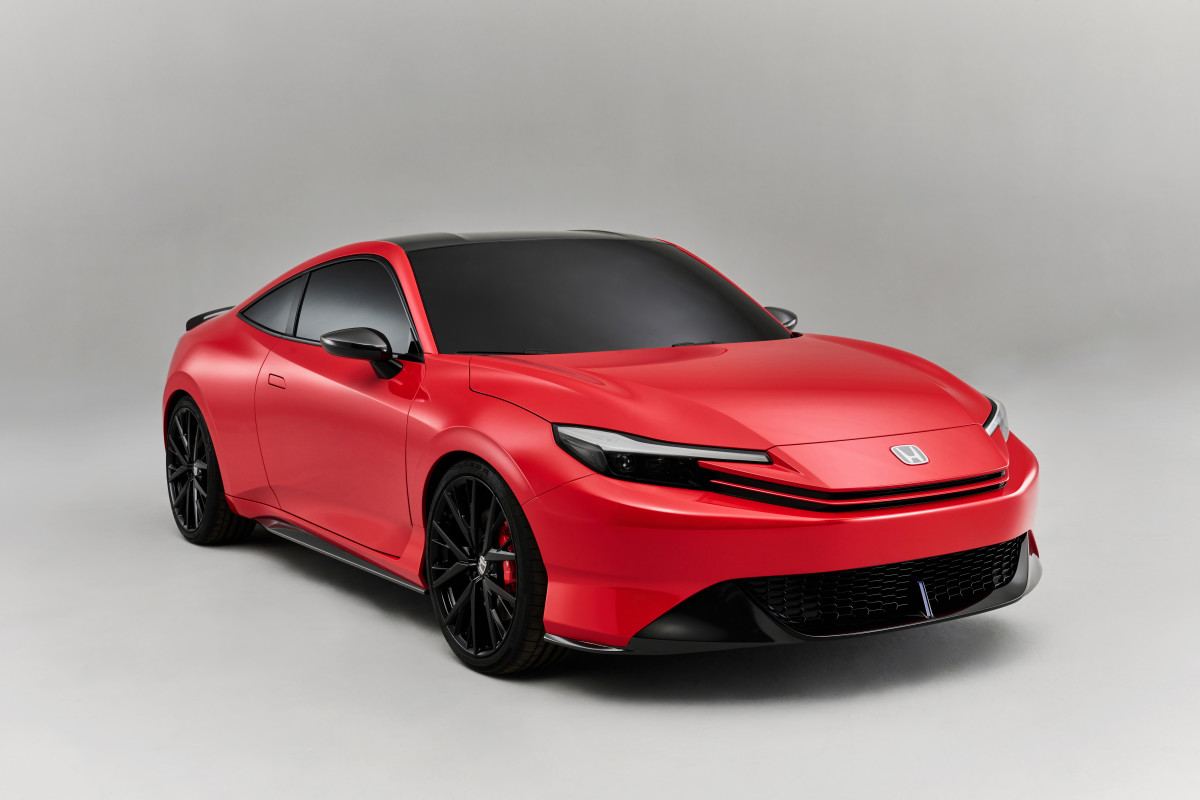
Fast forward to the 2023 Tokyo Motor Show, where Honda shocked fans with the unveiling of the Prelude Concept. Its design language channels the brand’s modern aesthetic while clearly echoing the proportions of the classic model: long hood, short rear deck, and a coupe silhouette. The production version, expected later this year as a 2026 model, will feature hybrid power, more specifically a 2.0-liter Atkinson-cycle four-cylinder and a pair of electric motors from the current Civic Hybrid, where the combo produces 200 horsepower and 232 lb-ft of torque. Shifting duties come by way of a Honda S+ Shift system, an e-CVT.
Honda
The Prelude’s revival is more than a nostalgia play. It represents Honda’s intent to rekindle passion among enthusiasts at a time when sedans and coupes are an endangered species. The lack of a manual transmission like previous Preludes means we’ll have to see how well the simulated shifts of the Honda S+ Shift system and corresponding active sound control engage the driver. If Honda can combine sharp handling with hybrid efficiency, the Prelude could revive the love the nameplate garnered over five generations.
Acura RSX
Acura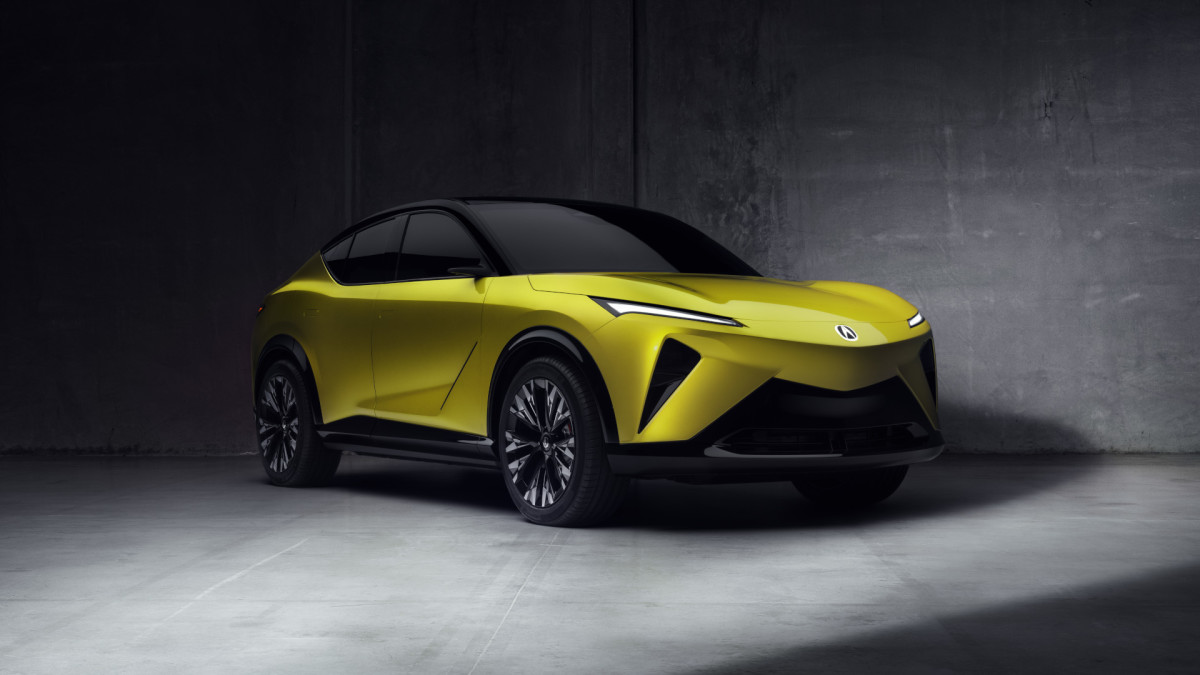
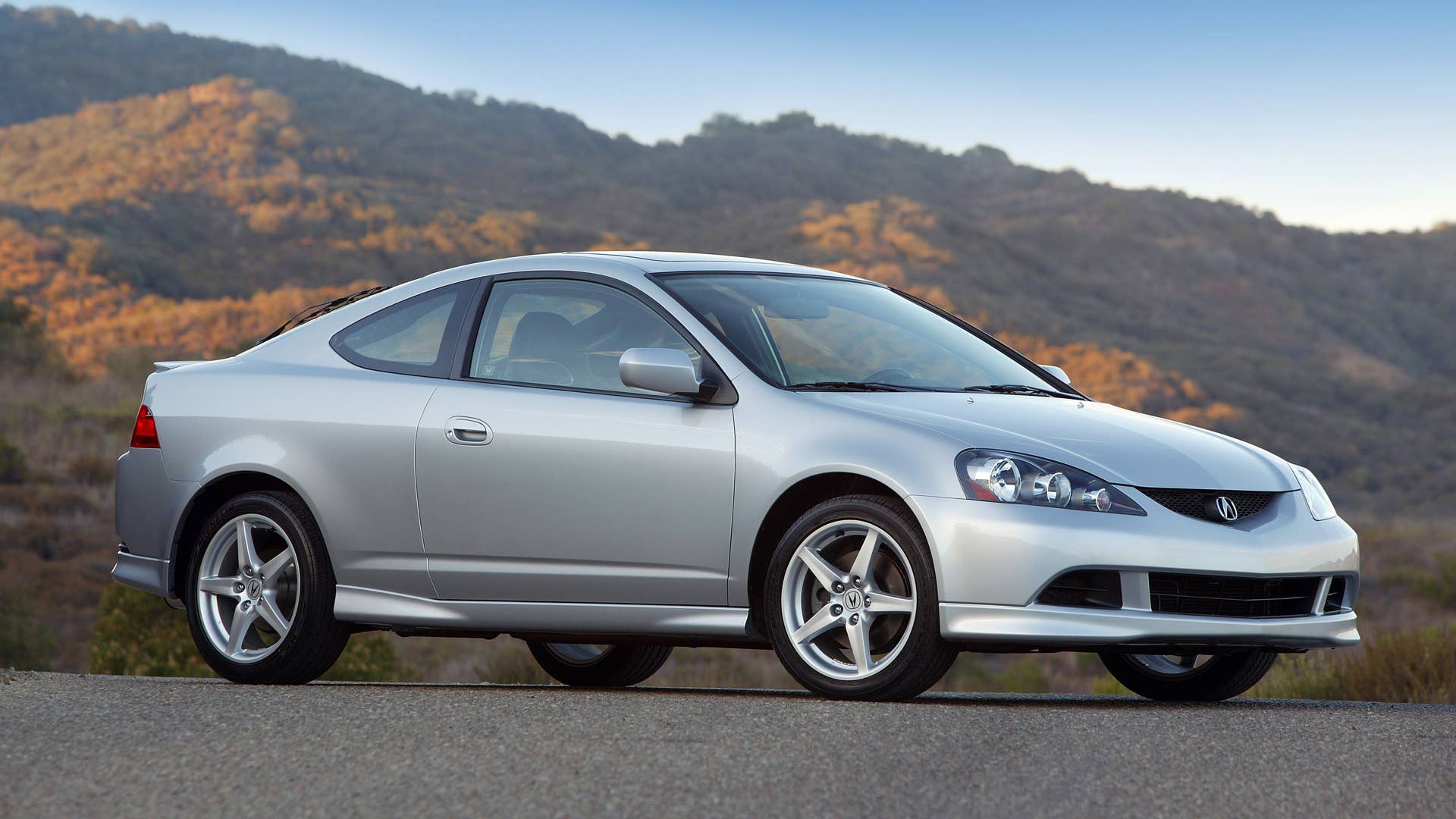
In the early 2000s, the Acura RSX was one of the hottest tickets for young car buyers. The RSX badge was a follow-up to the iconic Integra, which is now a reality as one of the best sports coupes around. The RSX carried forward Honda’s legendary K-series engines and sharp manual gearboxes, making it a tuner darling. The Type-S variant, with its high-revving engine and precise handling, became a frequent sight at autocross events and on enthusiast forums. Its discontinuation after the 2006 model year left a gap that only deepened until the Integra name’s revival in 2022.
ND Adlen 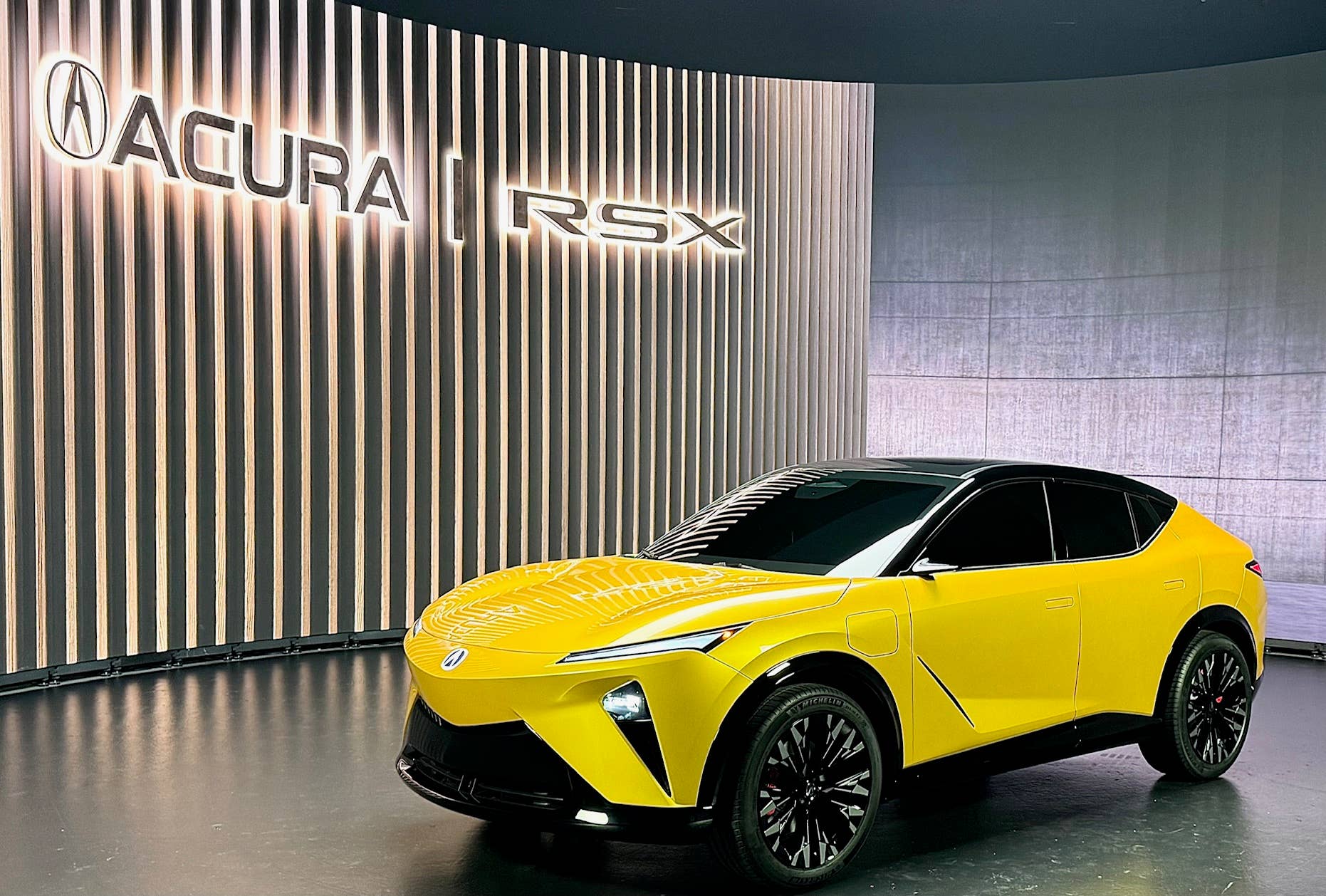
Now, with Acura doubling down on reconnecting with its performance heritage and moving toward electrification, the new RSX has dropped cover as a compact electric SUV. The 2027 RSX will be the brand’s second electric vehicle, next to the ZDX, but the first one to use Honda’s new EV platform. What you see here is the recently unveiled RSX Prototype, which should be very close to what the production model will look like.
Acura
It’s a smart move by the brand because of the popularity of crossovers over coupes, and the electric powertrain should align with the company’s strategy. It could even birth a more powerful Type S variant. The brand already has the Type S badge back in circulation with the Integra, and pairing it with an RSX revival could be the right nod to the original.
Mitsubishi Montero
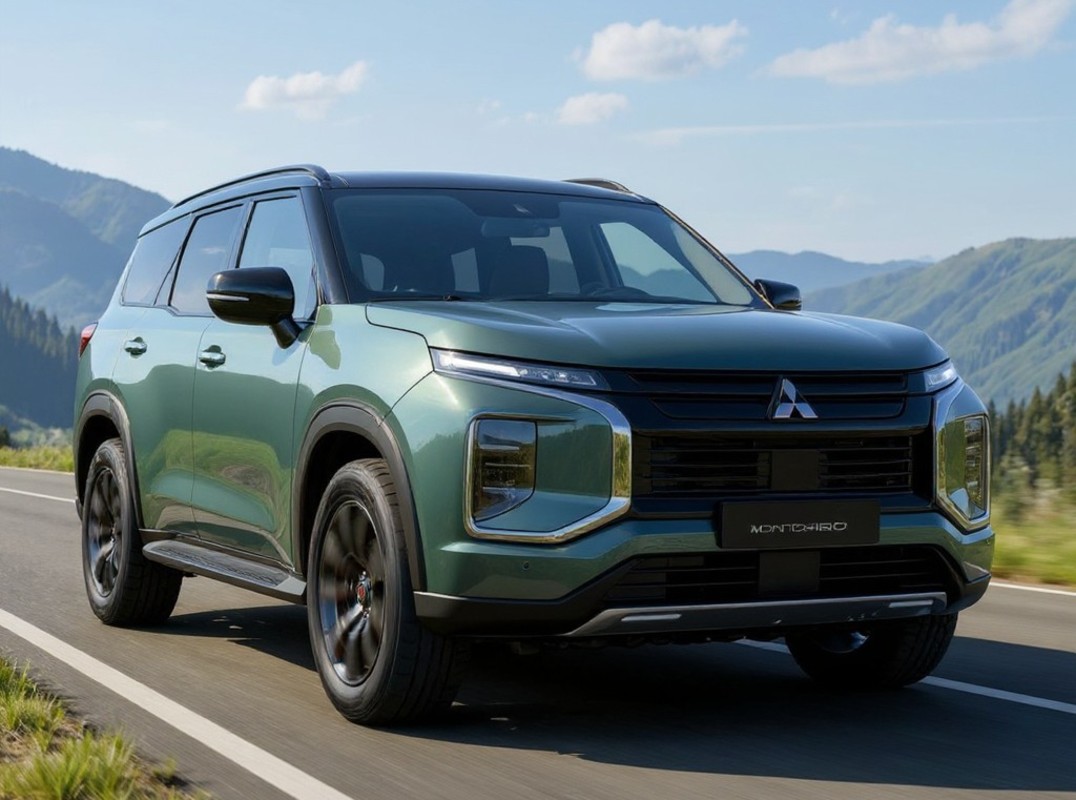
Known globally as the Pajero, the Mitsubishi Montero was once one of the most respected names in off-road SUVs. With Dakar Rally wins under its belt and a reputation for rugged durability, the Montero offered real four-wheel-drive capability long before crossovers became the norm. In the U.S., it disappeared after the 2006 model year, leaving Mitsubishi without a flagship SUV.
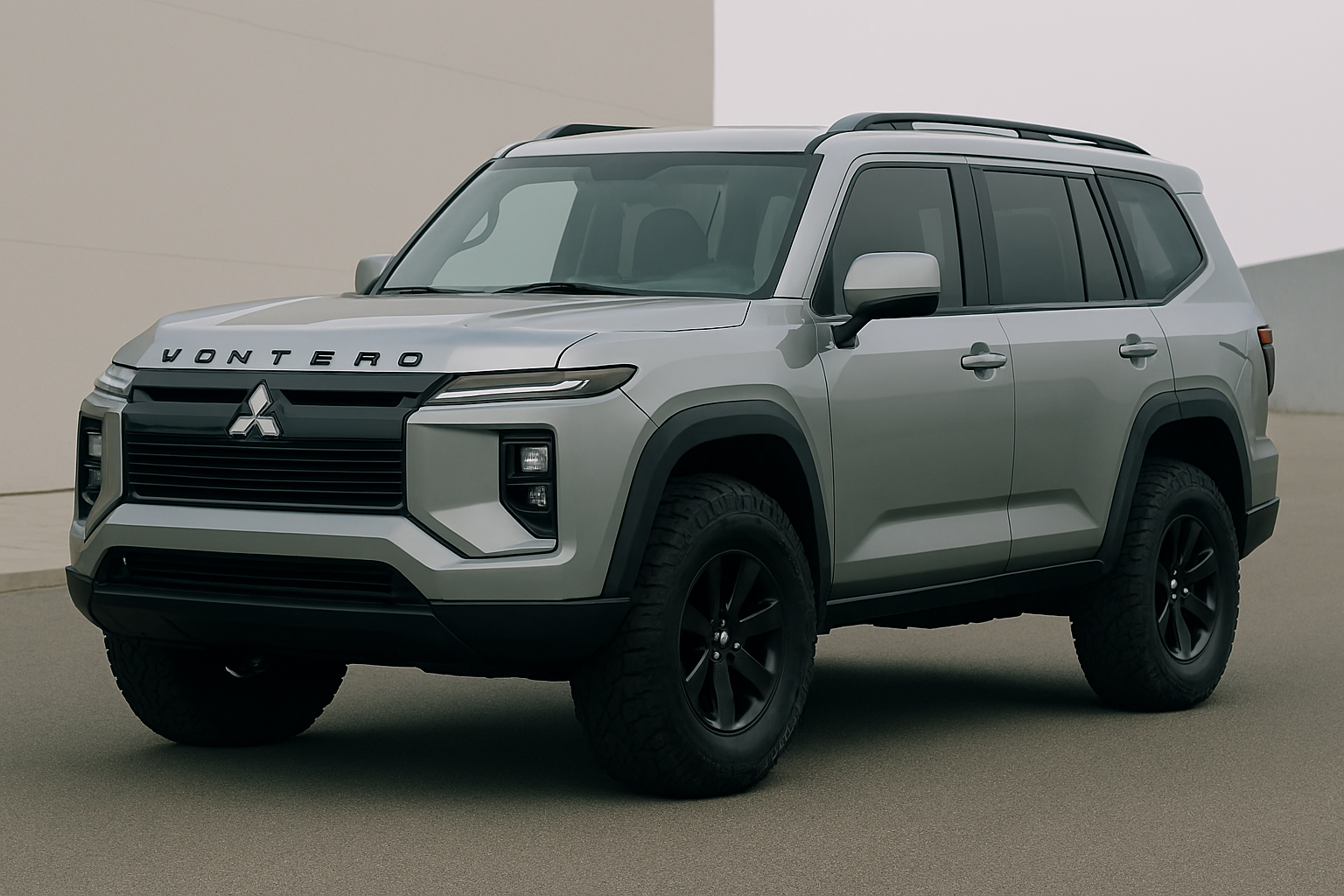
The Montero name is now circulating around the web and in Mitsubishi development circles, this time as a large, three-row SUV based on the current Nissan Armada. Industry insiders suggest the next Montero could share a platform with Nissan through the Renault-Nissan-Mitsubishi Alliance, possibly including turbocharged V6 or plug-in hybrid powertrains.
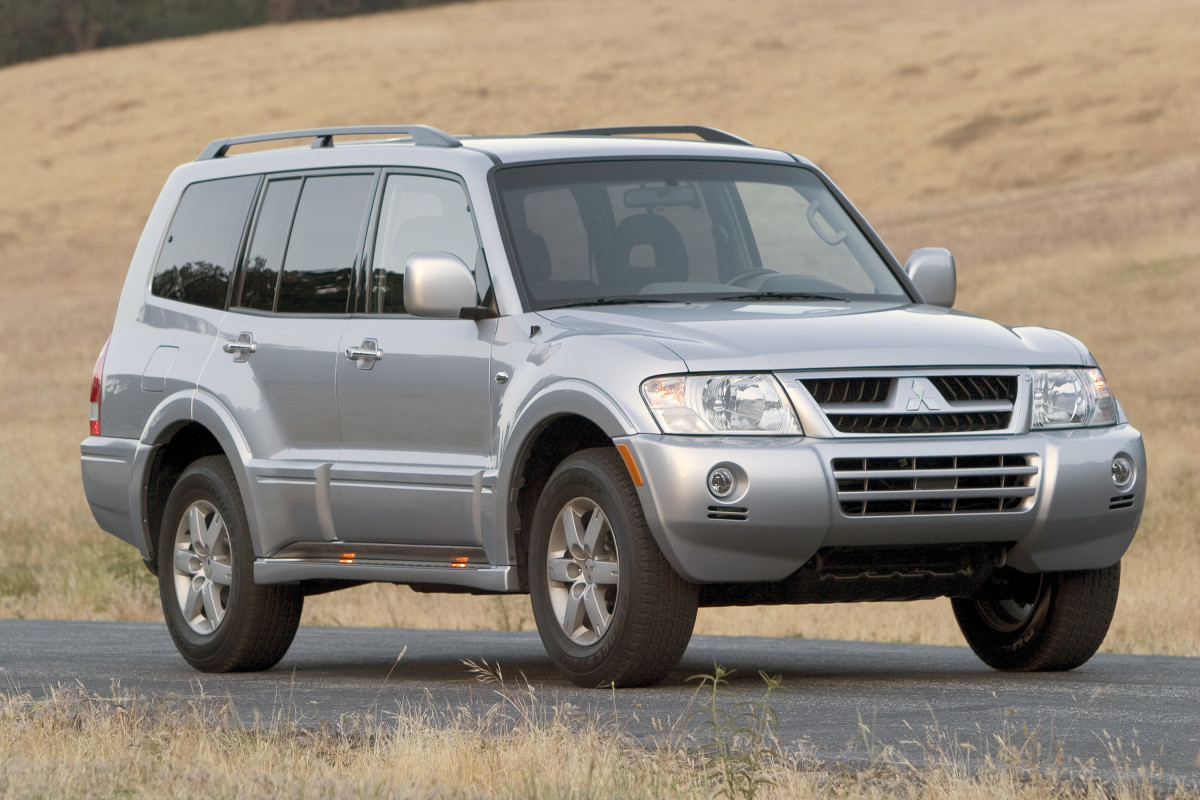
Mitsubishi’s current lineup could use an injection of ruggedness and size. Its biggest vehicle is the Outlander (gas and PHEV), and it’s not especially large or off-road-ready. For Mitsubishi, the Montero’s return would symbolize a rebirth of credibility in a market where the brand has struggled to maintain a serious identity. If the new model delivers authentic off-road chops, passenger space, advanced driver-assist features, and modern amenities, it could remind buyers that Mitsubishi once had a seat at the table with Toyota and Jeep.
Toyota Celica
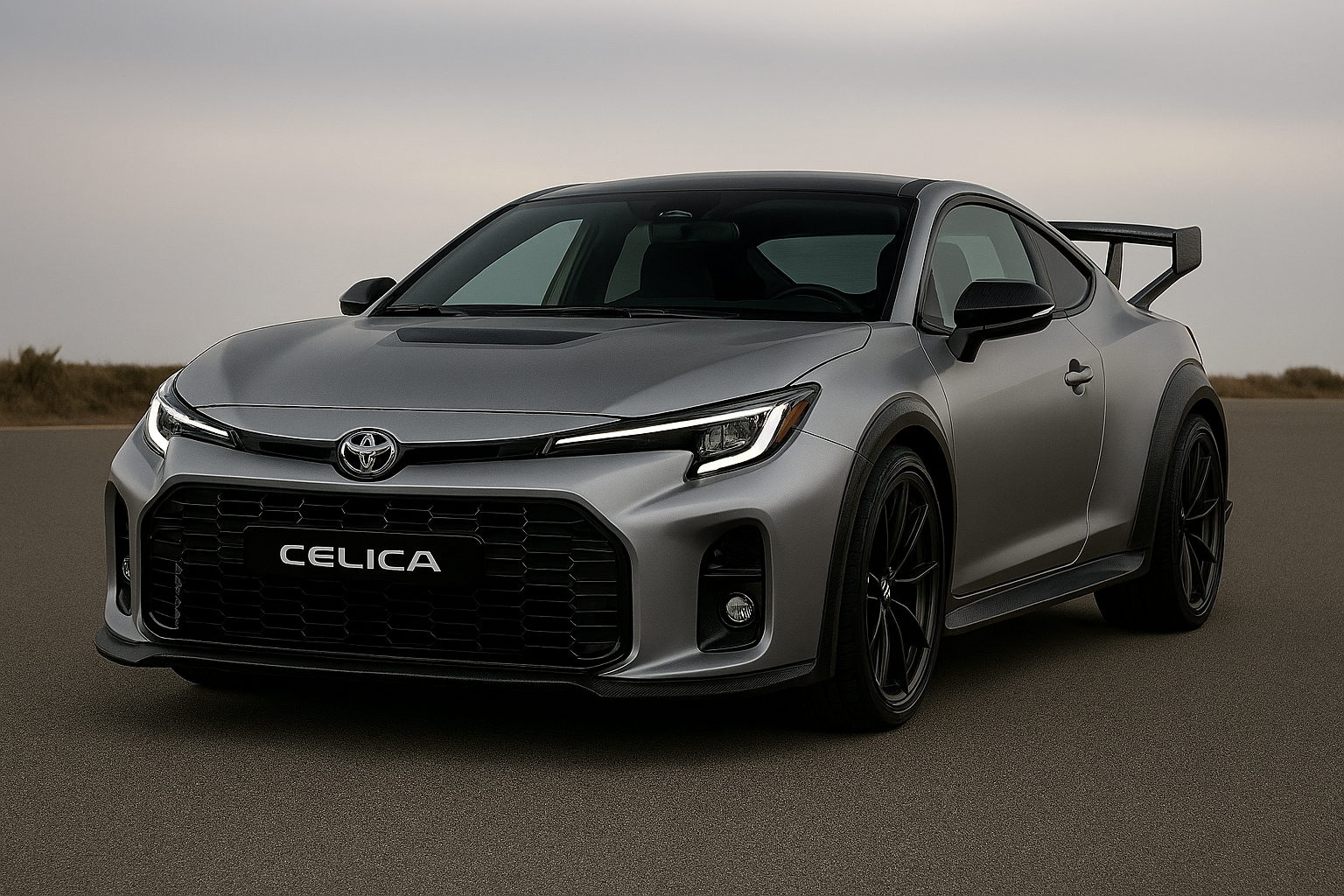
Few cars evoke more nostalgia from Toyota fans than the Celica, although it hasn’t had one in its lineup since 2006. Launched in the 1970s, the Celica evolved from a stylish compact coupe into a motorsports hero. Rally-bred variants dominated the World Rally Championship in the 1990s, and the Celica All-Trac Turbo remains a cult classic. The seventh generation, with its edgy design and peppy demeanor, was discontinued after 2006, leaving a void for affordable Toyota sports coupes.
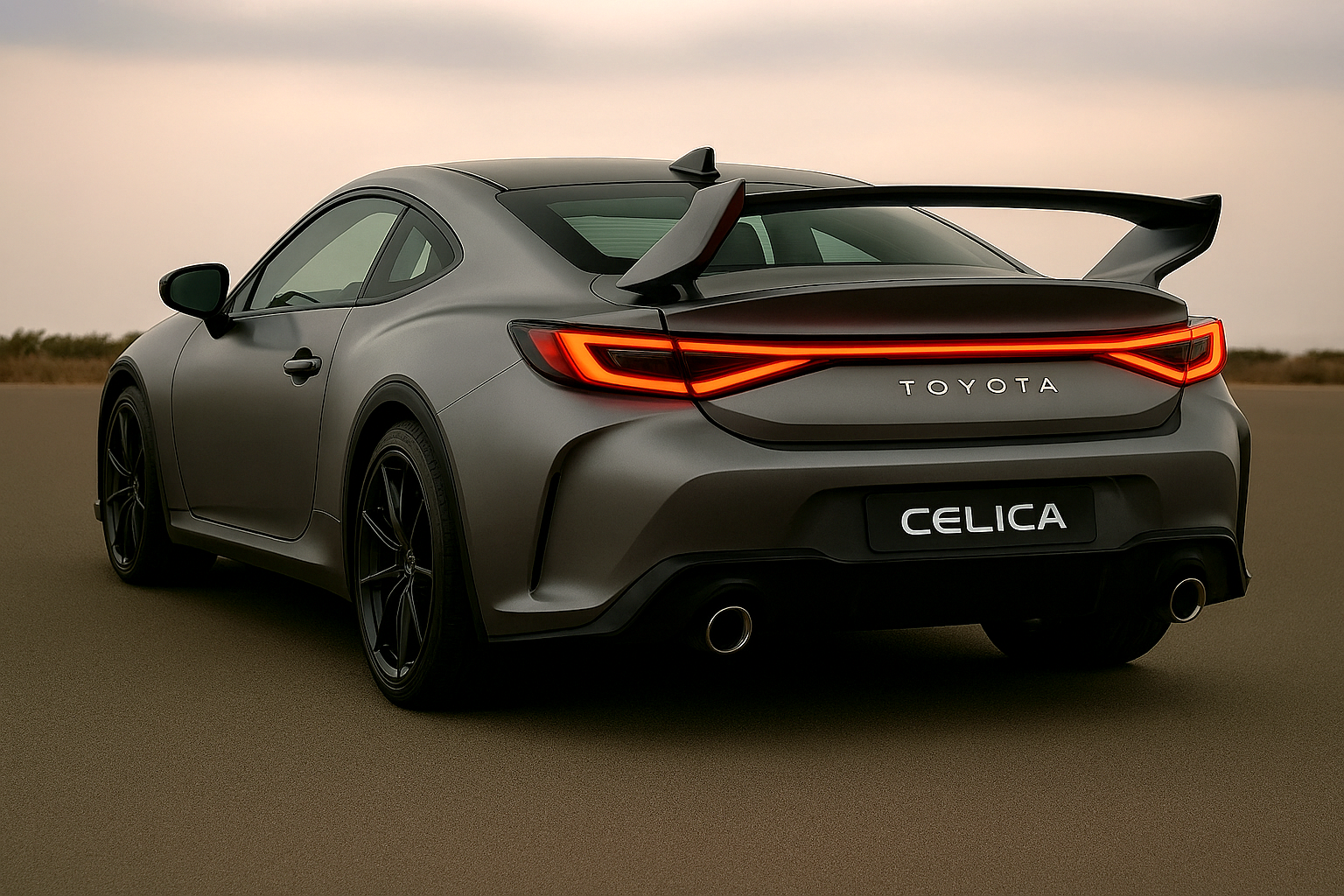
In today’s market, Toyota has reignited its performance lineup with the GR Supra, GR Corolla, and GR86, so a GR Celica could nicely round out the sporty lineup. Enthusiasts are clamoring for a revived Celica to slot in the growing performance stable, something that blends Toyota’s rally heritage with modern performance tech. Speculation points to a hybrid or turbocharged four-cylinder engine, perhaps with optional all-wheel drive to honor the All-Trac Turbo rally legacy.
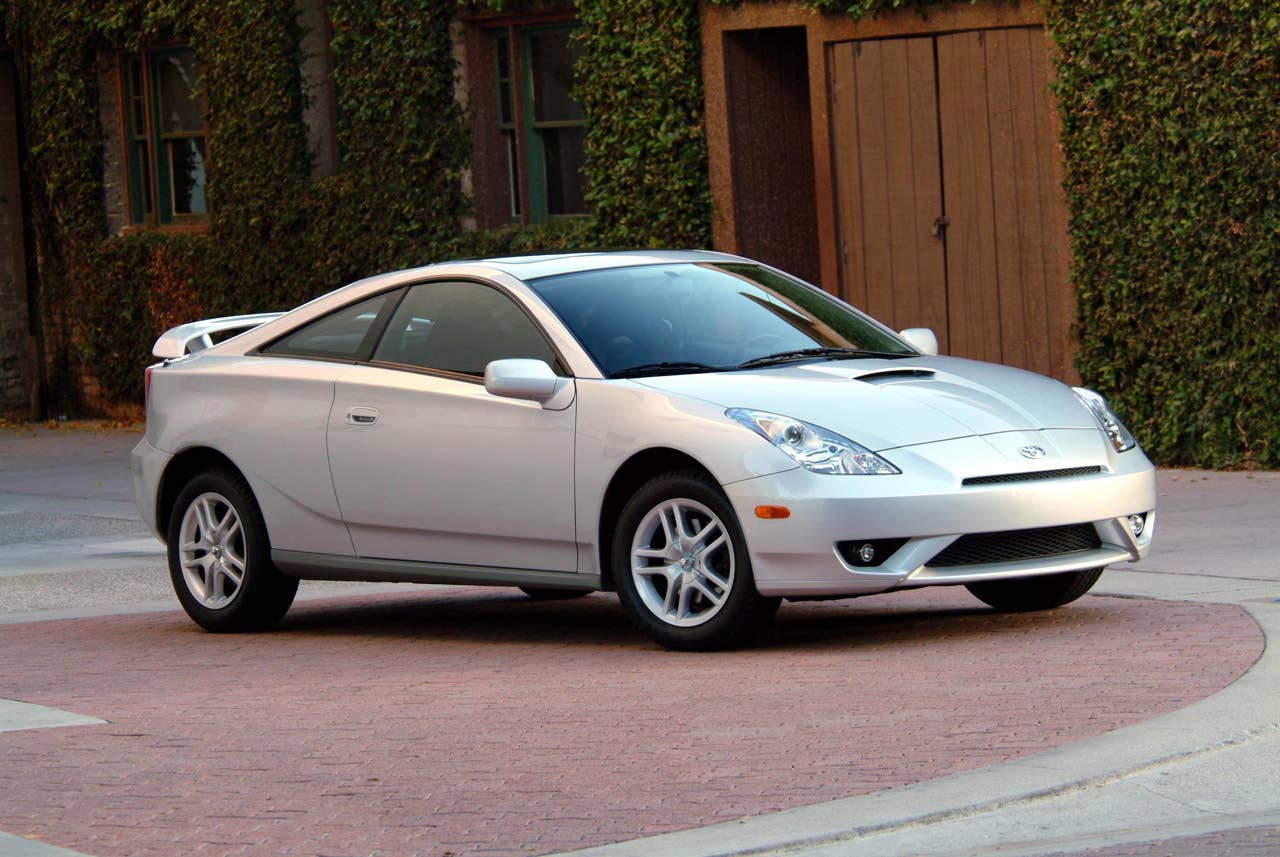
Bringing back the Celica would not only help to complete Toyota’s Gazoo Racing (GR) portfolio but also reconnect the brand with younger buyers who crave something with more all-wheel drive tractability. With Toyota committing to more enthusiast-friendly models, the Celica’s comeback feels less like a “what if” and more like a “when.” In fact, rumor has it that the car could arrive as a 2027 model, but nothing has been confirmed yet. Let’s keep our fingers crossed.
Mazda RX
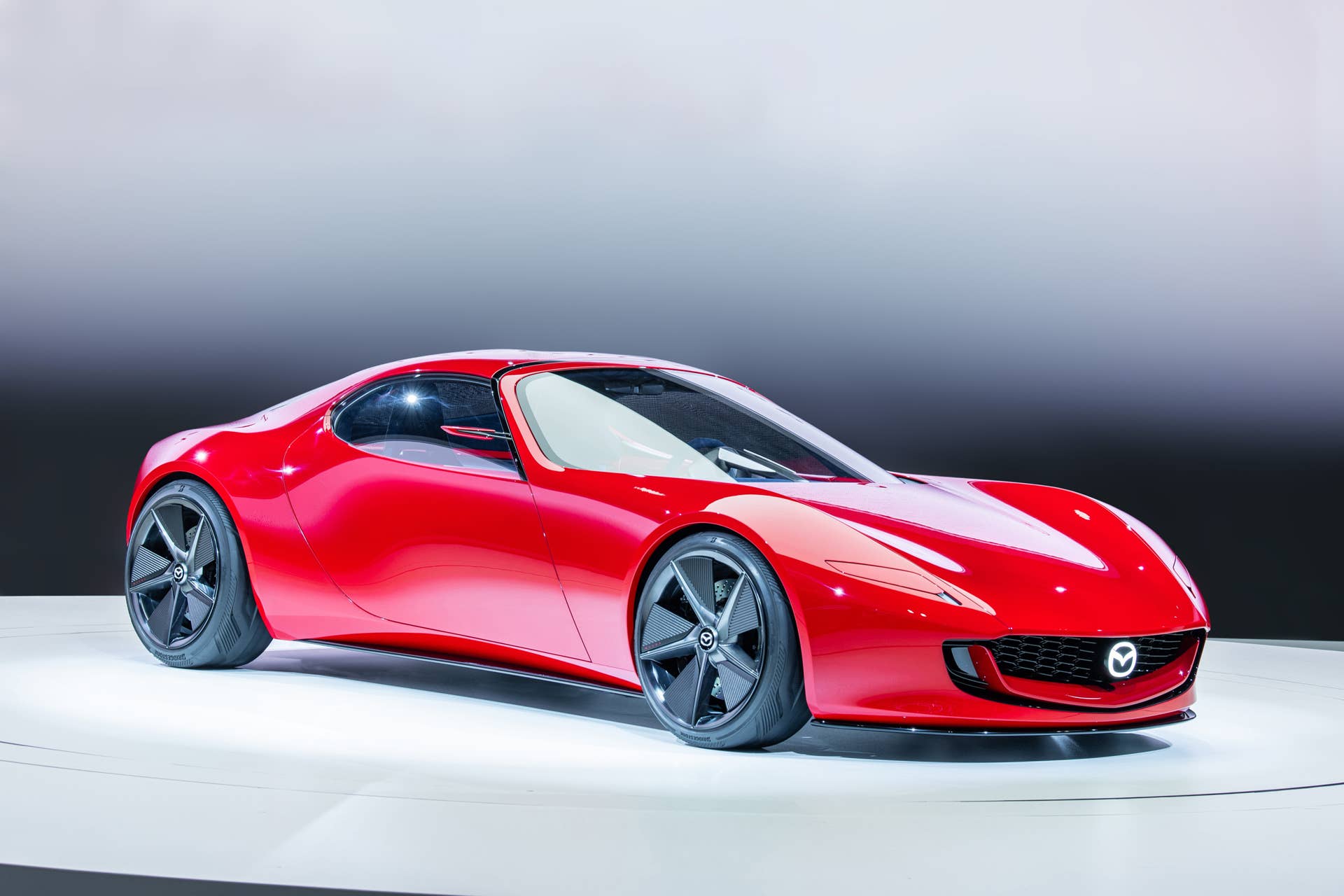
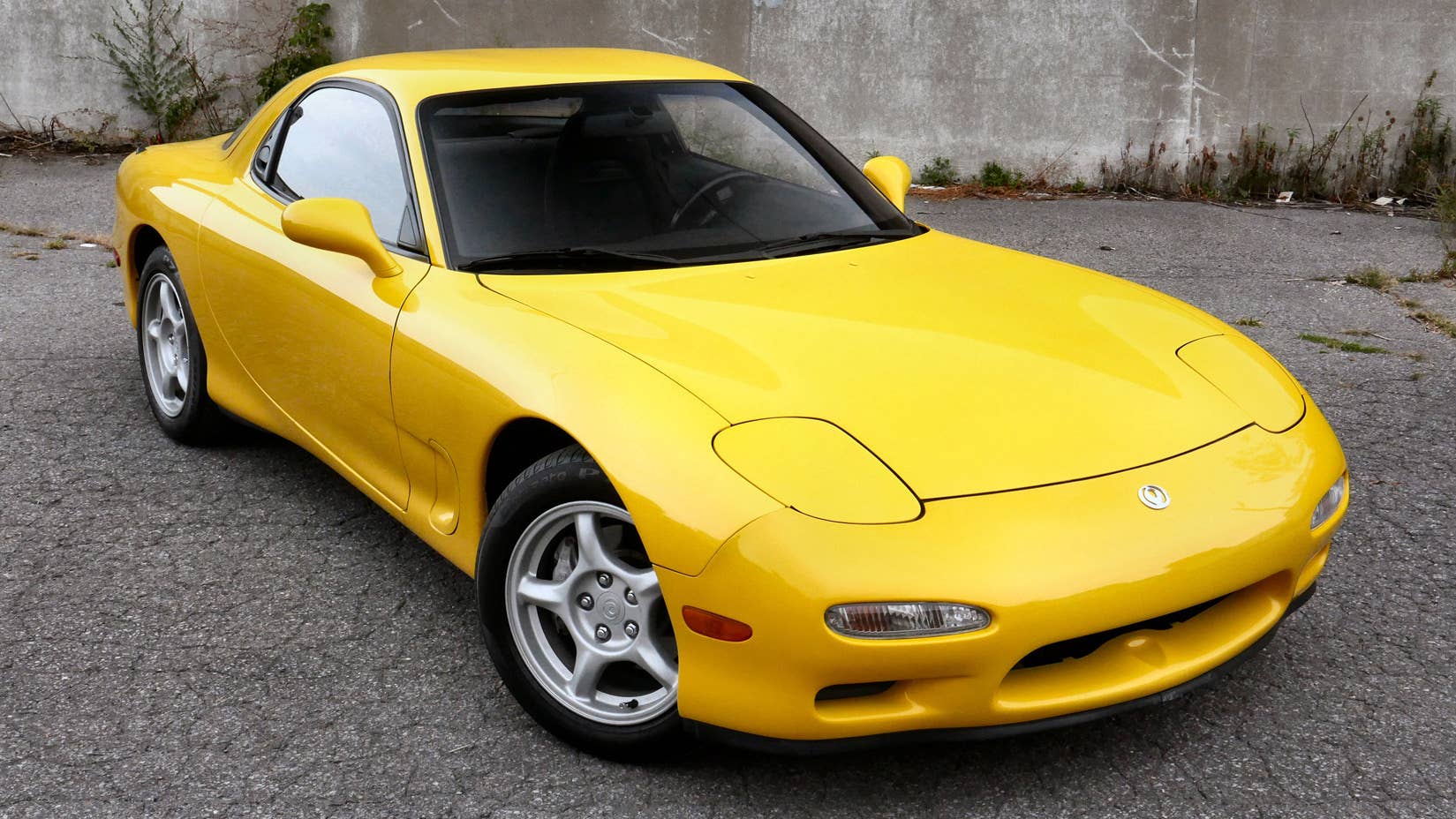
Just when you thought Mazda’s rotary engine dreams were dead, rumors of a new RX have surfaced. Okay, so they’ve been floating around for years with no real confirmation, but it could still happen. Perhaps no revival sparks more anticipation than the return of Mazda’s RX line. From the legendary RX-7 and RX-8, Mazda’s rotary-powered sports cars were symbols of Japanese ingenuity and passion. Lightweight, nimble, and distinctively styled, the RX cars cemented Mazda as a serious player in the sports-car world.
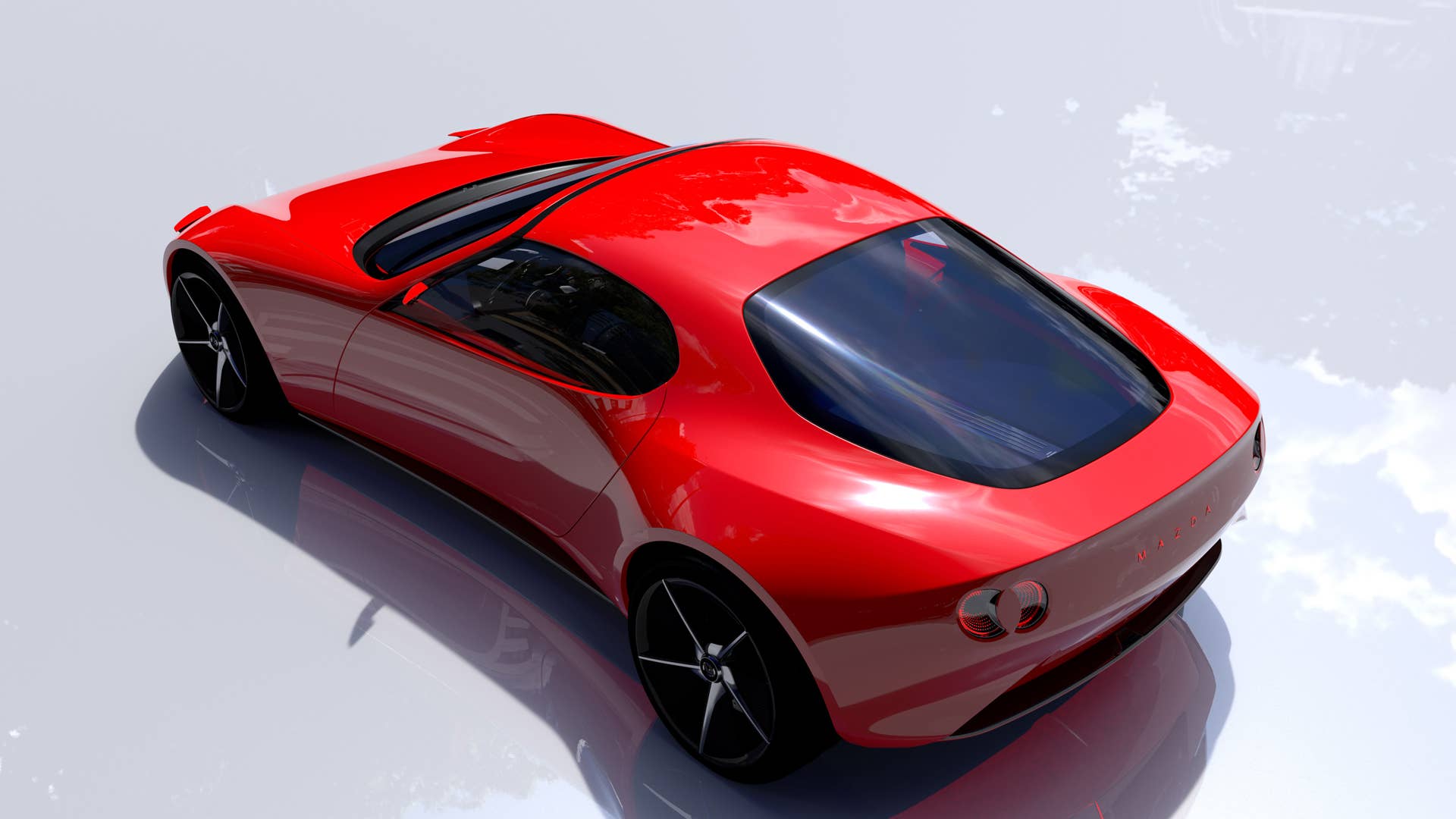
The RX-8’s discontinuation in 2011 marked the end of Mazda’s rotary era, as emissions regulations and efficiency concerns made the Wankel engine difficult to sustain. But Mazda never fully abandoned the idea of its return. In recent years, it reintroduced a rotary as a range-extending generator in the MX-30 EV, sparking rumors of a true sports-car application once again. The brand’s only sports cars are the Mazda MX-5 Miata and the retracting hardtop variant, the Miata RF.
Benjamin Hunting
Mazda has confirmed that a new rotary-powered sports car is in development, potentially carrying the RX-9 or RX-7 badge, inspired by the Iconic SP Concept you see here. However, the project is still in progress and has not yet been officially unveiled. The production version is expected to be a limited-run hybrid, using a dual-rotor rotary engine as a generator, with a debut anticipated in 2026. With electrification reshaping the industry, a rotary-electric hybrid could offer both performance and efficiency while honoring Mazda’s heritage. If any brand has the courage to bring back a unique engine architecture in a halo sports car, it’s Mazda.
Final thoughts
Some of these revivals, like the Prelude, are already confirmed, while others remain in the rumor or development stage. Rather than cheap copies of the original, these cars will definitely make use of modern design, engineering, technology, and materials. What unites them is the promise of rekindling excitement for storied nameplates that have earned respect and created nostalgia. By leveraging the legacy of the Prelude, Montero, Celica, RSX, and RX, Japanese automakers could very well strike a powerful balance: modern performance that pays homage to the cars enthusiasts grew up admiring.