

Somewhere in your glovebox, wedged between a crumpled napkin and an insurance card from two addresses ago, there’s a warranty booklet you’ve never opened. You will open it, eventually, at 58,000 miles when a transmission shudder sends your stomach into your shoes.
The 2026 Toyota RAV4 and Honda CR-V remain the two most cross-shopped compact SUVs in the country, and their warranty packages reveal more about each company’s confidence in its own product than any press release ever will. Here’s what you’re actually signing up for.
The baseline: what both cover straight off the lot
Both the RAV4 and CR-V come with identical bumper-to-bumper coverage: 36 months/36,000 miles. That’s three years of “almost everything” protection. The keyword is “almost.” Routine wear items like brake pads and wiper blades fall outside the fence on both SUVs. However, Toyota adds a quirk worth noting: wheel alignment, wheel balance, and A/C refrigerant recharge are covered for only 12 months/12,000 miles. So if your alignment drifts at month 14, that’s your wallet, not Toyota’s.
Where the two split early is complementary maintenance. Toyota bundles ToyotaCare, which covers factory-scheduled maintenance for 2 years/25,000 miles plus 2 years of unlimited-mileage roadside assistance. Honda’s offer is thinner: 1 year/12,000 miles of complimentary maintenance and 3 years/36,000 miles of roadside assistance. Toyota gives you an extra year of oil changes; Honda gives you an extra year of someone showing up when you lock your keys inside.
Powertrain and the real protection window
Both manufacturers back their engines and transmissions for 60 months/60,000 miles. On paper, a dead heat. In practice, the coverage maps differ. Toyota’s powertrain warranty explicitly names its covered components: engine internals from the cylinder block to the oil pump; the full transmission and transaxle assembly; the transfer case; torque converter; CV joints; axle shafts; the ECM; and seals. It reads as if they went through the exploded parts diagram with a highlighter.
Honda covers the powertrain and drivetrain for the same 60 months/60,000 miles, but uses broader language. Neither warranty is weak here, but Toyota’s specificity reduces ambiguity if you ever end up in a service lane arguing over whether a particular seal counts. For most owners who lease or trade in by year five, this coverage expires before it matters. If you plan to keep your SUV past 60,000 miles, though, this is exactly where extended warranties earn their keep, and we’ll get there.
Where Toyota pulls ahead: hybrid battery coverage worth reading twice
If you’re buying a RAV4 Hybrid, Toyota hands you one of the most generous hybrid warranties in the industry. The hybrid battery carries a 10-year/150,000-mile warranty and transfers it in full to the next owner. The Hybrid Control Module, Battery Control Module, and Inverter with Converter are covered for 8 years/100,000 miles. The CR-V Hybrid doesn’t match this. Honda covers its hybrid components under standard powertrain terms unless state-specific emissions regulations extend them further. For anyone buying a hybrid specifically because they plan to own it for a long time, Toyota’s coverage isn’t just better; it’s a different category of commitment.
Where Honda surprises you: seat belts, mufflers, and quiet confidence
Honda buries a few gems in its warranty structure that Toyota doesn’t match. The seat belt warranty runs for 15 years/150,000 miles and covers any failure to function properly. Toyota covers its safety restraint system, including airbags and related components, for 60 months/100,000 miles. Honda’s seat belt protection outlasts Toyota’s by a decade. Then there’s the muffler. Honda provides a lifetime limited warranty on replacement mufflers for the original purchaser. Toyota offers no equivalent. You’ll probably never need it. But if you do, Honda just saved you a few hundred dollars and a bad afternoon. Honda also warranties all genuine replacement parts against defects in materials and workmanship and offers prorated coverage on replacement 12V batteries purchased from a dealer. These aren’t headline features, but they add up to a brand that sweats the small parts.
Rust and paint: the slow disasters
Both vehicles include rust perforation coverage for 60 months/unlimited miles, which matters if you live in an area where salt trucks operate. Toyota covers original body sheet metal; Honda covers all exterior body panels from the inside out but excludes powertrain, steering, suspension, brake, cooling, and exhaust system components, plus trim. Toyota offers a 36-month/60,000 km paint defect warranty that covers manufacturing defects only. Stone chips, bird droppings, and tree sap damage won’t qualify. Honda doesn’t offer a standalone paint warranty.
Extended warranty head-to-head: Toyota Extra Care vs Honda Care
This is where the comparison gets interesting. Toyota’s Extra Care Protection (ECP) extends coverage up to 10 years/125,000 miles, depending on the plan selected. It offers three tiers: a Basic Agreement, Powertrain Protection VSA, and a comprehensive plan. Coverage includes vehicle rental assistance, tire road hazard protection, and trip interruption assistance. The catch: you must purchase ECP from an authorized Toyota dealer, and all repairs must happen at authorized Toyota dealerships.

On the other hand, Honda Care extends coverage up to 8 years/120,000 miles from the original purchase date. To qualify for the maximum term, your vehicle must be a 2019 model year or newer with fewer than 36,000 miles at purchase; vehicles with more than 6,000 miles at purchase are eligible for reduced-term options. Honda Care operates on an exclusionary basis, meaning everything is covered unless specifically listed as excluded. That’s a meaningful structural advantage. Most warranties list what they cover; Honda Care lists what they don’t.
Honda Care also includes 24/7 roadside assistance, towing, lockout service, battery jump-start, tire change, fuel delivery, rental car reimbursement, and emergency concierge services. The Family Plan covers up to 5 Honda or Acura vehicles registered to the same household address, and the warranty transfers to subsequent owners, which adds tangible resale value.
The fine print that matters
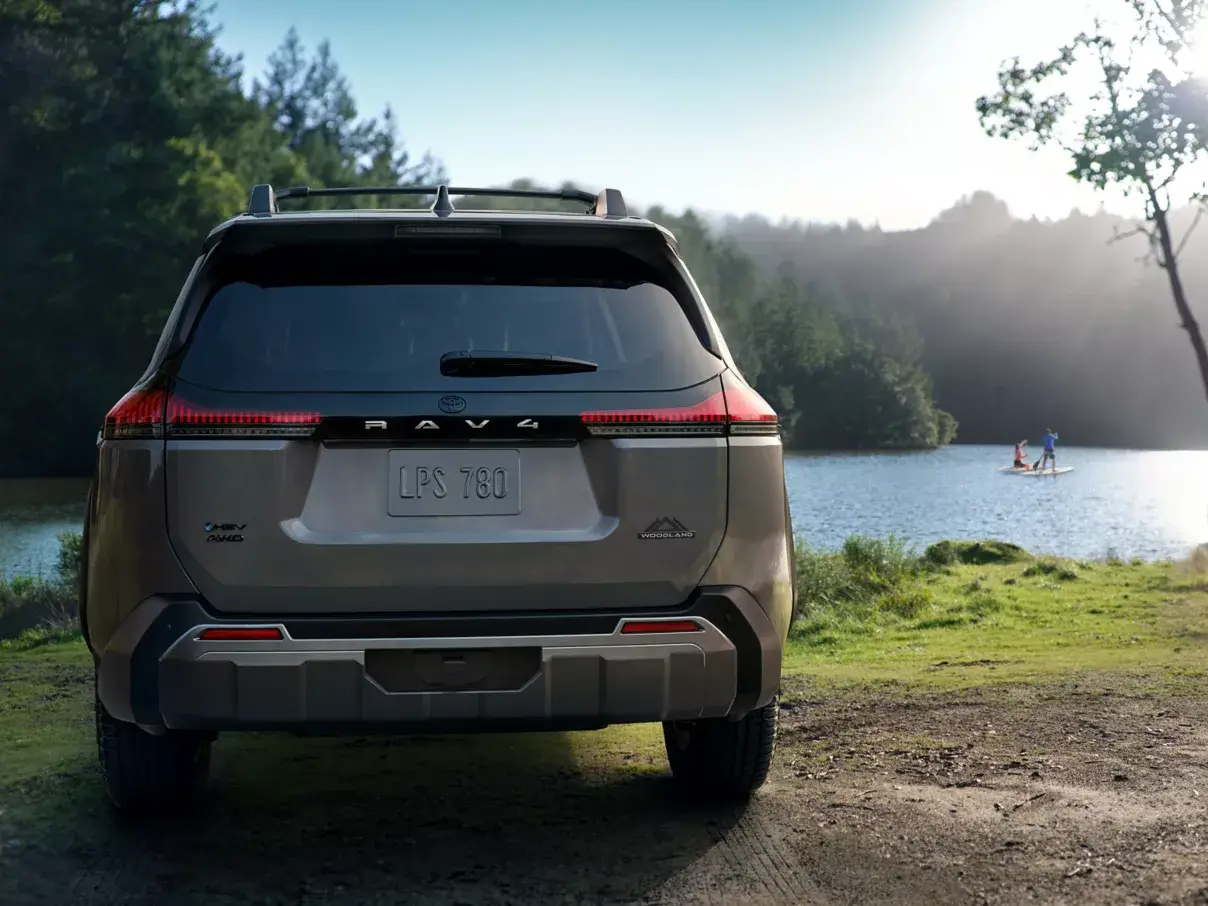
Both warranties can be voided by the usual suspects: unauthorized modifications, missed maintenance intervals, the use of non-approved fluids, or neglect. Toyota is explicit about documenting service at recommended intervals. Honda expects the same. Neither warranty covers tires; both defer to the tire manufacturer’s own warranty. And neither covers damage from accidents, environmental hazards, or what both booklets politely call “acts of nature.”
Verdict: Which paper would you rather have in your glovebox?
Rarely do car buyers compare warranties beyond what’s on the surface, but if you’re specific about getting a hybrid, Toyota wins outright. A 10-year/150,000-mile transferable hybrid battery warranty is the single strongest coverage line in this entire comparison, and it’s not close. For conventional gas models on factory warranty alone, these two are nearly identical in the ways that cost you real money. Toyota gives you an extra year of free maintenance. Honda offers a lifetime muffler warranty and 15-year seat belt coverage. For extended coverage, Honda Care’s exclusionary structure, household family plan, and nationwide dealer flexibility give it a genuine edge over Toyota’s ECP.