

Rival Japanese crossovers face off
Midsize crossovers are a dime a dozen these days, but several vehicles manage to stand out from the crowd thanks to their fantastic all-around design and capability. The 2026 Nissan Rogue and Honda CR-V are two notable models to consider, with spacious interiors, plenty of tech, and excellent performance metrics. Perhaps most importantly, they’re competitively priced for the segment – but there are several key differences to be aware of before you buy.
Honda
View the 2 images of this gallery on the
original article
1. The 2026 Nissan Rogue is the cheaper option
In a market where vehicle prices are on the rise, every dollar counts. Priced from $28,790, the Nissan Rogue is more affordable than the Honda CR-V, which starts at $30,920. That discount comes with some compromises, though. For example, while the base CR-V comes equipped with wireless Apple CarPlay and Android Auto compatibility, the Rogue requires a wired connection.
NIssan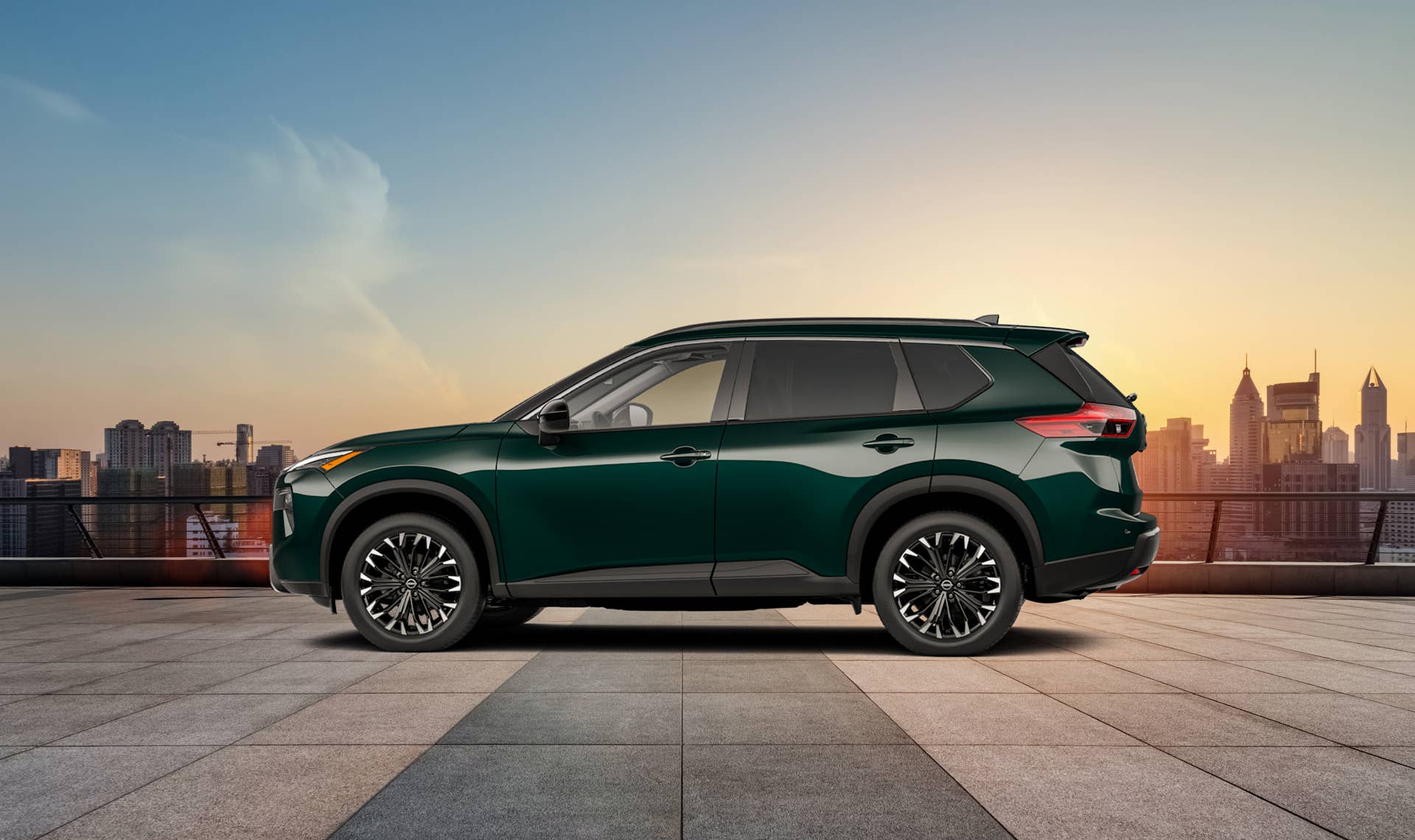
At the top of the range, the story shifts slightly – but there’s a catch. The Rogue Platinum tops the range and starts at $38,990, while the CR-V EX-L is available from $35,630. If you want a fully-loaded CR-V, however, you’ll need to opt for the Sport Touring Hybrid, which is priced from $42,250. The top-spec hybrid CR-V includes hands-free tailgate access, 19-inch black wheels, and standard AWD, all of which the CR-V EX-L lacks. The top-spec Rogue Platinum, however, also rides on 19-inch wheels, comes equipped with AWD, and includes a hands-free tailgate.
2. The 2026 Honda CR-V offers more cargo space
Crossovers offer more cargo space than sedans, making them a top choice for both family drivers and weekend adventurers alike. The 2026 Honda CR-V beats the Rogue when it comes to space for all your gear and luggage, with 39.3 cu ft. of cargo space with the rear rows in their upright position. Stowing the second-row seats increases the CR-V’s cargo capacity to 76.5 cu ft.
Honda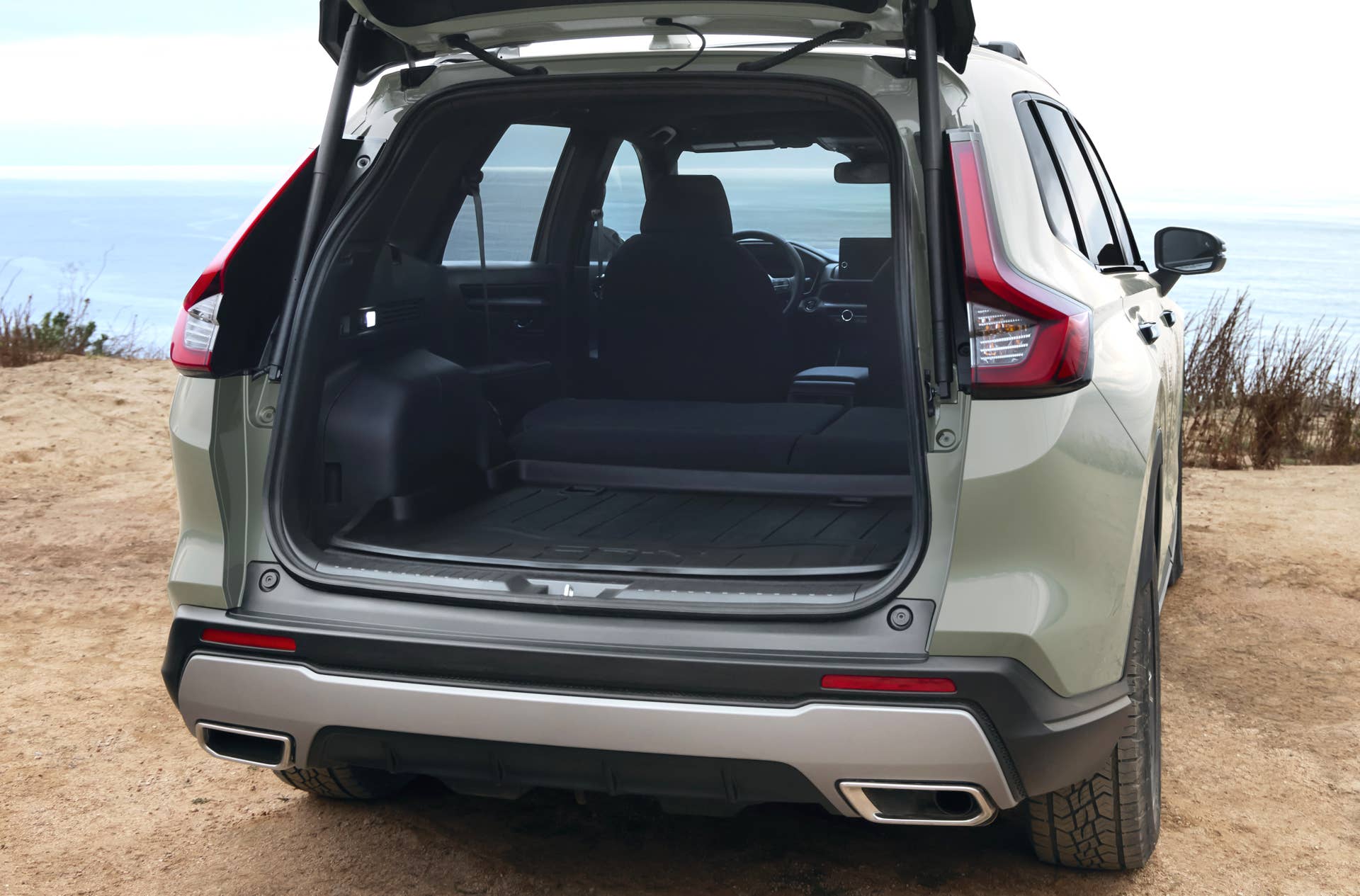
The Nissan Rogue offers slightly less space, up to 36.5 cu ft., with the second-row seats in position. Folding the rear seats down increases cargo space to 72.4 cu ft. The Rogue Platinum comes with an underfloor cargo area as well, increasing the total storage area to 74.1 cu ft. Neither the Rogue nor the CR-V comes with standard roof rails at the base level.
3. The Nissan Rogue is more powerful and efficient
When it comes to pure performance, the 2026 Nissan Rogue has a slight edge over the Honda CR-V. All models come powered by a 1.5-liter turbocharged three-cylinder engine mated to a CVT, producing 201 horsepower and 225 lb-ft of torque. The Rogue earns up to an EPA-estimated 29 mpg in the city and 36 mpg on the highway when equipped with FWD. Opting for AWD reduces fuel economy by one mile per gallon in both categories. The Rogue can tow up to 1,500 lbs. when properly equipped.
Nissan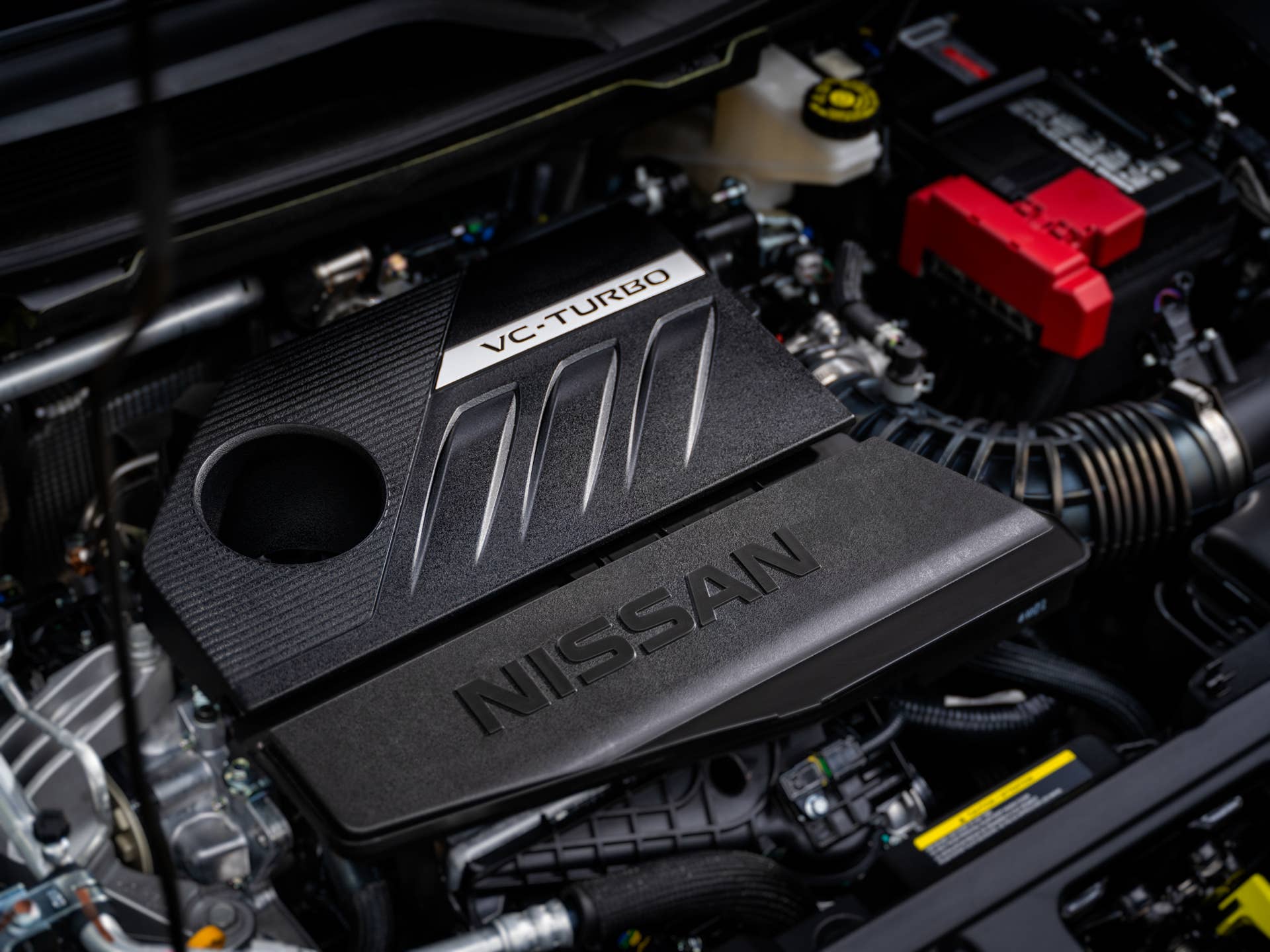
Rest assured that the Honda CR-V isn’t a slowpoke by any means. It comes equipped with a 1.5-liter turbocharged four-cylinder engine paired with a CVT, a combination that generates 190 horsepower and 179 lb-ft of torque. Much like in performance, the CR-V doesn’t quite match the Rogue in fuel economy, either. When equipped with FWD, the 2026 CR-V is rated for 28 mpg in the city and 31 mpg on the highway. With AWD, the CR-V’s fuel economy drops by one and two miles per gallon in the city and on the highway, respectively. Like the Rogue, the CR-V can tow up to 1,500 lbs. with optional towing equipment.
4. The Honda CR-V is available with a hybrid powertrain
If fuel efficiency is a top priority, the Honda CR-V Hybrid may be worth looking into. Priced from $35,630, the CR-V Hybrid is one of the more efficient models in its segment, earning up to 43 mpg in the city and 36 mpg on the highway. Opting for AWD reduces fuel economy by three and two miles per gallon in the city and on the highway, respectively. Better yet, the 2.0-liter four-cylinder engine and electric motor combine to produce 204 horsepower and 247 lb-ft of torque.
Honda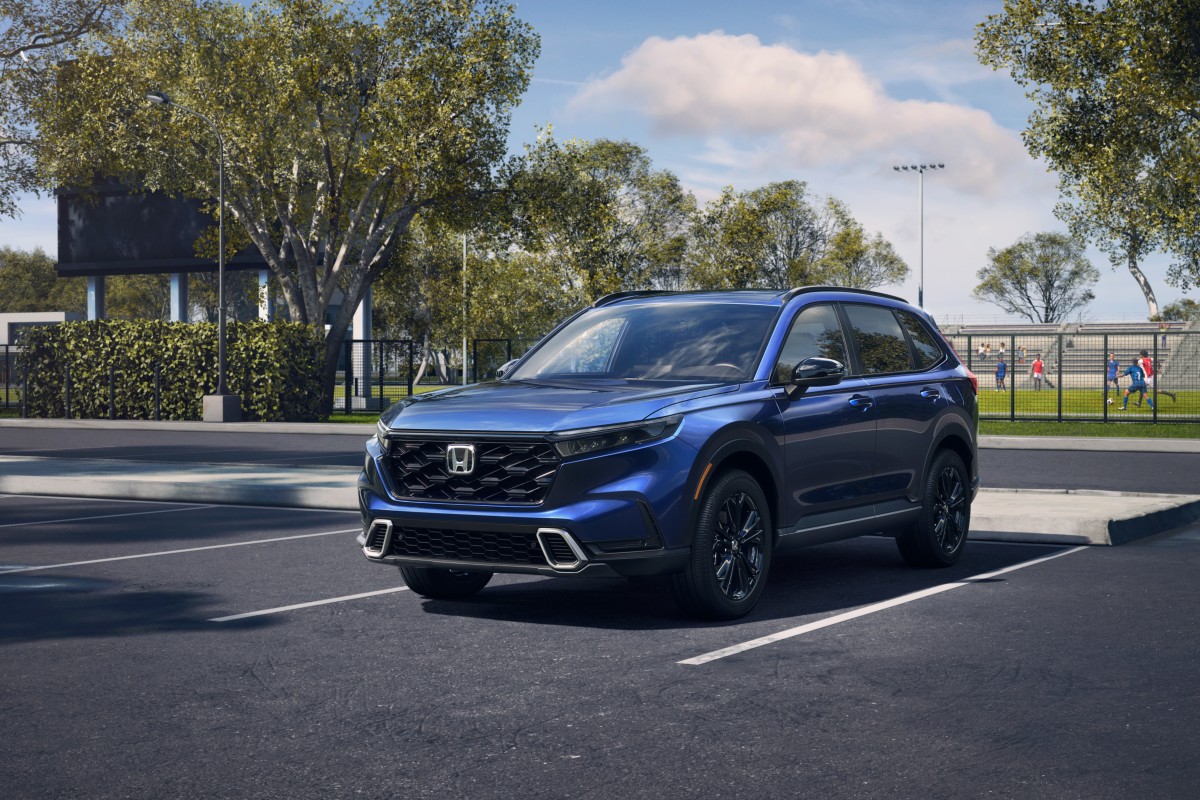
While the Nissan Rogue isn’t currently available in hybrid form, the crossover is expected to launch with a plug-in hybrid option for the 2026 model year. Mitsubishi will supply the plug-in hybrid powertrain, which consists of a 2.4-liter four-cylinder engine, two electric motors, a CVT, and AWD. In its current form, that setup produces 248 horsepower.
5. The Honda CR-V offers more standard tech
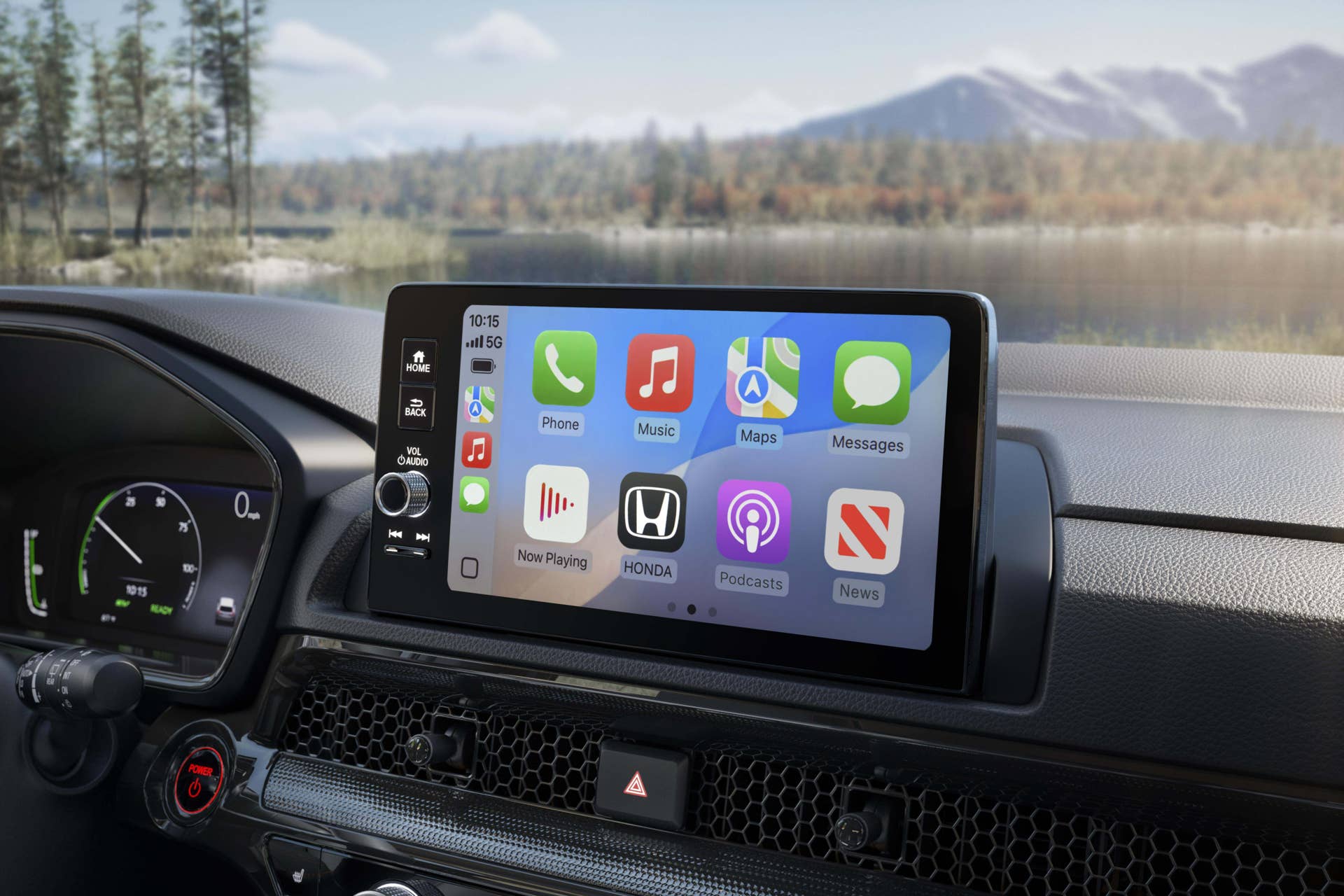
The 2026 model year brought a number of tech updates for the Honda CR-V. All models get upgraded to a nine-inch touchscreen display, and the EX-L model gains a 10.2-inch digital gauge cluster as well. Honda has done away with wires, with wireless Apple CarPlay and Android Auto compatibility joining the standard equipment list at all levels. A wireless smartphone charging pad now comes standard as well. Depending on the model, the CR-V can come with a four-, six-, or eight-speaker audio system, while a 12-speaker Bose premium sound system is available further up the range.
Honda
The Nissan Rogue features an eight-inch touchscreen display, with higher trims getting a 12.3-inch screen instead. Connecting your smartphone via Apple CarPlay or Android Auto requires a wire in the base model, and a wireless charging pad isn’t available until you reach higher trim levels. Like in the CR-V, the Rogue comes with a four- or six-speaker audio system. There’s also a 10-speaker Bose premium audio system on higher trim levels.
Final thoughts
Honda 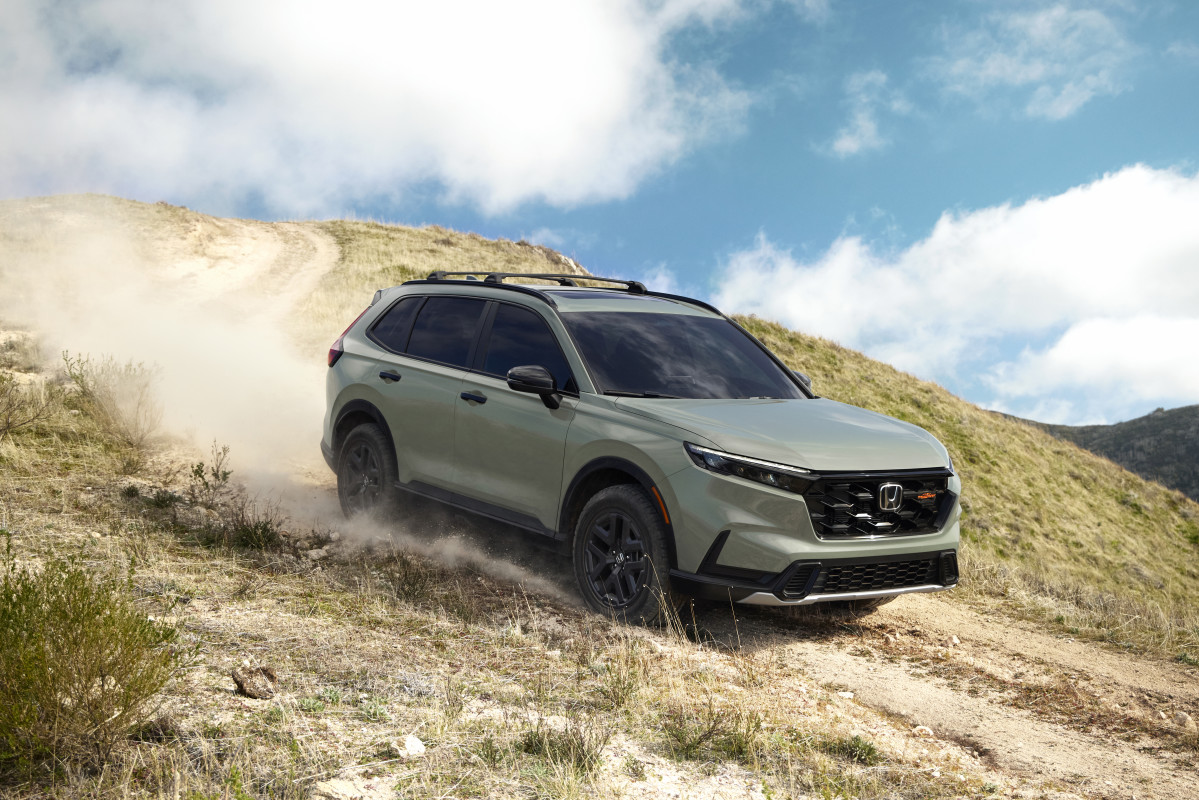
View the 2 images of this gallery on the
original article
Both the 2026 Nissan Rogue and Honda CR-V make great contenders within the crossover segment. The Rogue’s performance and efficiency manage to outpace some competitors, while the CR-V’s hybrid powertrain takes fuel economy to the next level. If tech or space is the name of the game, then Honda’s offering is the better pick. However, money talks, and if you’re on a tight budget, it may benefit you to opt for the Rogue instead.