

- Lifestyle trucks provide decent utility while offering a smoother ride, better driving manners, and improved fuel efficiency compared to body-on-frame trucks.
- The Hyundai Santa Cruz and the Honda Ridgeline are the closest competitors and offer daily utility, occupant comfort, and solid tech and safety.
- Both are priced competitively and offer all-wheel drive for true four-seasons usability.
The days of the Chevy El Camino are long gone, but a new breed of unibody pickup trucks is here, and they’re affectionately known as “lifestyle” pickups. These smaller car-like trucks have become the perfect middle ground for drivers who want the utility of a truck bed without the size, stiffness, or fuel consumption of a full-size pickup. After all, you’re not trying to tow a three-horse trailer or haul bricks every day.
They serve people who like outdoor activities, weekend projects, and everyday comfort. In that space, the 2026 Hyundai Santa Cruz and 2026 Honda Ridgeline are two prime candidates in this small segment. Both are unibody trucks that prioritize comfort, smart packaging, and crossover-like drivability, but they approach the formula from very different angles.
Exterior Styling
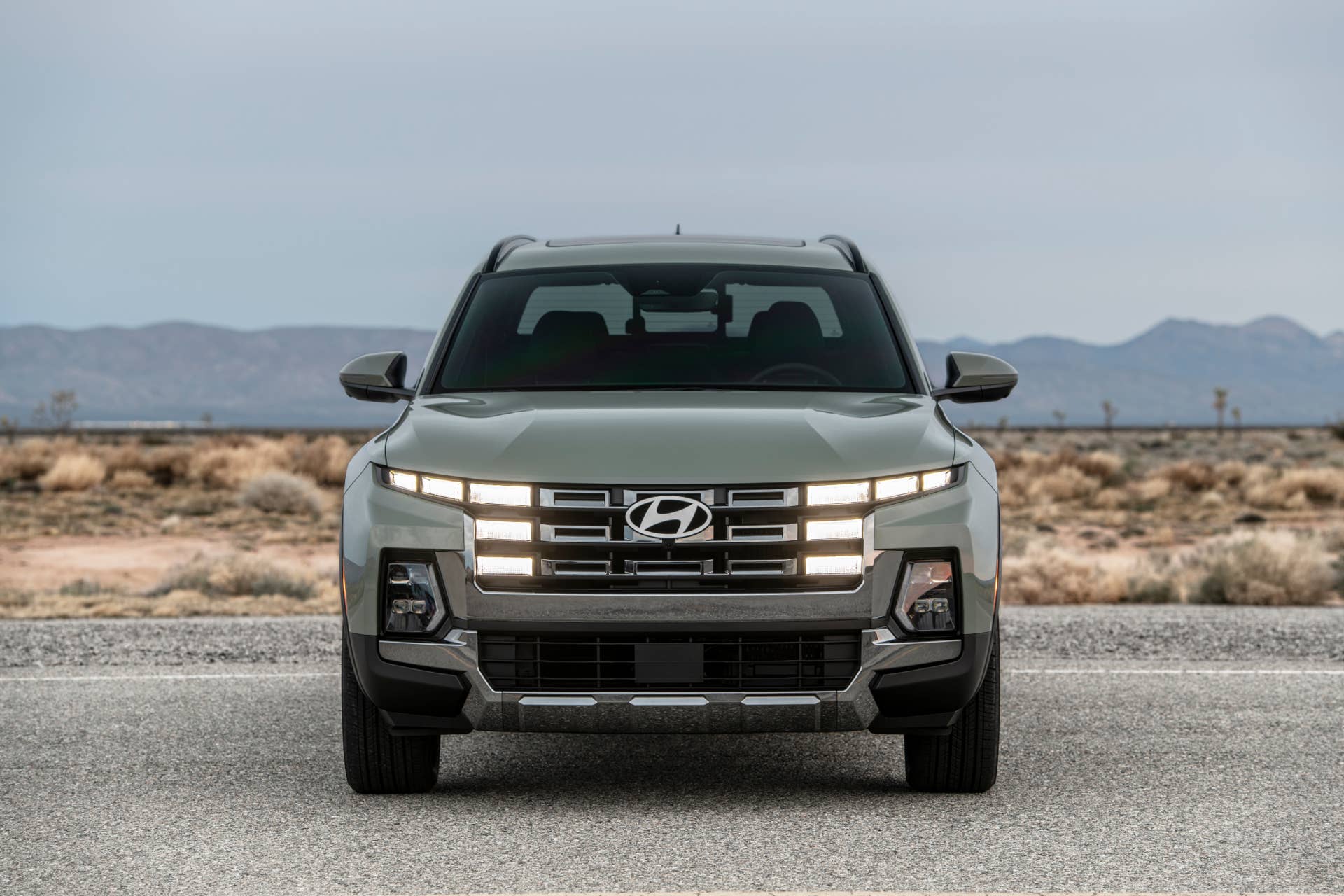
The Hyundai Santa Cruz is still one of the most distinctive vehicles on the road. Its updated front grille and integrated DRL pattern, sculpted body lines, raked C-pillar, and edgy proportions give it the look of a compact crossover fused with a short-bed truck. It feels youthful and unconventional, and it appeals strongly to buyers who want something stylish, smaller, and more expressive.
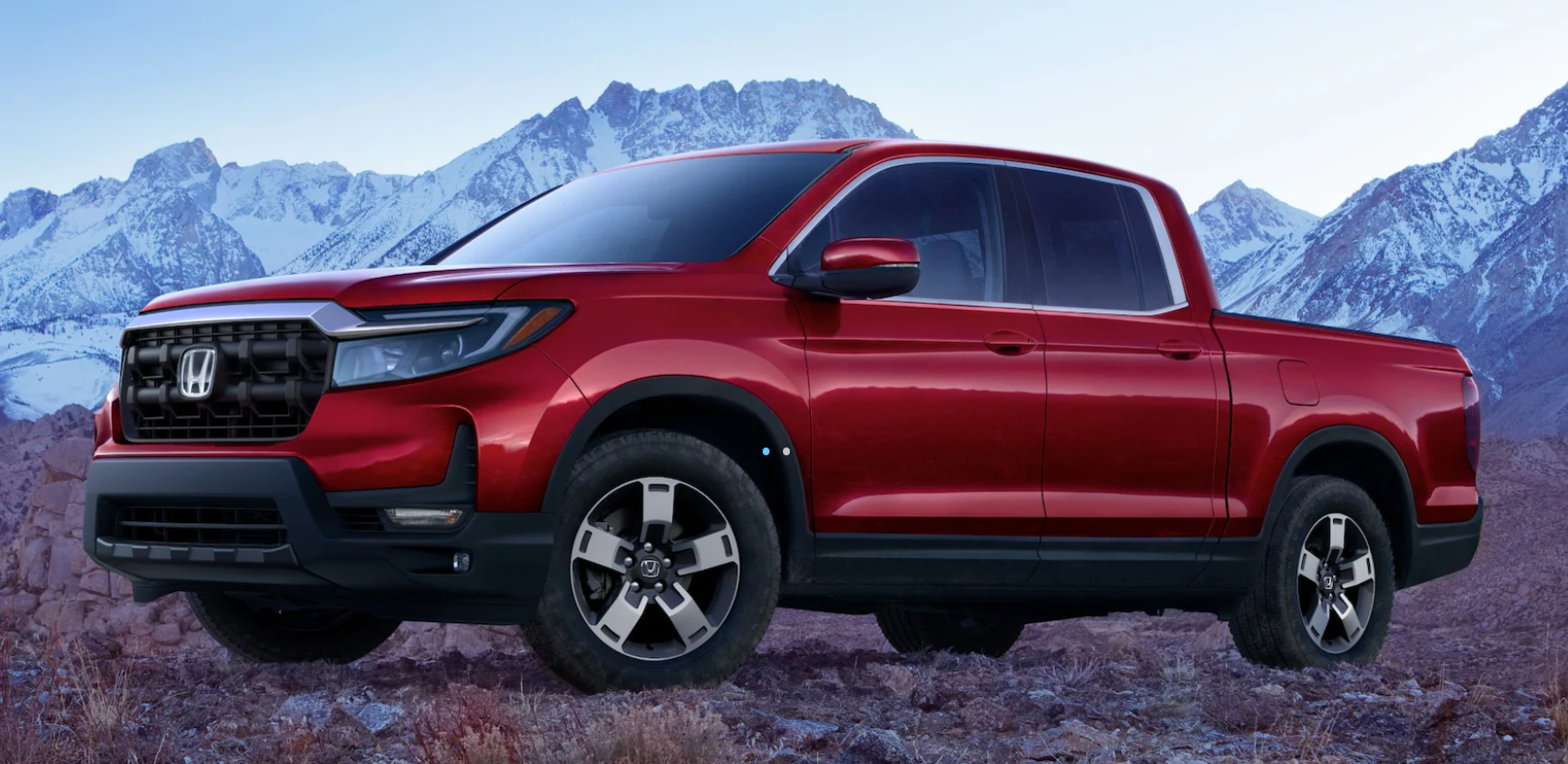
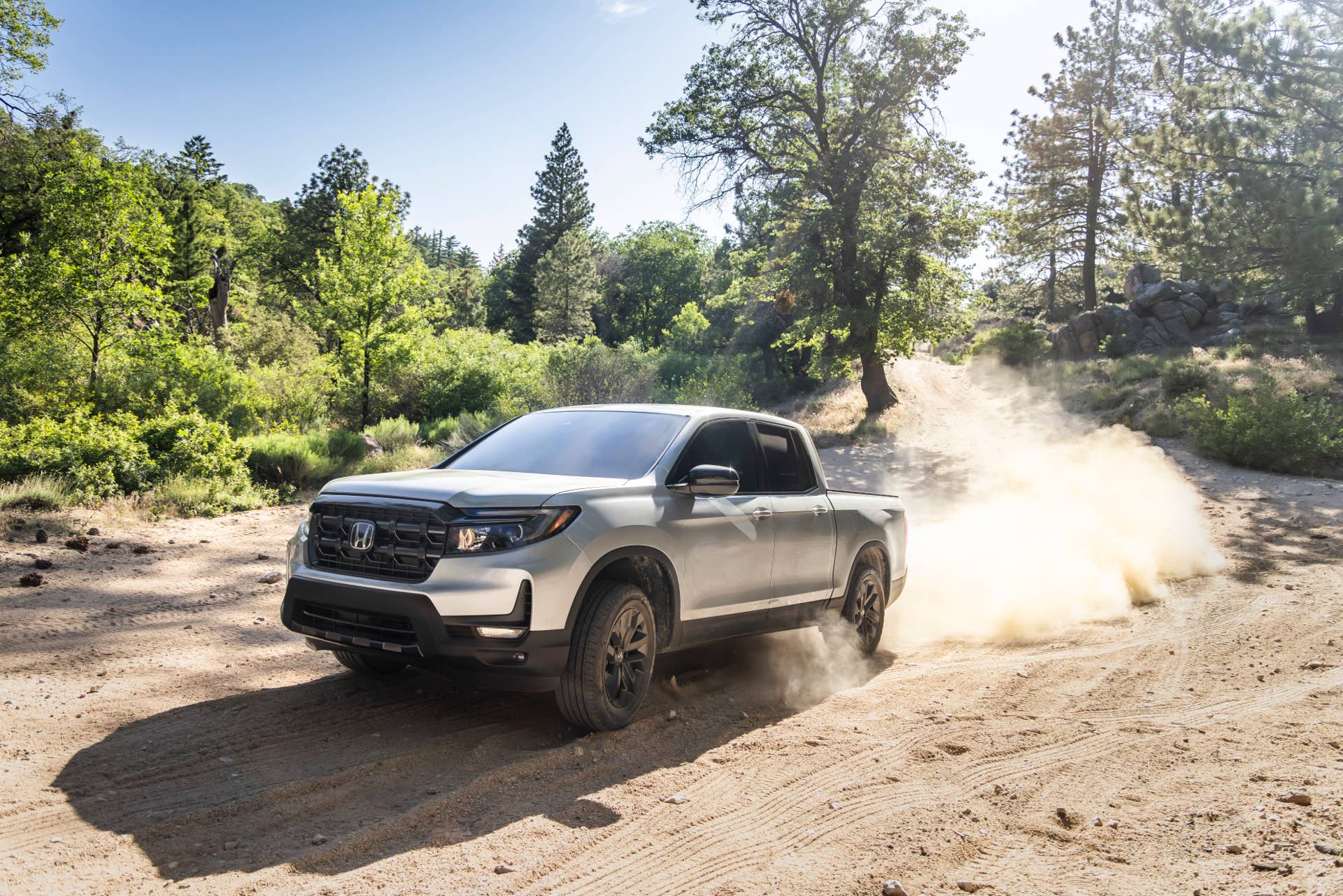
The Honda Ridgeline looks more like a traditional pickup, but it carries itself with a clean and understated presence. It has a square, upright stance, a tough-looking front end, and a more conventional profile. Trims like TrailSport add extra personality, with a special grille, unique wheels, special colors, and subtle exterior touches that lean into the adventurous lifestyle image without going extreme. Grille patterns are also distinct depending on trim level, further setting each one apart within its own trim line.
Powertrains and Driving Experience
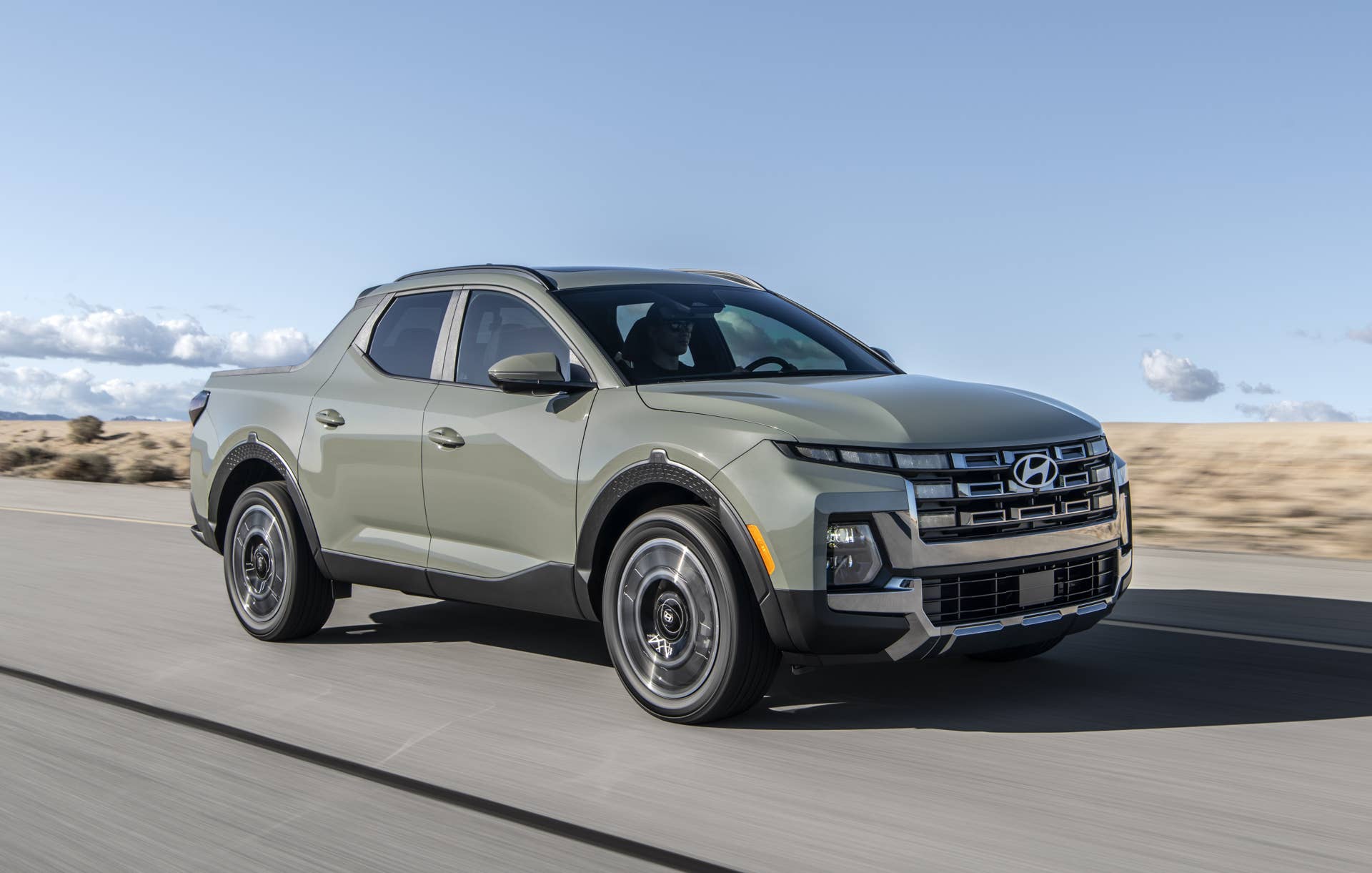
The Santa Cruz uses a 191-horespower 2.5-liter naturally aspirated four-cylinder in base form, but the 281-horsepower turbocharged 2.5-liter engine is the one most lifestyle buyers will want. It produces strong acceleration, pairs well with the smooth eight-speed automatic, and makes the Santa Cruz feel quick and playful around town. The base engine feels lackluster, despite good steering and handling. The bigger engine changes the driving experience and makes the Santa Cruz rather thrilling to drive. 0-60 comes in 6.0 seconds, making it decently quick.
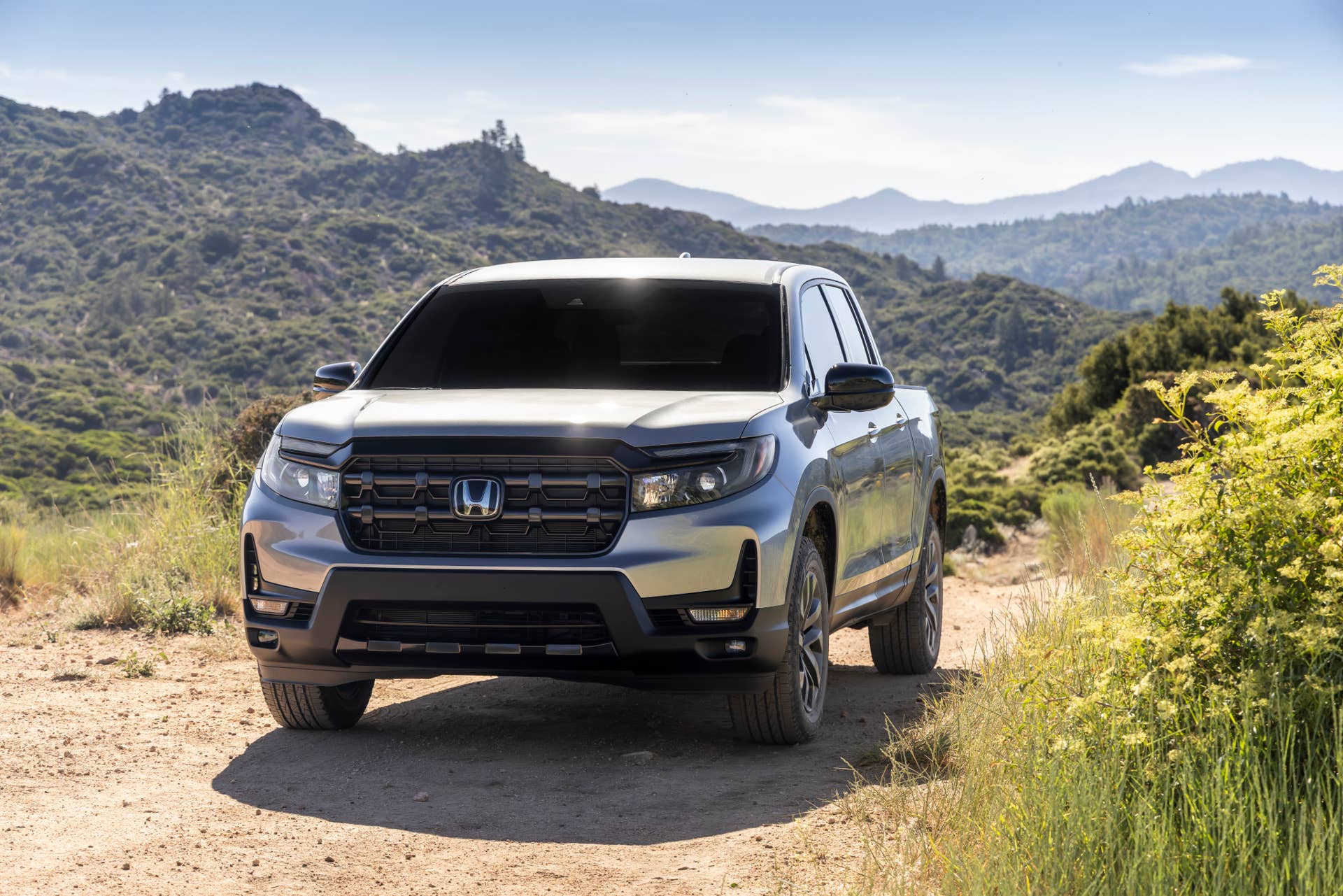
The Ridgeline relies on a single engine: a 3.5-liter V6 that is smooth, powerful, and a bit more aggressive sounding than the Santa Cruz. The transmission is a 9-speed automatic transmission. The powertrain delivers confident power and comes with standard all-wheel drive across the board. 0-60 arrives in the same time as the Santa Cruz at 6.0 seconds, and its driving experience is decidedly un-truck-like, meaning it handles more like an agile crossover. While it is not a sports truck, it offers a planted and composed feel on highways and back roads thanks to an independent rear suspension.
Utility and Towing
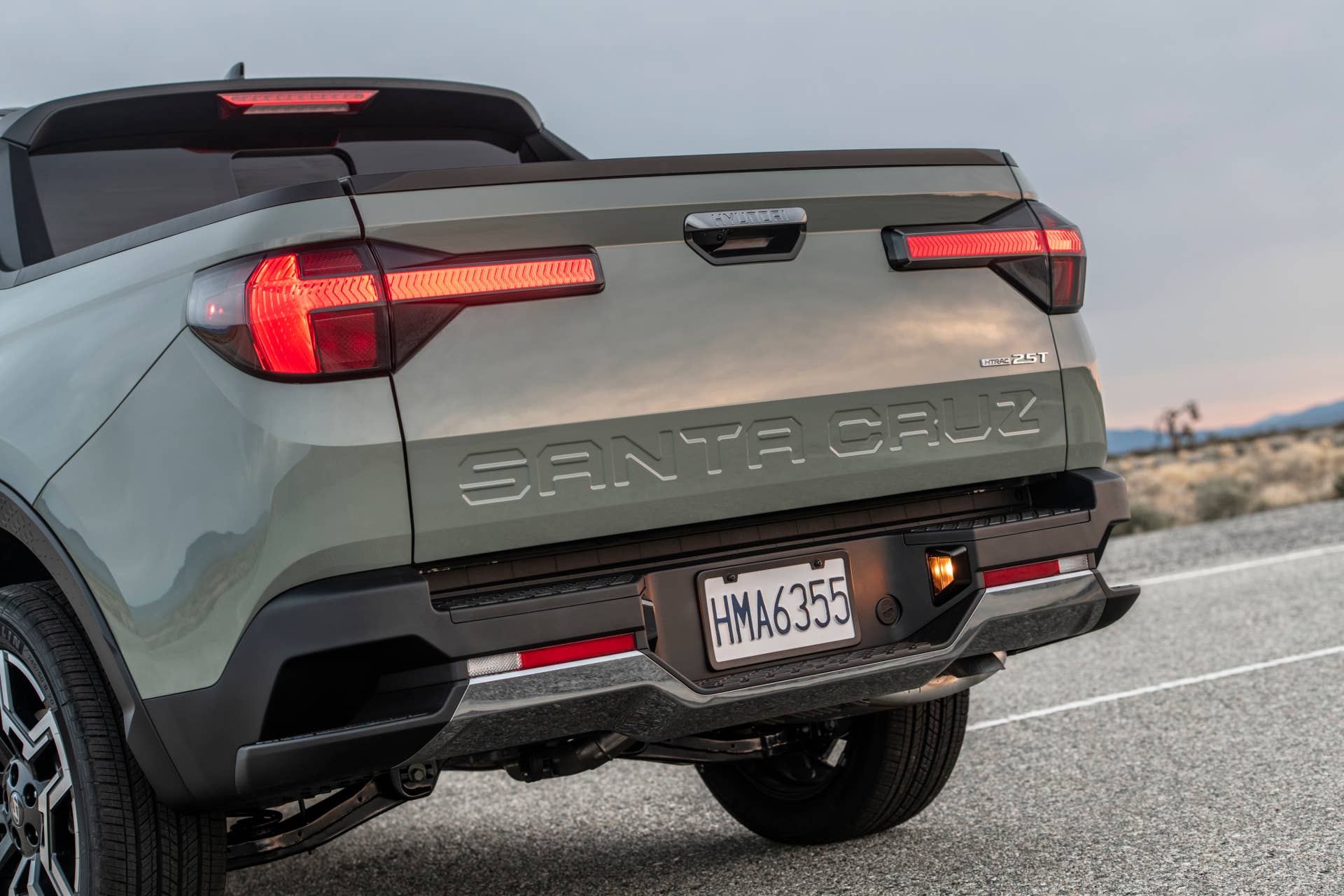
The Santa Cruz features a somewhat short 52-inch composite bed, but it makes excellent use of space. There are multiple tie-downs, a lockable tonneau cover available from the factory, and a hidden underfloor storage compartment. The Santa Cruz has a maximum towing capacity of 3,500 pounds with the standard 2.5-liter engine and 5,000 pounds with the turbocharged 2.5-liter engine and all-wheel drive. Its payload limit is 1,411 pounds. For people who mainly haul bikes, camping gear, coolers, sports equipment, and smaller material loads, it is more than enough. It’s more focused on the outdoors than it is Home Depot runs.
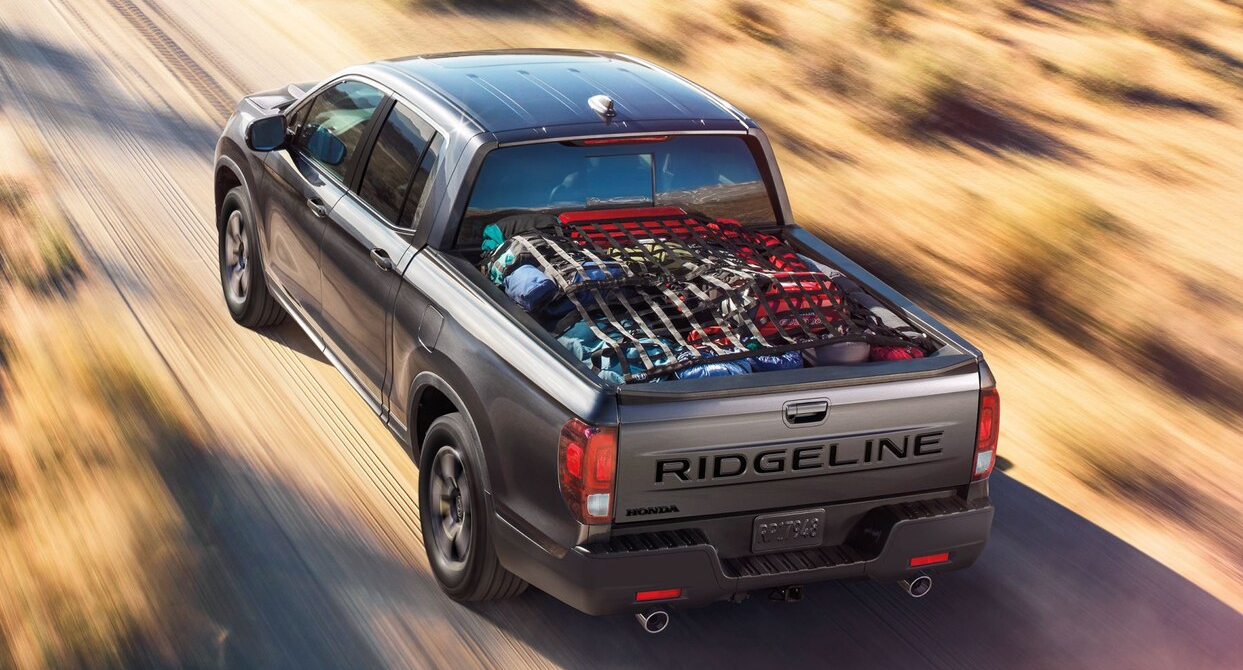
The Ridgeline has a larger bed at 64 inches in length. Its signature feature is the dual-action tailgate that both swings out and drops down. Honda also builds in a large, weather-resistant storage trunk beneath the bed floor that can hold luggage, groceries, tools, or even function as an ice chest during tailgates. The Ridgeline matches the Santa Cruz with a 5,000-pound max tow rating and slightly higher payload capacity at up to 1,583. It is the more versatile cargo hauler for people who carry larger items or regularly need their bed for true truck duties.
Interior Comfort and Technology
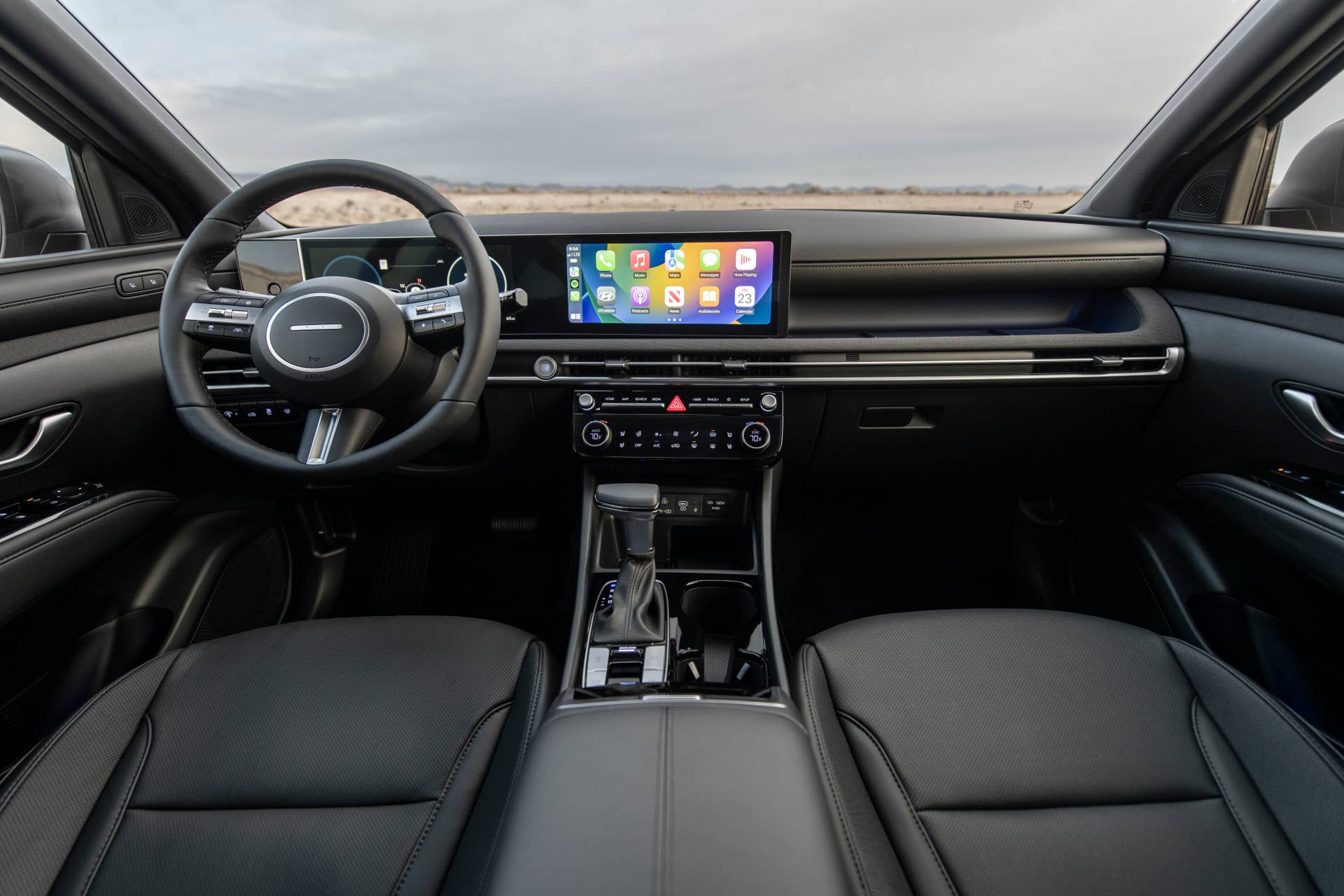
Inside, the Santa Cruz takes a modern, tech-centric approach. It was slightly refreshed in 2025 to provide for a larger infotainment setup and better physical controls for climate and audio. Higher trims offer dual 12.3-inch displays, a clean dashboard design, and upscale finishes that look more like a stylish crossover than a work vehicle. Features such as ventilated seats and premium materials are available, and the cabin feels sporty and contemporary. The downside is rear seat space at 36.5 inches of legroom, which is tighter and more suitable for shorter trips or smaller passengers. Headroom is 39.6 inches, a bit more than the Ridgeline.
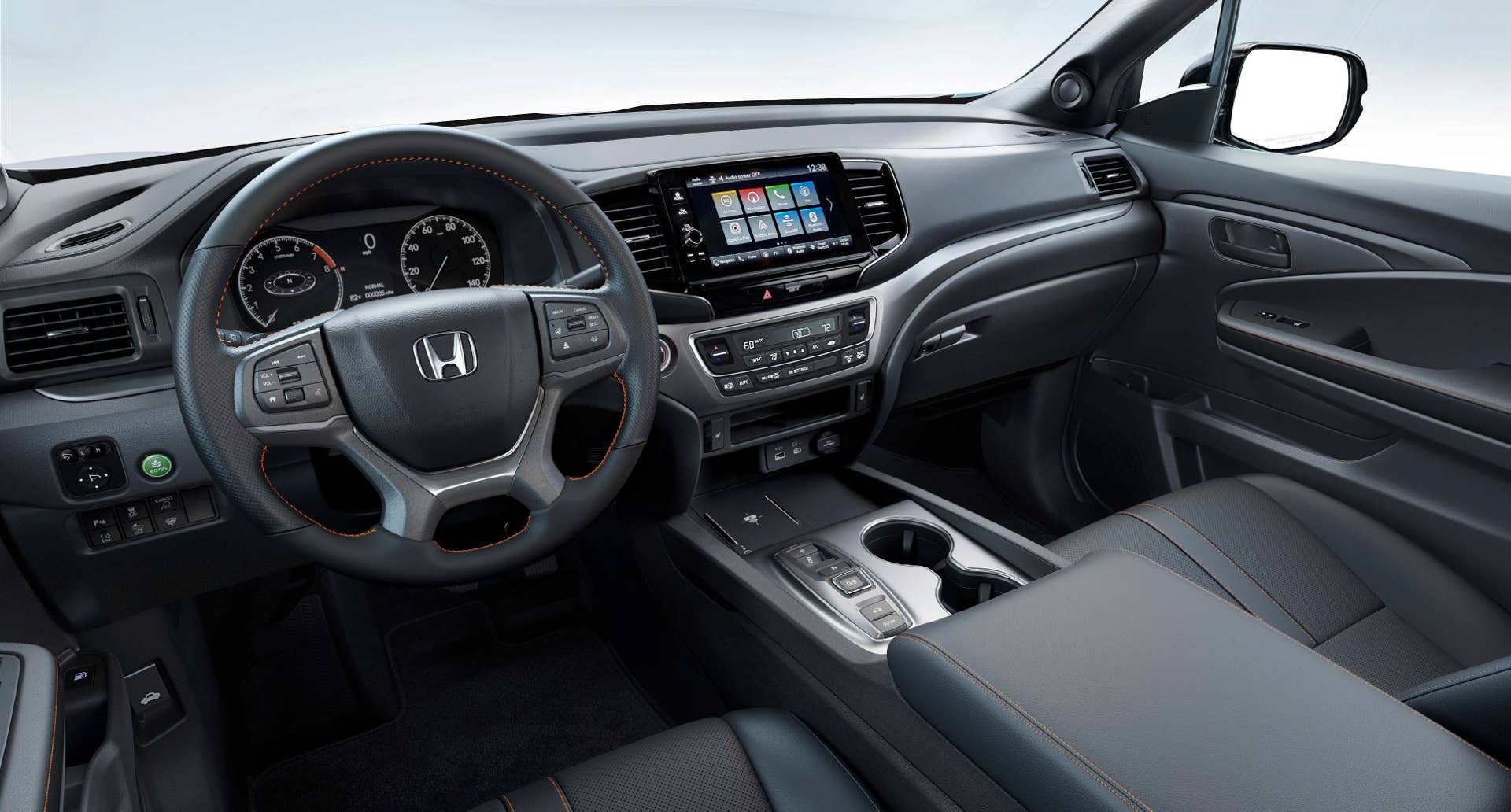
The Ridgeline’s interior is starting to look a little dated with its embedded touchscreen and rather simplistic center console controls. The infotainment screen is a small-ish 9 inches, and the analog-digital driver display measure 7 inches, quite a bit smaller than the Santa Cruz. The Ridgeline jhas a slightly roomier second row with 36.7 inches of legroom but a tad less headroom at 38.8 inches. It feels like a spacious midsize SUV, with excellent visibility, large storage areas, and a practical layout.
Safety and Driver Assist Tech
The Santa Cruz’s safety set is one of the best in the industry and includes Forward Collision Avoidance Assist with Pedestrian Detection, Blind Spot Collision Warning, Lane Keep Assist, Lane Following Assist, High Beam Assist, Driver Attention Warning, Adaptive Cruise Control, Rear Cross Traffic Collision Avoidance Assist, Safe Exit Warning, and Rear Occupant Alert. It also earned the Top Safety Pick rating from the IIHS.
In terms of safety, every Ridgeline comes with a solid set of features including Collision Mitigation Braking, Road Departure Mitigation, Blind Spot Monitoring, and Adaptive Cruise Control. It has fewer standard safety features, and its driver assist features aren’t as advanced as the Santa Cruz, something to consider if its going to be a family hauler, as well as a gear hauler.
Pricing
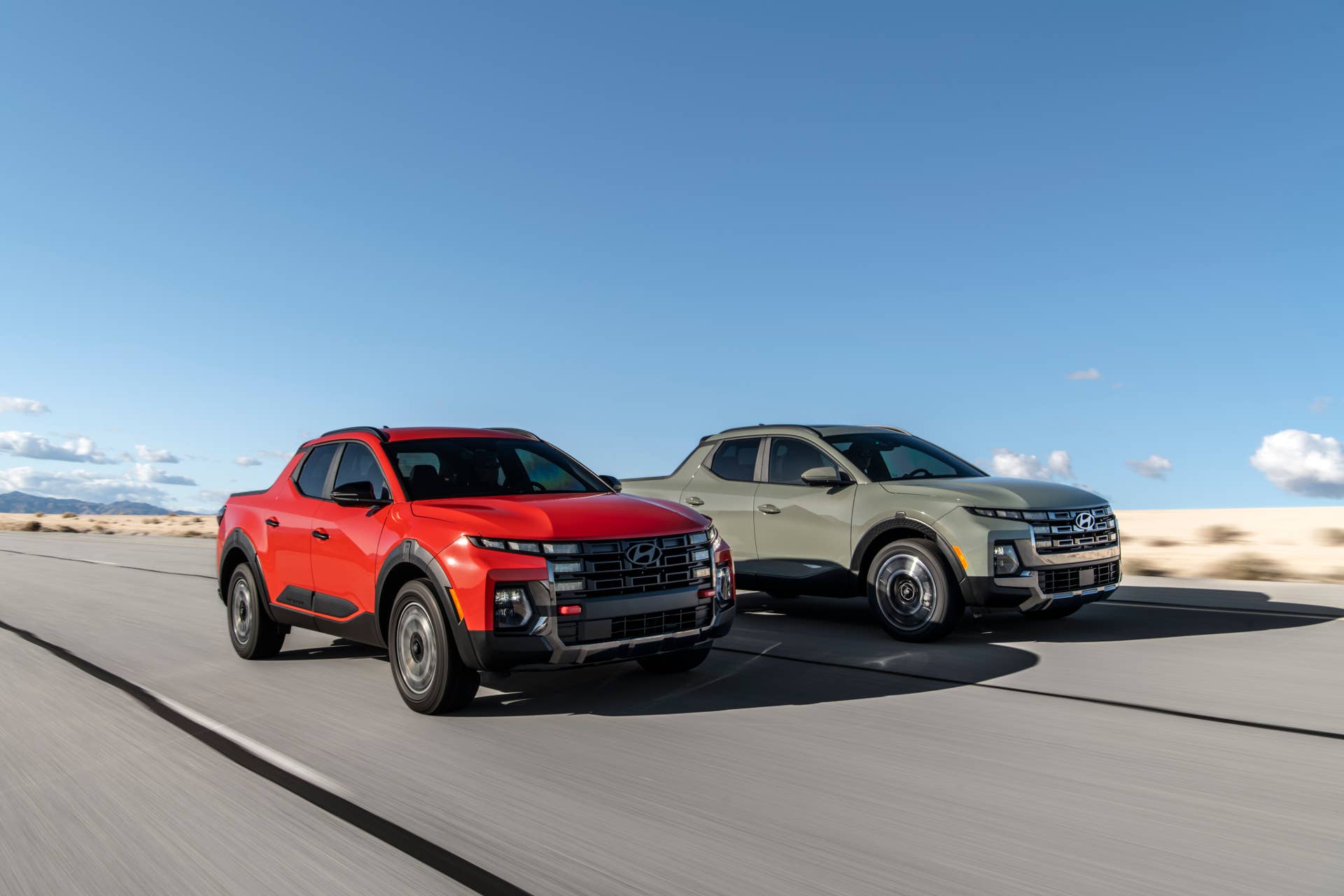
The base Santa Fe SE starts at $29,500, going all the way up to the Limited at $43,450. In order to get all-wheel drive on lower trims, you have to add $1,500. That puts the base price of the SE AWD at $31,000. As mentioned earlier, higher trims like the off-road leaning XRT and the Limited get AWD as standard equipment.
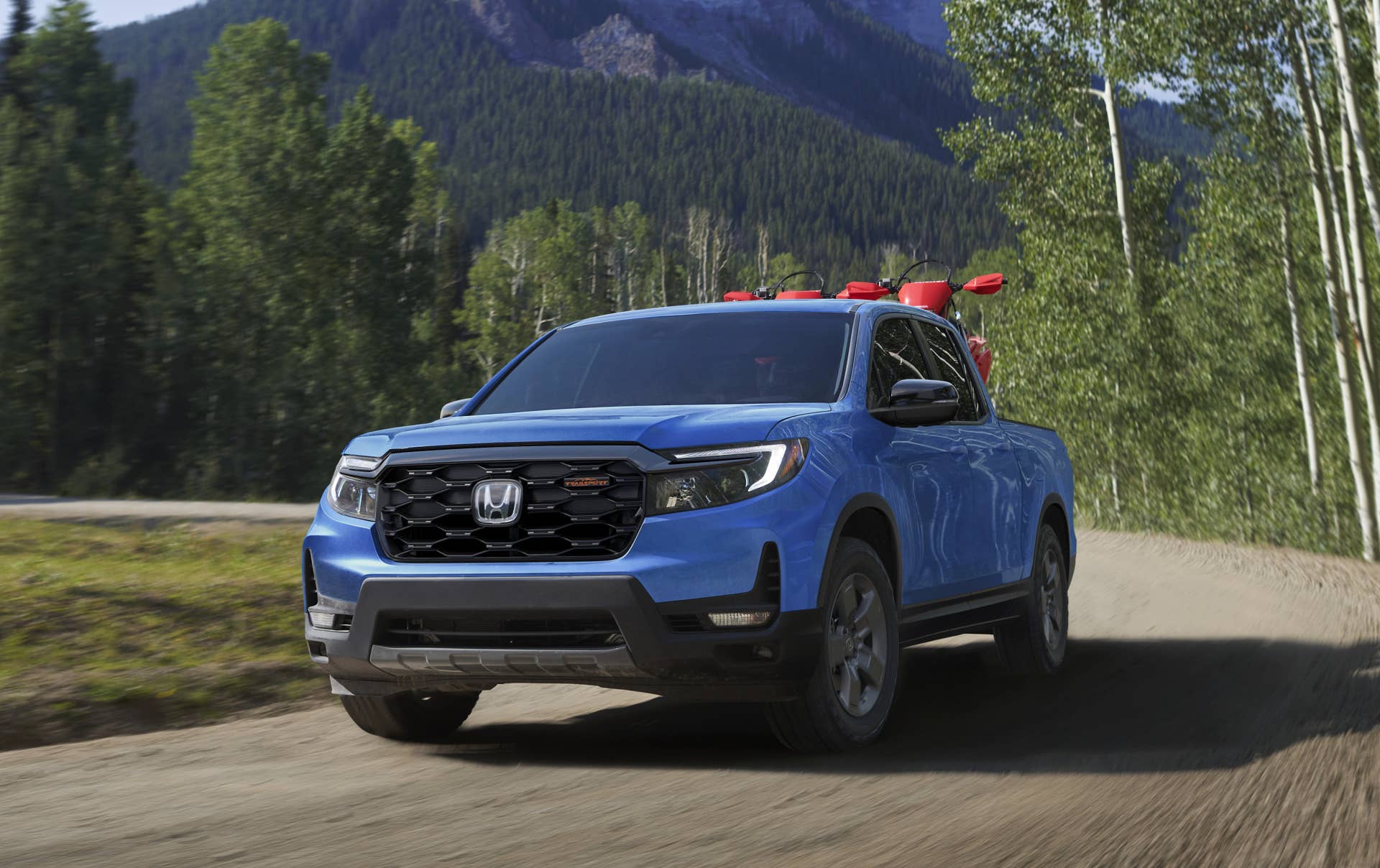
The Ridgeline is a bit more expensive and starts at $40,595 for the base Sport trim, but it does come with standard all-wheel drive, unlike the base Santa Cruz SE. The top trim Ridgeline Black Edition Two-Tone costs $47,695, about four grand more than the most expensive Santa Cruz. That’s a pretty big delta, but you do get more upscale two-tone paint and two-tone leather seats, setting it apart from the rest of the Ridgline trim line.
Final thoughts
Lifestyle pickups are not about maximum towing or heavy-duty hauling. They are about comfort, style, utility, and how well a vehicle fits into your daily routine and weekend plans. Both trucks excel at what they are designed to do, but in different ways. The Santa Cruz is the stylish, youthful, city-friendly choice. The Ridgeline is the mature, versatile, do-everything choice. For most lifestyle shoppers who prioritize space, comfort, and utility, the Ridgeline edges out the Santa Cruz. But if style, modern tech, and compact agility top your list, the Santa Cruz delivers a more expressive and fun alternative.