

A friendly face
While I was filming b‑roll of the 2026 Honda Prelude in Hyper Blue, someone walking by stopped short, eyes locked on the car. “Sorry to interrupt, but… what is this? It’s adorable.” When I said it was the new Honda Prelude, they did a double-take.
“No way. I thought it was something way more expensive. I sent a picture to my sibling and told them, ‘This thing is so cool, but definitely out of my price range.’” They peeked inside at the leather, contrast stitching, and alcantara. “There’s no chance this is under $60,000.”
I told them the actual number: “$43,650—with every package and the optional color.” Their expression shifted again when they learned the 200‑horsepower roadster/coupe/sports‑car mashup was a hybrid and that I’d been averaging 36.2 mpg while carving through mountain roads in S+ Shift mode. They immediately called their sibling back.
Kristen Brown
Two more people approached me with the same wide‑eyed reaction before the day was over. And that’s when it clicked: the Honda Prelude is doing something rare. It’s catching the attention of people who never saw themselves as “car people”—and giving them an easy entry point into an otherwise intimidating culture and lifestyle. It’s approachable, fun, efficient, affordable, and unexpectedly attainable. For many budding enthusiasts, this might be the car that flips the switch.
Finally, a non-nonsense entry-level sports car
Sports cars are usually built and marketed with seasoned enthusiasts in mind. Terms like “torque vectoring,” “horsepower‑per‑liter,” and “turbo lag” are catnip for people who pore over spec sheets and chase zero‑to‑sixty times. There’s nothing wrong with that, but it can make an otherwise fantastic car feel intimidating to anyone who isn’t already fluent in the vocabulary. If someone doesn’t know what “adaptive dampers” do or why they matter, they might assume the whole category requires learning a new language just to enjoy the drive.
Kristen Brown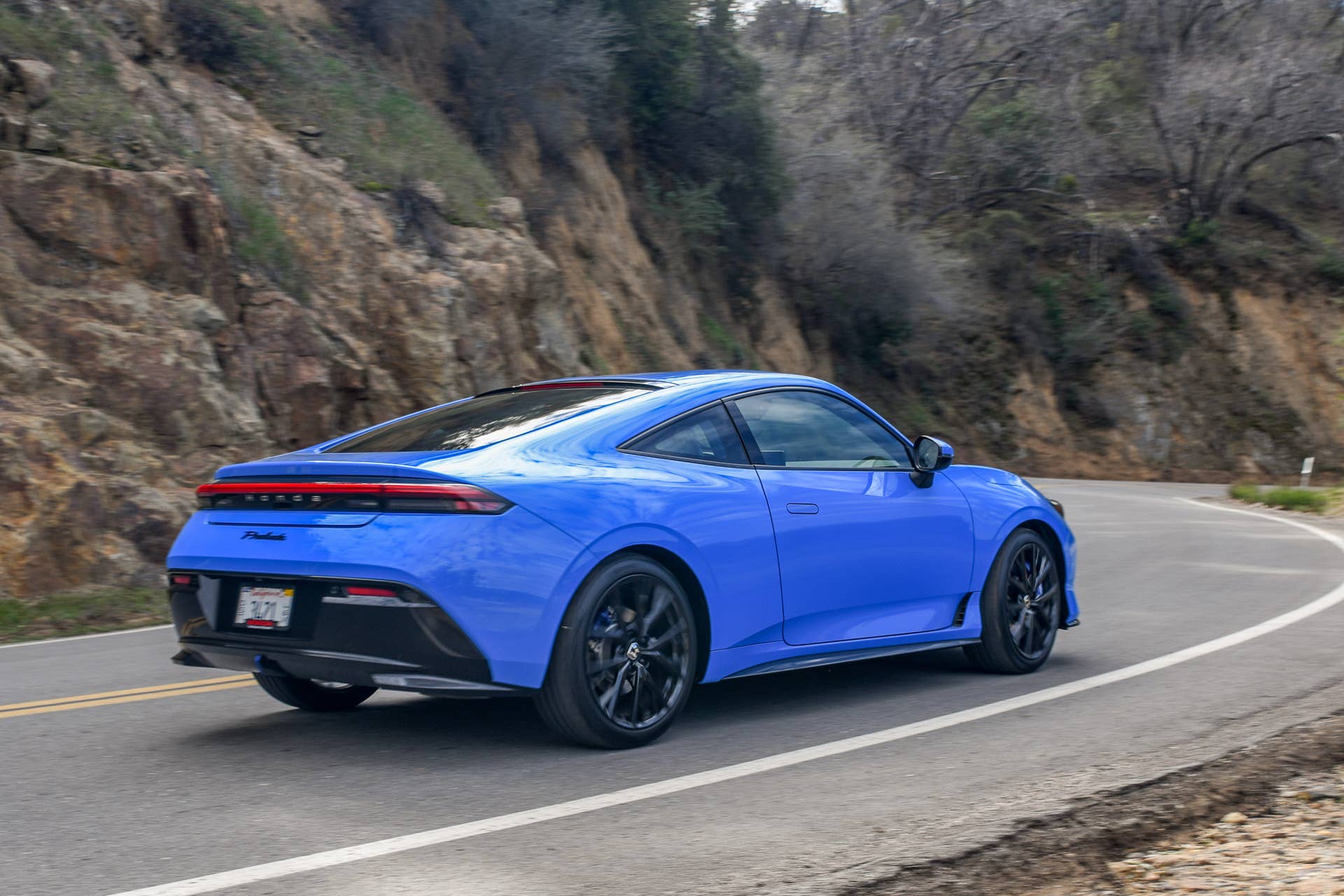
That’s exactly why the 2026 Honda Prelude stands out. Yes, there’s real engineering depth here. But its magic lies in how uncomplicated it feels. For years, the Mazda Miata was basically the only affordable, two‑door, non‑turbo roadster you could buy—and if you wanted the most engaging version, you had to commit to a manual. I love a great manual as much as anyone, but not everyone wants to prove their enthusiast credentials every time they get behind the wheel. Sometimes people just want something quick, playful, comfortable, and attainable without needing to study up first.
The Prelude nails that balance. Driving it felt like spending time with a friend who just gets you. The car seemed to anticipate what I wanted, and the whole experience was light, joyful, and effortless. I found myself grinning, laughing, settling in. I didn’t want to climb out when the drive was over. It’s rare to meet a new car that clicks with you instantly—the Prelude did, and it reminded me how refreshing that feeling can be.
Related: Honda Kept This 1983 Prelude for Over 40 Years—and It Has Under 400 Miles
The automatic is so good, it doesn’t need a manual option
I’ll admit it up front: I’m a full‑blown car nerd. I love digging into powertrains and drivetrains, and I can happily swim in all the jargon. So when I heard the new Honda Prelude would be automatic‑only—after generations of excellent manuals—I braced myself for disappointment. Most automatics in sporty cars feel sluggish or disconnected, like they’re constantly holding you back when you’re ready to have fun. I assumed the Prelude would fall into that same trap.
Kristen Brown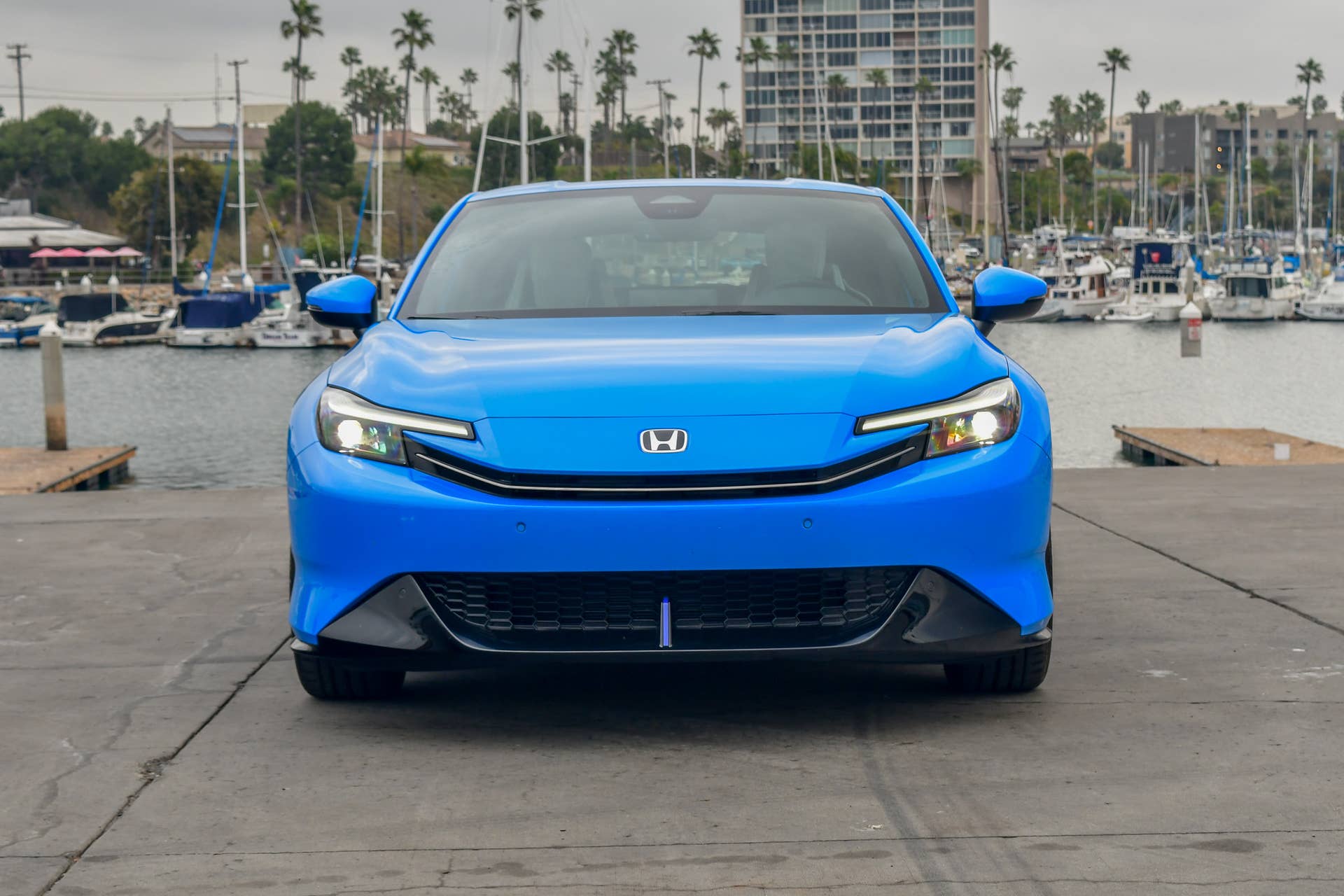
I could not have been more wrong. Yes, the shifter looks familiar—it’s the same physical setup you’ll find in the Passport, Pilot, and Ridgeline—but the transmission behind it is a completely different animal. The hybrid system mirrors the Civic’s, pairing a 2.0‑liter engine with electric assistance for a combined 200 horsepower, but the way the Prelude manages that power is what separates it from Honda’s other hybrids. You get several drive modes—GT (Normal), Sport, Sport+, and Comfort—and then there’s the S+ button, which is basically the Prelude’s “let’s get serious” switch.
What does S+ Shift mode really do?
S+ mode dials everything up. The suspension tightens, more exhaust sound filters into the cabin, throttle response sharpens, and the shifts get noticeably more assertive. What stunned me, though, was how intuitively the transmission behaved. It held lower gears when I wanted more power on tap, then slipped into higher gears exactly when I needed them. Every time I thought, “This is where I’d downshift and stay in third,” the Prelude beat me to it.
Kristen Brown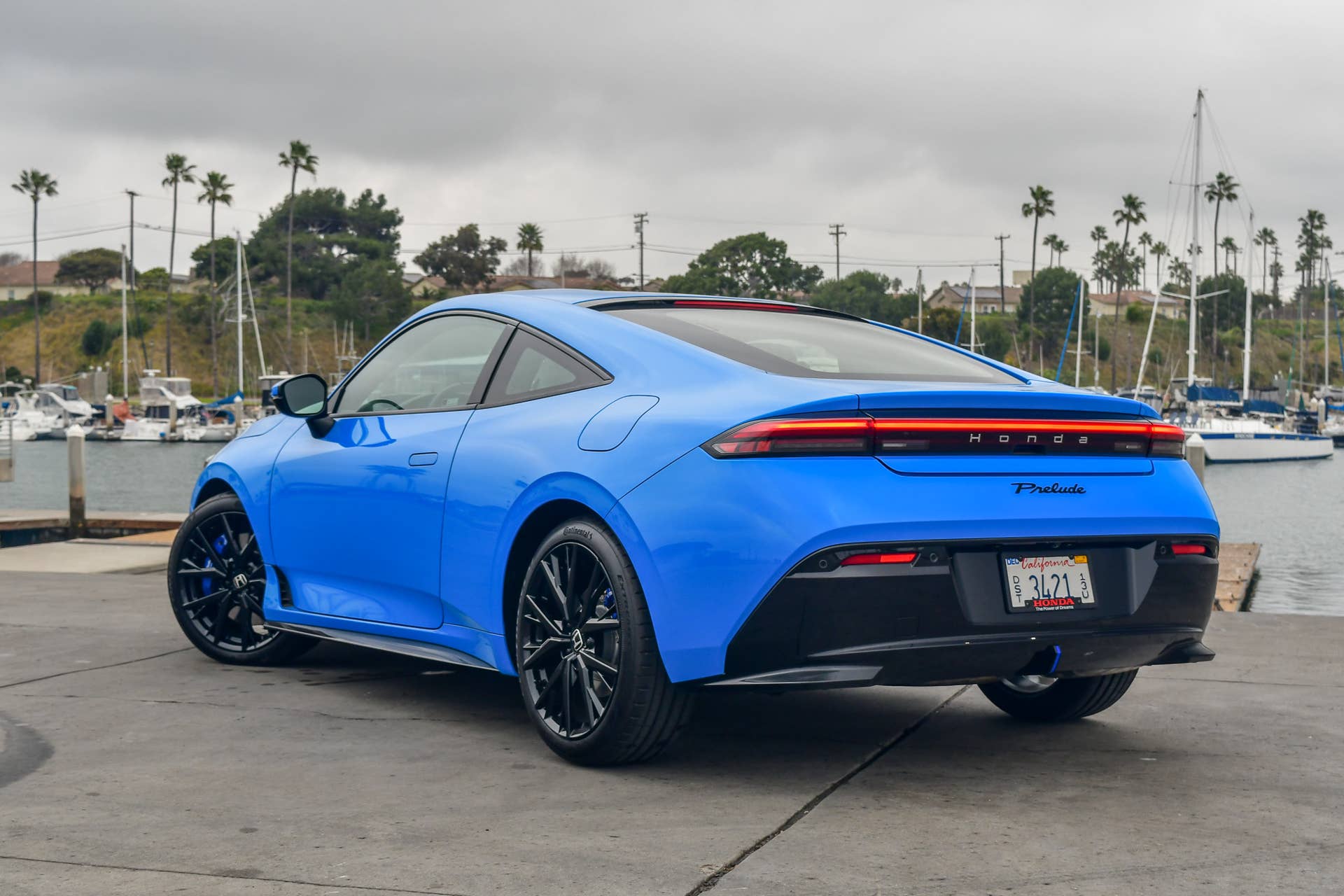
Every time I was about to drop a gear to pass a slow truck, it had already done so.
It felt like the car was finishing my sentences. And that responsiveness wasn’t limited to S+. Every mode had its own personality, but all of them were genuinely enjoyable—even Comfort. The Prelude never stopped feeling eager, intuitive, and ready to play.
Related: These Are 2026’s Best Cars for the Money According to Experts
The interior is very premium-feeling, too
One area where sports cars and roadsters often stumble is the interior. Too many feel like the cabin was an afterthought, as if manufacturers assume anyone interested in performance won’t care what they’re sitting in. The usual enthusiast response is, “You’re not buying it for the interior—you’re buying it for the drive.” But the 2026 Honda Prelude doesn’t make you choose.
You get alcantara, leather, embroidered headrests, a stitched “Prelude” badge across the dash, sharp contrast stitching on the door panels and steering wheel, a premium audio system, a customizable digital gauge cluster—the whole package. Technically, it has back seats, though they’re very much in the Mustang category: usable only if you’re feeling mischievous. For me, they were perfect for keeping camera gear and snacks from sliding around.
Kristen Brown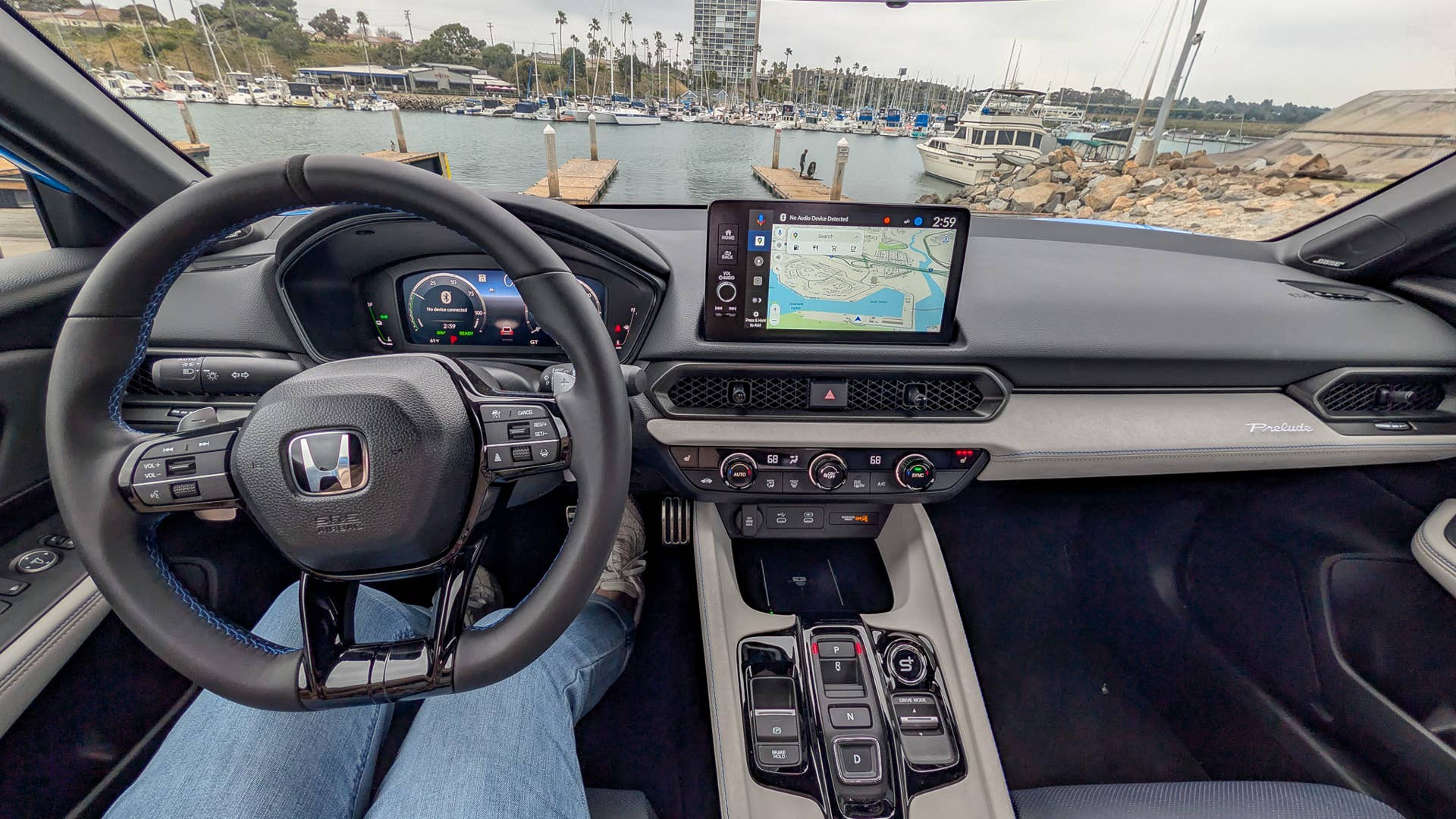
What surprised me most was how upscale the cabin felt for the price. It opens the door to a much broader audience—people who want something fun and engaging without sacrificing comfort or design. I kept imagining taking a friend along, blasting our favorite 2010s playlist, laughing through corners I’d never take that quickly in my Subaru Forester, all while enjoying hybrid‑level efficiency. Even driving the Prelude with enthusiasm, I was still seeing 36.2 mpg. That’s Toyota RAV4 Hybrid territory. In a roadster. Let that sink in.
I keep using sports car, coupe, and roadster interchangeably. What does Honda call it?
This is going to dip into car‑nerd territory for a moment, but stick with me. In enthusiast circles, the lines between a coupe, a sports car, and a roadster can get a little blurry, even though each has its own vibe. A coupe is mostly defined by its shape: two doors, a fixed roof, and a clean, streamlined profile — think of cars like the Lexus RC or Infiniti Q60. A sports car, on the other hand, is engineered around performance, with sharp handling and serious power, like the Nissan Z or Chevrolet Corvette. A roadster is all about lightness and joy: two seats, two doors, often a convertible top, and a focus on playful, engaging driving rather than outright speed — classic examples include the Fiat 124 Spider or the Honda S2000.
Kristen Brown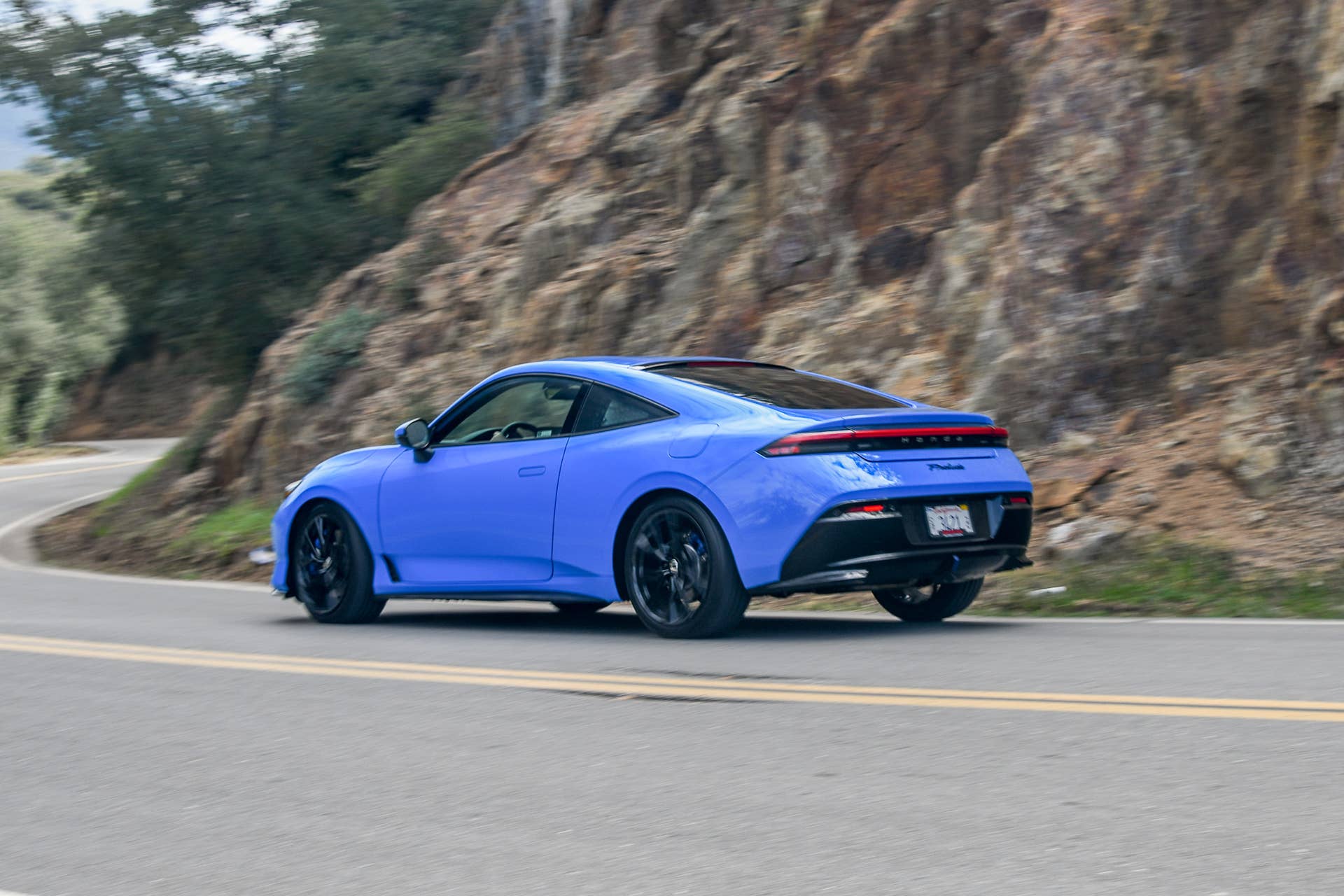
With that framework in mind, the Prelude lands somewhere in the middle.
Honda calls it a sports car, but in practice, it channels far more roadster energy. The proportions, the two‑door layout (the rear seats barely count), and the modest‑but‑lively hybrid powertrain all point toward a car built for fun rather than dominance. It’s less about lap times and more about that breezy, effortless feeling you get from a great roadster—just wrapped in a sleek coupe body instead of a soft top. So maybe the best description is something in between—a sports‑road‑coupe, if such a thing exists.
Related: John Cena Took His Honda Civic Type R for Service and Left With a New Prelude
Now, is it worth $43,650? That depends
Talking with other auto writers on this drive was fascinating. We all liked the Prelude far more than expected, but the same concern kept popping up: the price. At $43,650, it sits in a very particular slice of the market.
Take a look at the landscape. The Mazda Miata 35th Anniversary Edition —the top trim—starts at $36,250. The Subaru BRZ Yellow. Series comes in at $39,360. Toyota’s GR86 Premium starts at $34,900. You can see the pattern. The only direct competitor that actually costs more than the Prelude is the BMW Z4, which ranges from $56,100 to $79,675.
What really caught my attention, though, is what happens just a few thousand dollars up the ladder. For about $3,000 more, you can get a Honda Civic Type R. It has more horsepower, real back seats, and a much bigger trunk, with a starting price of $46,895.
Kristen Brown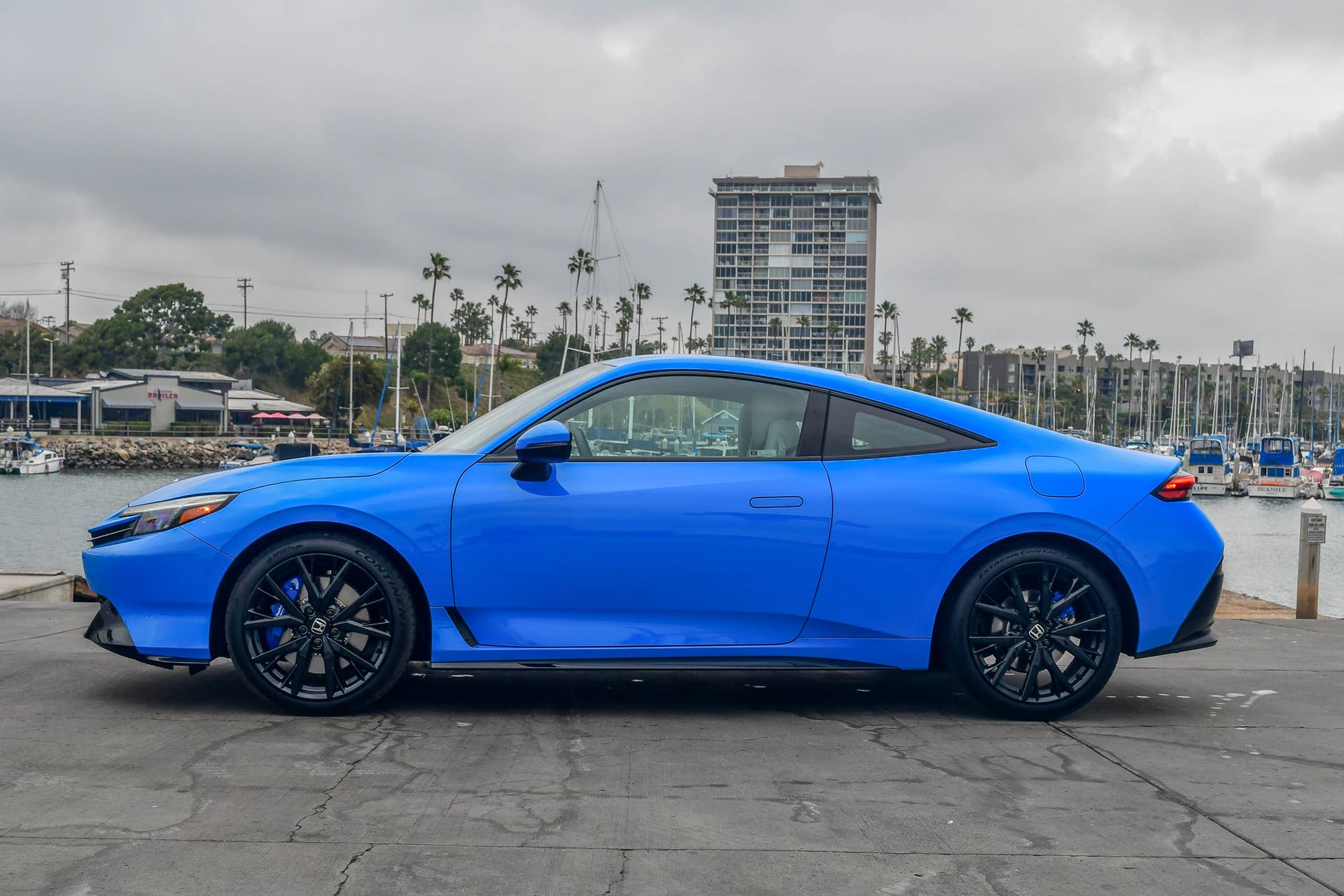
But here’s the catch: most of the cars I just mentioned are manual‑only or come with track‑focused drive modes that can feel overwhelming to anyone who isn’t already deep into the hobby (with the BRZ and GR86 being the friendliest exceptions). So is the Prelude worth it? If you’re looking to step into the sports‑car/roadster/coupe world without feeling like you need to prove yourself to a hardcore enthusiast crowd, then yes. It’s an easygoing, joyful, approachable car that lets you grow your confidence rather than demanding it upfront.
And when you factor in the design, the tech, and especially the fuel economy, the value becomes even clearer. That mileage figure is the Prelude’s secret weapon—the thing that gives it an edge in a segment where efficiency usually isn’t part of the conversation.
Final thoughts
For once, there’s genuinely nothing else on the market quite like the Honda Prelude. It’s the automotive equivalent of a friend you can go months without talking to, and the moment you reconnect, everything falls right back into place. It doesn’t demand anything extra from you to be great. You don’t have to adjust your driving style to “unlock” it. You don’t need a track day to appreciate what it can do. It doesn’t require specialized maintenance or premium fuel. It’s as simple as getting in and going.
That kind of simplicity feels rare these days, and honestly, it’s refreshing. If I didn’t already have a WRX, this is the car I’d want—because it reminds you that a good drive doesn’t need to be complicated. It can be easy. It can be joyful. It can just… be fun.
Kristen Brown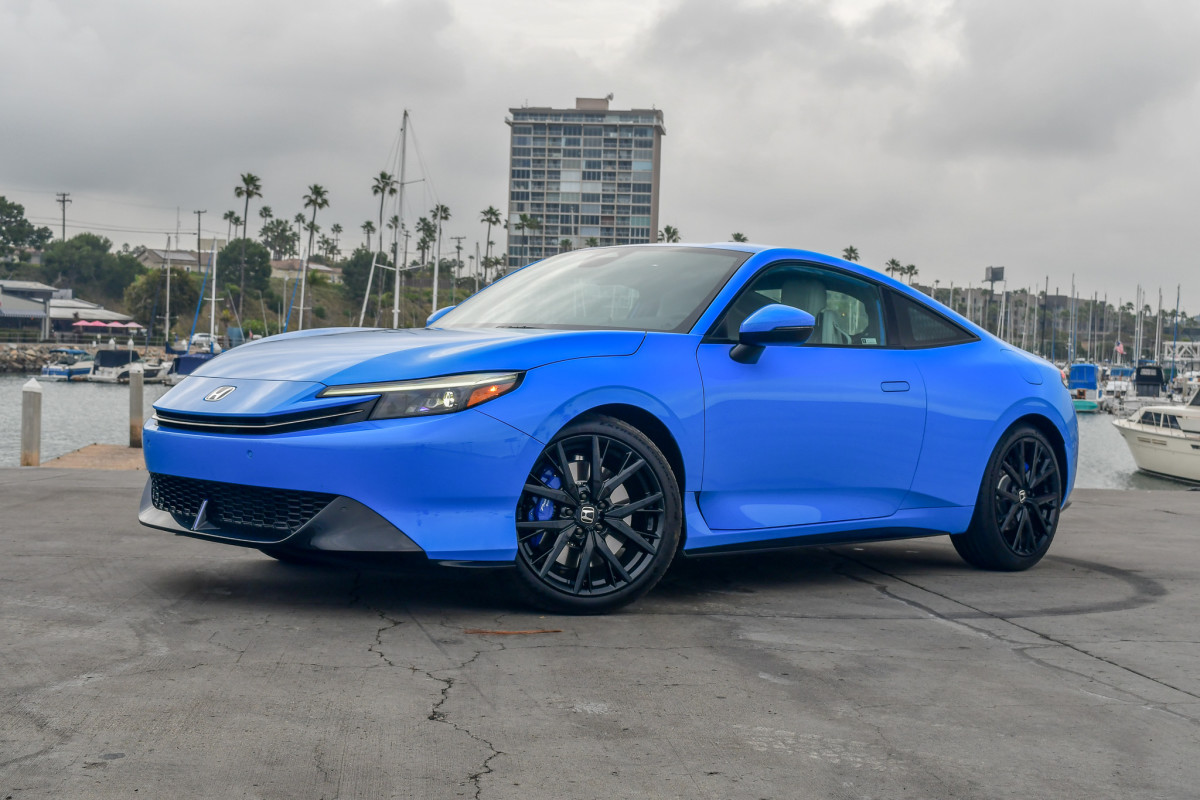
And that’s why I’ll be recommending the Prelude to anyone who wants something approachable, affordable, efficient, and genuinely enjoyable—a car that fits seamlessly into everyday life but still makes you smile every time you take the long way home. It finally feels like there’s an option out there for people who want to fall in love with driving without feeling like they need to join an exclusive club first.