

Can the underrated Ridgeline top the best-selling Tacoma?
In the midsize pickup category, Toyota has been the sales leader for some time now, offering a combination of capability and reliability that has been hard to beat. The fourth-generation model arrived in 2023 and has continued to build on the Tacoma’s impressive legacy. On the other side of the ring is Honda’s Ridgeline, which prioritizes comfort over outright capability. The second-gen Ridgeline has been around since 2016, so it’s a much older truck than the Toyota, but does that automatically mean the Tacoma is better? Here’s how these two competitors differ.
Related: 2025 Honda Ridgeline TrailSport vs. 2025 Ford Ranger Lariat 4×4: Which Mid-Sized Truck is Mightier?
1. Body-On-Frame Vs. Unibody Construction
View the 4 images of this gallery on the
original article
These are very different animals under the skin. The Tacoma is a traditional body-on-frame pickup truck, while the Ridgeline is a unibody pickup, so has a lot more in common with a crossover than the Toyota.
There are pros and cons to both setups. Body-on-frame pickups are more durable, especially when towing, hauling, or driving off-road, since the design allows for greater body flex. Repairs are also easier for body-on-frame pickups, as damaged components are more isolated.
Unibody pickups like the Ridgeline are less suited for serious off-roading, but they tend to result in lighter, more comfortable vehicles that are superior for everyday commuting and lighter tasks. While many people believe a true truck needs to have body-on-frame construction, the reality is that the Ridgeline is capable enough for the majority of tasks the average consumer will throw at it.
Related: 2025 Toyota Tacoma vs. 2025 Chevy Colorado: 5 Major Differences
2. Turbo-Fours Vs. Naturally Aspirated V6
View the 2 images of this gallery on the
original article
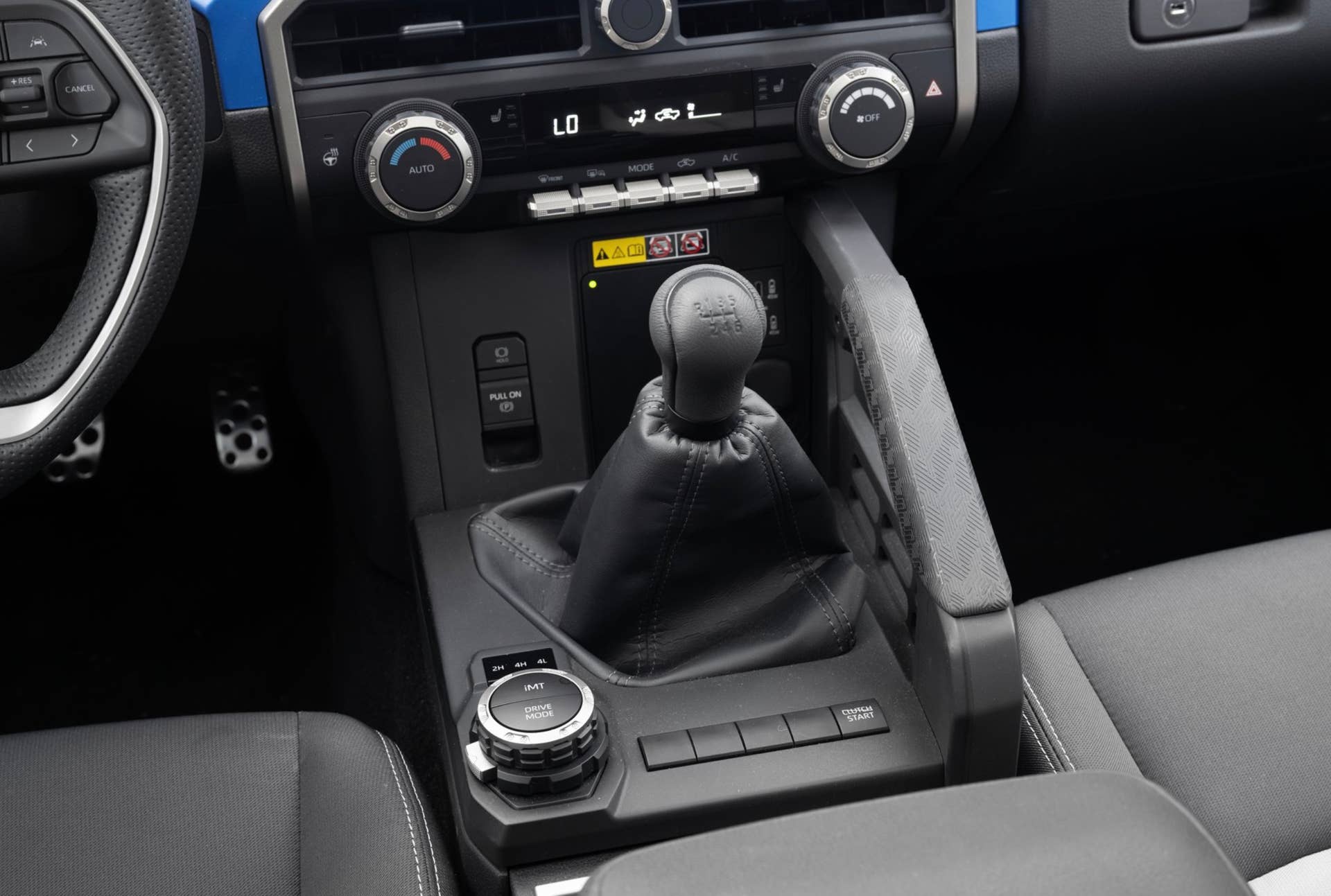
Being a newer pickup, Toyota has resorted to downsizing, turbocharging, and hybridization in the latest Tacoma. In the base models, you get a 2.4-liter four-cylinder turbo with 228 horsepower and 243 lb-ft of torque, while upper trims upgrade to a 270-hp/310-lb-ft version of the same engine (manual) or a version with 278 hp/317 lb-ft (automatic). On that note, only the Toyota is available with a six-speed manual transmission, but most versions have an eight-speed automatic.
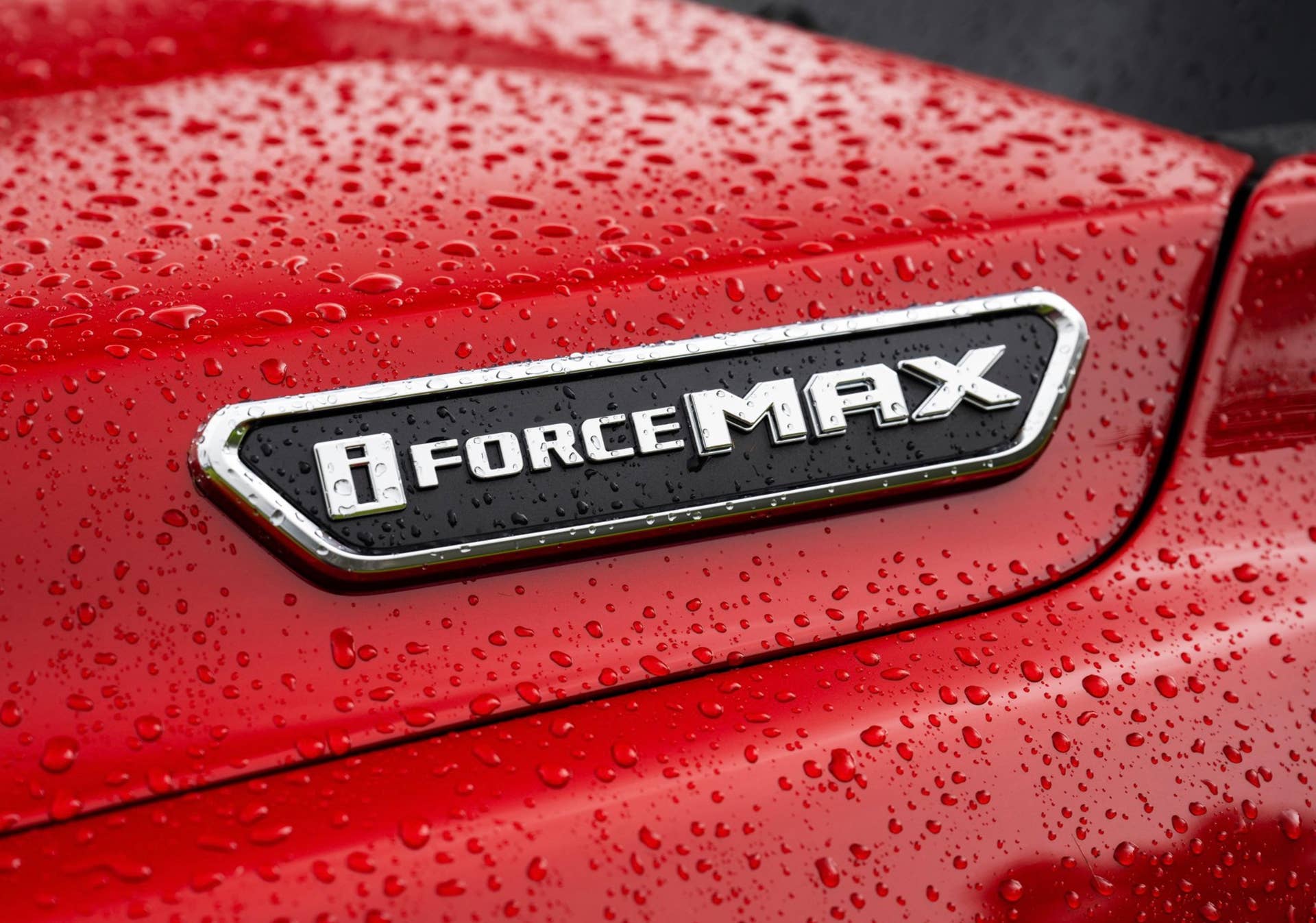
The i-Force Max powertrain in the Tacoma gets an electric motor added to the mix, increasing outputs to 326 hp and 465 lb-ft; this one is only available with the automatic. Rear-wheel drive is standard and four-wheel drive is available.
The Honda has a much simpler powertrain. Your only option is a smooth 3.5-liter V6 with 280 hp and 262 lb-ft, paired with a nine-speed automatic and all-wheel drive. The Ridgeline TrailSport has an off-road-tuned suspension, but Honda has no equivalent to the really hardcore Tacomas like the TRD Pro, which gets Fox internal bypass shocks.
Both models have competitive powertrains, but many truck traditionalists will be wary about how reliable the Tacoma’s turbocharged and/or hybrid engines will perform in terms of long-term reliability. Toyota has already had to replace many engines in the turbocharged V6 Tundra. Hopefully, these issues are not seen in the smaller Tacoma.
3. Honda Is Quicker, Toyota Is More Efficient
View the 2 images of this gallery on the
original article
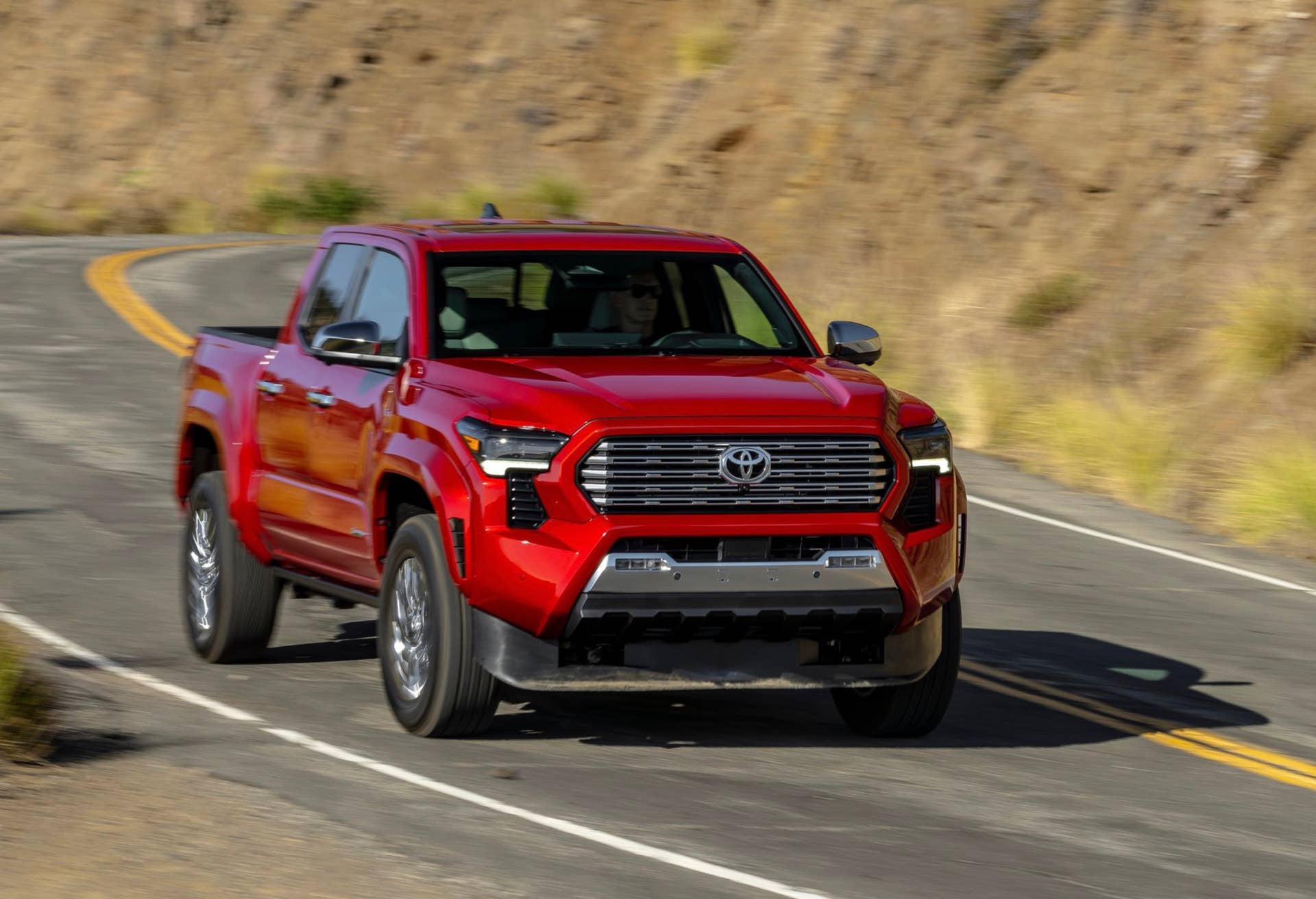
Thanks to its lighter unibody construction and responsive V6, the Ridgeline can get to 60 mph in a little over seconds, an excellent time for a practical pickup. The standard Tacoma needs around seven seconds to do the same, while the more powerful hybrid is actually slower in certain trim levels; the hybrid TRD Pro needed 7.7 seconds to hit 60, based on independent tests, likely due to its heavy off-road hardware and chunky tires.
The Toyota has an advantage in terms of economy, but the gap isn’t as massive as you may imagine. You can get up to 23 mpg combined in the Tacoma Hybrid and the same for a non-hybrid model with RWD. The Ridgeline gets 21 mpg combined or 20 mpg in TrailSport guise; these figures match several Tacoma configurations, so the Toyota isn’t always more economical despite its smaller engine.
4. Tacoma Can Tow More And Has Better Off-Road Specs
Toyota
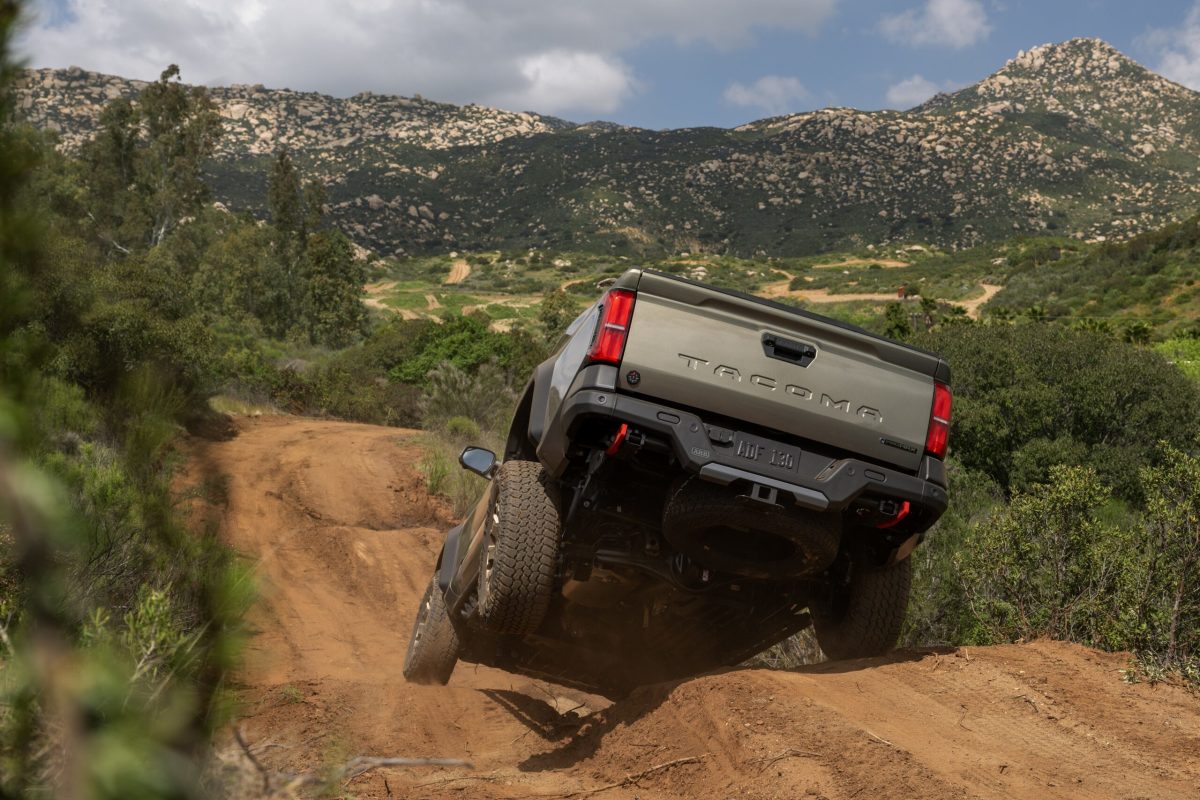
The body-on-frame construction pays dividends in this department. In gas-only form, the Tacoma can tow up to 6,500 pounds. Go for the hybrid, and you can tow between 5,950 and 6,000 lbs.
Regardless of which Ridgeline you go for, the maximum towing capacity is 5,000 lbs.
If you’re heading off-road, the Toyota is miles better. It has up to 11 inches of ground clearance, whereas the Honda can only manage 7.64 inches. The Toyota’s best approach/departure/breakover angles are 35.7/25.3/27.4 degrees, respectively, numbers that are applicable to the TRD Pro. The Honda’s figures are 20.4/19.6/19.6 degrees, so it’ll have a lot more difficulty climbing up and down steep inclines without the underside hitting the ground.
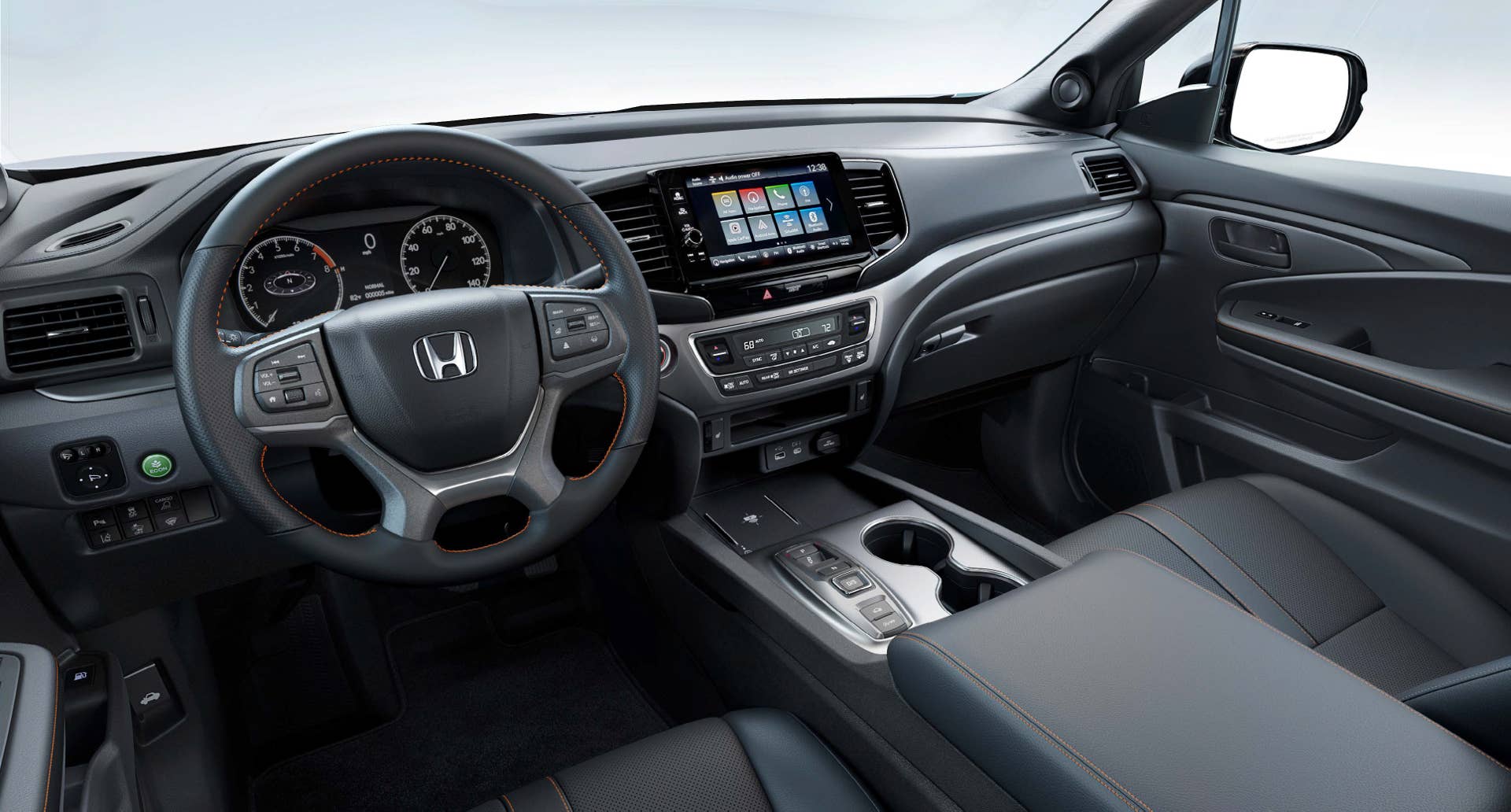
5. Ridgeline Has A Larger, More Comfortable Interior
View the 4 images of this gallery on the
original article
If you’ll mostly be using your truck to tow lighter rigs or transport some gardening equipment, the Honda Ridgeline is the better option. On normal roads, the Ridgeline’s quiet V6, refined interior, and stable ride quality are as good many crossovers. It also has more rear legroom and headroom than the Tacoma, so is better for adults in the back. On mildly challenging dirt trails, we found the Ridgeline TrailSport’s torque-vectoring AWD system to be effective, and the truck remains comfortable in these environments.
The latest Toyota Tacoma is vastly improved over its predecessor, both in terms of its ride and the execution of its interior. Upper trims are quite luxurious, too, but it fails to surpass the Ridgeline in on-road refinement.
Final Thoughts
View the 2 images of this gallery on the
original article
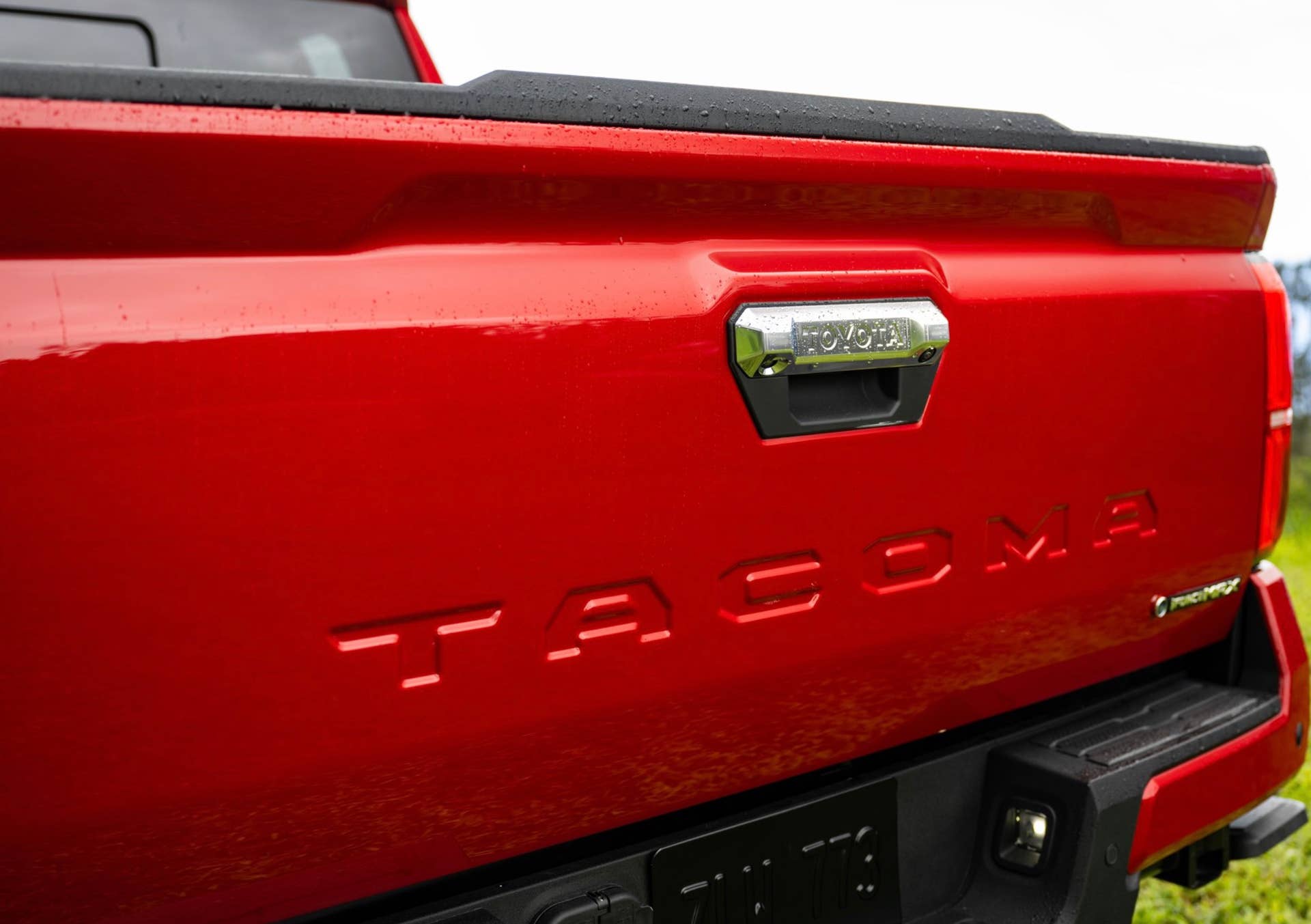
These are two very good pickup trucks, but they perform different roles. The Honda is more comfortable and a better performer for everyday commuting, and its V6 isn’t much less efficient than the Tacoma. The Toyota rules as a work truck or off-roader, while top trims get close to the Honda’s level of luxury.
There is a big gulf in price between the two. The base Ridgeline starts at $40,150, while the Tacoma begins at $31,590 for the SR XtraCab or $33,790 for the SR Double Cab. You’d need to buy a higher Tacoma trim to match the base Ridgeline’s equipment level, though.
If you need an off-roader or need to tow more, the Toyota wins, but the Honda remains an underrated everyday pickup, and it’s the one we’d choose if you need a more versatile alternative to a crossover.