

Two very different midsize trucks, one tough decision
The 2025 Honda Ridgeline and the 2025 GMC Canyon compete in the same midsize-truck segment, but they serve very different purposes. The Ridgeline leans into comfort, clever cargo thinking, and everyday usability. The Canyon, by contrast, puts capability, towing strength, and ruggedness front and center. Which one you should buy depends heavily on how you drive, where you haul, and what you actually use a truck for.
Engine, power, and towing: Spec-by-spec comparison
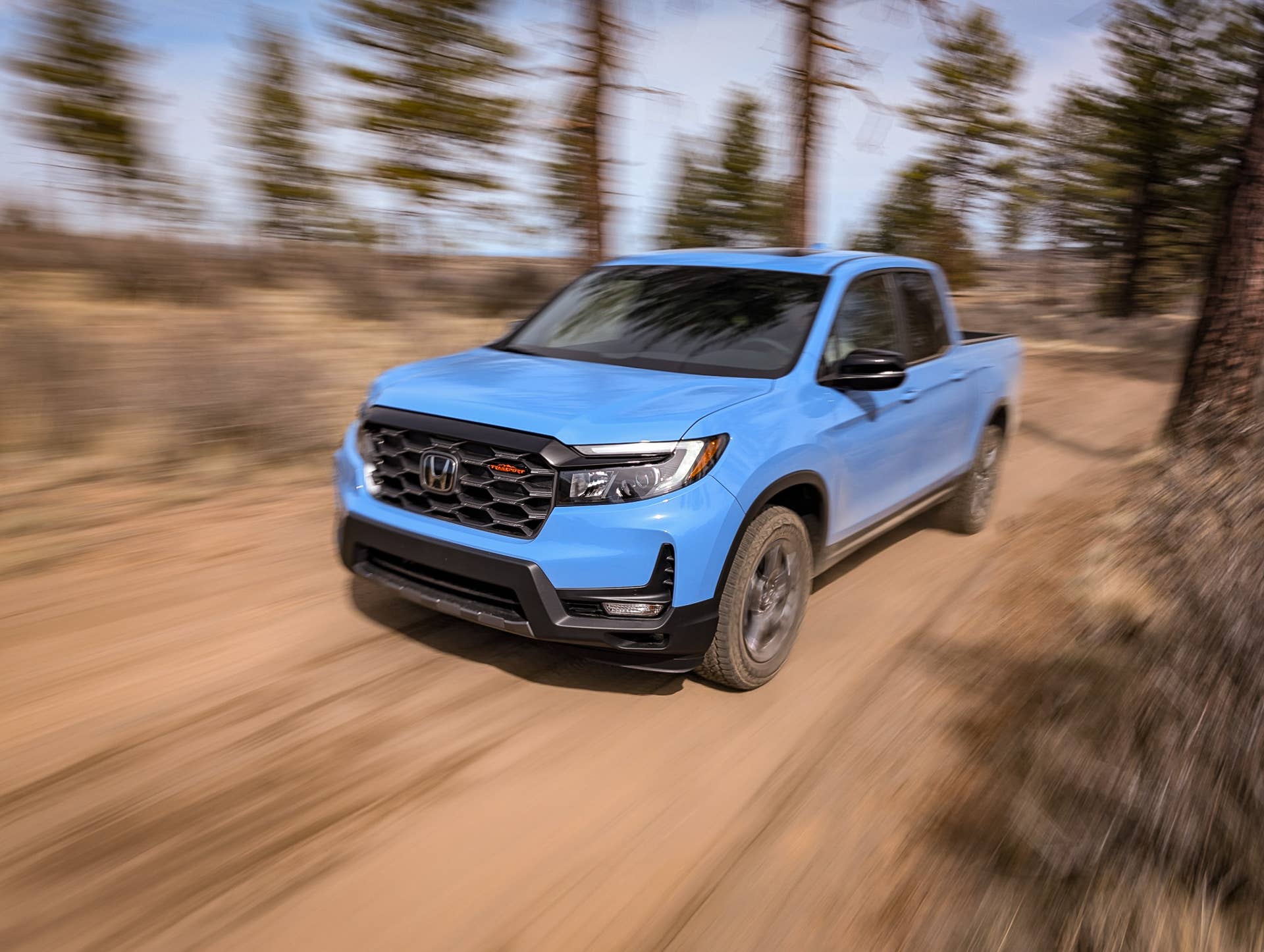
Under the hood, the 2025 Honda Ridgeline carries a 3.5-liter V6 engine that produces 280 hp at 6,000 rpm and 262 lb-ft of torque at 4,700 rpm. All Ridgeline trims use this same V6, and Honda pairs it with a nine-speed automatic transmission. In terms of towing, the Ridgeline is rated to pull up to 5,000 pounds across all trims. For payload, the Ridgeline’s maximum is about 1,583 pounds on the Sport trim, dropping slightly on more premium versions. That’s quite usable for many day-to-day hauling jobs, though perhaps limiting if you plan to stack on heavy gear often.
GMC
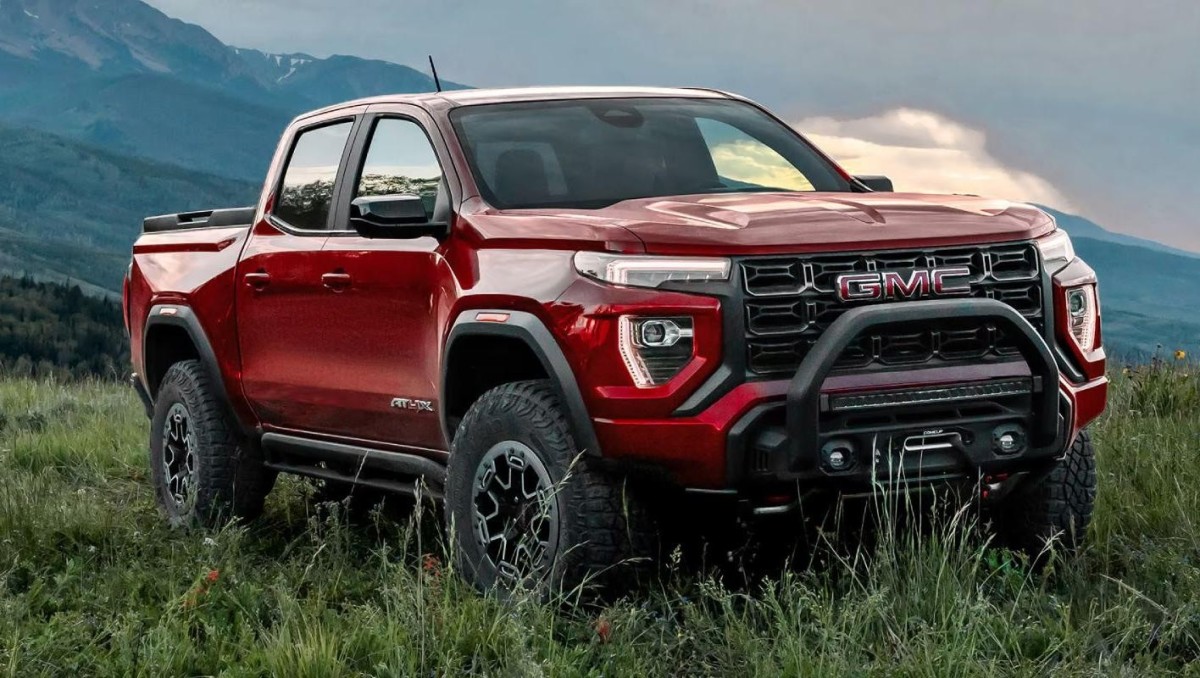
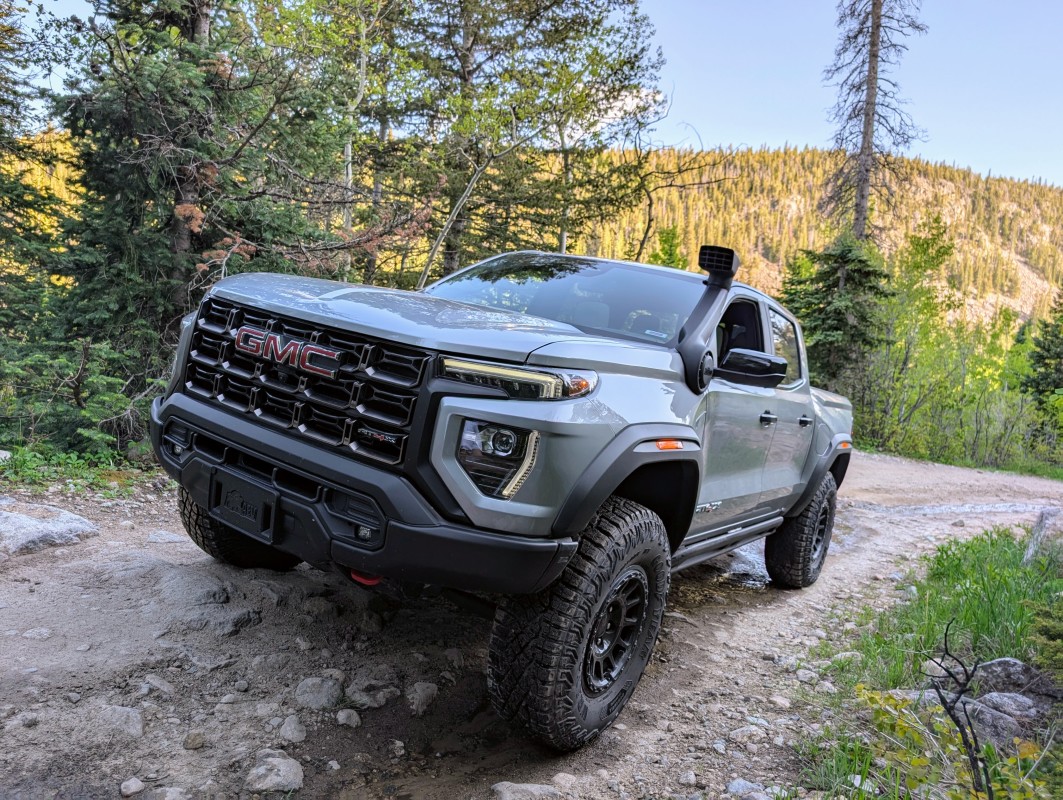
For the 2025 GMC Canyon, the base and most common engine is a 2.7-liter turbocharged four-cylinder, which delivers 310 hp and a whopping 430 lb-ft of torque. That power is paired with an eight-speed automatic transmission in many trims. The Canyon’s maximum towing capacity is 7,700 pounds, depending on configuration. Payload capacity on the Canyon varies based on trim, but the AT4 version, for example, is rated for 1,570 pounds.
Dimensions, cargo, and utility differences
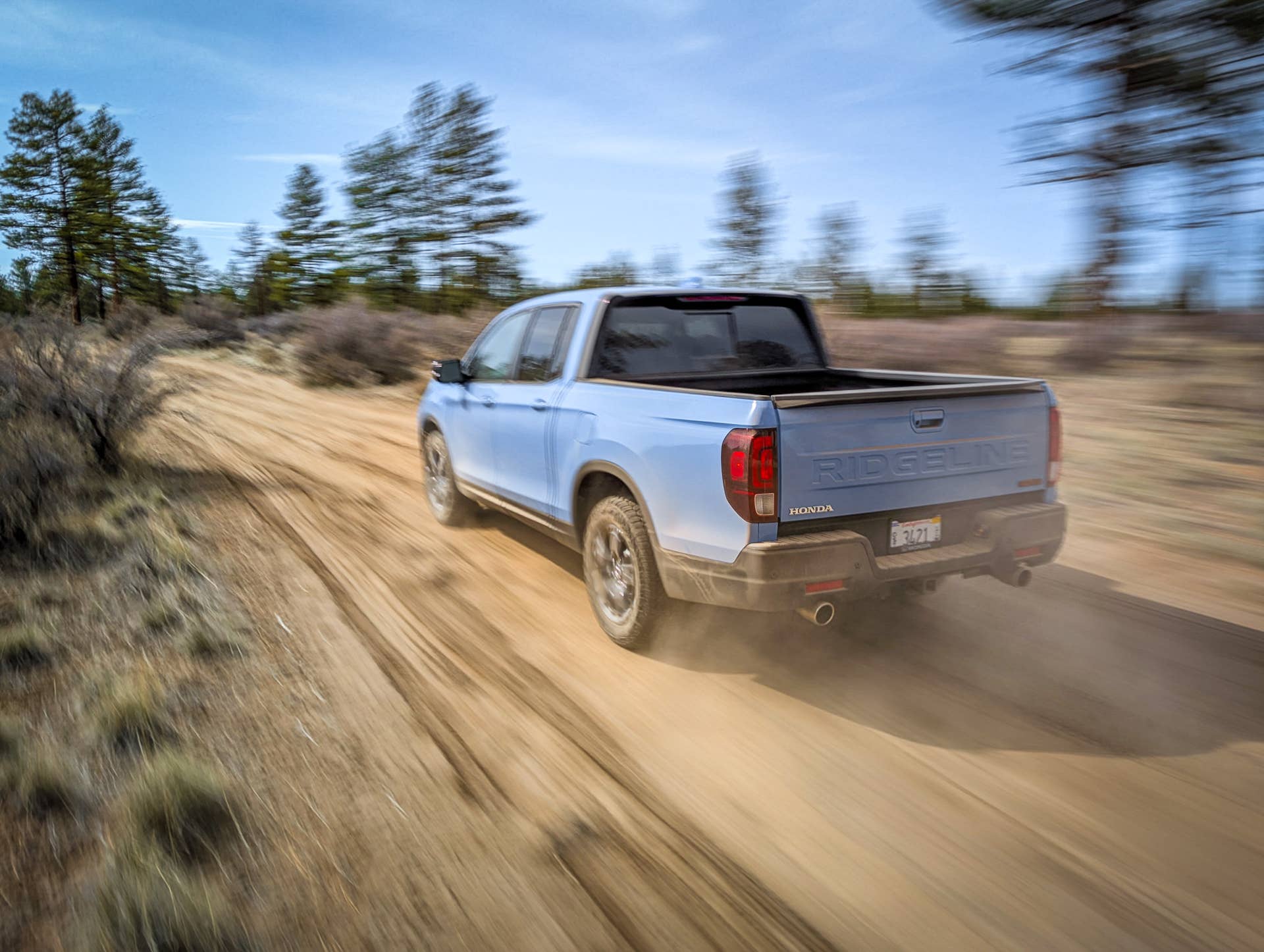
When it comes to cargo and truck-bed design, the Ridgeline stands out for its clever packaging. It has a lockable in-bed trunk with a volume of about 7.3 cubic feet, giving you secure, weather-protected storage underneath the bed floor. The standard bed cargo volume is 33.9 cubic feet. Meanwhile, its gross vehicle weight rating (GVWR) is 6,019 lbs, and curb weight ranges from about 4,420 to 4,504 lbs, depending on trim.
Kristen Brown
The Canyon doesn’t have a trick in-bed trunk, but its more traditional bed design allows for flexibility with racks, toolboxes, and other accessories. The Canyon’s bed length (on certain crew-cab short-box versions) is 61.7 inches. That layout, combined with its strong payload and towing numbers, makes it very flexible for work or hauling gear.
Fuel economy and efficiency
Fuel economy is a key consideration for daily driving, and here the choices reflect the trucks’ different missions. The Ridgeline earns EPA estimates of about 18 mpg in the city, 24 mpg on the highway, and 21 mpg combined. Its V6 is tuned for balance, with enough power when you need it and good efficiency when you don’t.
GMC
For the Canyon, fuel economy depends heavily on drivetrain and trim. For example, the 2.7L turbo with 4WD is estimated at 19 mpg combined. Since its engine is turbocharged and built for torque, the Canyon can deliver serious towing performance, but under light loads or city driving, that power will come with a fuel cost.
Safety, drivetrain, and off-road versatility
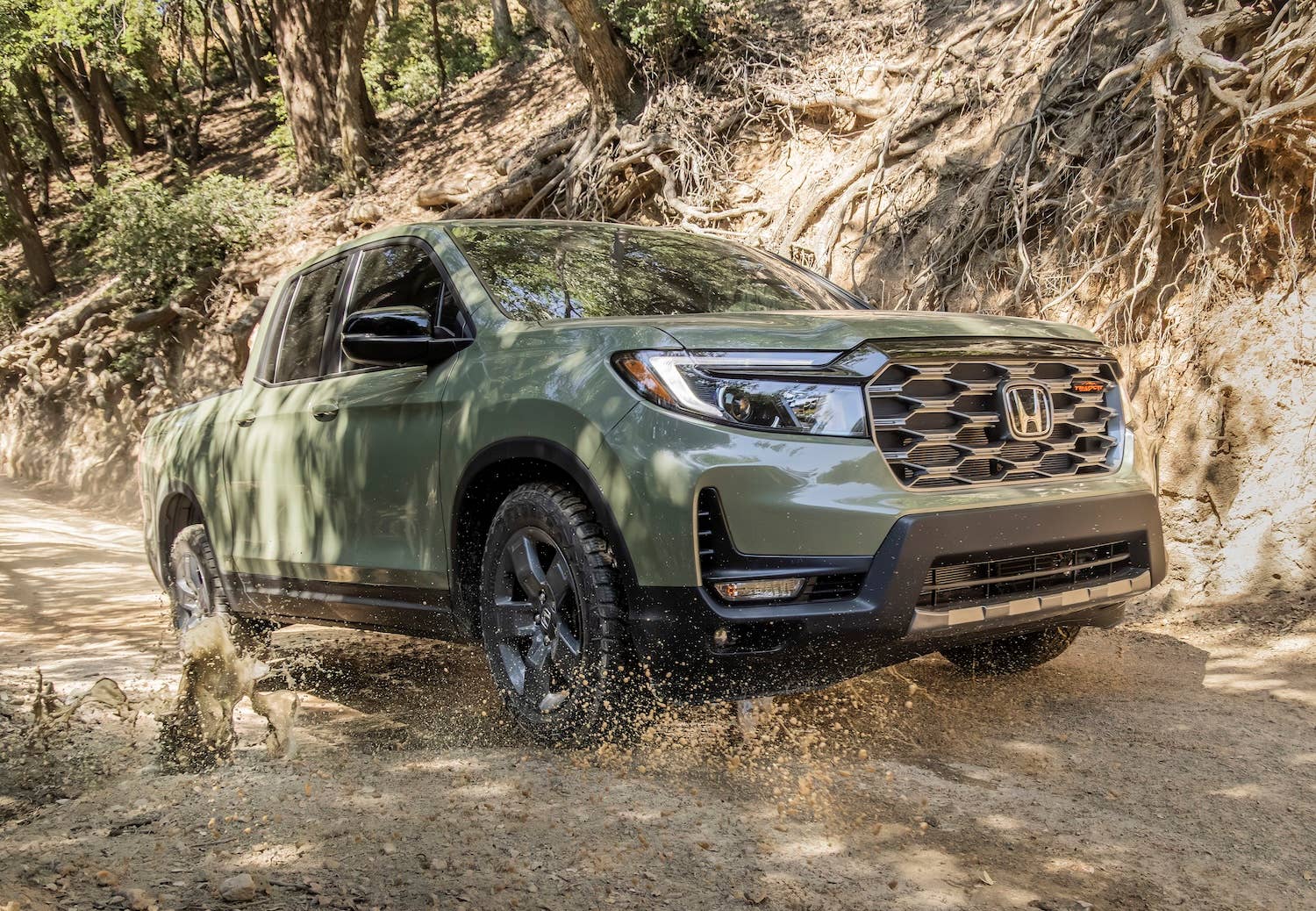
The Ridgeline comes standard with Honda’s all-wheel-drive system, which gives it a more composed on-road feel and reliable grip in various conditions. It also includes Honda’s suite of driver-assist features, known as Honda Sensing, which helps with adaptive cruise, lane-keeping, and more.
Honda
GMC, meanwhile, offers the Canyon in 4WD in several trims (especially for off-road–focused versions like the AT4) and provides more serious trail-capable hardware in certain editions. For example, the Canyon AT4X (a more hardcore trim) packs locking differentials, upgraded suspension, and rugged underbody protection. That makes it a more compelling option for buyers who plan to take their truck off pavement or need full truck-style capability.
Ownership experience, comfort, and practicality
One of the Ridgeline’s strong suits is ride comfort. Thanks to its unibody-like chassis and SUV-derived architecture, it rides smoother than many body-on-frame trucks. The interior provides an experience more akin to driving an SUV than a pickup, and the in-bed trunk offers a unique, secure storage option.
2025 Honda Ridgeline Honda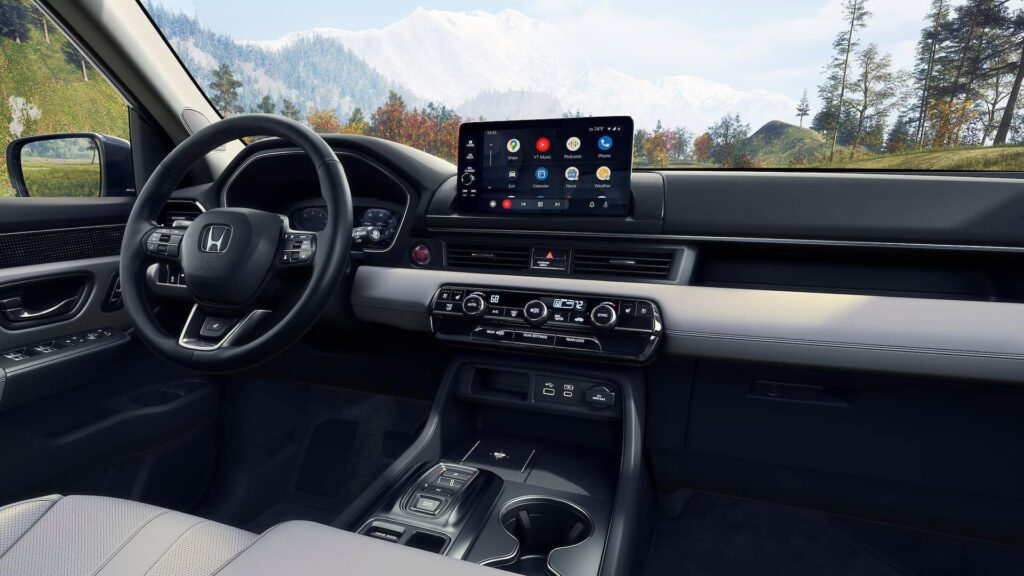
View the 2 images of this gallery on the
original article
On the other hand, the Canyon gives you more traditional truck character. Drivers report that it feels more planted when towing, and its bed layout is highly practical. Real-world owners confirm that its turbo four-cylinder has plenty of torque; for instance, one Reddit user wrote that their Canyon towed a 17-foot camper (around 6,000 lb combined) with “more than enough power.”
Ownership costs and resale considerations
According to Kelley Blue Book’s five-year cost-of-ownership figures, the Ridgeline is reasonably competitive among midsize trucks, thanks in part to Honda’s reliability and strong resale value. The fuel economy, combined with AWD availability, makes it an attractive choice for long-term use.
Kyle Edward
The Canyon’s total cost of ownership can be higher in some trims—particularly the off-road ones—because of 4WD, lower fuel efficiency, and potentially higher maintenance if used hard. But for buyers who leverage its towing and payload capability, those costs may be justified by what you gain in haul capacity. Plus, trucks like the AT4 or AT4X can retain value well when marketed to the right buyer.
Which truck should you buy?
If comfort, daily usability, and clever cargo solutions matter more to you than maximum towing, the 2025 Honda Ridgeline is a standout. Its smooth ride, versatile in-bed storage, and balanced engine make it ideal for someone who needs a pickup for weekend projects, family duty, or moderate towing — without giving up usability.
Kristen Brown
If raw capability is non-negotiable — towing heavy gear, exploring off-road trails, or maximizing payload — the 2025 GMC Canyon is likely the smarter buy. Its high-torque turbo engine, strong towing rating, and more traditional bed design give it clear advantages for truck-focused duties. Lastly, if you’re considering a trim like the Canyon AT4X, you’re entering a different mindset: one that values ruggedness and off-road readiness just as much as work utility.
Final thoughts
At the end of the day, the better buy depends heavily on how you intend to use the truck. For everyday driving with occasional hauling, the Ridgeline’s design and performance make it a smart, efficient choice. For more demanding hauling or off-road tasks, the Canyon’s capability gives you flexibility and strength.
When evaluating, make sure to test drive both models in real-world conditions — load them (or tow) as you plan to in your life. Also, run the numbers: total cost of ownership, fuel estimates, insurance, and resale. With those in hand, you’ll be much better equipped to decide which midsize pickup is truly the better buy for you.