

Two of America’s best-selling compact SUVs are sitting on dealer lots right now with very different stories to tell. The Honda CR-V is comfortable, familiar, and surprisingly affordable to lease this month. The Toyota RAV4 just went through a full redesign, dropped its gas-only engine entirely, and arrived with manufacturer deals that range from genuinely smart to eye-watering depending on which powertrain you pick. If you’re shopping in March, here’s what you actually need to know before you sign anything.
The RAV4 situation: All-Hybrid, All the time
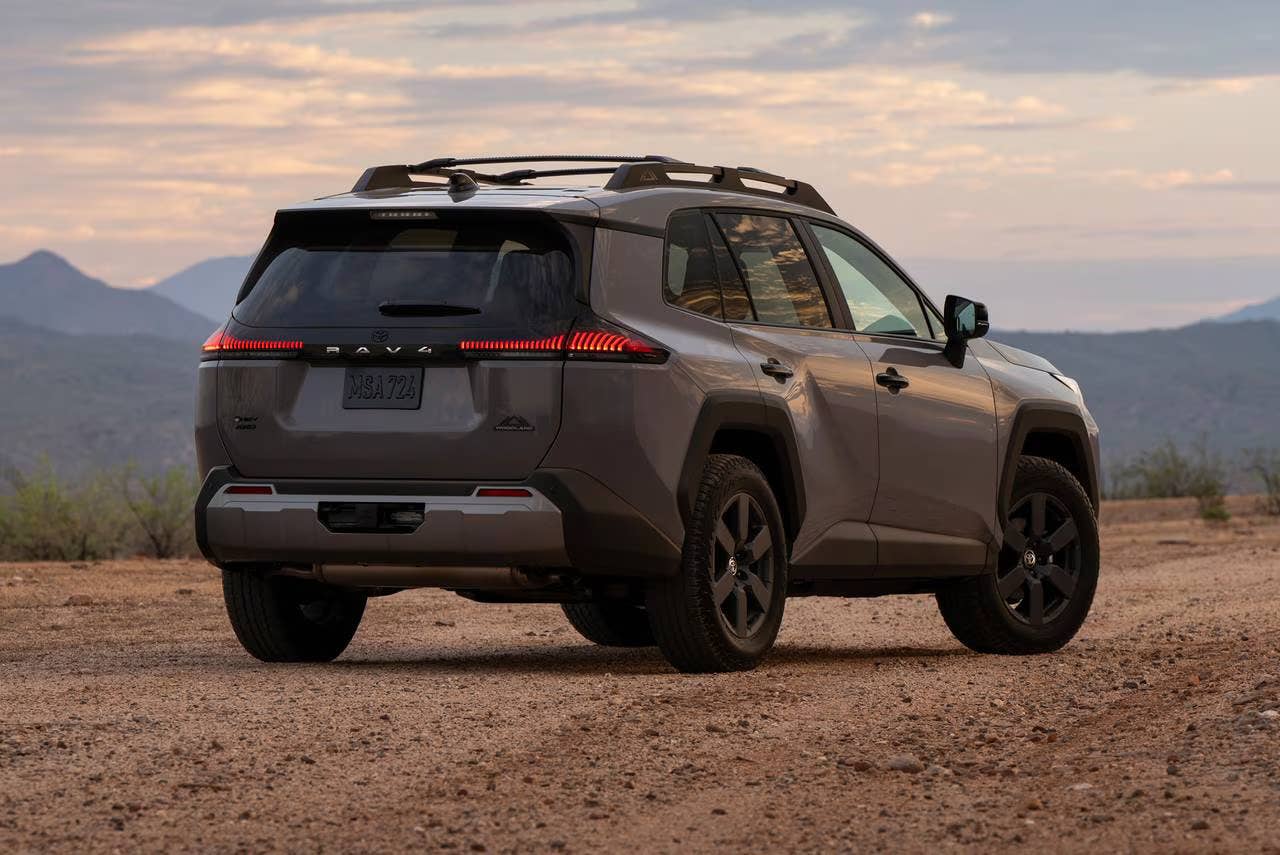
The big news for 2026 is that Toyota killed the gas-only RAV4. Every new RAV4 you’ll find on a lot from here on is a hybrid, which means better fuel economy by default, but also a higher base price. The 2026 RAV4 starts at $33,350 MSRP, though the average transaction price has crept up to $33,785, per TrueCar. For a redesigned SUV with a lot of buzz around it, that’s not far off what the outgoing model cost, and Toyota has been leaning into that.
Toyota’s advertised lease on the RAV4 Hybrid LE in the Southeast runs $309 per month for 39 months with $4,308 due at signing, based on 12,000 miles a year. In the Midwest, the deal shifts to $349 per month for 36 months with $3,109 due at signing. Neither one is outrageously expensive, but the structure matters here: you’re putting between $3,100 and $4,300 down, which reduces your monthly number but also means money you never see again if the car gets totaled on the way home.
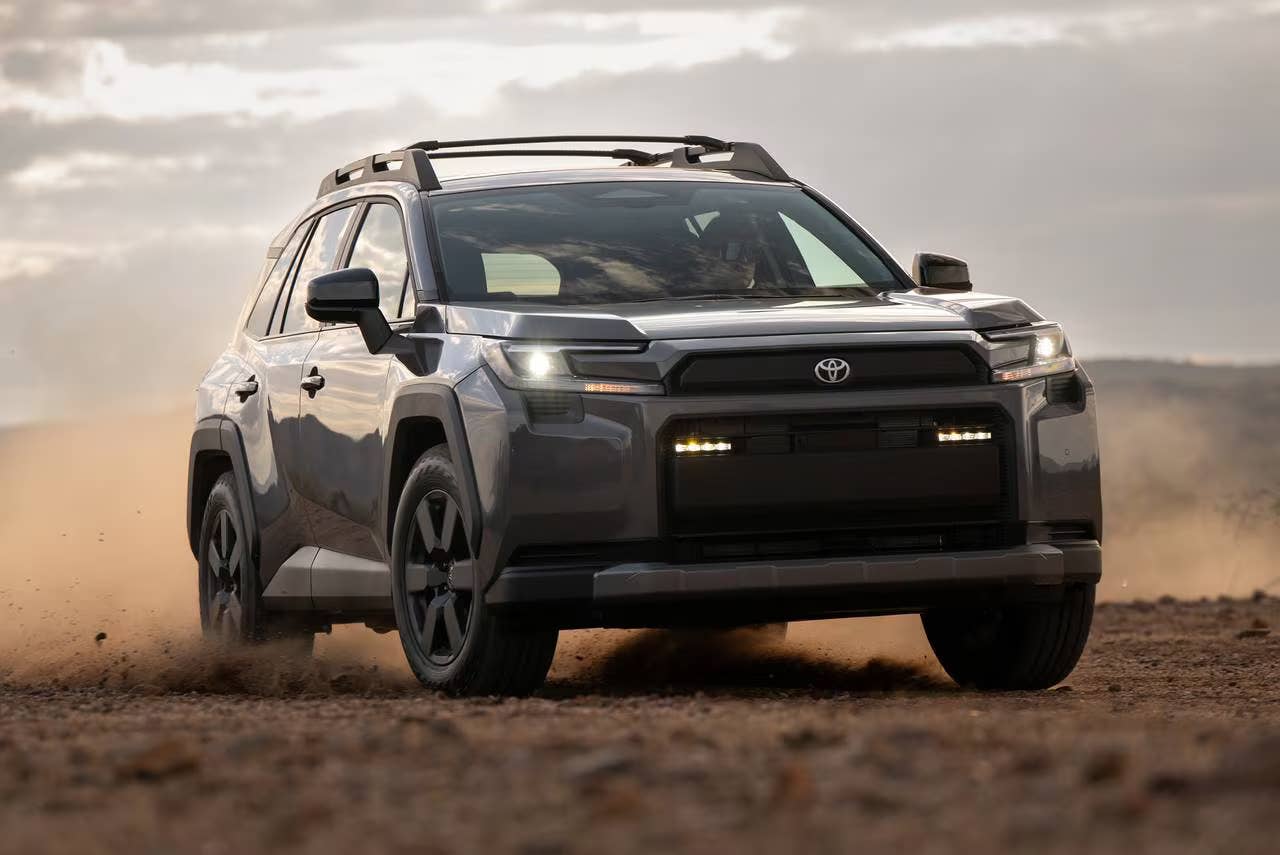
What makes the RAV4 lease unusually compelling is something that doesn’t make headlines: a 69% residual value on the hybrid trim. That’s extraordinary for this segment. For context, the outgoing gas RAV4 carried a 55% residual, and the old hybrid sat at 57%. Higher residuals mean the bank assumes the car will be worth more at the end of the lease, which translates to lower depreciation baked into your monthly payment. Toyota essentially has confidence, justified or not, that the redesigned RAV4 will hold its value well.
The TrueCar average for a 36-month lease with $2,000 down comes in at $423 per month. That’s a reasonable ballpark if you’re not in a promotional region or can’t hit the specific trim requirements. If you want to finance instead, Toyota is offering 4.99% APR for 60 months, available through March 31.
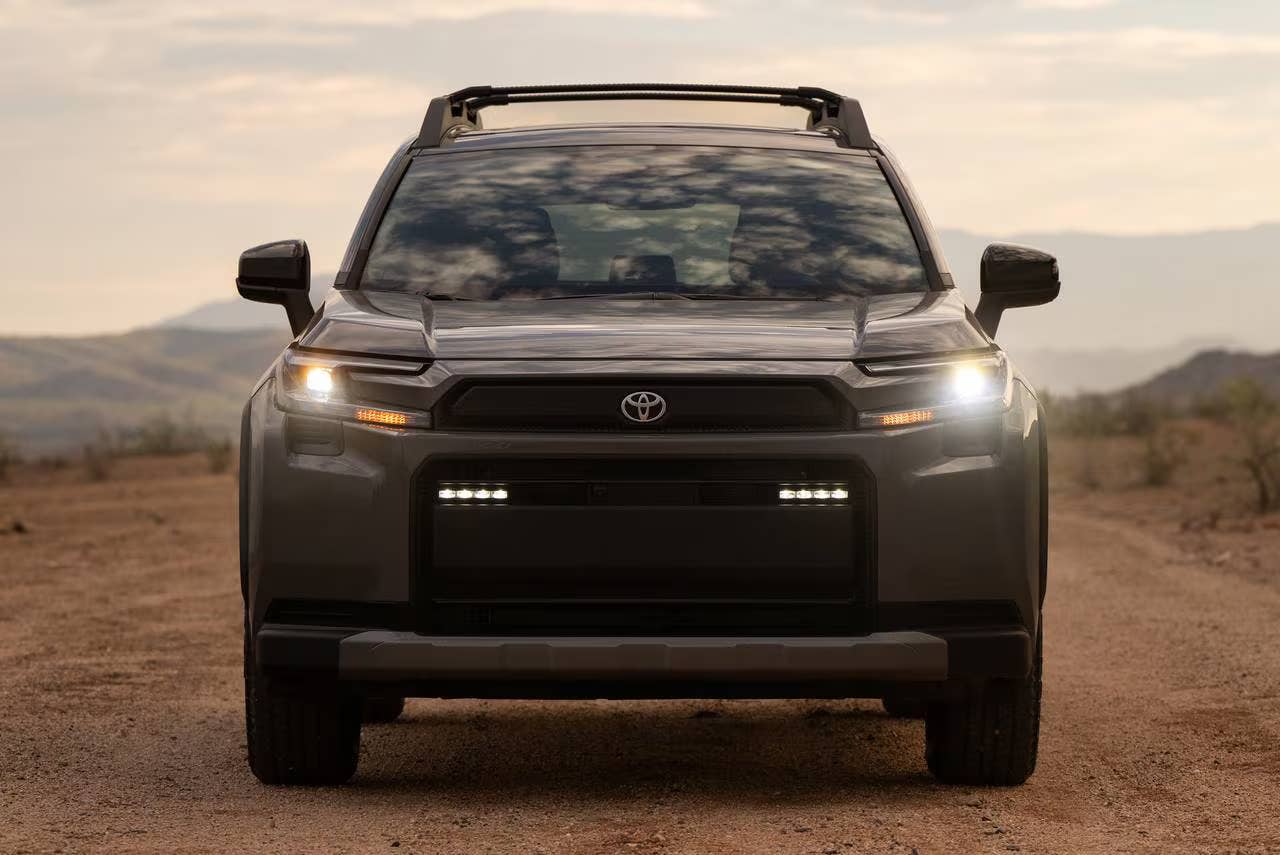
One number worth burning into your memory: the RAV4 Plug-In Hybrid (PHEV) is a different beast entirely. The entry-level SE PHEV lists at $42,950 and carries an effective lease cost north of $706 per month before taxes. That’s 72% more expensive than the cheapest hybrid lease. Unless you have a specific reason to chase EV range, the standard hybrid is the financially rational choice here.
The CR-V: The reliable Go-To, Now with genuinely good deals
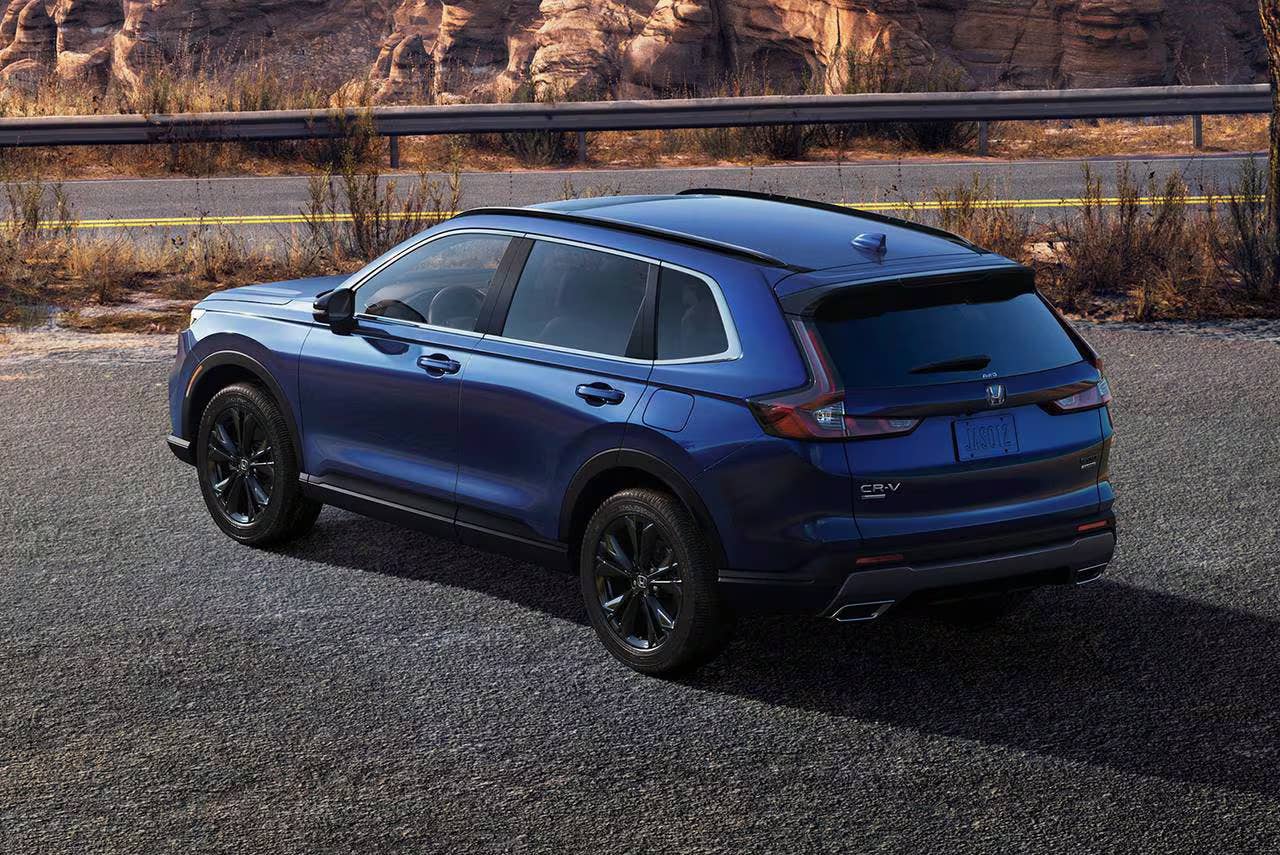
The 2026 Honda CR-V hasn’t been redesigned. It’s been incrementally updated, now with feature enhancements on lower trims and a new Trailsport variant. Its base LX starts at $30,920, about $2,400 less than the RAV4 at base. The CR-V Hybrid Sport Touring tops out at $42,550, which shows the range Honda is trying to cover.
The gas CR-V runs a 1.5-liter turbocharged four-cylinder making 190 horsepower and 179 lb-ft of torque, with EPA-rated fuel economy of 28/33 city/highway mpg in FWD trim and 27/31 with AWD. That’s respectable, not remarkable.
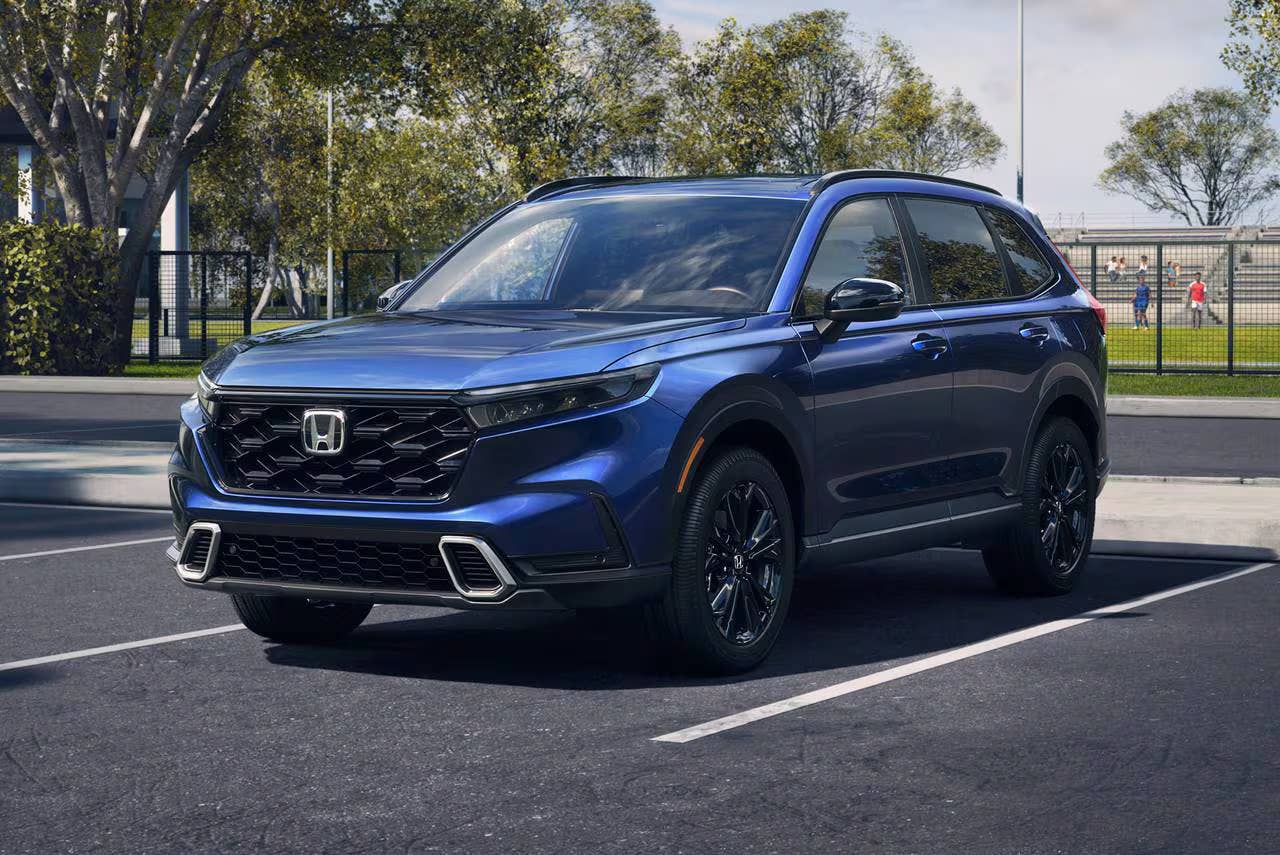
The lease deals this month are where the CR-V earns some attention. Honda is offering the LX at $309 per month for 36 months with $4,199 due at signing, no loyalty required. If you currently own a 2011 or newer vehicle from Honda, Toyota, Ford, Chevrolet, Hyundai, Kia, Nissan, Subaru, Volkswagen, or a handful of others, that drops to $279 per month with the same signing amount. The Sport Hybrid comes in at $329 per month standard, or $289 for loyal owners. AWD versions carry the same monthly rate, with signing bumped to $4,899 instead.
KBB lists one of the more aggressive deals for the CR-V 2WD LX at $269 per month for 36 months with $4,199 due at signing, which pencils out to an effective monthly cost under $390 when you spread that signing payment across the lease. That’s hard to argue with.
The financing picture is also significantly better than Toyota’s. Honda is offering 2.99% APR for 24 to 36 months and 3.99% APR for 37 to 60 months on the 2026 CR-V. The RAV4’s best rate is 4.99% for 60 months. If you’re buying rather than leasing and plan to hold the car for five years, that interest rate gap compounds into real money.

Honda’s offers run through April 30, a full month longer than Toyota’s March 31 deadline.
Comparing the actual cost to lease
The cleanest way to look at this: on a straight 36-month lease with manufacturer deals, the CR-V LX starts at around $309 per month with roughly $4,200 at signing, while the RAV4 Hybrid LE starts around $349 per month with $3,100 at signing. If you’re loyal to almost any major brand, the CR-V drops to $279.
Spread both signing amounts across the lease term, and the effective monthly cost gap narrows but the CR-V generally stays cheaper, particularly with the loyalty discount. The RAV4 does carry that superior 69% residual value, which matters at lease-end if you’re considering a buyout, and the hybrid drivetrain should deliver better fuel economy in day-to-day driving.
Verdict
If you want the lowest monthly number this March and you qualify for Honda’s loyalty deal, the 2026 CR-V is the better financial decision right now. Not dramatically, but consistently. If you specifically want the redesigned RAV4, the hybrid lease is solid and the residual value argument is real. Just keep your eyes on your regional offer, check whether there’s a dealer markup on a high-demand new model, and avoid the PHEV lease unless you enjoy doing math that makes you feel worse.
Both deals expire soon. The CR-V’s numbers don’t require you to rush. The RAV4’s do.
Lease pricing based on manufacturer offers and data from TrueCar, KBB, CarsDirect, and Autoblog as of March 2026. Offers vary by region, trim, and credit tier. All figures exclude taxes and registration fees.