

Key Points
- Models like the Miata, Supra, and GR86 have the highest manual take rates. Enthusiasts still choose stick shifts when driving engagement is the priority.
- Luxury and mid-tier performance cars show mixed adoption of manual transmissions, depending on whether buyers prioritize engagement or daily convenience.
- Budget cars have minimal manual interest. Overall, manuals account for less than 1% of sales but remain popular in enthusiast niches.
Although reality set in years ago, it’s still hard for us to imagine a world without manual transmissions. Carmakers like Mazda, Toyota, and Porsche keep hope alive. In an era dominated by CVTs and EVs, the manual transmission has become an endangered species.
Mazda
For those who still cherish the engagement of a clutch pedal and gear lever, recent data reveals something pretty interesting. While manual transmissions account for only a fraction of new-car sales, certain models show surprisingly high take rates that keep the three-pedal dream alive. No, it doesn’t mean manuals will someday permeate the industry, but it shows the automotive world that they’re still relevant.
The state of the manual market
Mazda
There’s no question that manuals are on the wane overall. Their sales are a mere blip on the radar. Overall, manual-transmission sales now account for less than 1% of new-car sales in America, with fewer than 30 manual-transmission models remaining available for the 2025 model year. This represents a dramatic decline from decades past, when stick-shift vehicles were everywhere. Porsche even made a manual transmission Cayenne GTS.
The trend isn’t entirely downward, either. From 2021 to 2023, manual-transmission take rates nearly doubled, rising from 0.9 percent in 2021 to 1.7 percent in 2023. While these numbers are pretty modest overall, they represent a significant reversal of fortune for a transmission type many had declared effectively dead as a doornail.
Performance cars lead the charge
Mazda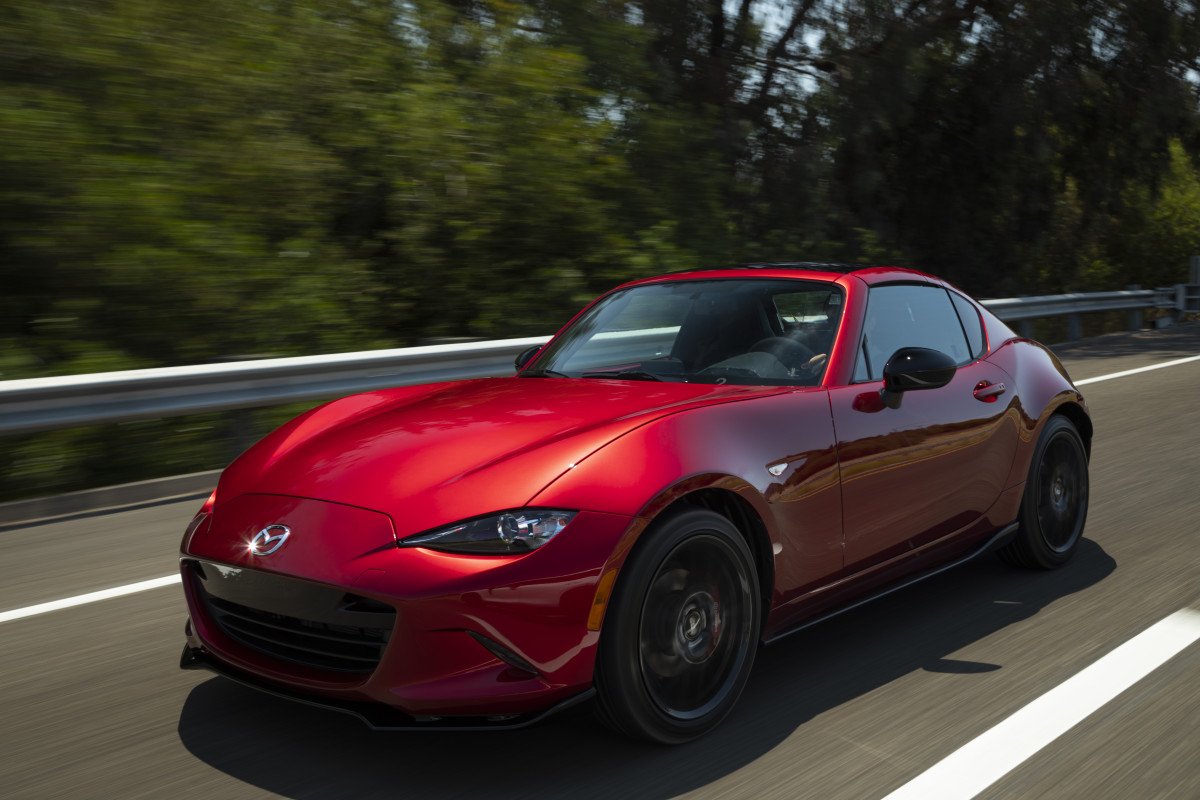
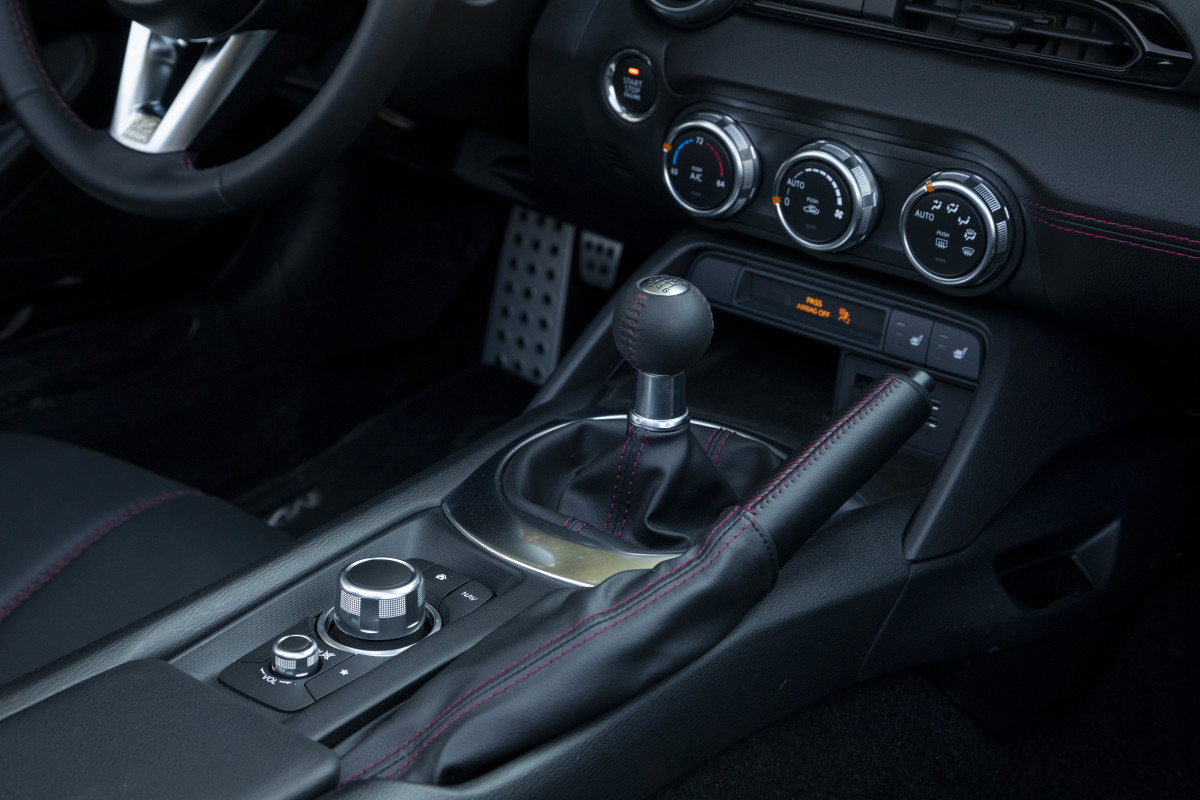
Is it any surprise that those who love sports cars love the control a manual transmission provides? No flappy-paddle car can match the stick’s level of engagement. Along those lines, the Mazda MX-5 Miata stands as the undisputed champion of manual transmission loyalty. The iconic roadster achieved a 70 percent manual take rate in 2024, representing a 10 percent increase from the previous year. This remarkable figure reflects both the car’s enthusiast-focused buyer base and Mazda’s decision to limit automatic transmissions to only the fully loaded Grand Touring trim, effectively making the manual the default choice for budget-conscious buyers seeking the purest driving experience.
Toyota
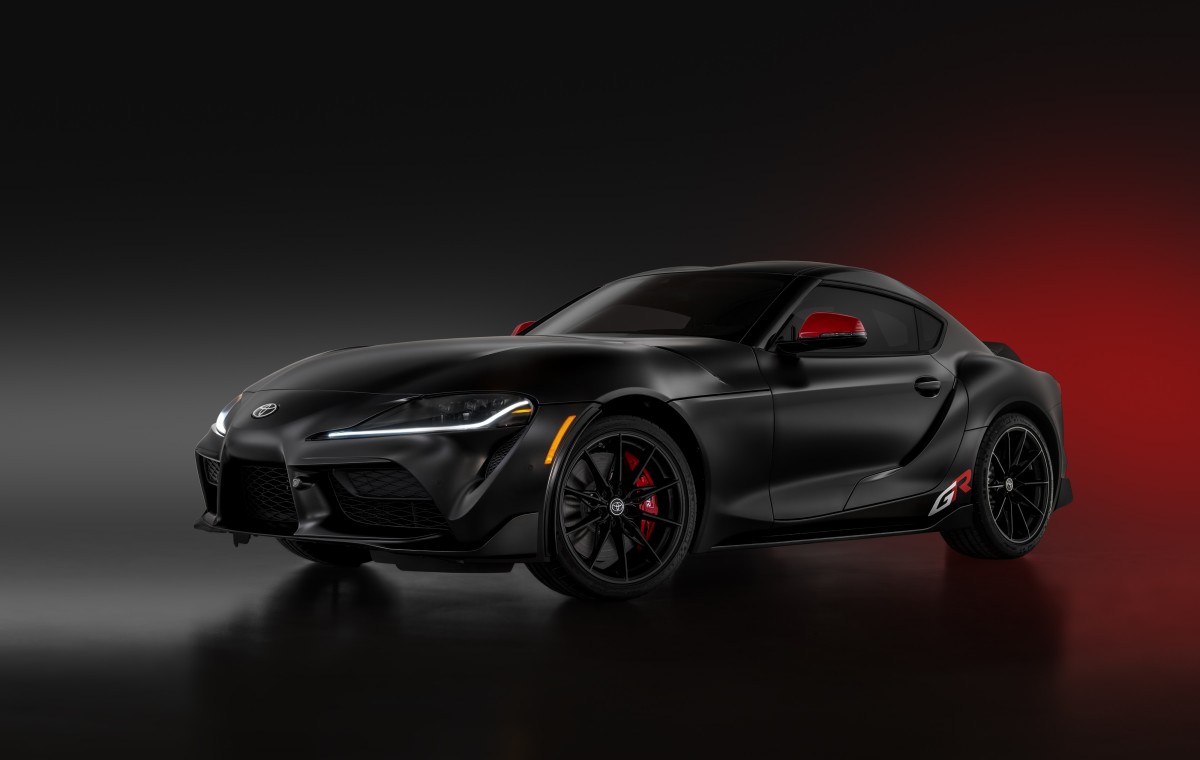
Toyota GR Supra demonstrates equally impressive numbers. When the current 5th-generation car debuted, you couldn’t even buy it with a manual, but Toyota listened to Supra loyalists by putting one in the 3.0-liter turbocharged inline-six model in 2023. The sports car achieved a 65 percent manual take rate in 2024, representing a 22 percent increase over 2023. The strong demand vindicated enthusiasts who all but demanded a stick-shift variant to exploit the car’s excellent power (382 horsepower), balance, and driving dynamics.
Toyota
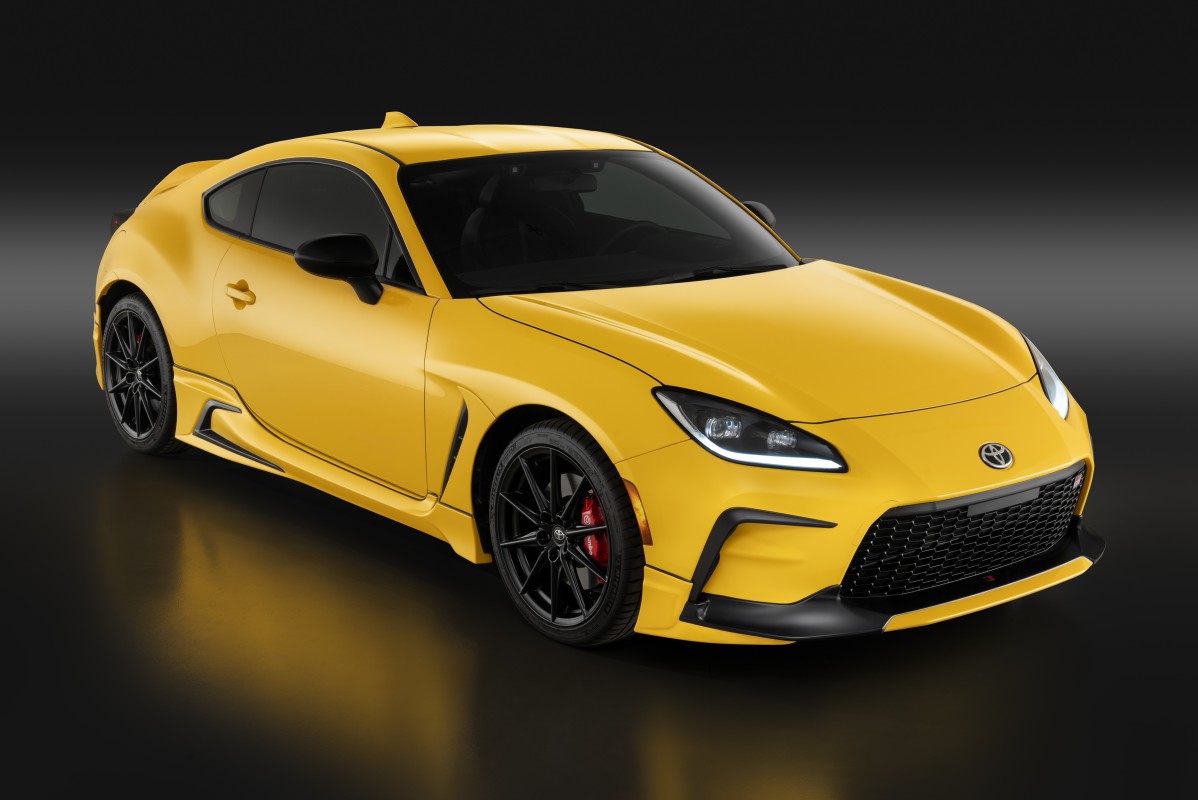
One of the most engaging manual tranny sports cars to drive isn’t huge on power (228 horses), but it is light, naturally aspirated, and rear-wheel drive, the triumvirate of thrills. The Toyota GR86 splits its sales almost evenly between transmission types. The affordable sports coupe recorded a 53 percent manual take rate in 2024, up six percent from the previous year. This near-perfect balance demonstrates that when a manufacturer offers a genuinely engaging manual transmission in an affordable, driver-focused package, consumers will choose it in substantial numbers.
Cadillac
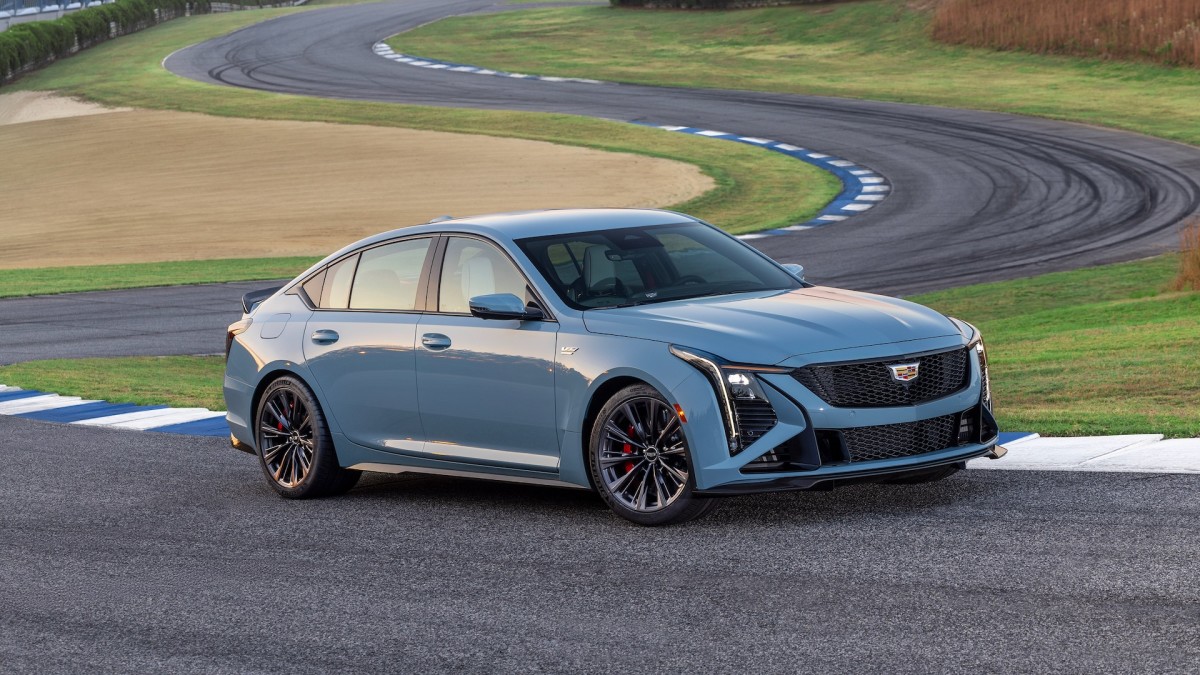
Powerful and posh Cadillac Blackwing models showcase manual loyalty in the luxury performance segment. Both the CT4-V Blackwing and CT5-V Blackwing maintain a 50 percent manual take rate, unchanged from previous years. These super-sedans represent GM’s most extreme performance offerings, and the fact that half of buyers willingly choose the manual transmission speaks to the demographic’s priorities: engagement over ultimate lap times. But make no mistake, these four-door GM bad boys were made for enthusiasts, not stodgy luxury sedan buyers.
Volkswagen
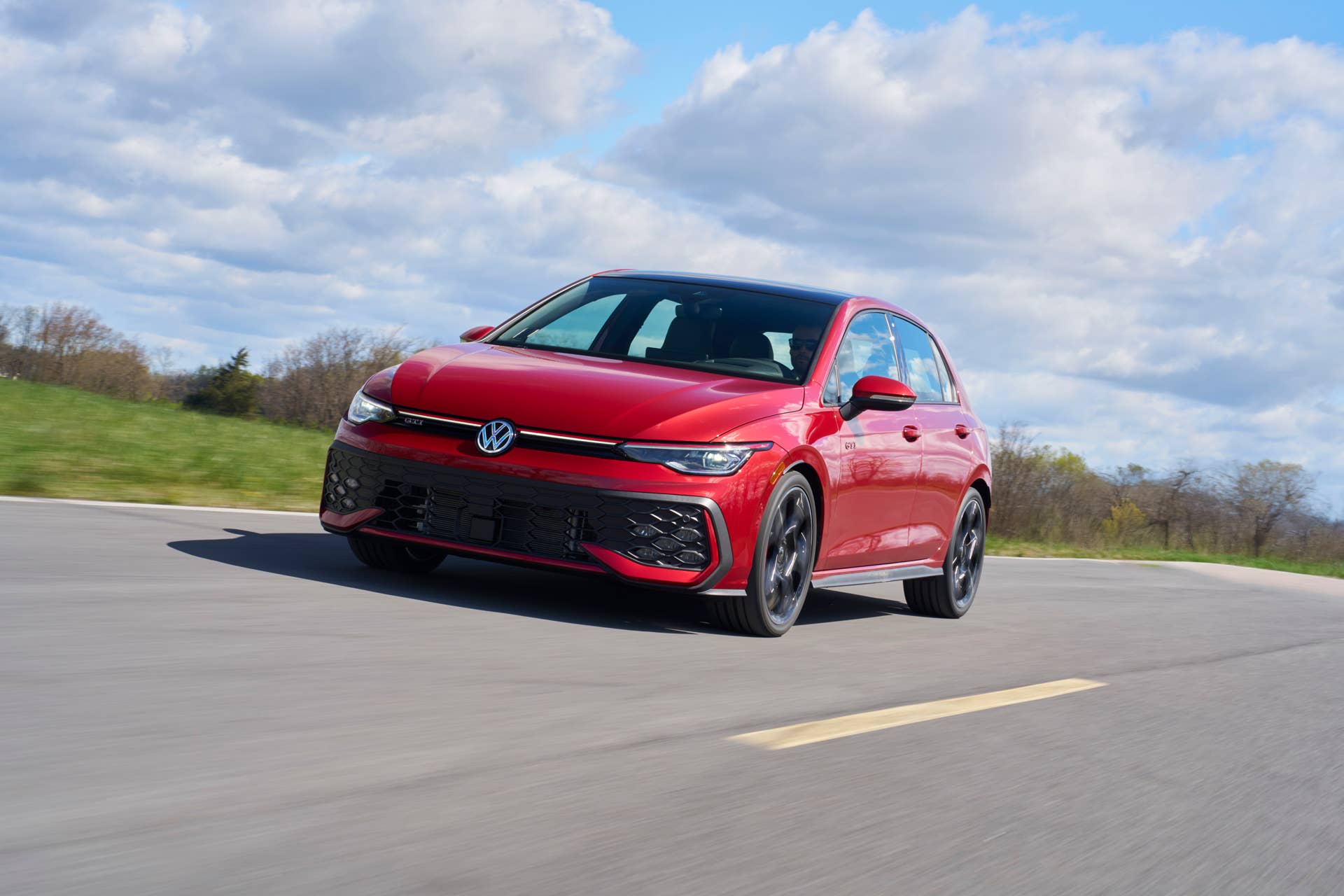
These iconic German hot hatches deserve their places in the pantheon of fun performance cars. The Volkswagen Golf R and GTI demonstrated strong manual enthusiasm before the discontinuation of their manual option for 2025. It made us, and enthusiasts everywhere, cry. The Golf R achieved a 52 percent manual take rate while the GTI reached 41 percent in 2024. Volkswagen discontinued manual transmissions on both models not due to weak American demand, but because of stricter European emissions regs, and other global markets showed insufficient interest to justify continued development. We’re guessing VW would’ve held on if the numbers crunched in the manual’s favor.
Mid-level performance shows mixed results
Honda
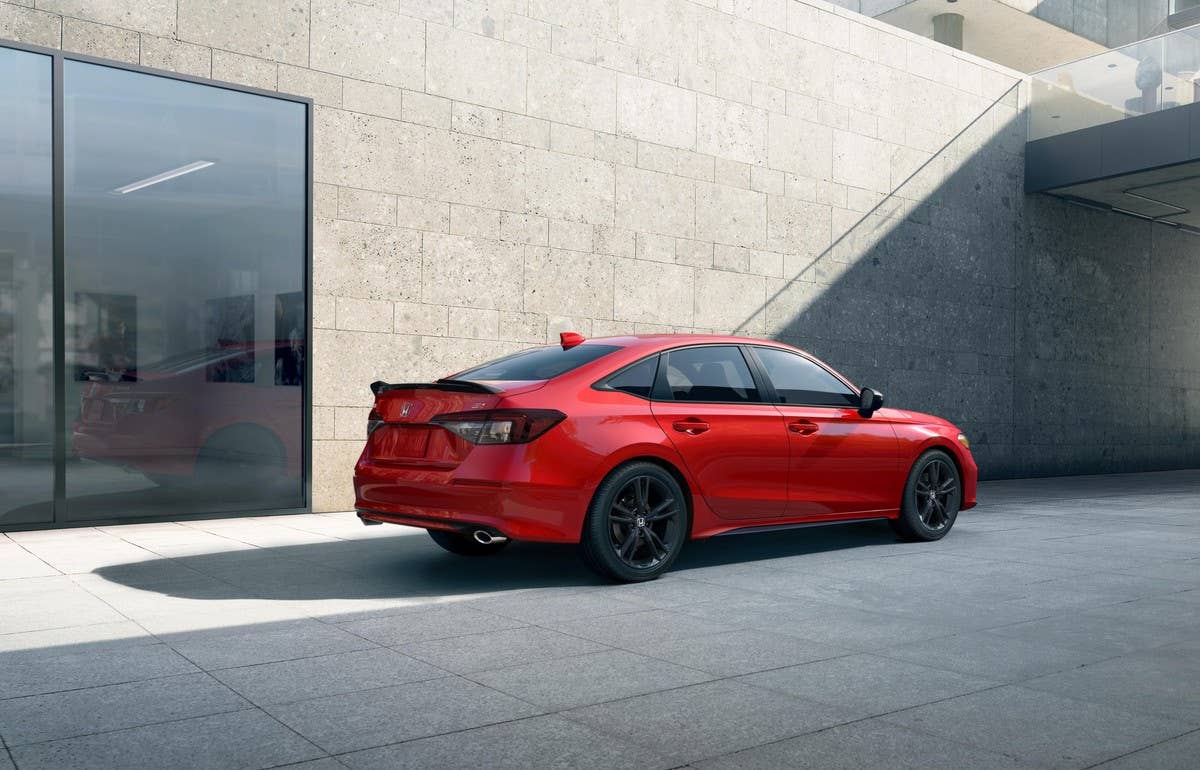
Beyond halo performance cars, manual transmission take rates vary as you move toward mid-level performance vehicles. The 200-horsepower Honda Civic Si, for example, maintains respectable manual interest. Across all Civic variants offering manuals, Honda achieved a 7.2 percent take rate in 2024. While this figure may seem modest, it translates to a significant volume, given that Honda sold over 240,000 Civics in total, making it one of the most popular manual-transmission cars by absolute numbers. The 2025 model year reduced manual availability to only the Si and Type R (the Type R is manual only) variants, potentially impacting future take rates.
BMW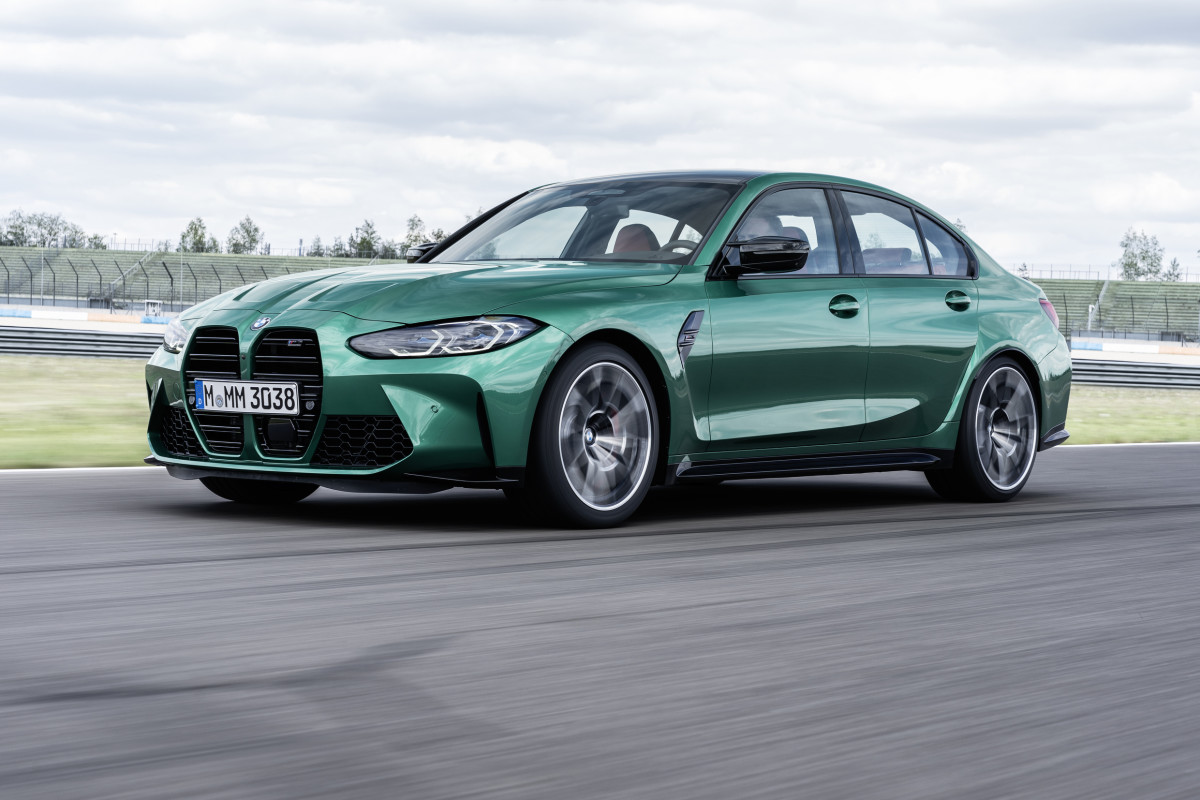
BMW M Models show divergent patterns based on model hierarchy. The little but raucous M2 achieves a 50 percent manual take rate, while the M3 and M4 come in at 20 percent. That’s a pretty big divide, but it also points to the differing customer bases. The M2 appeals to younger buyers. The discrepancy likely reflects the M2’s positioning as the more visceral, driver-focused option, while M3/M4 buyers increasingly prioritize the performance advantages of the automatic transmission for daily driving and track use.
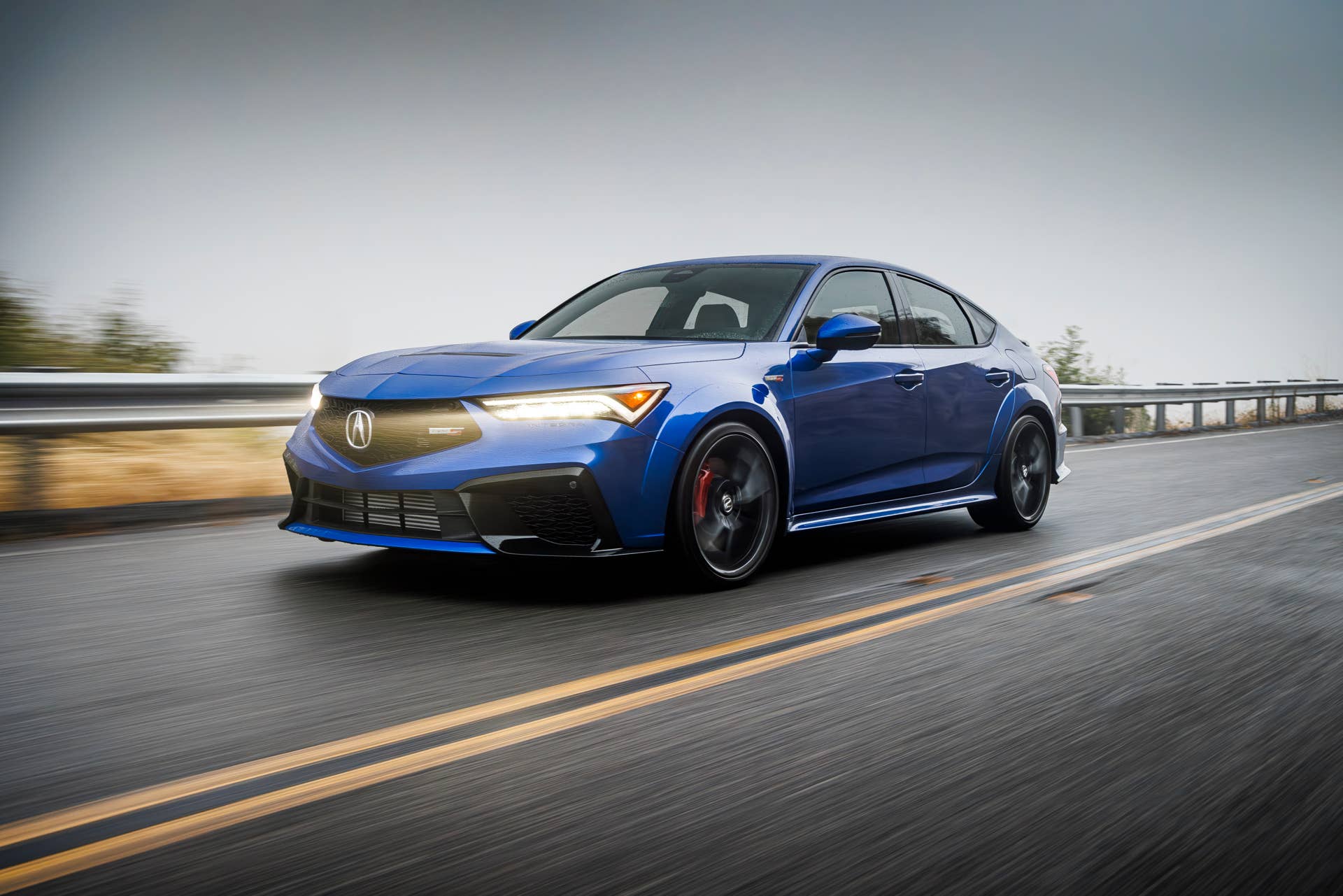
Acura
Acura brought back the Integra at the right time. It’s been a huge hit for the brand. Acura Integra demonstrates a solid but declining manual interest in the premium compact segment. The Integra recorded a 19.8 percent manual take rate in 2024, down from 22 percent the previous year. This still represents nearly 5,000 units annually, a meaningful number for a luxury brand’s enthusiast offering. The manual comes standard on the Type S performance variant and is optional on the A-Spec Technology package.
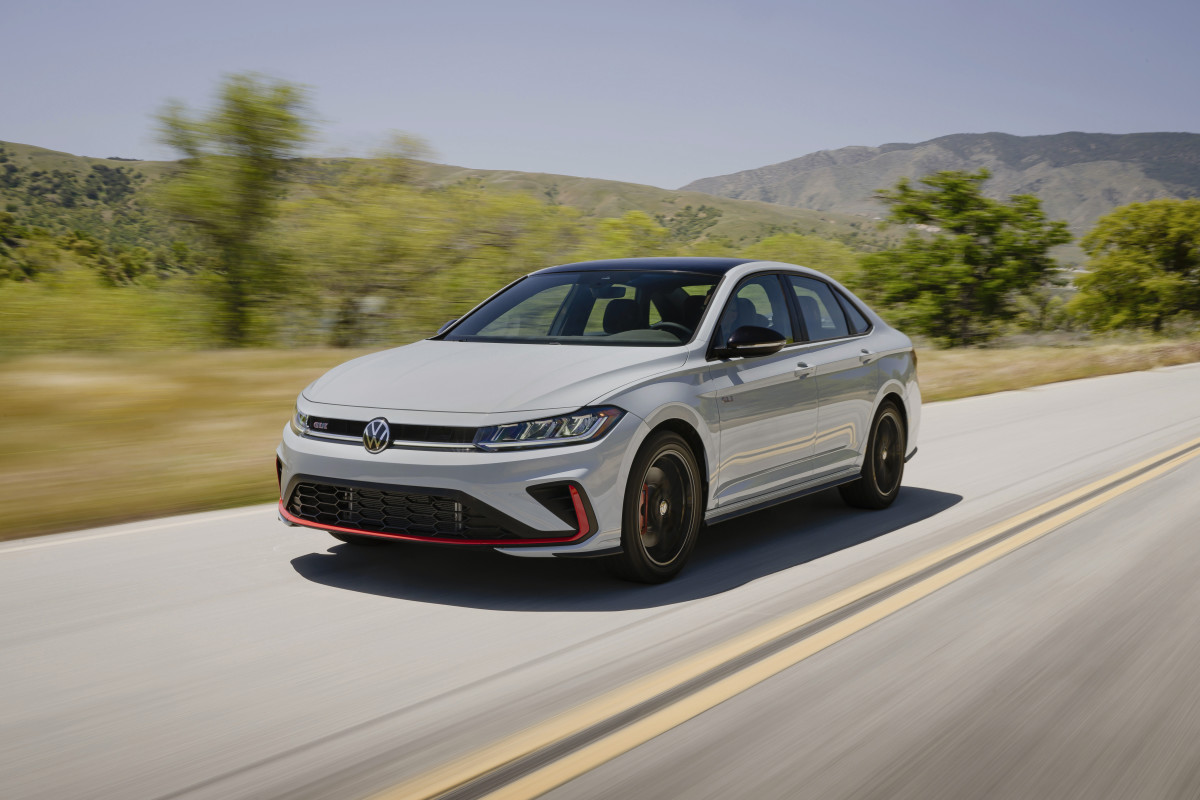
Volkswagen
Like its Golf GTI and R siblings, the Volkswagen Jetta GLI shows enthusiast focus but does so a bit more maturely in sedan form. The sporty Jetta GLI achieved a 38 percent manual take rate in 2024, up from 33 percent in 2023. In contrast, base Jetta models with manual options achieved only around 6 percent take rates before they were discontinued, highlighting how performance variants attract manual buyers while economy-focused customers overwhelmingly prefer automatics. The GLI soldiers on with fresh revisions, and it gives us hope that VW will hang onto its manual for a little bit longer.
Budget segment struggles
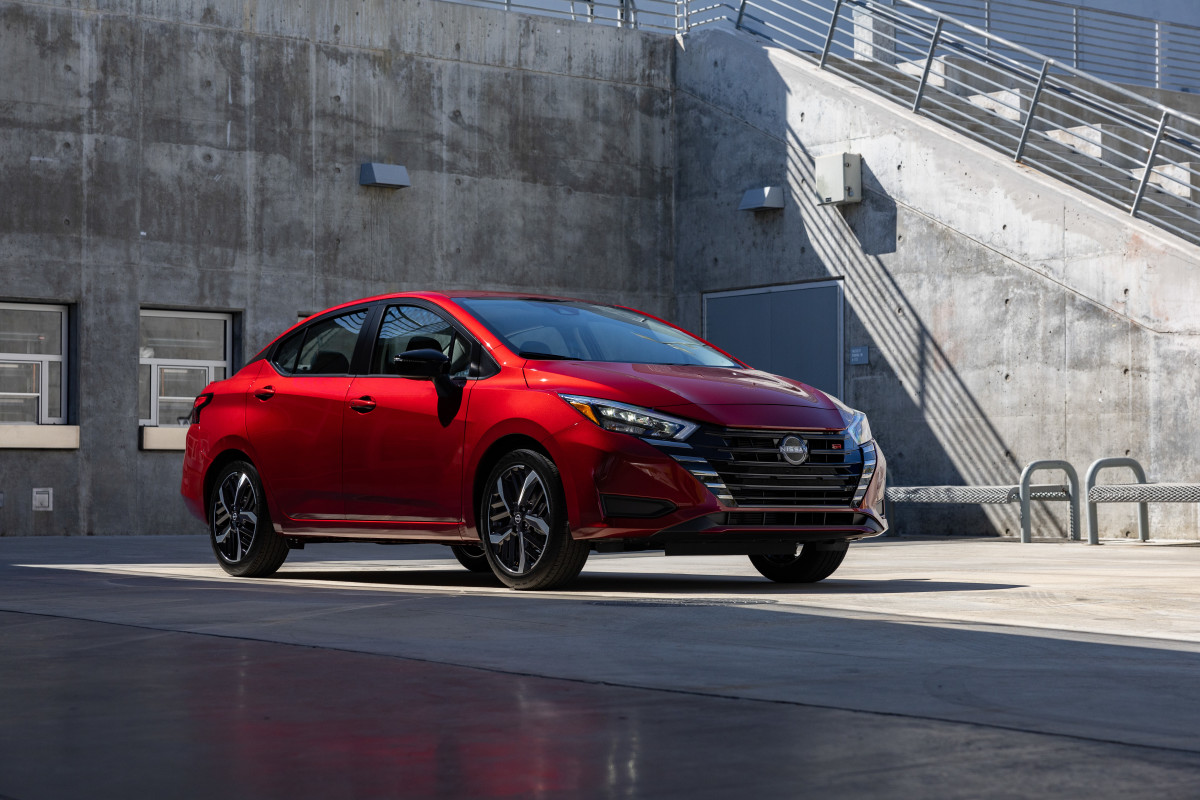
Getty
Manual transmission take rates drop meteorically when it comes to affordable, non-performance vehicles, where the stick shift once served as the budget option rather than the enthusiast choice. The Nissan Versa, one of the few remaining affordable cars with a manual option (only in base S trim), likely posts minimal take rates, though Nissan hasn’t disclosed specific figures. The five-speed manual exists primarily as a base-model cost-cutting measure rather than a performance feature, and most buyers gladly pay extra for the CVT automatic. As proof, the sporty SR trim is automatic-only.
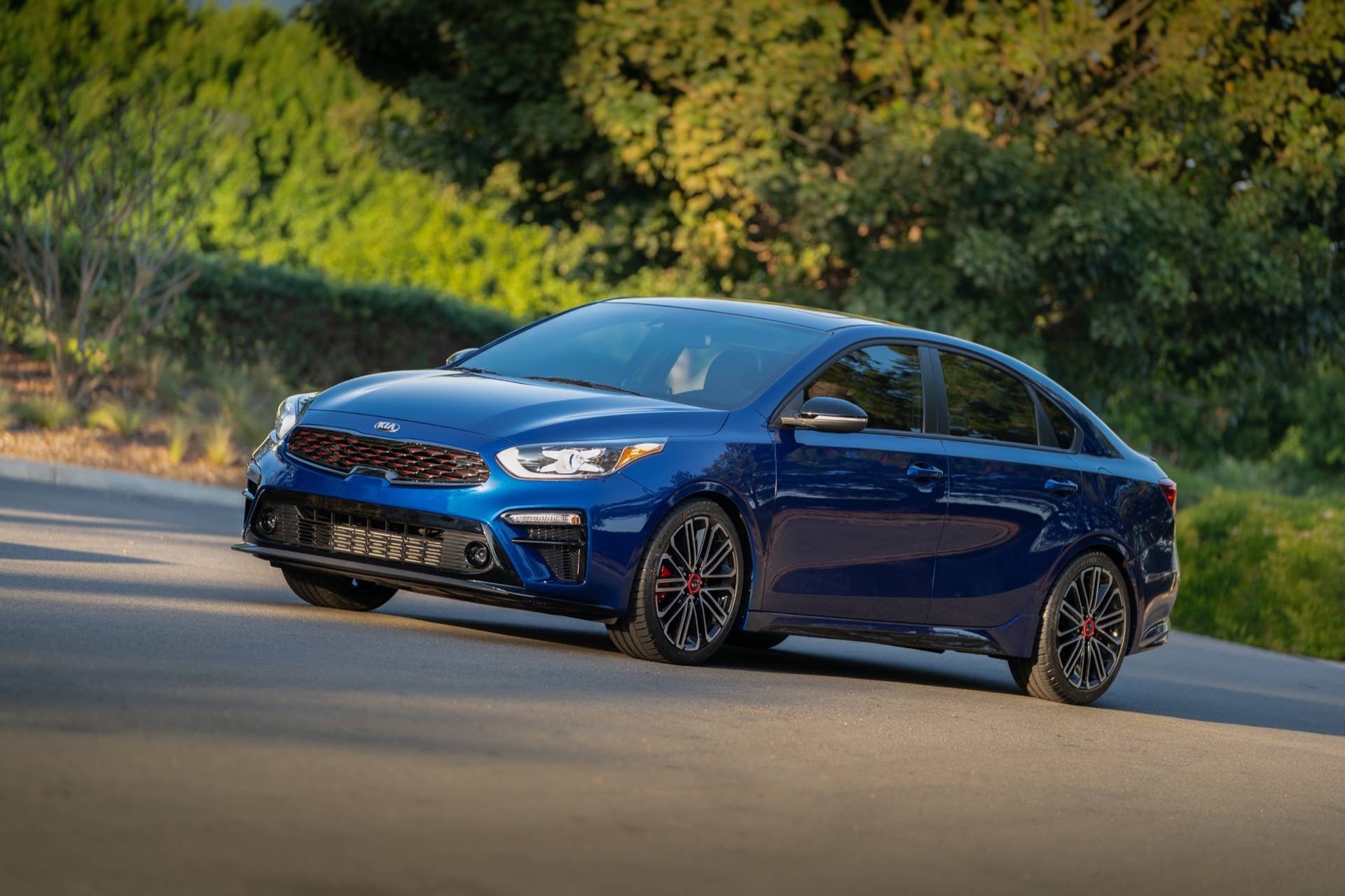
Kia
The Kia Forte GT is no more, but it’s a key example of affordable manual cars struggling in the market. The $25,390 2024 Forte GT never saw big sales numbers, and less than two percent of Forte buyers chose the six-speed manual before the model was replaced by the automatic-only K4 for 2025. Despite positioning the Forte GT as a Civic Si competitor, Kia failed to capture attention in meaningful numbers. The slushbox only $21,990 K4 shows that buyers of entry-level sedans overwhelmingly choose to have their gears shifted for them.
Final thoughts
The manual transmission’s future teeters on the edge of extinction. It remains alive because of enthusiasts, plain and simple. The take rates for the performance models an available manual reflect that clearly. However, hope is still alive because manual performance models have market value that goes beyond the numbers. They make the statement that brands care about engagement and the old-school spirit of driving fun. Younger buyers are showing renewed interest in analog driving experiences, possibly sustaining demand for one more generation.