

Don’t judge a car by its safety ratings
Automakers know how to capture attention with style, presence, and power. Then there are the refined and tech-forward interiors that make modern vehicles more appealing than ever. But looks can hide weaknesses. Some of the most eye-catching models of 2025 underperform in crash safety tests, showing that looks and luxury don’t guarantee protection.
Chevrolet
According to recent evaluations from the Insurance Institute for Highway Safety (IIHS), several well-known 2025 models deliver concerning results in critical crash scenarios. Below are five vehicles that combine impressive styling with disappointing safety performance. Some of them might surprise you.
2026 Buick Envista
Buick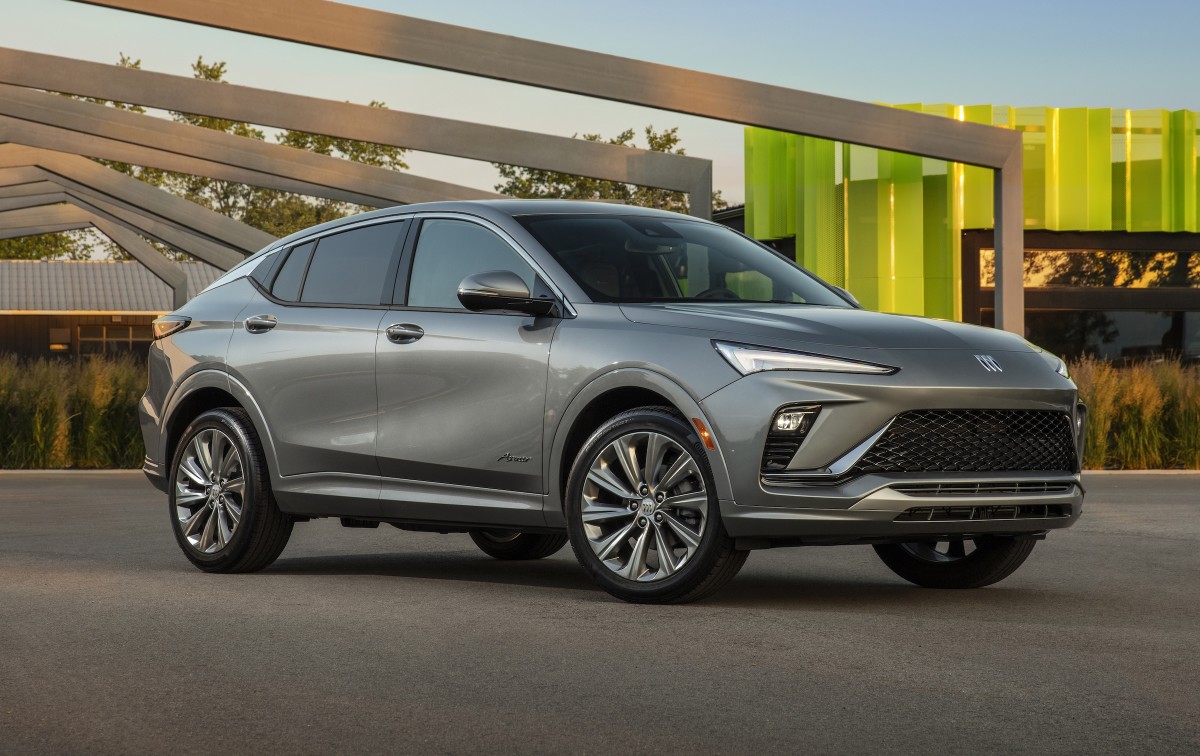
The 2026 Buick Envista looks far more expensive than it is. Its sloping roofline, upscale details, and well-finished cabin make it one of the most attractive small crossovers on the market. Unfortunately, its safety results tell a different story.
The Envista received a Poor rating in the moderate overlap front crash test, which evaluates how well the structure and restraints protect occupants in a frontal impact that affects only part of the vehicle’s width. In this category, excessive intrusion into the cabin can increase the risk of serious injury. The Envista earned Acceptable marks in side-impact testing and Marginal ratings for headlights, indicating visibility and crash performance that are below the top tier of small SUVs.
This combination of results means that while the Envista offers style and efficiency, it provides less structural protection in some of the most common crash types. Buyers drawn to its looks should review the crash data before choosing it over safer rivals.
2025 Kia K5
Kia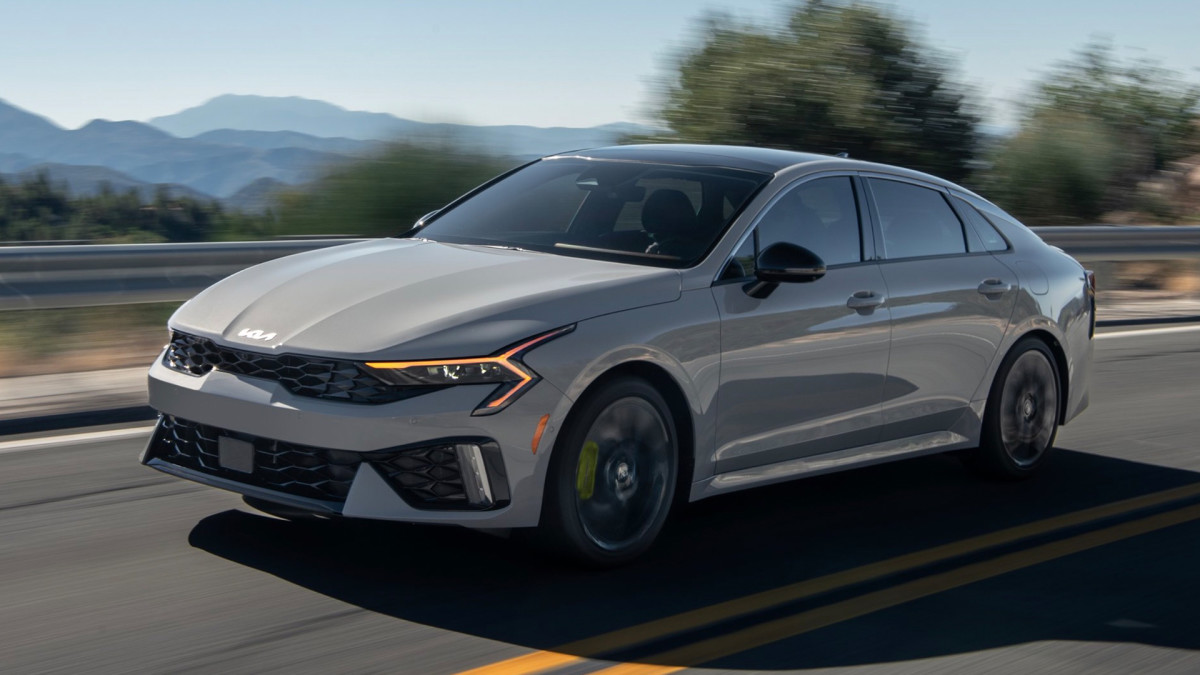
The 2025 Kia K5 is one of the most stylish midsize sedans available. Its coupe-like profile, bold front fascia, and premium feel have helped it stand out in a crowded field. Inside, the materials and technology reflect an almost luxury-level approach to design.
However, the K5 has not matched its aesthetic appeal with flawless safety performance. Its moderate overlap front crash rating was Marginal, while the small overlap front and side tests earned Good or Acceptable results depending on trim. Lower trim levels also received Poor ratings for headlights, reducing nighttime visibility and safety.
Kia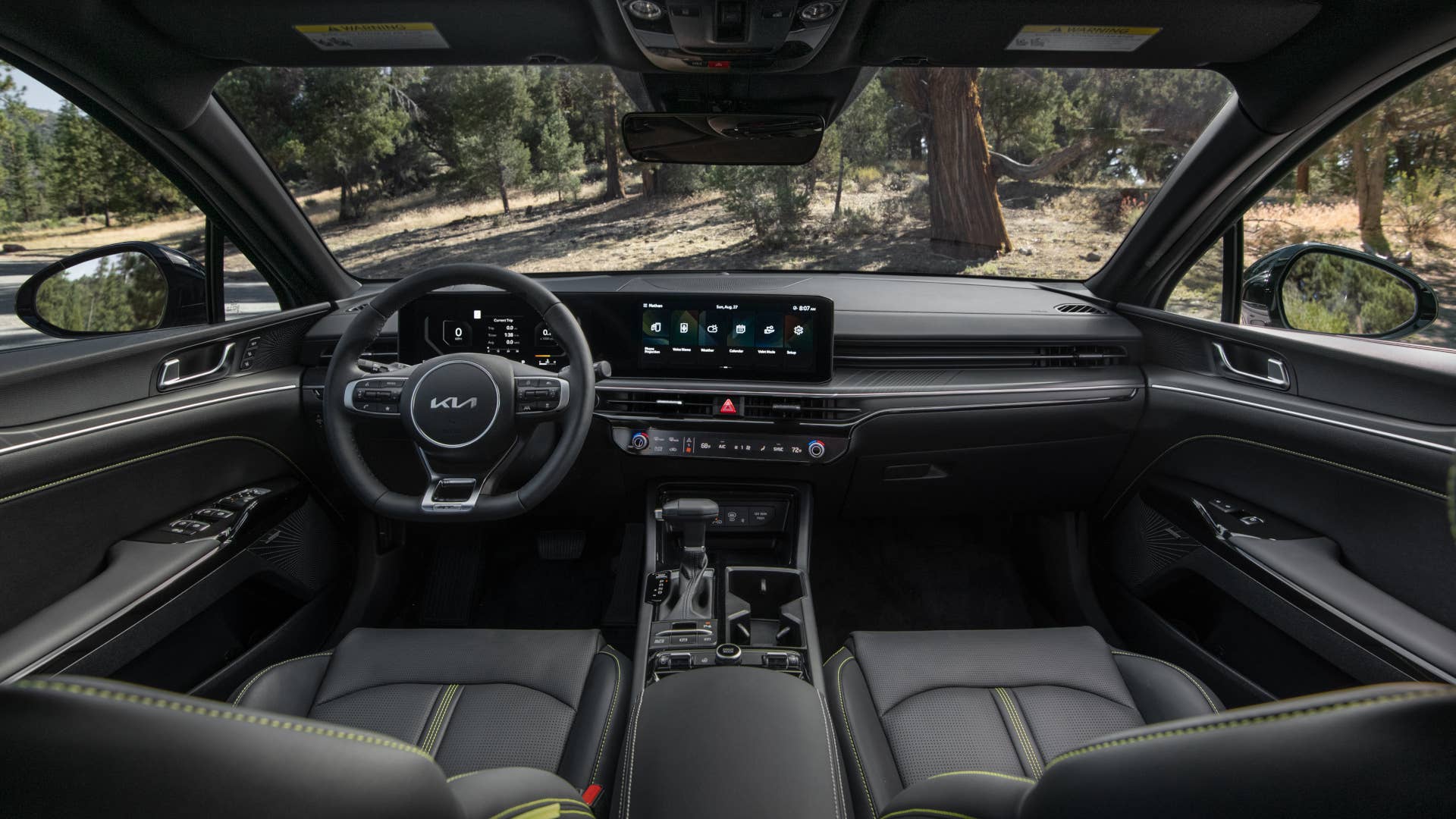
For drivers attracted to its aggressive design and sporty personality, it’s important to understand that the K5’s structural protection and driver-assist consistency fall short of segment leaders like the Toyota Camry and Subaru Legacy. It remains one of the best-looking sedans in its class but not one of the safest.
2026 Honda CR-V
Honda 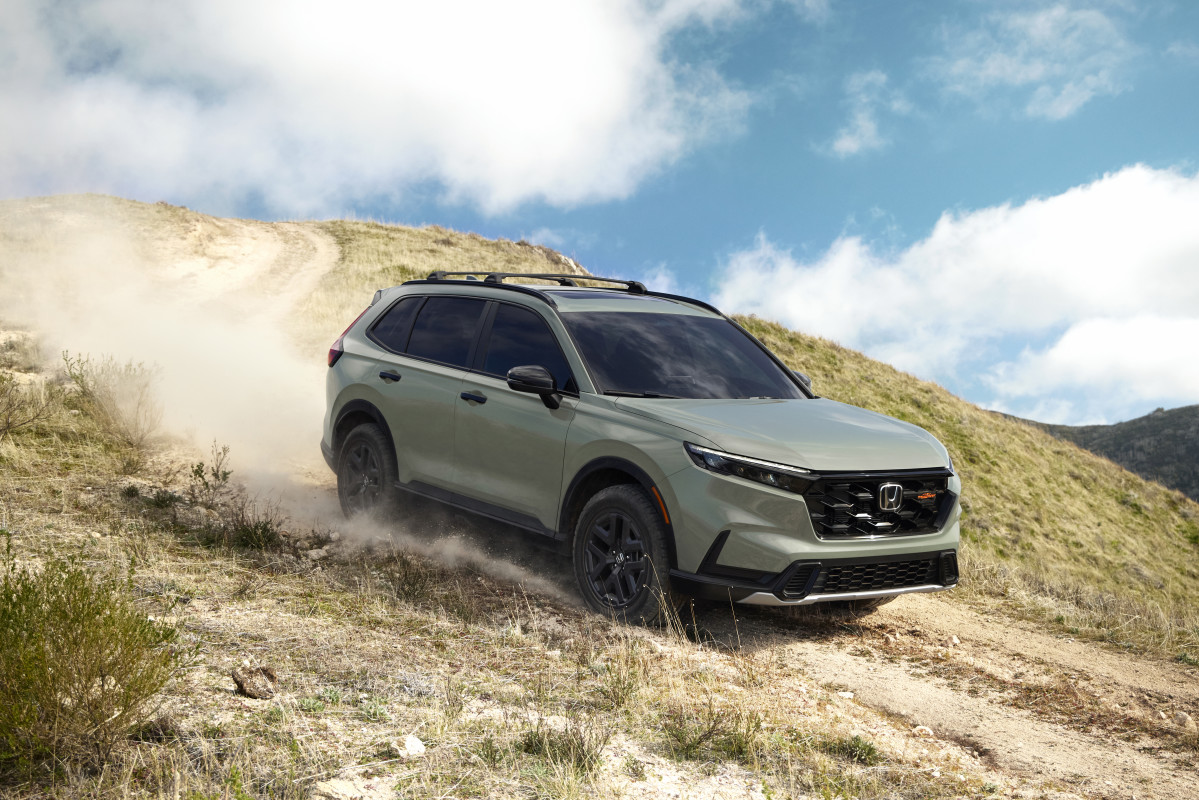
The Honda CR-V continues to dominate the compact SUV market, and it does so much so incredibly well. The 2025 version carries over its polished design, upscale cabin, and reputation for reliability that make it one of America’s best-selling vehicles. Despite these strengths, the CR-V drops in the rankings for 2026 due to more stringent testing criteria. It now shows weaknesses in some key safety metrics.
In IIHS testing, the CR-V performed Poorly in the updated moderate overlap front test, which simulates a crash where the front corner of the vehicle collides with another object at highway speeds. Although the CR-V received Good marks in small overlap and side-impact tests, its overall structural performance in the moderate overlap category suggests a higher risk of lower-body and torso injuries for rear occupants.
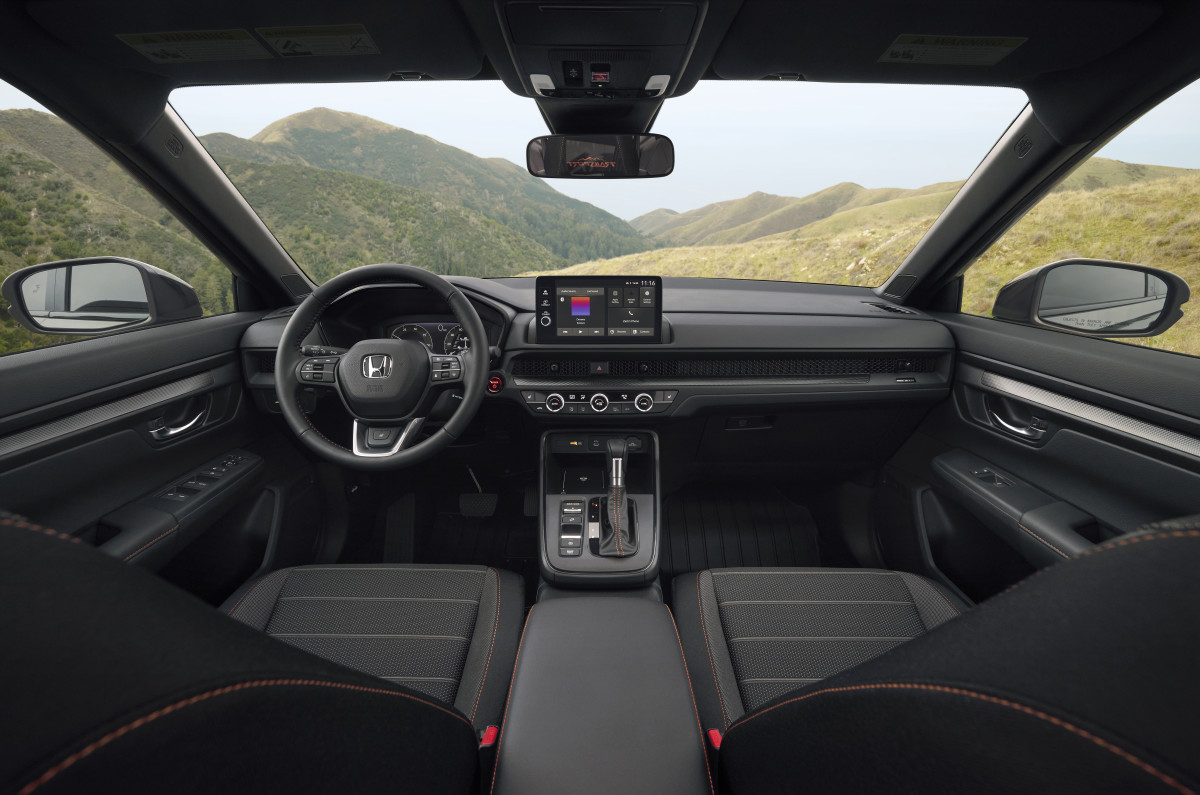
The CR-V’s ratings highlight that even highly popular models with modern styling and advanced features can still lag behind in specific safety categories. Its clean design and practicality remain appealing, but drivers seeking top-tier protection should compare it to newer competitors that achieve stronger results across the board.
2025 Chevrolet Tahoe
Chevrolet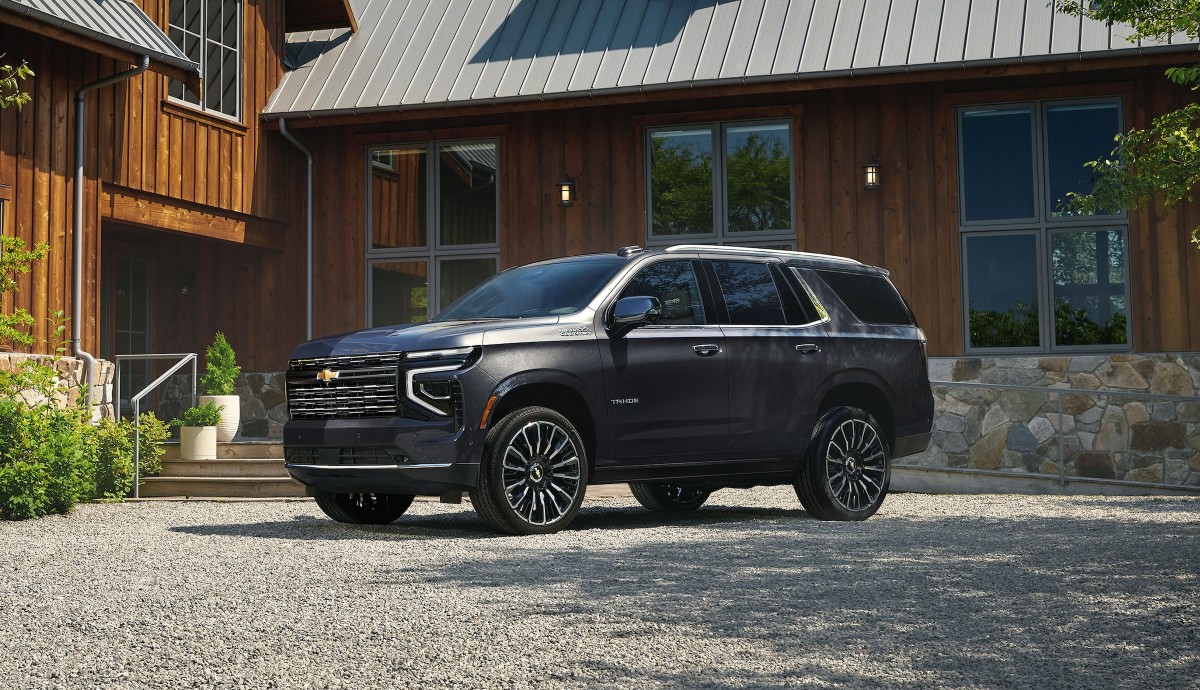
The 2025 Chevrolet Tahoe looks and feels like a fortress. Its squared-off design, commanding stance, and luxurious cabin make it one of the most imposing full-size SUVs on the market. Its size and strength can create a sense of security, but size alone does not ensure crash safety.
The Tahoe earned a Poor rating in the moderate overlap front crash test, indicating that the vehicle’s structure does not absorb crash forces effectively enough to prevent cabin intrusion. It received an Acceptable rating for the small overlap front test and a Good score for the updated side-impact evaluation. The uneven results show that while the Tahoe can handle some crash types well, it struggles to provide the same protection in partial frontal impacts that are common in real-world collisions.
Chevrolet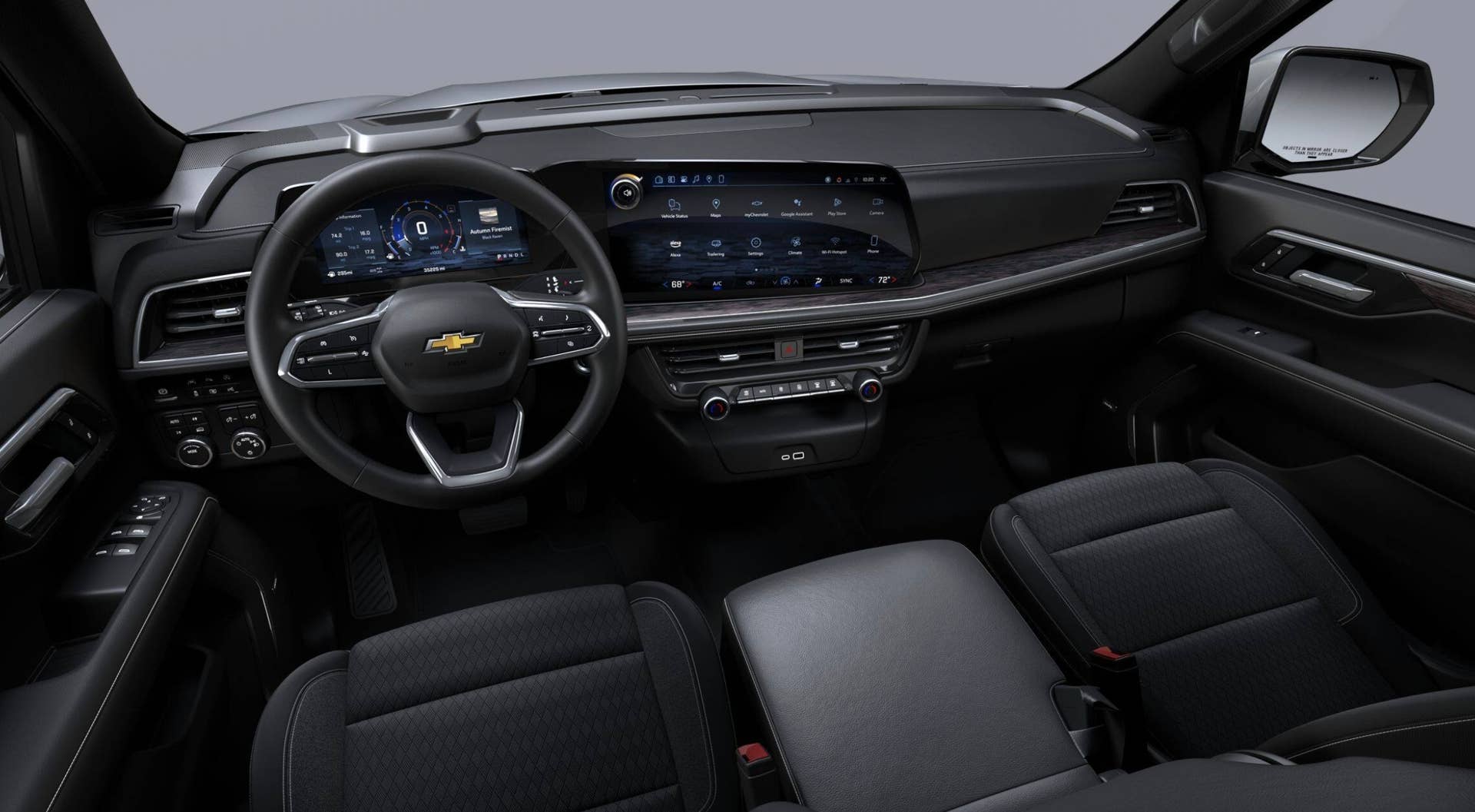
Despite its tremendous utility and power, the Tahoe’s height, weight, and body-on-frame construction contribute to longer braking distances and reduced agility in emergency maneuvers. It’s a stylish and powerful SUV that looks strong, but in critical safety situations, it does not perform as confidently as it appears.
2025 Lexus RX
Lexus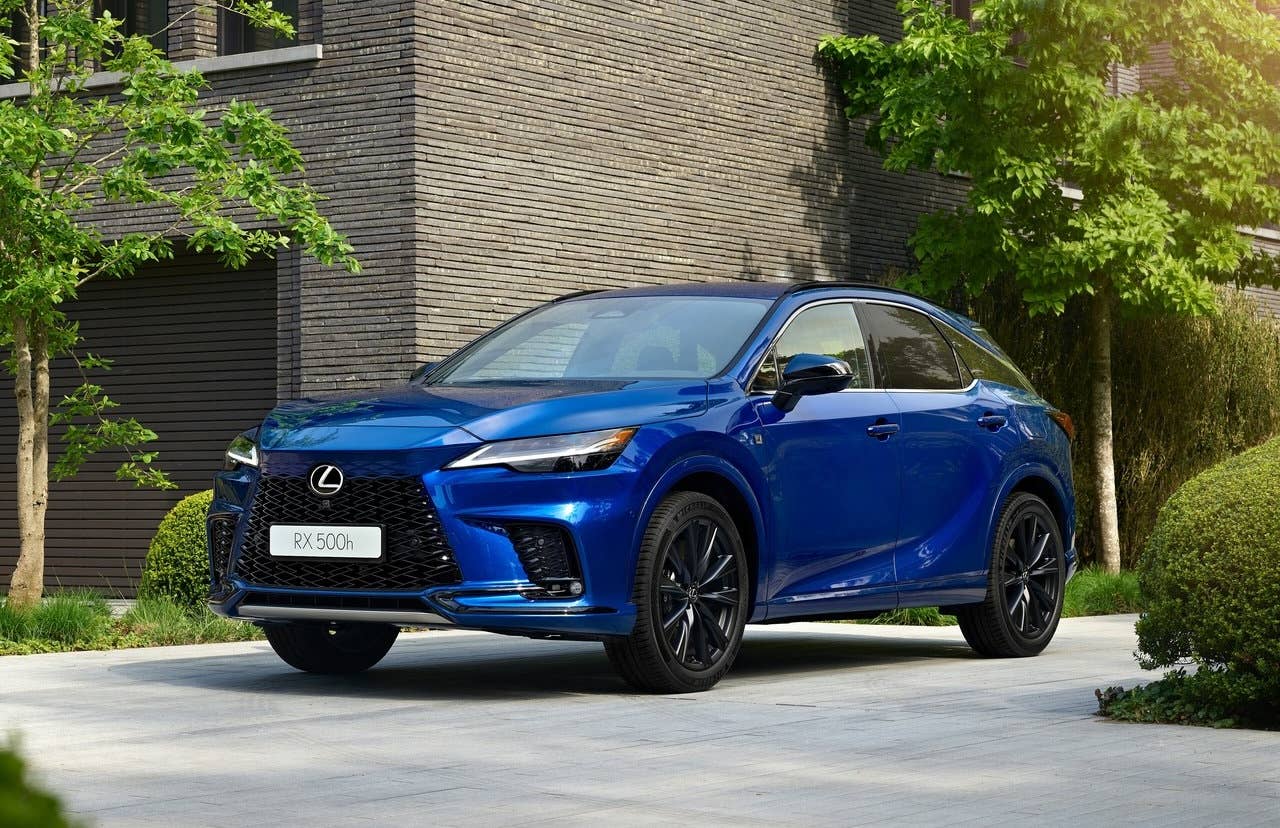
We honestly didn’t see this one coming. The Lexus RX is one of the most recognizable luxury crossovers on the road and has been the brand’s best seller for years. The 2025 model refines its already handsome design with a sculpted grille, sharp headlights, and a tech-forward cabin. It feels solid and elegant from every angle, but the safety numbers tell a more complex story.
The RX achieved Poor results in the moderate overlap front crash test, meaning that its structure allowed significant intrusion during frontal impacts. While it performed Well in small overlap front and side-impact testing, the moderate overlap result is a concern given how frequently these types of crashes occur. For a premium brand that emphasizes engineering and refinement, the result is surprising.
Michael Simari | Car and Driver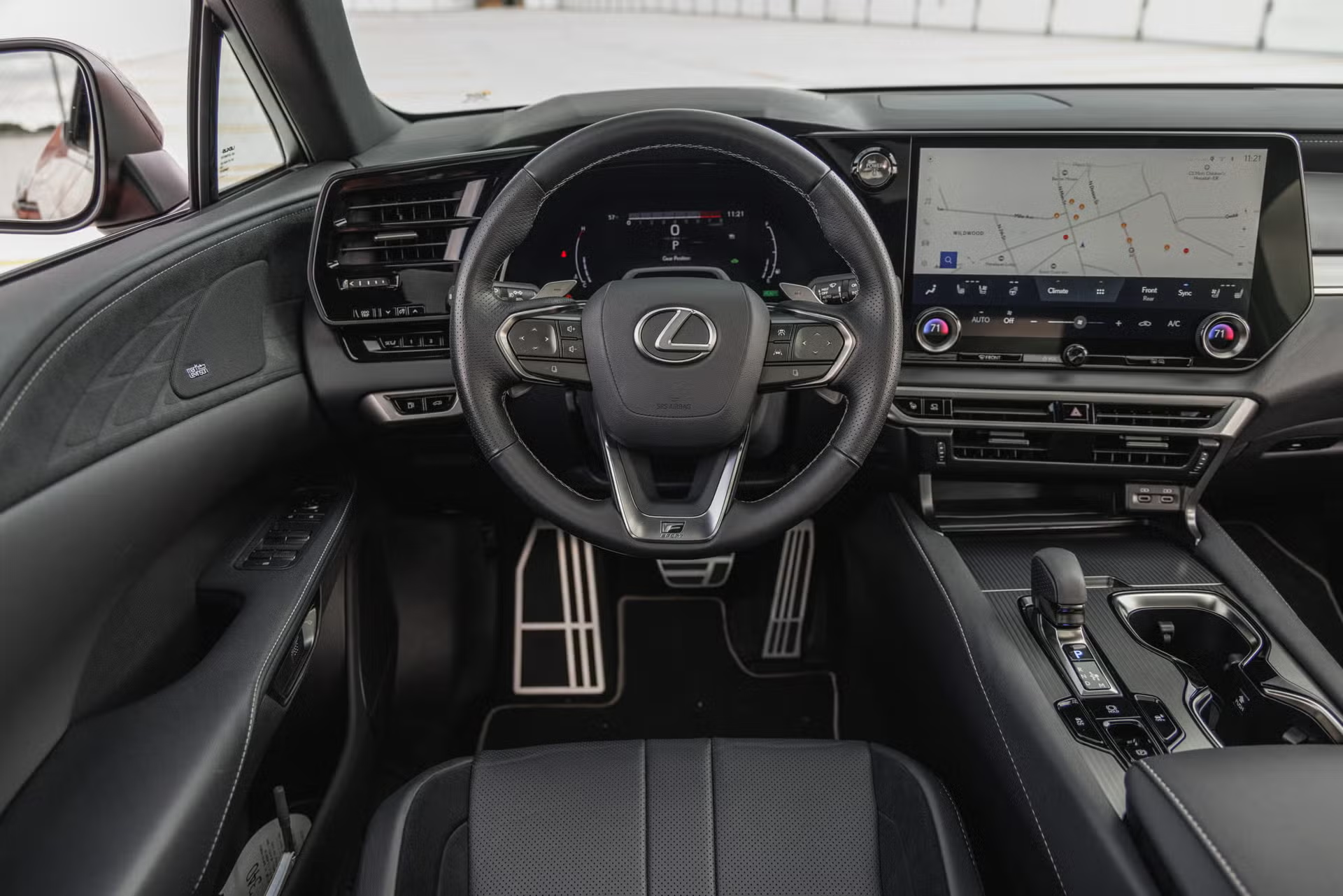
Buyers looking for style, comfort, and prestige will appreciate the RX’s design and refinement, but those prioritizing all-around protection may find better-rated options in the same price bracket.
What the IIHS data shows
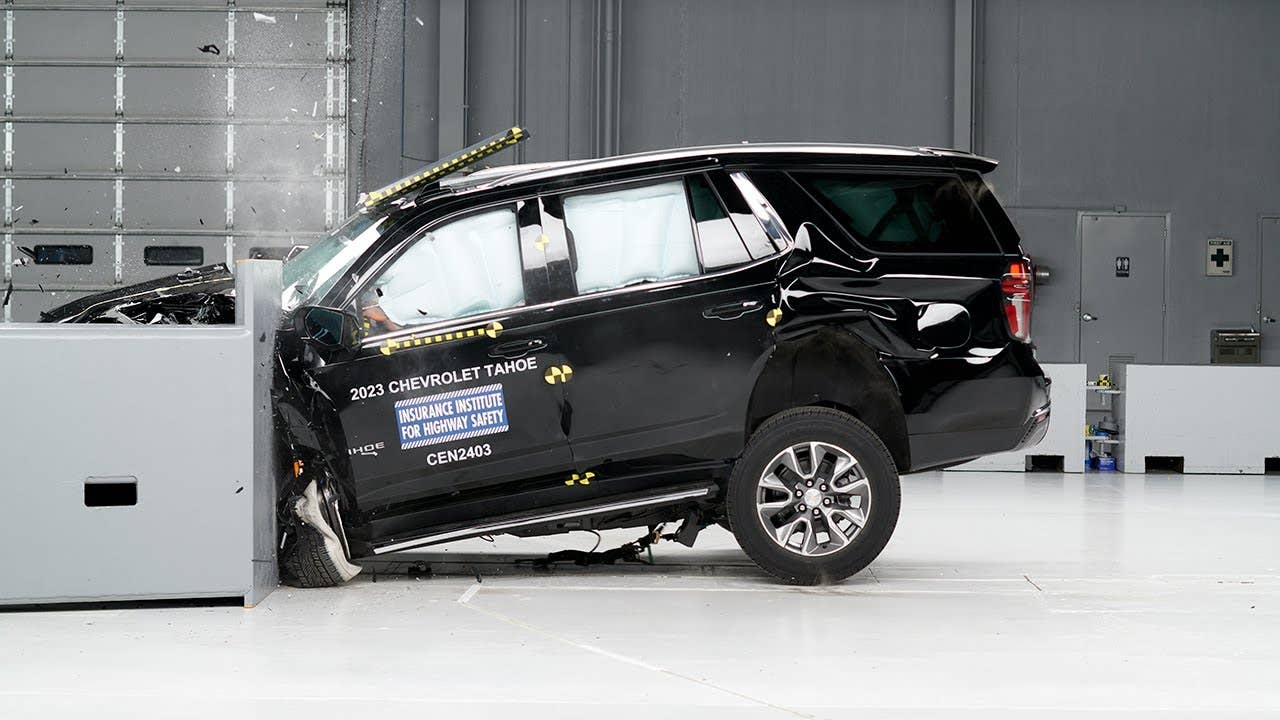
IIHS crash testing evaluates several key areas of vehicle safety. Ratings of Good, Acceptable, Marginal, and Poor are based on how well a vehicle protects occupants and how effectively it avoids collisions. The moderate overlap front test, introduced to reflect common real-world impacts, often reveals weaknesses that traditional frontal crash tests do not capture.
Among the models listed here, the moderate overlap test proved to be a significant challenge. Each of these vehicles earned less-than-ideal results in this critical category, indicating structural designs that either allow excessive intrusion or fail to adequately protect rear-seat occupants. Headlight performance and crash avoidance technologies also contributed to lower overall ratings in several cases.
Final thoughts
Attractive design draws attention, but safety determines long-term confidence. The 2025 Buick Envista, Kia K5, Honda CR-V, Chevrolet Tahoe, and Lexus RX all demonstrate how even some of the best vehicles can fall short in crucial safety testing categories. Before buying, drivers should review official crash ratings from IIHS and NHTSA, verify that essential safety technologies like automatic emergency braking and lane-keeping assist are standard, and test visibility during a real-world drive.