

The Automotive Report Card
As Consumer Reports points out, cars are super expensive. The average transaction price for a new car is more than $50,000, and no one seems to have any money for it. So, if you do (or don’t), you absolutely must make a smart choice. “Affordability continues to be a top concern for Americans, with prices rising on everything from groceries to cars,” says Phil Radford, president and CEO of Consumer Reports. “This Automotive Report Card is just one example of how CR leverages its cutting-edge testing, robust consumer data, and trusted experts to help people make the best choices with their hard-earned money.”
For its 2026 Automotive Report Card, CR used road test scores from more than 200 new cars, reviewing safety performance, and analyzing reliability and owner satisfaction data from member surveys. With that in mind, these are the winners (and losers) of Consumer Reports’ 2026 rankings.
Subaru is still CR’s number one brand
Subaru
View the 4 images of this gallery on the
original article
Subaru, for the second year in a row, is the top brand in CR’s 2026 Overall Brand Report Card. The Japanese marque is followed closely by BMW, Porsche, Honda, Toyota, Lexus, Lincoln, Hyundai, Acura, and Tesla. Each ranking is based on the brand’s average overall score, which is a combination of the organization’s “road-test scores, predicted reliability and owner satisfaction from survey data, and safety ratings” for every car made by an automaker.
So, those are your winners. The losers? Largely, the usual suspects. Dodge, GMC, Land Rover, Rivian, and Jeep are all largely unchanged from last year, with Jeep falling dead last. It reached lows in brand reliability, road test scores, and owner satisfaction.
Consumer Reports’ most reliable brand isn’t any great mystery
T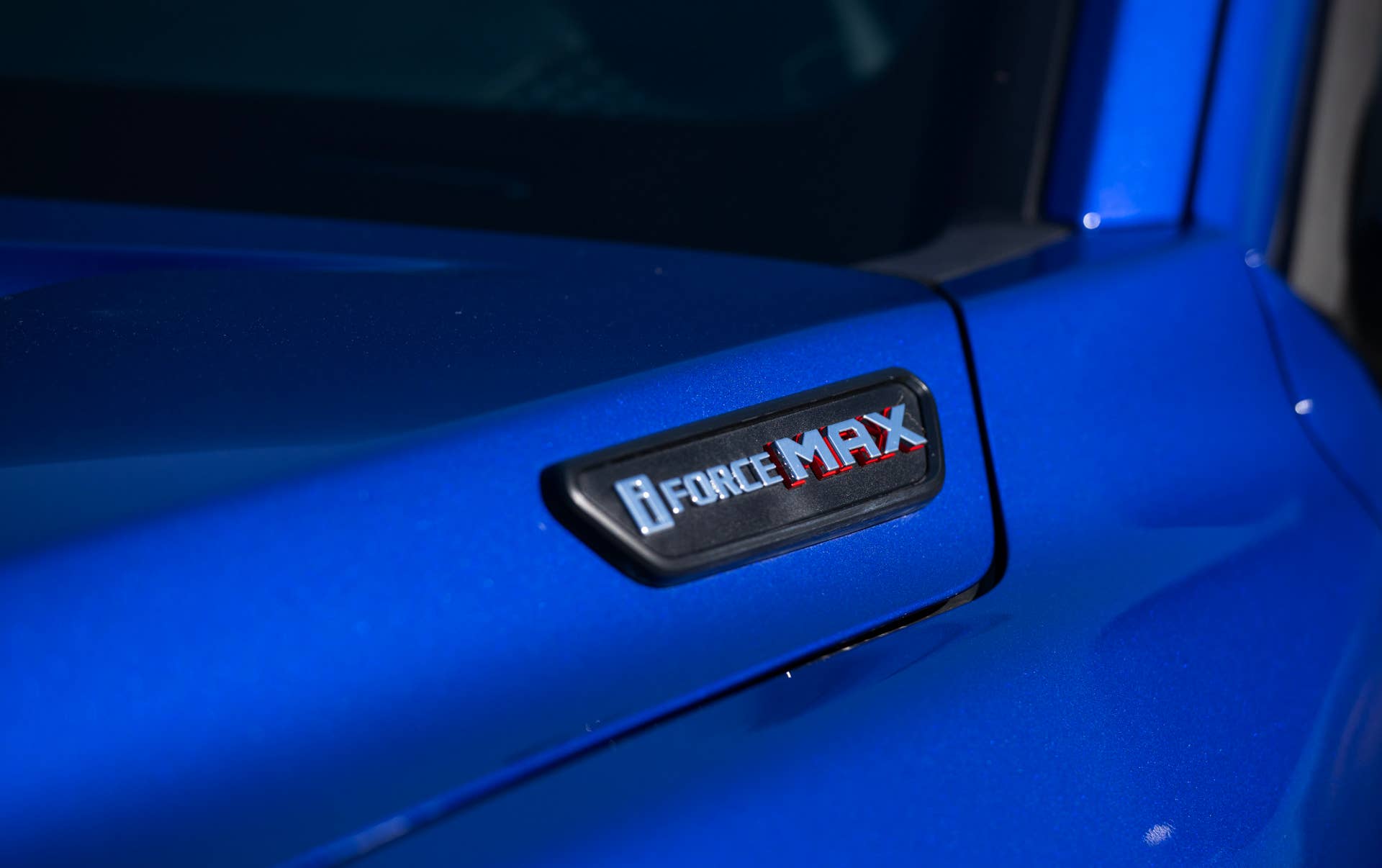
Rankings are built on more than just overall scores. The nonprofit also indexes for reliability, with Toyota topping out the list here. It just beat out last year’s winner, Subaru, for the spot. Consumer Reports credits improved reliability within the Camry, Tacoma, and Tundra for the shift, in addition to a solid early showing for the new 4Runner (largely based on the current Tacoma).
“Our surveys continue to show that the slow and steady approach to vehicle redesigns pays dividends for reliability, while more aggressive changes and the introduction of new technologies often lead to setbacks,” says Jake Fisher, senior director of auto testing for Consumer Reports. “For reliability-conscious car shoppers, the best bet is to steer clear of newly-introduced or newly-redesigned vehicles in their initial model year, as that’s when they are almost always the most problematic.”
Now, about the losers. Mazda fell from the top 10 to 14th place this year. CR attributes this to issues with the brand’s plug-in hybrid powertrains, largely found in models like the CX-70 and CX-90. Genesis fell to 21st place, with no cars with an average or better reliability score.
US automakers struggle with reliability, but Ford improves
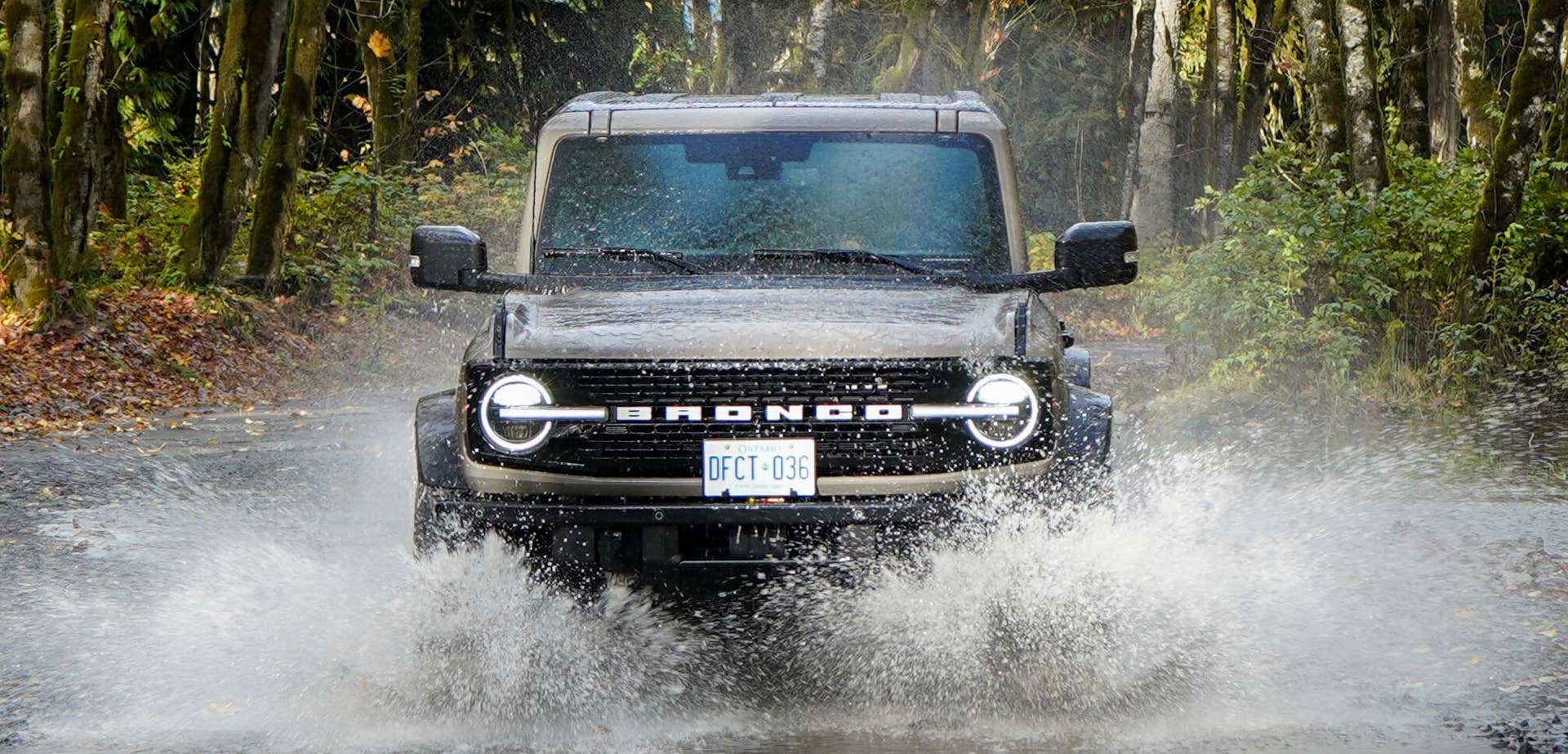
Ford made its best showing in a decade and a half, moving up to 11th overall in reliability. However, its electrified models aren’t doing so hot, with the F-150, F-150 Hybrid, and F-150 Lightning landing below average for reliability. Tesla did well, too, coming up to 9th overall, with just the Cybertruck receiving a below-average score. Other Americans were a mixed bag: Chevrolet (17th) and Cadillac (18th) were midpack. Buick made a great showing, ranking 8th overall. Some were the complete opposite. The following ranked poorly: Lincoln (20th), Chrysler (22nd), GMC (23rd), Jeep (24th), Ram (25th).
What about specific cars? Some of the worst were made by American OEMs. The Lincoln Corsair PHEV, Chrysler Pacifica Hybrid, GMC Acadia, Jeep Grand Cherokee PHEV, Ram 1500, and Rivian R1T are all among the least reliable vehicles in 2026.
BMW is CR’s most reliable European brand
BMW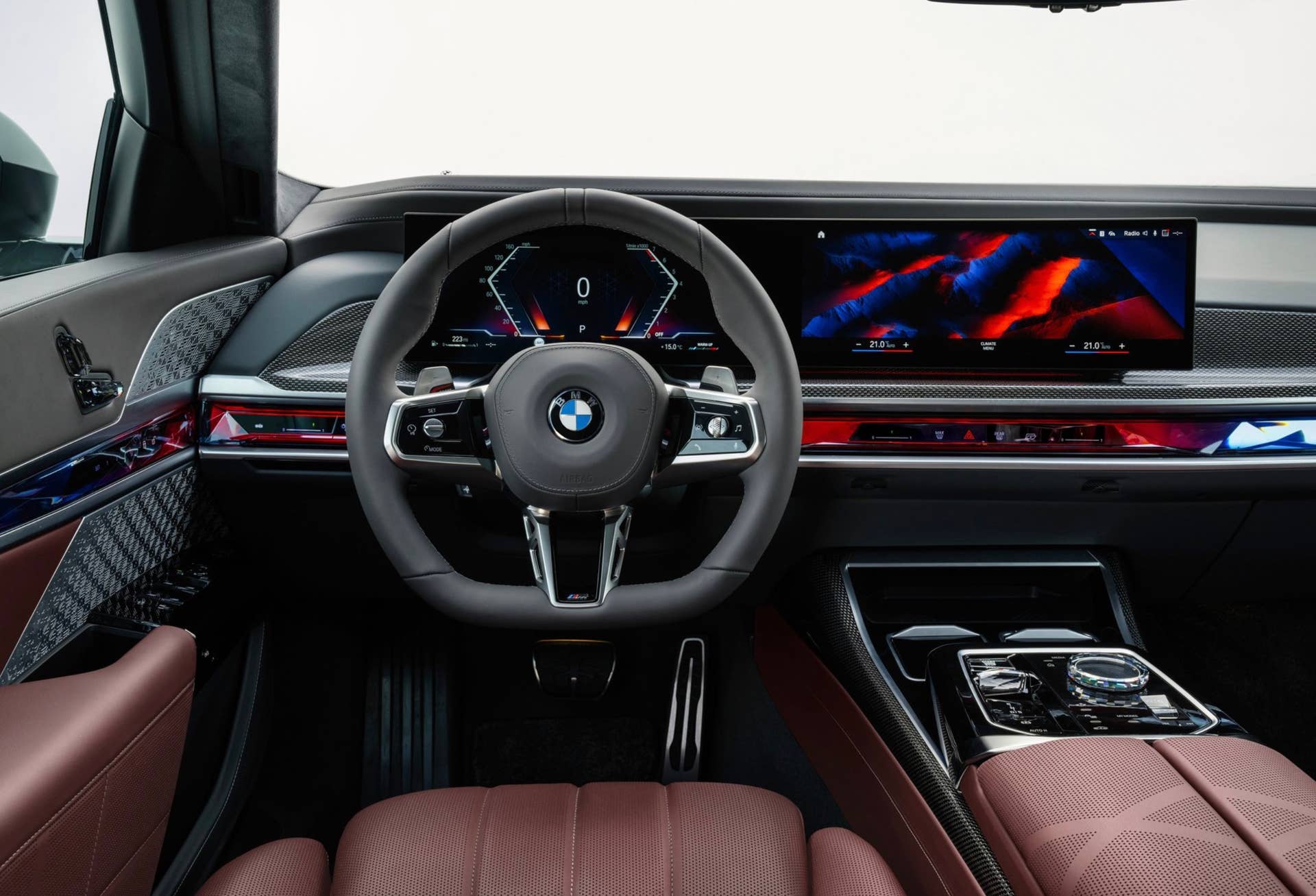
BMW came 5th overall in reliability rankings, making it CR’s most reliable European brand, and all of its cars have average or better predicted reliability scores. Those, by the way, are calculated based on averages from prior model years, providing there has not been a major redesign. Other European brands fell midpack, like Volvo (15th) and Audi (13th). Each had its issues, largely centered around hybrid models for both. Meanwhile, VW managed to pull off 16th place, and Mercedes brought up the rear, in 19th.
However, many of Europe’s larger automakers (and some others) are not tracked because CR could not obtain sufficient data on them to rank them effectively. So, keep an extra close eye on Alfa Romeo, Dodge, Fiat, Infiniti, Jaguar, Land Rover, Lucid, Maserati, Mini, Mitsubishi, and Porsche when shopping.
Among electrified cars, hybrids win out
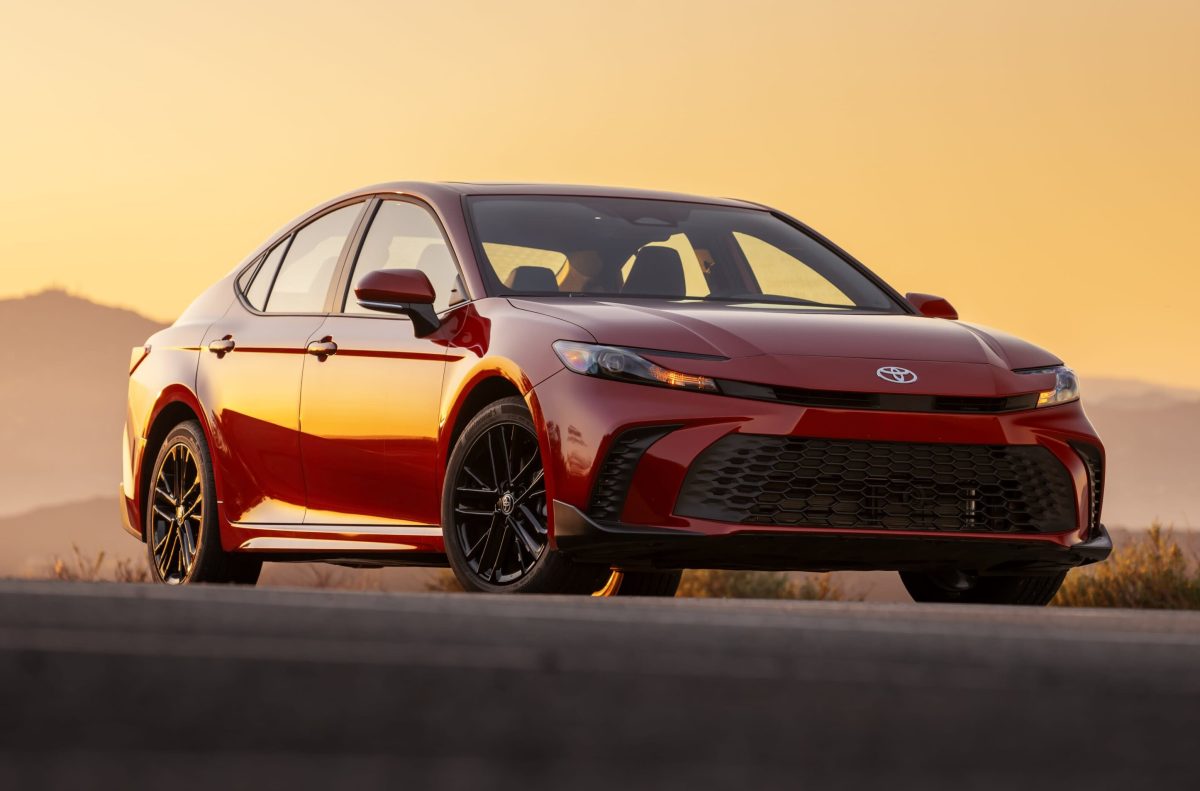
Consumer Reports also found that, on average, hybrids experience around 15 percent fewer problems than internal combustion engine (ICE) cars. They’re a leading category as well. Here’s the most telling part: “Of the approximately 30 hybrids for which CR has sufficient data, only the Hyundai Sonata Hybrid, Lincoln Nautilus Hybrid, and Mazda CX-50 Hybrid have below-average predicted reliability scores.”
Inversely, EVs continue to suffer some growing pains, with around 80% more average issues than ICE cars. It’s not a good look and could certainly be contributing to the current buyer climate surrounding ICE cars, hybrids, and EVs. So, if you’re looking for that most reliable new car, it’s probably a Toyota or Subaru hybrid. Revolutionary findings? No, but ones we can all trust are verified.