

Will sedans make a comeback? Nobody knows for sure, but they’re still hot sellers
We love sedans. Always have and always will. Most Americans once felt the same way, but the American automotive landscape has undergone a dramatic transformation over the past decade, with several major manufacturers making a bold decision that would have been unthinkable just twenty years ago. They’ve kicked sedans to the curb.
Chevrolet
All of them have all given up on their sedan lineups, betting their futures on SUVs, crossovers, and trucks. But some of the top sales slots are reserved for sedans, especially those from Toyota and Honda. This tectonic-level shift raises an important question: are these automakers making a strategically brilliant move or are they closing the door on a segment that still holds potential? The numbers don’t lie. According to Experian’s Automotive Consumer Trends Report for Q4 2024, sedans made up 18.4% of new retail registrations and an astouding 36.9% of used vehicles. In the same report, crossovers and SUVs came in at 59.3% for new and 38.6% for used.
The great sedan exodus
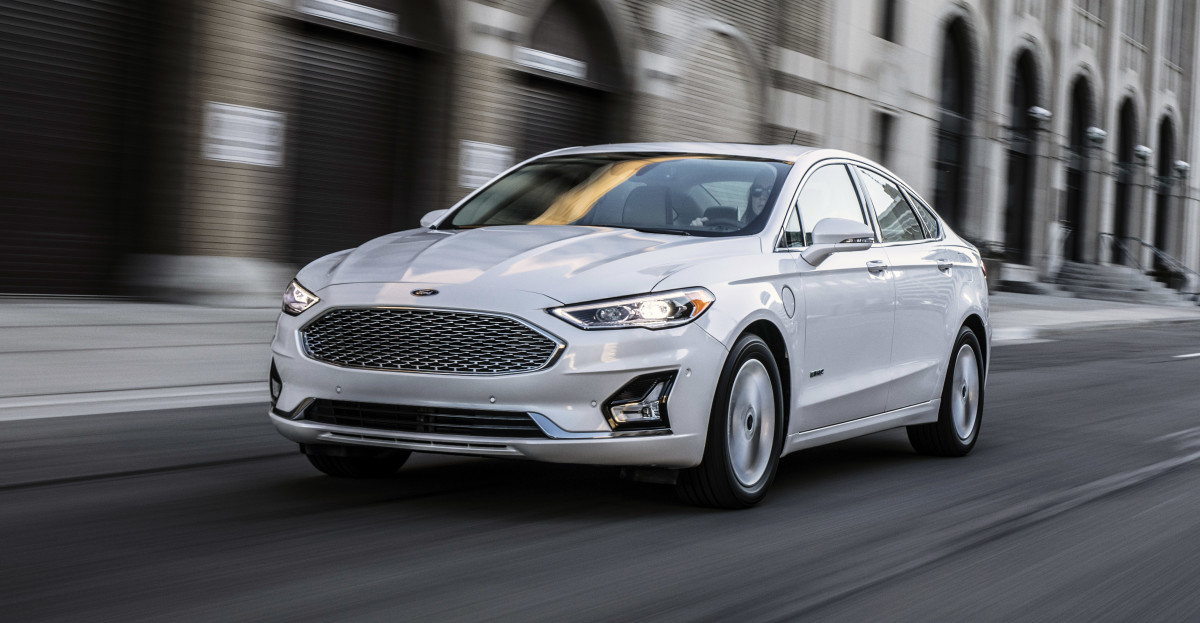
Ford
The retreat from sedans didn’t happen overnight, although many were killed off in a relatively short period of time. Ford made headlines in 2018 when it announced plans to discontinue nearly all of its North American sedan models, keeping only the Mustang and focusing on SUVs and trucks. Ford made a calculated choice to redirect its resources toward more profitable and in-demand vehicles, namely SUVs like the Explorer and Bronco, while also investing heavily in its future electrification initiatives. Sedans were not material to the brand’s future, apparently.
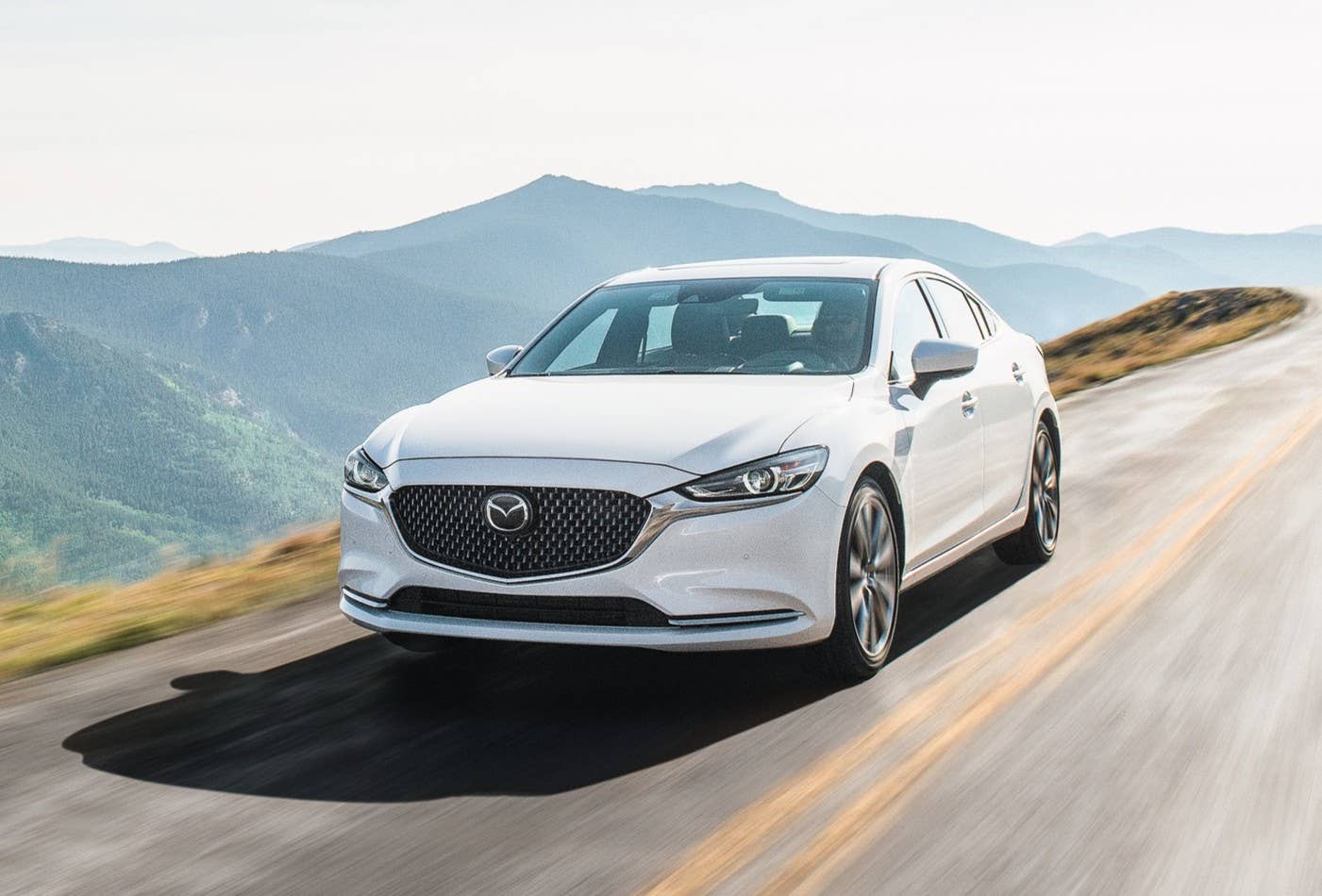
Lincoln and Buick, GM’s luxury brands, have similarly embraced an SUV-only strategy. Lincoln’s Continental and MKZ were replaced in 2021 by an SUV-only lineup made up of the Navigator, Aviator, Nautilus, and Corsair crossovers. Buick ditched sedans like the Regal and LaCrosse, pulling a similar move with just SUVs left. Mazda ended the much-praised Mazda6 sedan in 2021, leaving just the smaller Mazda3 sedan.
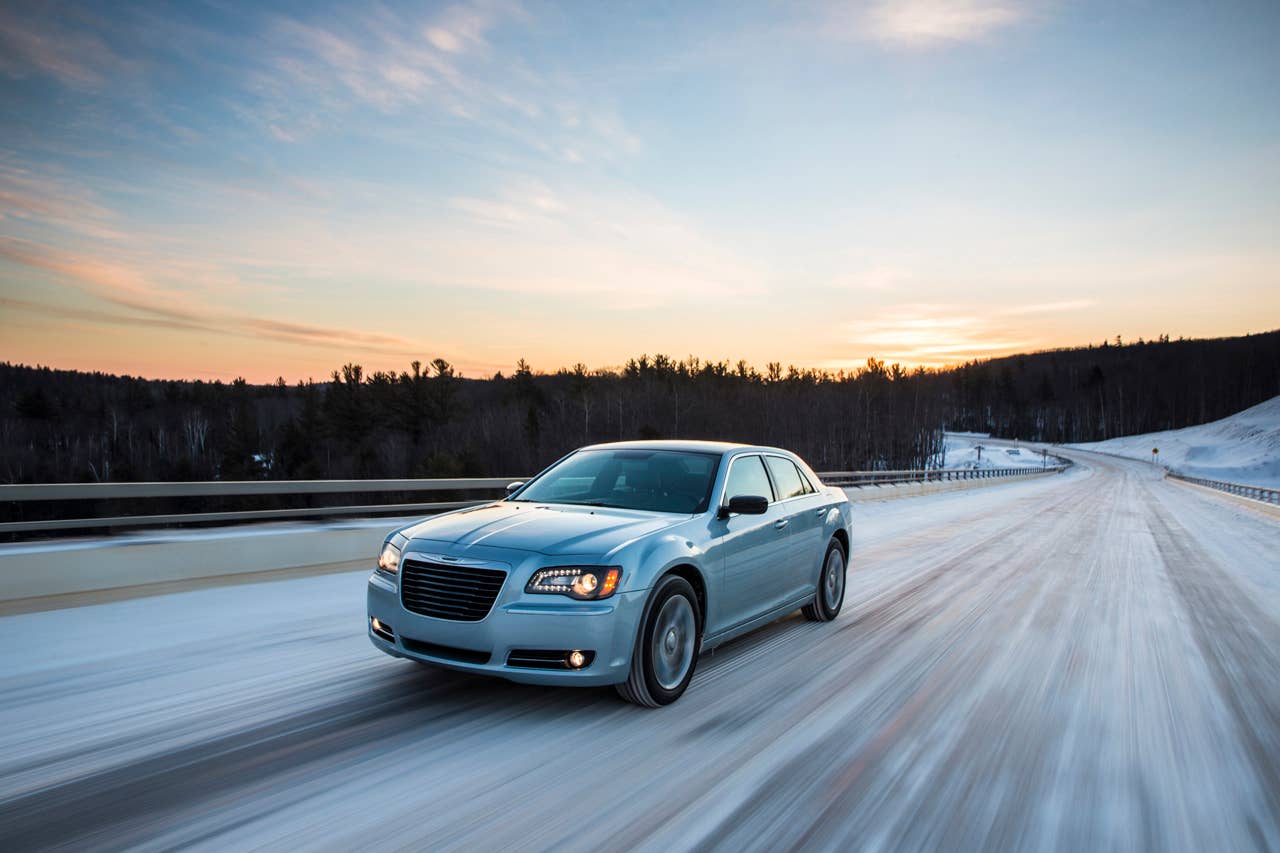
Chrysler, once home to the legendary 300 sedan, now offers only the Pacifica minivan and is pivoting toward electrified crossovers. Mitsubishi, struggling to maintain relevance in the U.S. market, discontinued the Lancer and Mirage, focusing its limited resources on crossovers like the Outlander. The sporty Acura TLX sedan recently ended production due to weak demand, as well.
The case for smart strategy
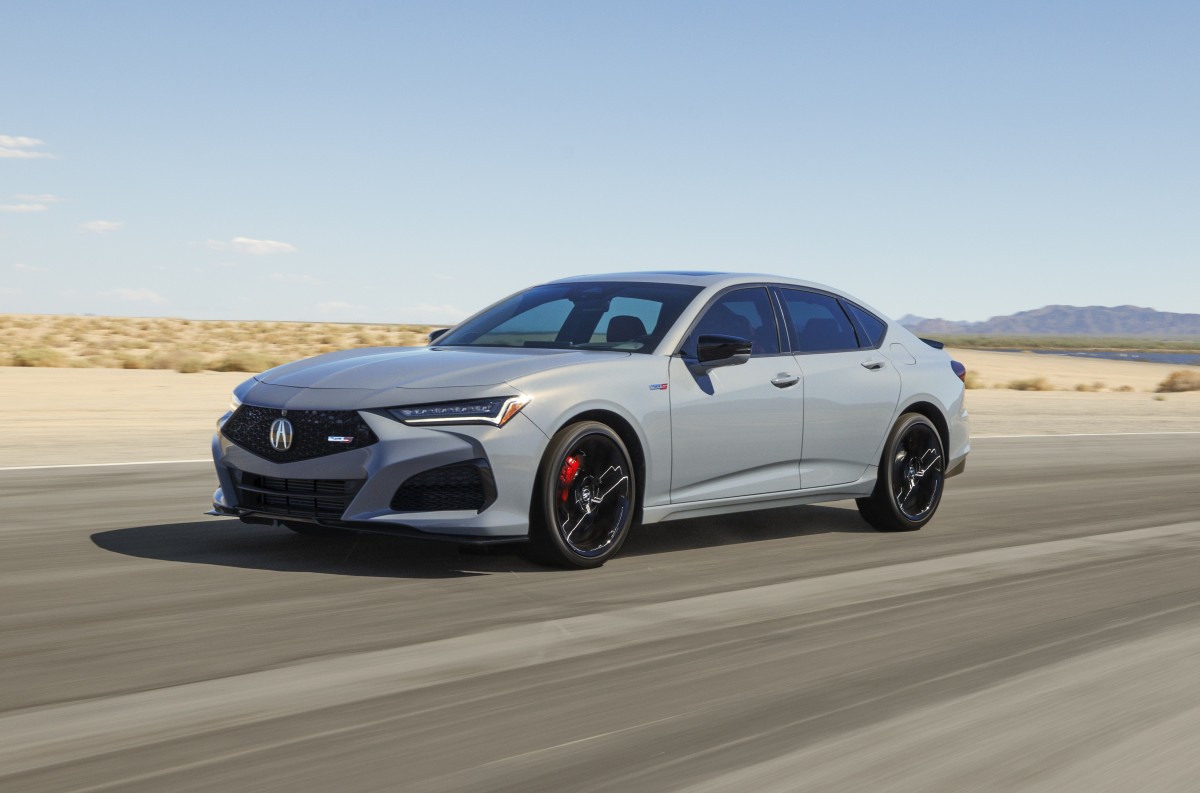
Acura
From a purely financial perspective, the abandonment of sedans appears to be a smart business decision because of customers’ shift to crossovers, SUVS, and trucks. It was (and is) the way of the world. Consumer preferences have shifted dramatically toward larger vehicles, with SUVs and trucks now accounting for nearly 80% of new vehicle sales in the United States. Americans want higher seating positions, more cargo space, perceived safety advantages, and the versatility that crossovers provide.
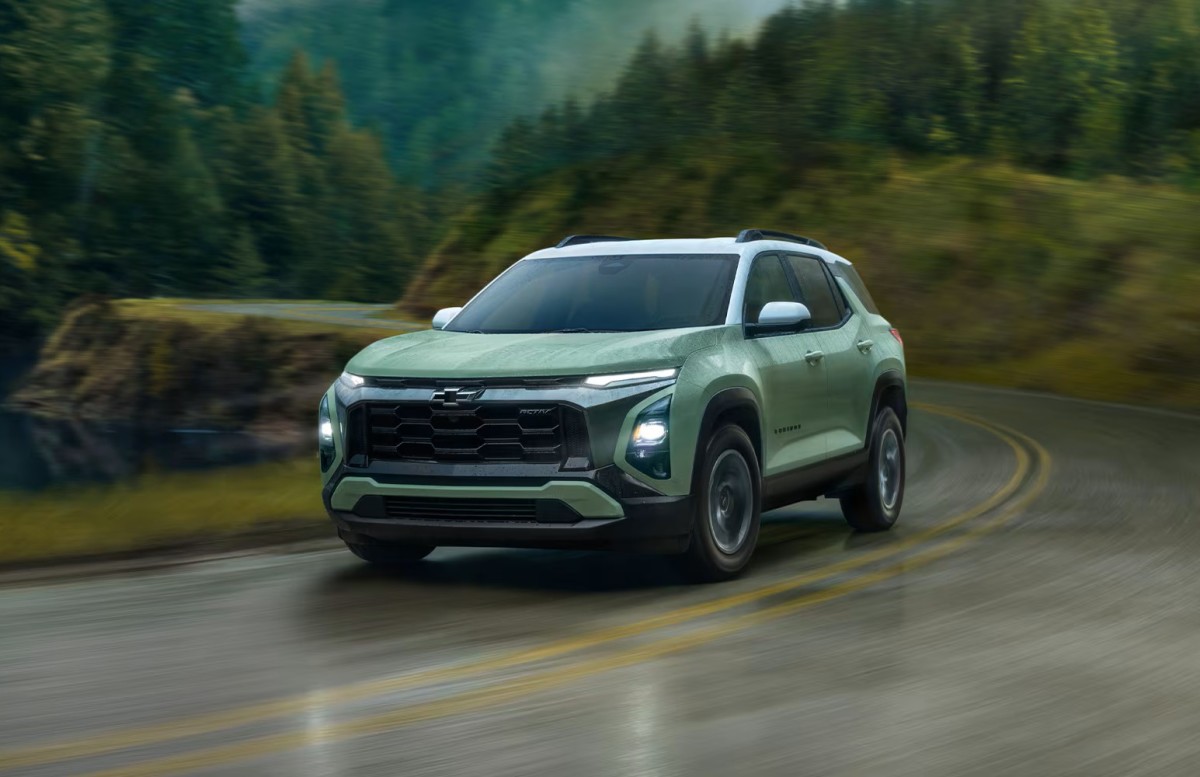
Chevrolet
It’s also very much about profitability. SUVs and trucks command significantly higher profit margins than sedans. A single sale of an F-150 or a Tahoe generates far more revenue for automakers than multiple sedan sales combined. When Ford announced its sedan exit, executives noted they could redeploy resources to more profitable segments and invest in emerging technologies like electric vehicles and autonomous driving systems.
The competition from Asian and European manufacturers also factors into matters. Toyota, Honda, Hyundai, and others have dominated the sedan market for decades, establishing reputations for style, reliability, and value that American brands struggled to match. Rather than continue fighting an uphill battle in a shrinking segment against entrenched competitors, American automakers chose to pivot to segsments where they held competitive advantages and stronger brand equity.
The missed opportunity argument
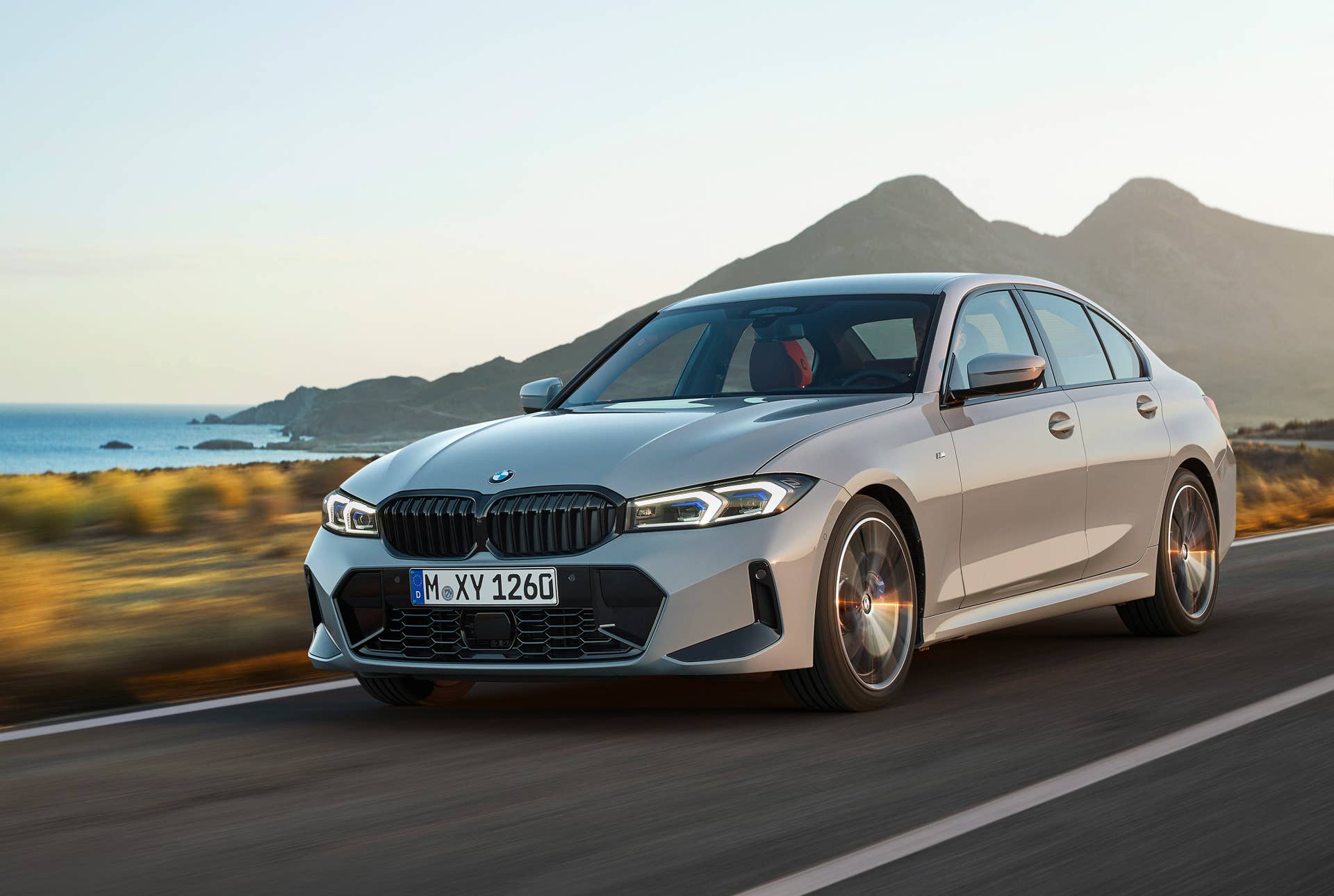
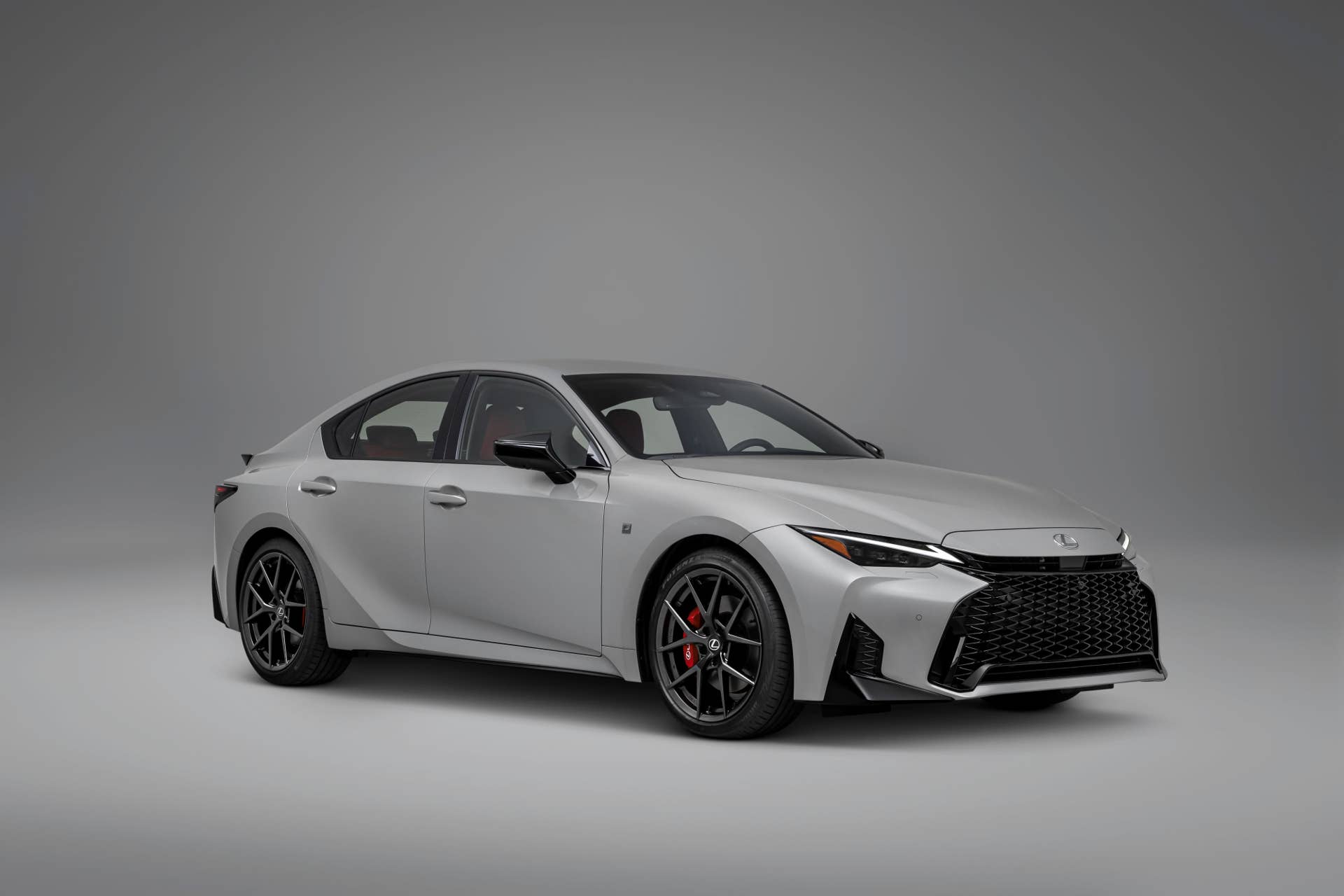
Despite the apparent logic, some critics argue that abandoning sedans represents a dangerous shortsightedness that could haunt these manufacturers in the coming years. In the premium market, all three German automakers are still committed to sedans. Genesis and Lexus are faithful in this regard, too. Lexus may have killed its big LS sedan, but it’s hanging on to the IS sedan, even after announcing it would be no more after 2025. The sedan market, while diminished, hasn’t disappeared.
Theoretically, the tide could shift back toward sedans due to an oversaturated SUV market. The cyclical nature of the automotive market highlights this concern. Consumer preferences are notoriously fickle. Gas prices fluctuate, and environmental consciousness continues to grow. What happens when fuel costs spike again, as they did in 2008?
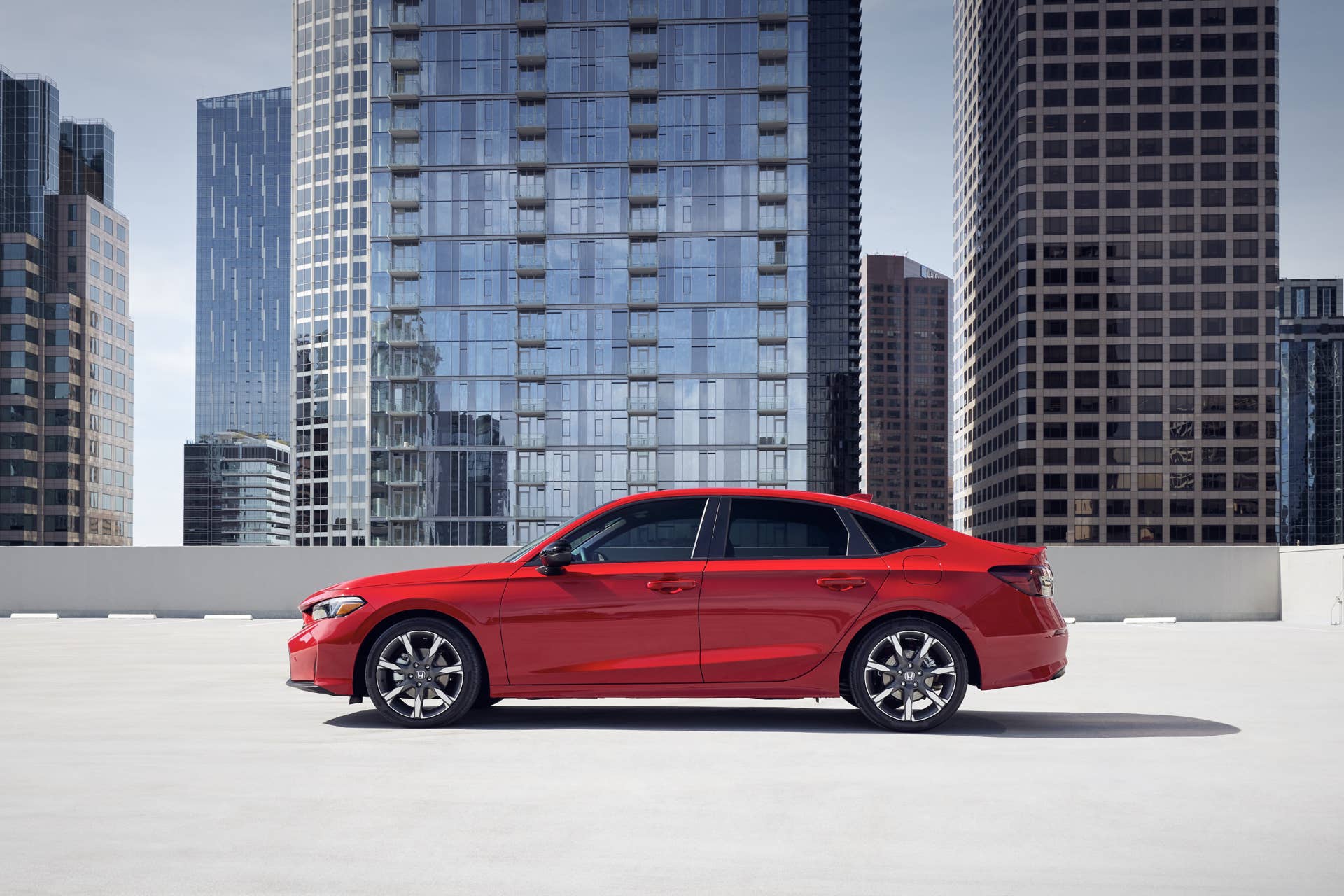
Honda
For example, a Honda Civic Hybrid gets 9 mpg better than the CR-V Hybrid in combined driving. What happens when younger generations prioritize efficiency and environmental impact over size and utility? Automakers without sedan offerings could be unprepared to meet these shifting demands, leaving them scrambling to reintroduce models while competitors already own the market. Having just a single sedan in a manufacturer’s lineup means the brand isn’t completely ignoring one type of buyer.
Final thoughts
The reality is that there’s no universal answer to whether abandoning sedans represents brilliance or foolishness. For some manufacturers, it’s probably the right move. Ford’s truck heritage and dominant position in the pickup segment make its SUV-centric strategy logical. However, the complete abandonment of sedans across multiple brands simultaneously feels like a categorical risk. Not every brand has the same heritage, customer base, or competitive positioning. Maintaining limited sedan offerings for entry-level buyers while emphasizing more profitable vehicles might deliver the best of both worlds.