

Manual transmissions still have their purpose
In a world dominated by continuously variable transmissions (CVTs), dual-clutch transmissions (DCTs), and sophisticated automatics, the manual transmission feels a bit anachronistic. Among today’s sea of tech-laden gearboxes, it remains one of the oldest, simplest, and most engaging ways to drive your car.
Ford
There was a time when nearly every small car and pickup truck came with a manual. Many classic sports cars demanded a driver who knew how to shift properly. Now, that mechanical bond is becoming rare. Today, only about one percent of new vehicles sold in our market come with a manual transmission, a sobering statistic for those who still love to “row their own.” Automakers like Mini and Chevrolet have dropped manuals entirely, while others limit them to niche trims or performance models.
For enthusiasts, that’s a sad state of affairs. But for learners, it’s still not too late. Driving a manual transmission can be deeply satisfying, and choosing the right car can make the experience fun rather than frustrating. Learning the basics might take a day; mastering them in traffic, on hills, and in bad weather takes much longer. Here’s how to choose the right car, and a few top picks, for learning the lost art of the stick shift.
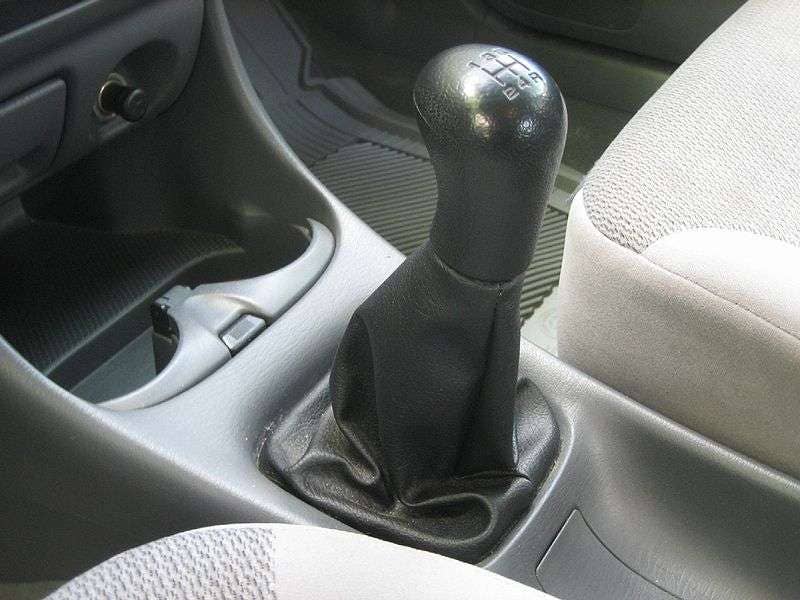
Why drive a manual?
Despite the convenience of modern automatics, there are plenty of reasons why drivers still prefer manuals:
- Connection and control: A manual transmission gives you direct engagement with the car—every gear change is a decision, not an algorithm.
- Driving enjoyment: Many enthusiasts claim nothing beats the rhythm of a perfect shift through a winding road.
- Performance tuning: Some cars, especially lightweight sports cars, feel quicker and more alive with a manual.
- Old-school necessity: Many older vehicles, from vintage Porsches to classic pickups, only come with a manual.
- Better security: Believe it or not, many car thieves can’t drive stick, making it an unlikely but effective theft deterrent.
- Fuel efficiency (in select cases): Depending on the engine and gearing, a manual can still edge out its automatic sibling in mpg.
Even though manual transmissions are disappearing, you can still find new cars, trucks, SUVs, and even supercars that proudly retain three pedals. Click here for a list of 2025 and 2026 vehicles that still offer a manual transmission in our market.
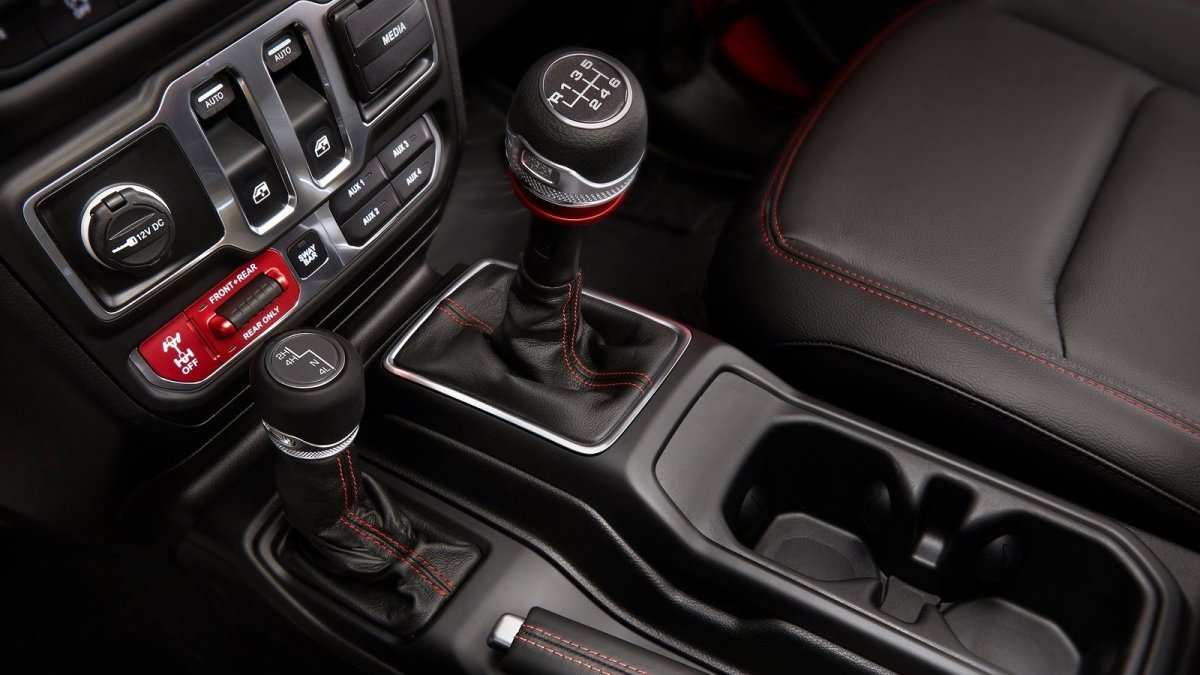
What makes a good manual-learning car
If you’re new to shifting, not all manual cars are created equal. The best vehicles for learning share a few key traits:
- Light, forgiving clutch pedal that’s easy to modulate.
- Short, predictable gear throws to reduce missed shifts.
- Compact size and good visibility, so you can focus on clutch timing instead of fender corners.
- Affordable upkeep, because you’ll likely wear out your first clutch faster than a seasoned driver would.
- Used availability, since manuals are fading fast from new-car lineups.
The best cars for learning manual
Mazda MX-5 Miata
Mazda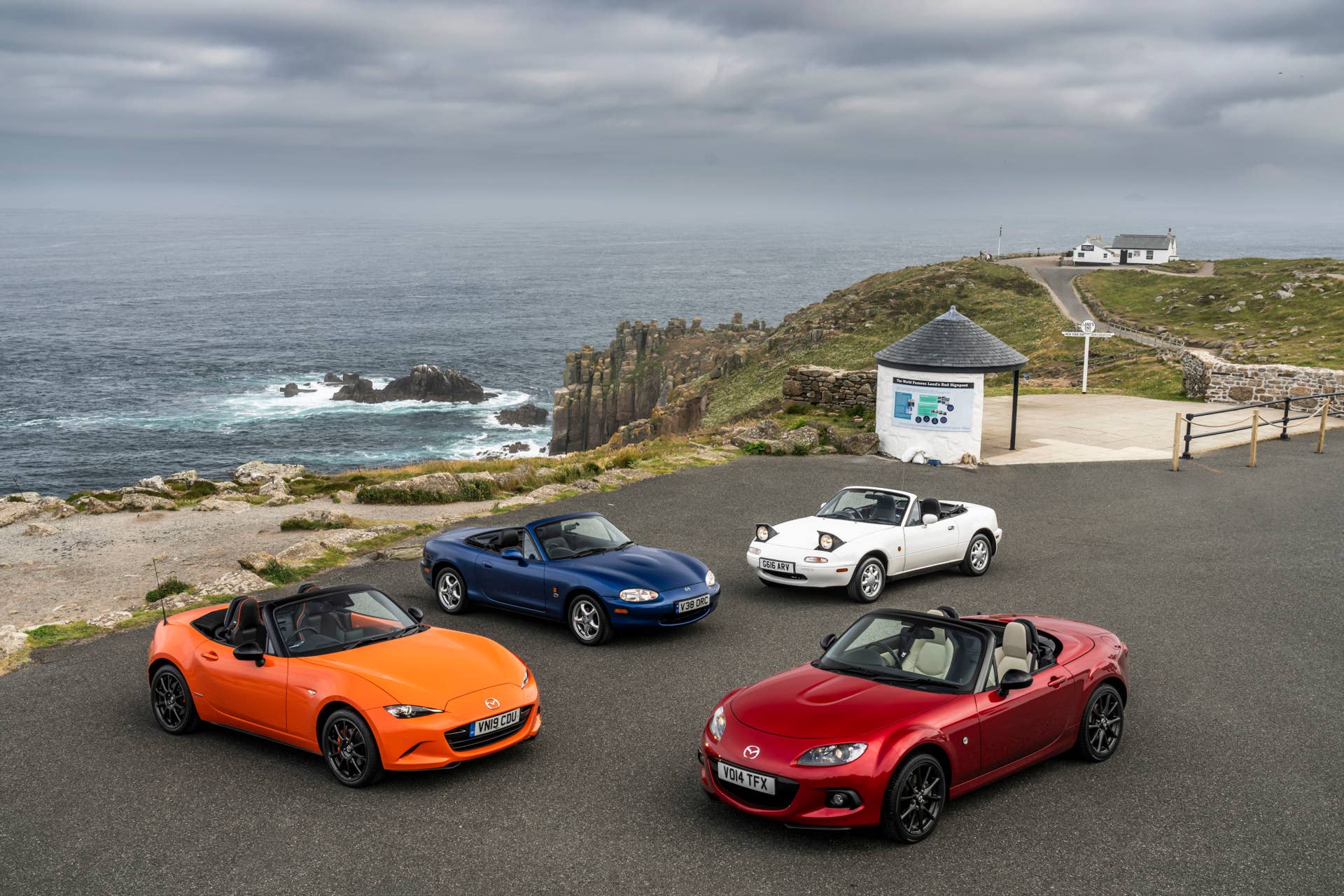
Widely considered the gold standard for manual transmissions, the Miata offers light clutch action, precise throws, and intuitive gear engagement. It’s compact and communicative, ideal for learning and mastering your timing.
Honda Civic Si (or Type R)
Honda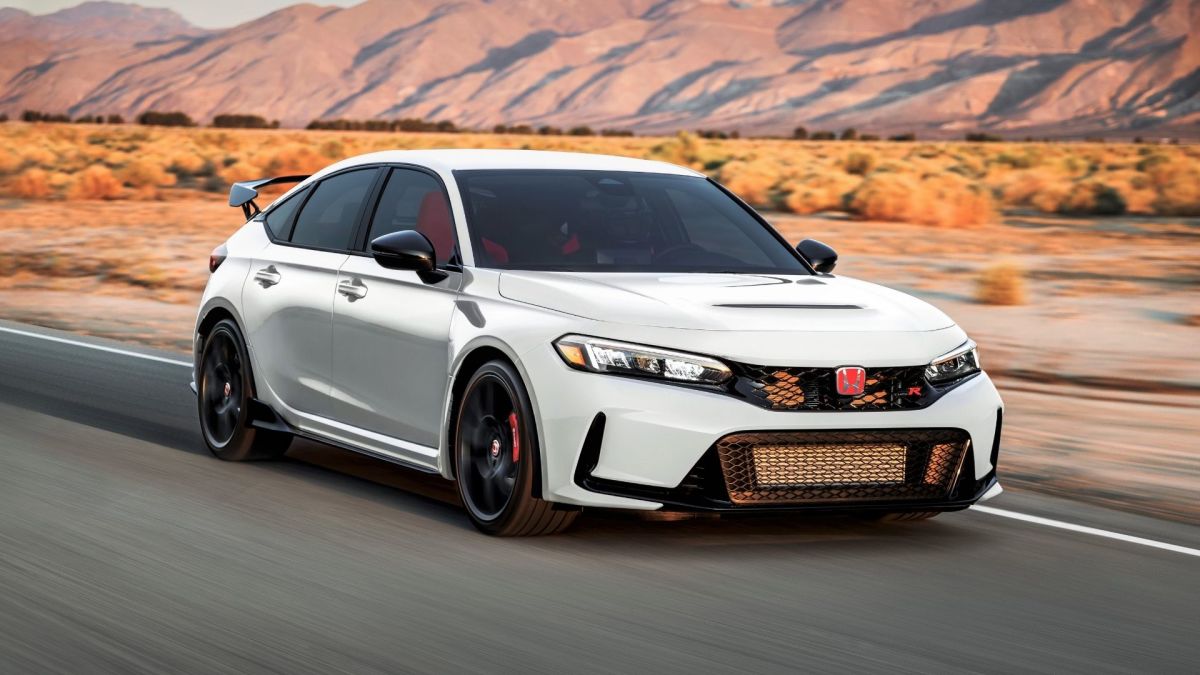
The Civic Si is arguably the easiest front-wheel-drive manual to learn on. It has a roomy footwell, a buttery-smooth shifter, and forgiving clutch engagement. The Type R takes things up a notch with more performance focus, but it’s slightly heavier to drive. No automatic transmission is offered on either vehicle.
Jeep Wrangler (and Gladiator)
Jeep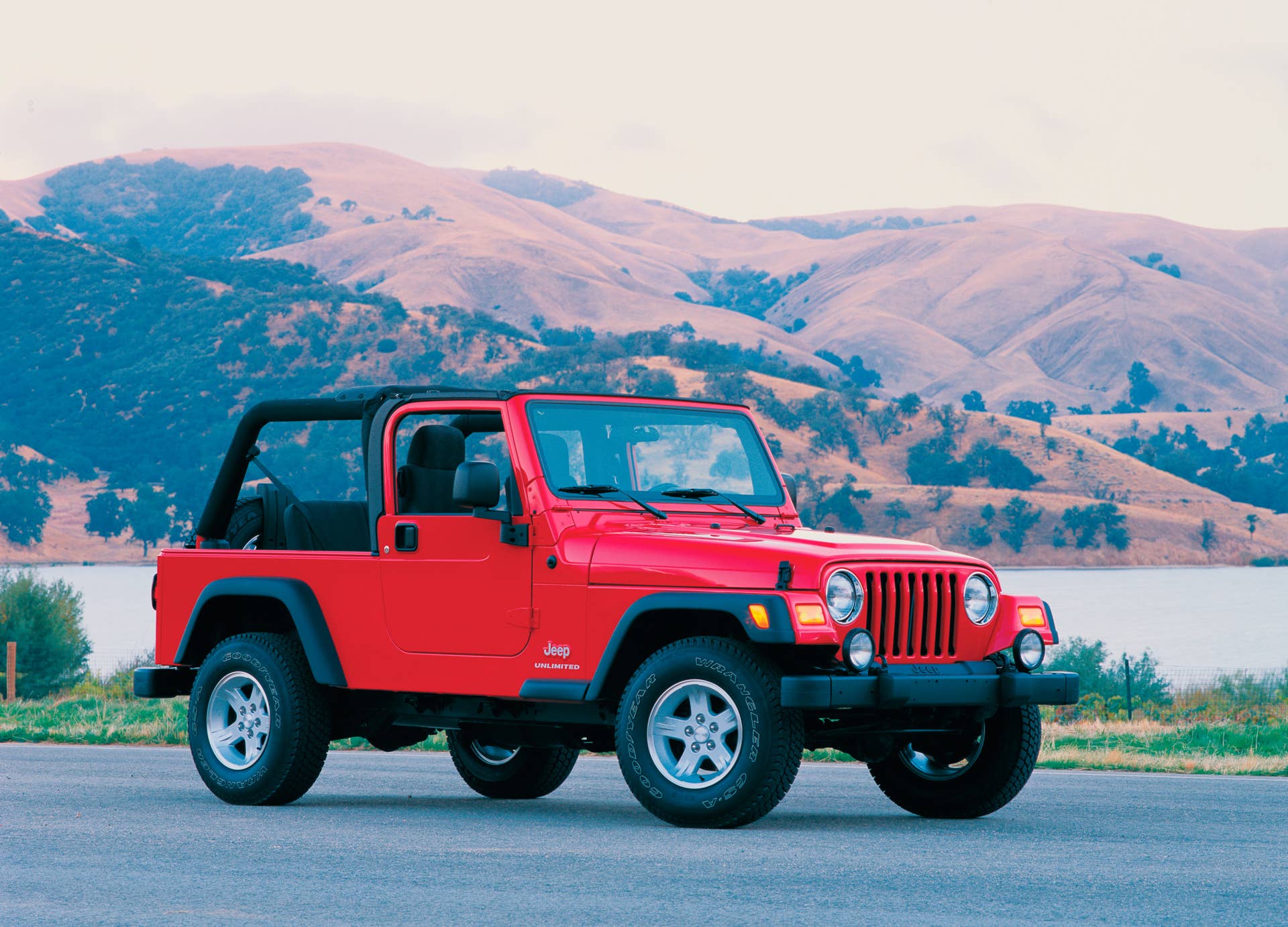
The Wrangler’s V6 manual setup is simple, forgiving, and surprisingly easy to handle. The throws are long but predictable, and it won’t stall easily. It’s a great way to learn if you want something rugged, and you can even take it off-road once you’ve got the hang of it.
Volkswagen Jetta/Golf/GTI/GLI
John Beltz Snyder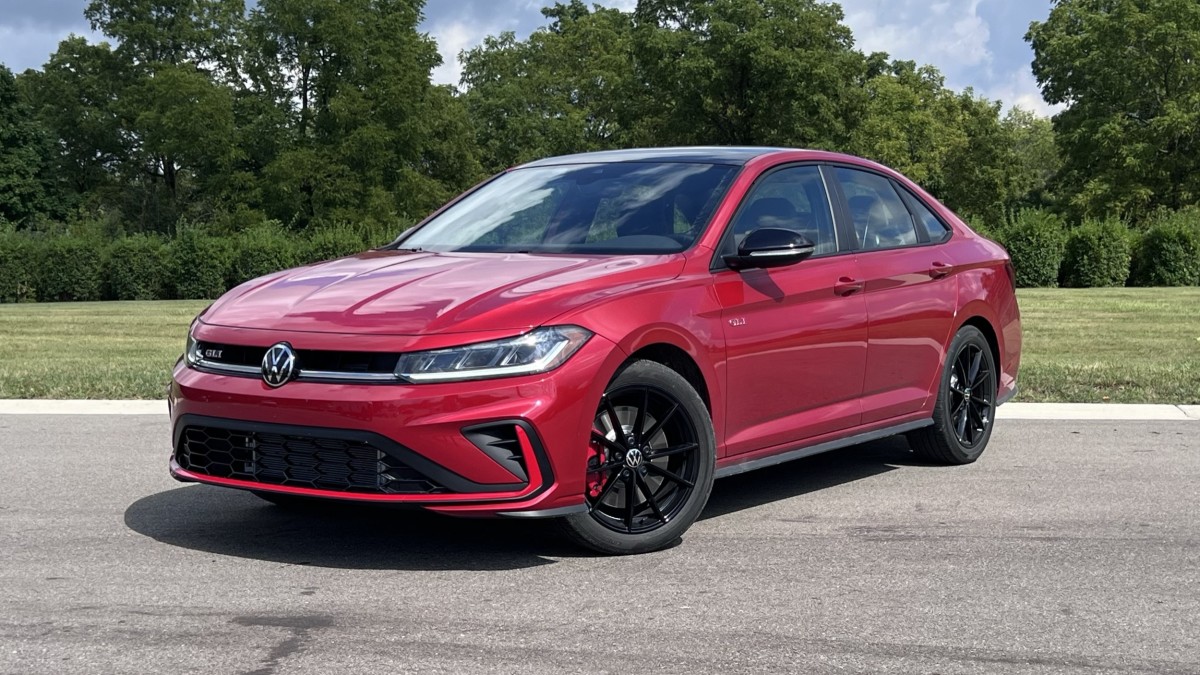
VW’s manuals are approachable and refined, with lightweight clutches and clear gates. The GTI and GLI are the most rewarding, but older Golfs and Jettas make excellent budget-friendly choices.
Ford Mustang GT (or older EcoBoost)
Ford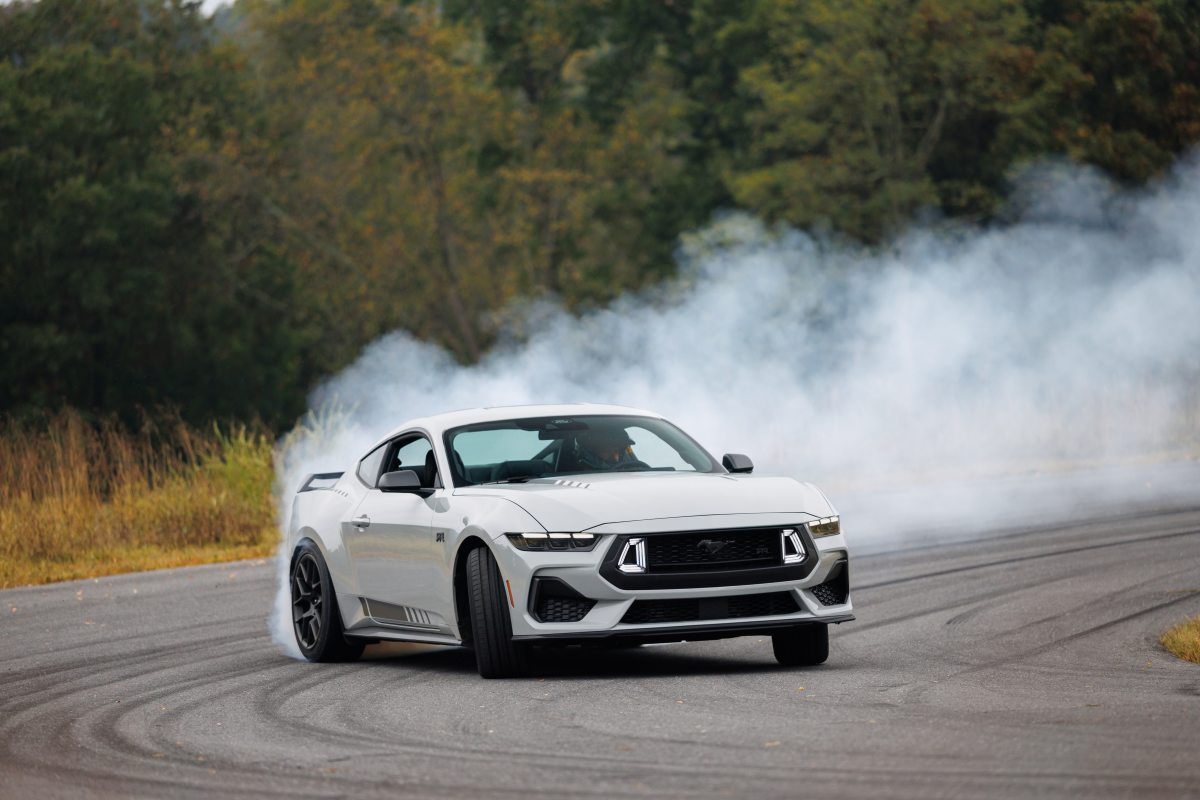
The Mustang’s manual transmission offers old-school fun with modern feedback. The clutch is weighty but progressive, and you can feel and hear the ideal RPM for every shift. Sadly, Ford has dropped the manual from the 4-cylinder EcoBoost trims, but the V8 GT still carries the torch.
What to watch for before buying a used manual
- Clutch wear: Ask for replacement history. If you smell burnt clutch material during a test drive, walk away.
- Shift pattern quirks: Older manuals sometimes have unique reverse positions or locking plungers; know what you’re getting.
- Shifter feel & linkage: A clean, direct feel is crucial. Grinding, sticking, or popping out of gear indicates trouble.
- Maintenance history: Manuals last for decades with proper care; service records are your friend.
- Mileage vs. abuse: High mileage isn’t fatal, but hard-driven sports cars may have hidden wear.
- Parts availability: Some rare or discontinued models can make finding clutch kits or linkages tricky.
- Modified transmissions: Be wary of “short-throw” or “race-clutch” mods; they may indicate aggressive driving.
- Test-drive essentials: Start on a hill, shift through all gears, and listen for noises or slipping.
My top pick for beginners
Mazda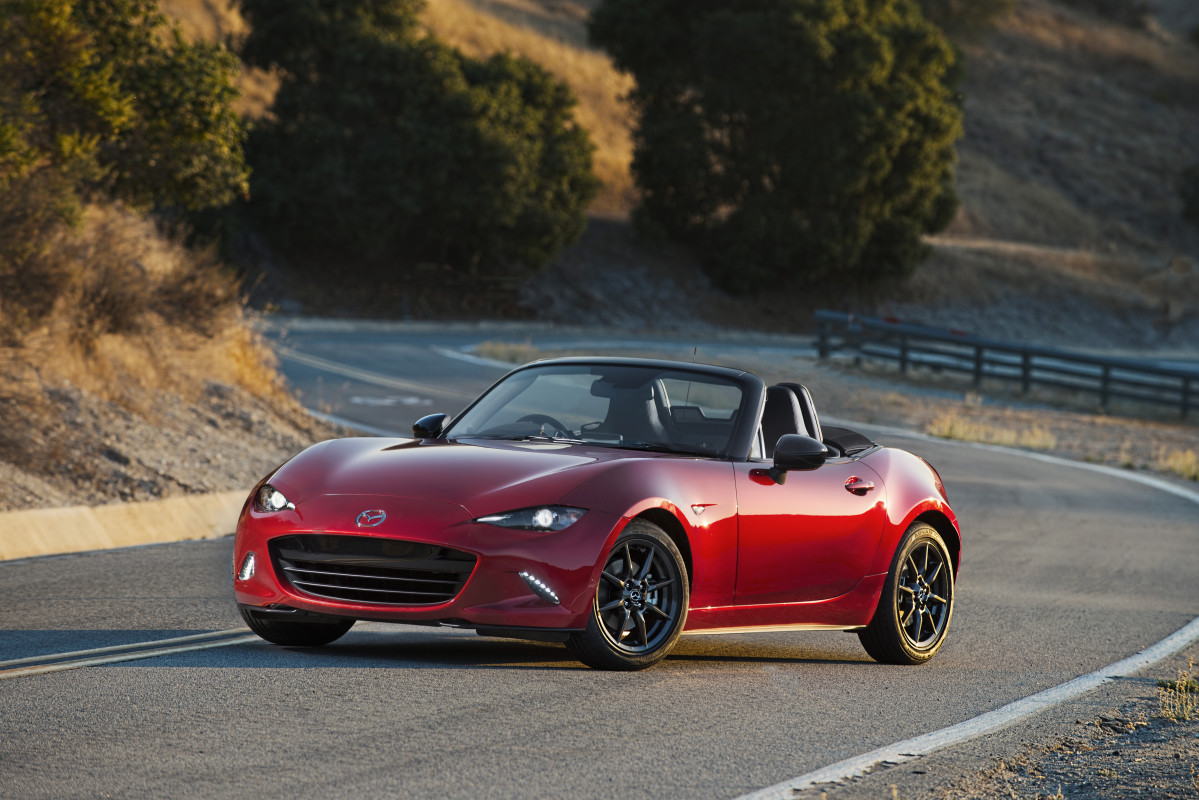
If I had to choose one all-around winner, it would be the Mazda MX-5 Miata. It’s light, simple, and intuitive, everything a beginner needs to learn the fundamentals while still having fun. If your budget is tighter, a used Honda Civic Si is a close second, since it’s reliable, affordable, and rewarding to drive. If you want something taller and more forgiving, the Jeep Wrangler or Toyota Tacoma offers a more relaxed, rugged way to learn the art of manual driving, one clutch kick at a time.