

How modern car design lost its sense of proportion, simplicity, and timelessness
Walk through any dealership lot or scroll through most new car lineups today, and you’ll notice that simple is out and overstyling is in. Huge grilles, complex lighting elements, massive creases, and all manner of design busyness dominate. Once upon a time, elegance was achieved through proportion, balance, and subtle details. It seems you can’t design a new car today without screaming for attention.
BMW
Automakers are designing cars for the digital age, where a thumbnail on a smartphone has to grab your attention instantly. Classic styling, timeless designs that defy aging, and restraint are no longer the tools of the designer, and it’s palpable across the industry. While there are some designs that give us hope, the rest of the field is rife with in-your-face styling that’s trying to get everyone’s attention, and there’s even been some sales backlash as a result.
The lost virtue of simplicity
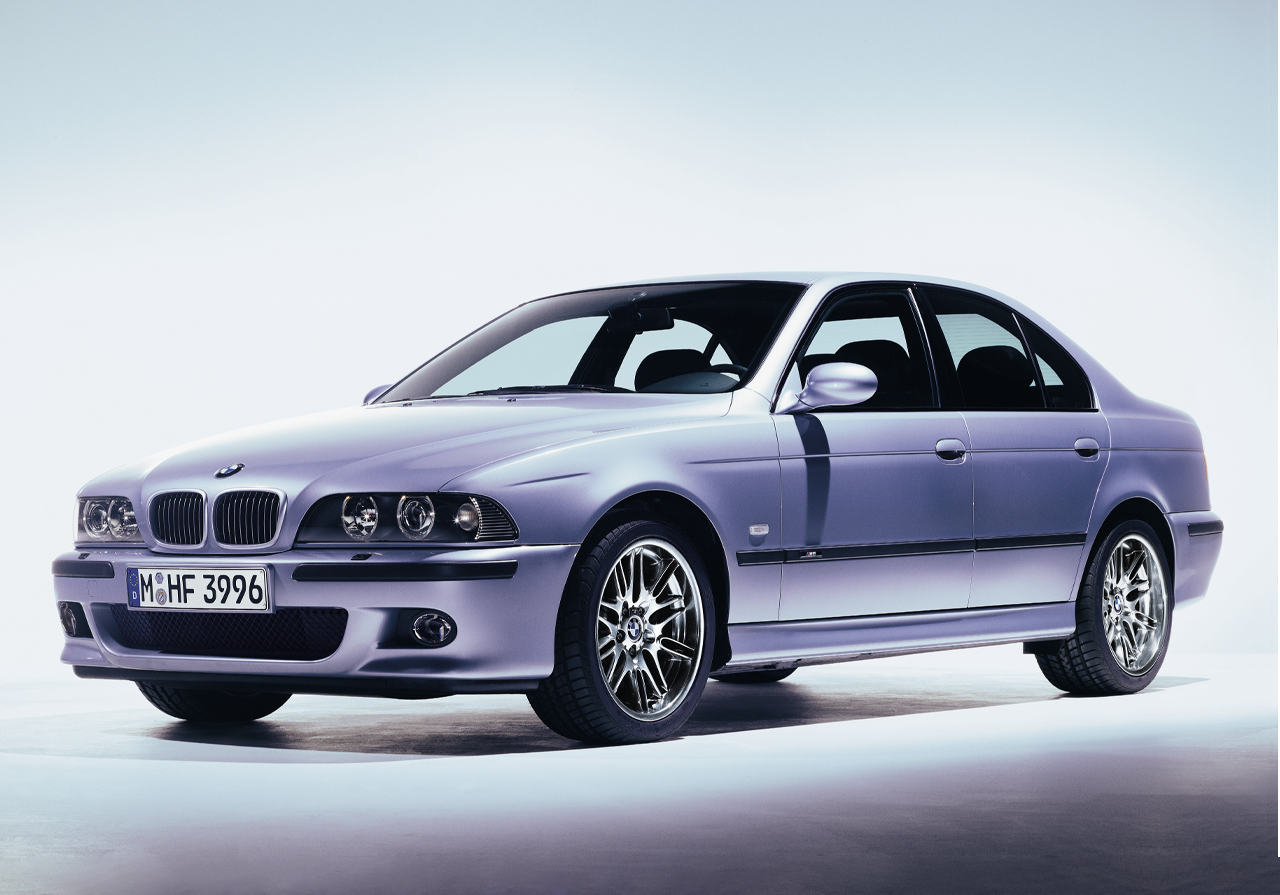
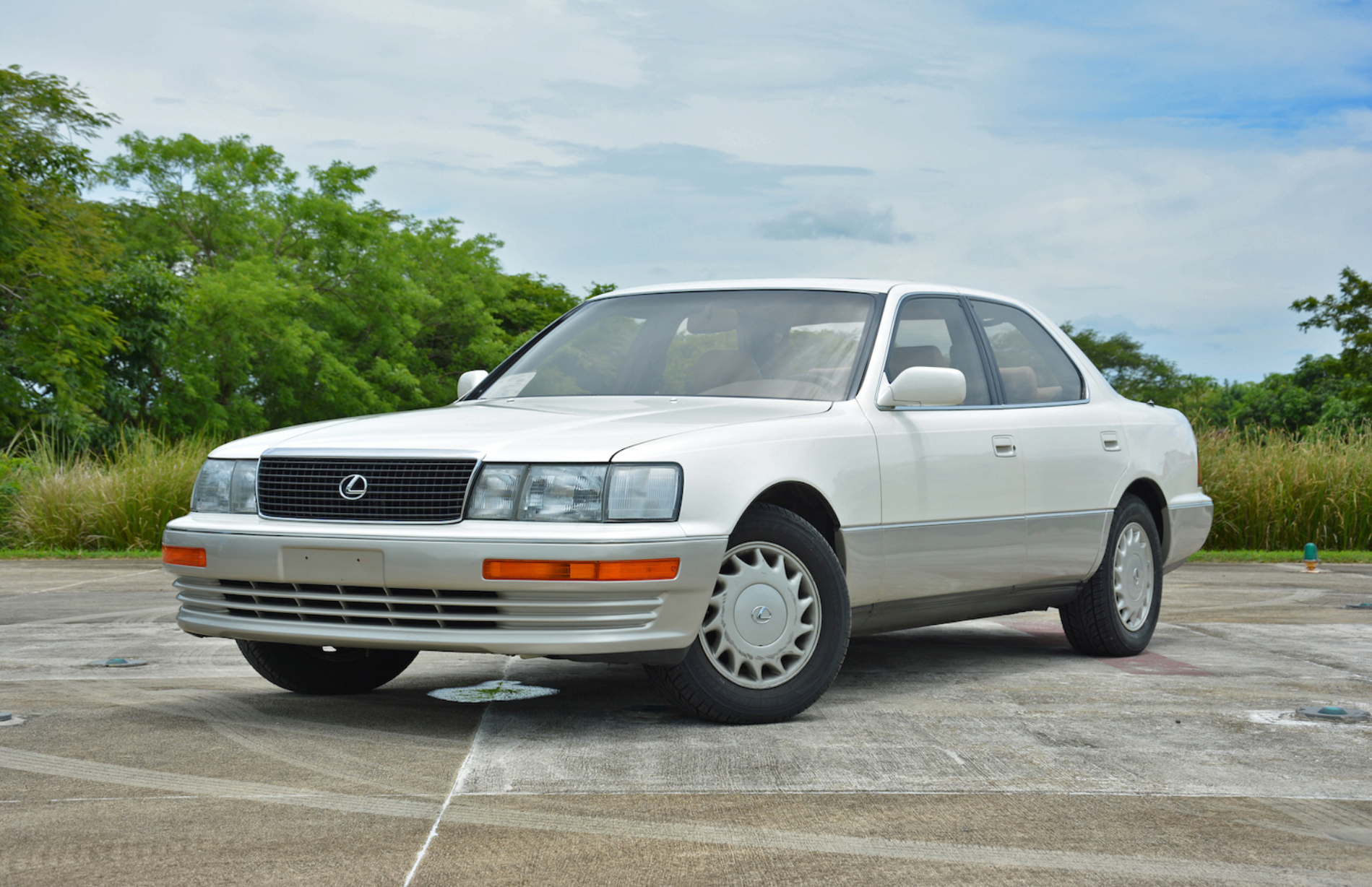
You can tell a great design because it still looks incredible years later, decades even. Some examples that come to mind are the E39 BMW 5 Series, the original Audi TT, or the first-generation Lexus LS 400. Some would call the old LS 400 boring, but its clean lines and simple forms equate to timelessness. If you’re lucky enough to see one of these drive down the road today, it’s simply beautiful in an understated way. The same goes for the Bauhaus-themed TT. These cars had a clarity of form, a disciplined restraint that made every line feel purposeful. Designers focused on proportion and surfacing rather than decoration. They exuded confidence, not arrogance.
Today’s designs, by contrast, are generally less about cohesion and more about dramatic elements that catch the eye. The front end of nearly every SUV looks like it’s trying to devour traffic. The sides are festooned with character lines fighting for attention, and the rear ends are over-styled with plastic cladding, floating roofs, and faux diffusers that are meant for visual drama. Simplicity has become synonymous with “boring” in design studios, but that’s an approach that can’t hold up to the test of time.
The grille problem
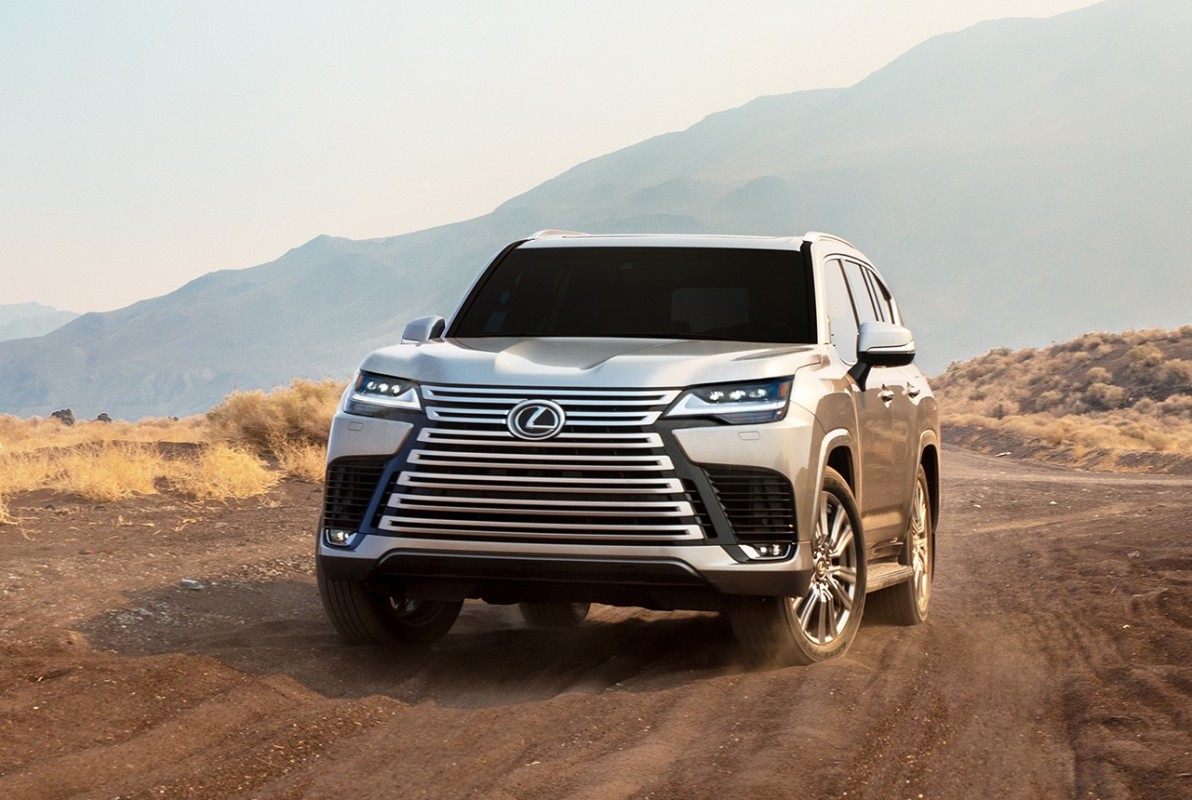
No discussion of modern design excess would be complete without mentioning the grille epidemic. It feels like it’s impossible to make them any larger unless you remove the headlights. Some automakers, like Hyundai, have built lighting elements into the grille in order to get more real estate. BMW’s ginormous bucktooth grilles, Lexus’s dominant spindle designs, and every expansive grille found on full-sized SUVs like the Escalade, Navigator, and the Yukon are all symptoms of a disease: more is always more. The grille used to be a brand signature, a face that reflected mechanical purpose. Now it’s about size and visual drama. Make it bigger, and they will come.
Cadillac
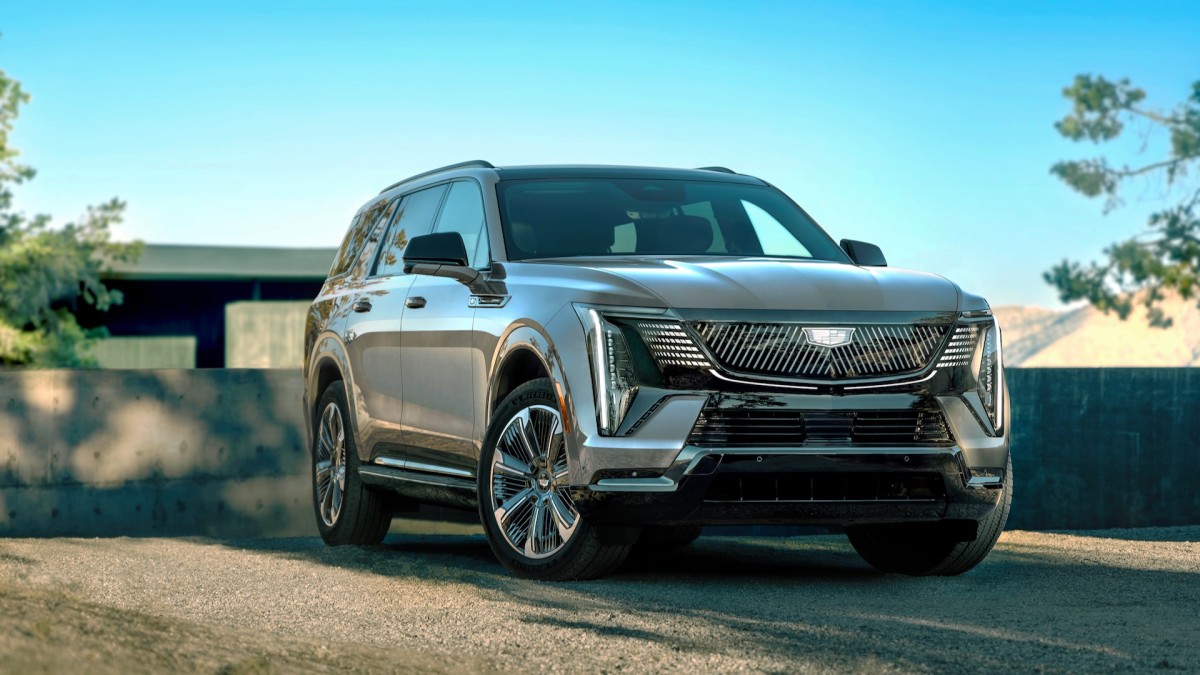
Electric vehicles should have given rise to a new era that saw the decline of the oversized grilles because cooling an engine was no longer a requirement. With no radiators to feed, designers were free to reinvent the face of the car. Instead, some EVs go at it even harder. Case in point, the overdone Escalade IQ’s grille. Not only is it huge, but it’s also busier than anything we’ve seen on a modern SUV. What could’ve been a renaissance of minimalist, aerodynamic forms has turned into a showcase of fake openings, heavily texturized surfaces, and LED festoonery.
Lessons from the past
Acura
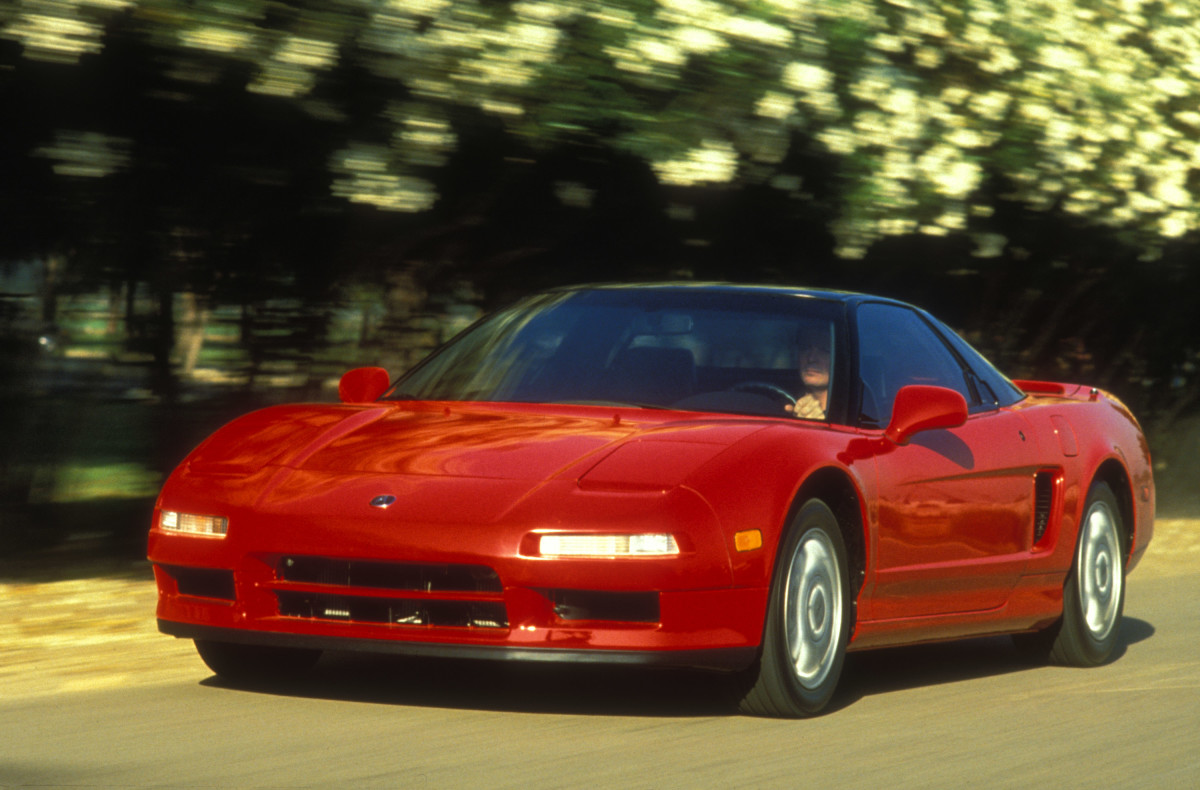
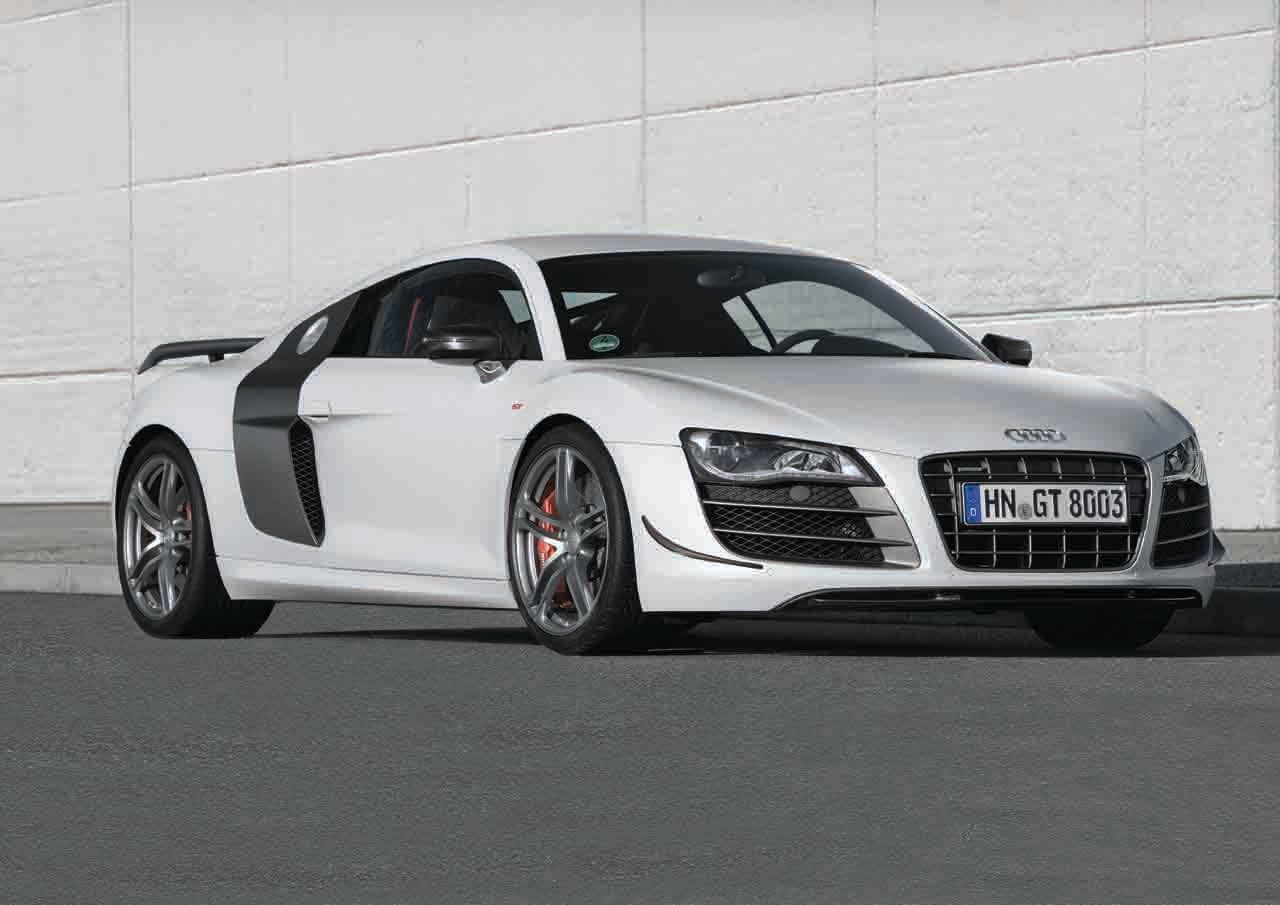
True design icons didn’t need overstyled design elements. Cars like the boxy original Volkswagen Golf, the svelte W124 Mercedes E-Class, and the refined Jaguar XJ6 were designs that all had clarity of purpose and great proportions. Even in performance cars, the greats such as the Porsche 928, Acura NSX, and the first-generation Audi R8 balanced power with poise. Aside from the large grille and intakes, the R8 exuded simple beauty. Later versions went more angular and more dramatic, adding aggression but losing restraint.
These designs endure today because they didn’t bow to trends the way modern cars do. They were grounded in geometry, harmony, and an understanding that design cohesion is far more important than a single bold styling cue. Designers must also be empowered to push back against marketing departments obsessed with “visual impact.” The best design leaders from Giorgetto Giugiaro to Ian Callum knew when to stop. The courage to delete is what separates good design from great. Perhaps we should all blame BMW’s Chris Bangle for bringing his “flame surfacing” to just about every automaker in the world today. Here are some of the worst modern offenders and what makes them such egregious examples.
Today’s worst offenders
BMW XM
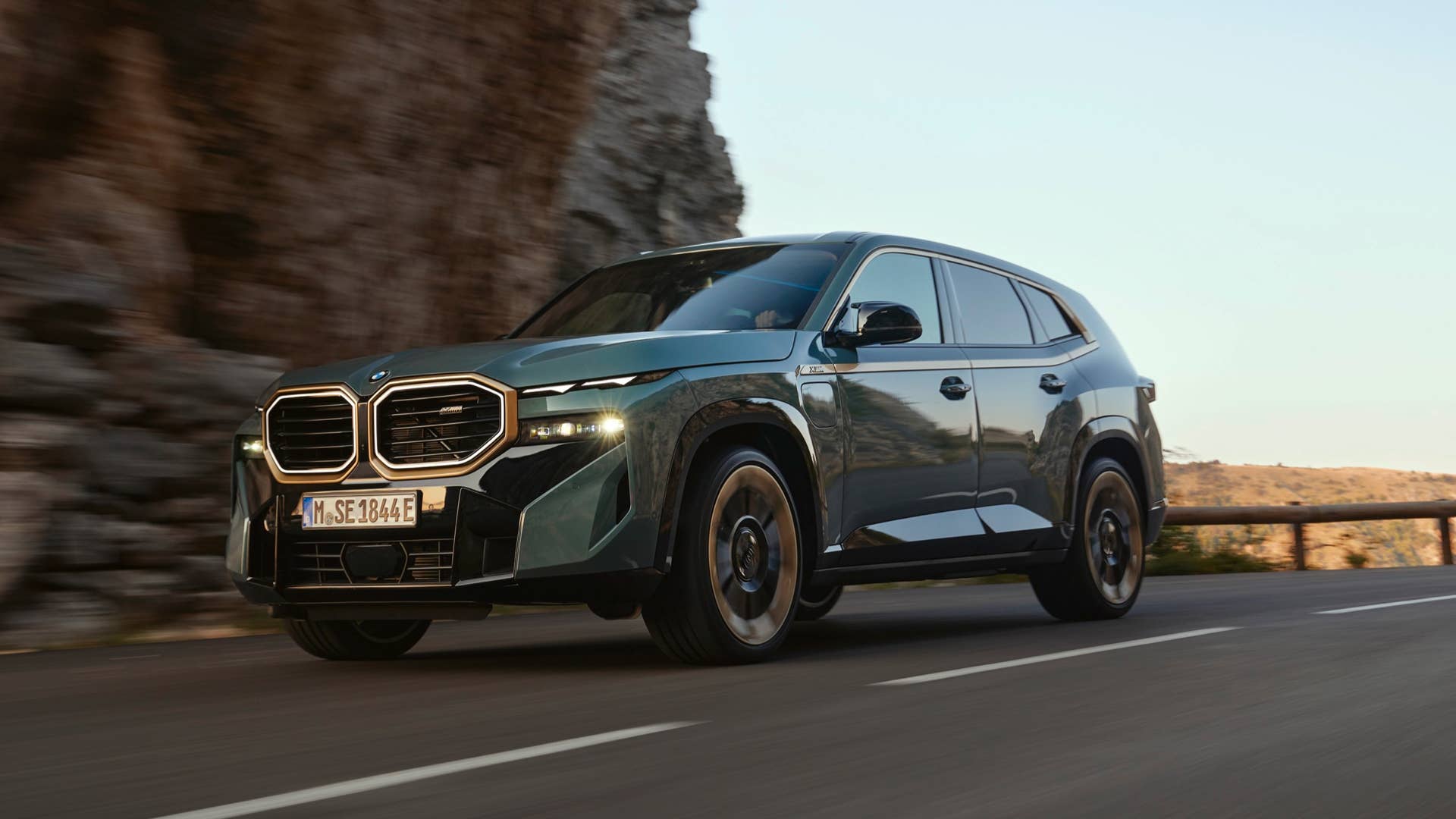
BMW made a huge mistake with its flagship XM SUV. The XM is a halo vehicle for the M sub-brand, and as such, it’s allowed a degree of flamboyance. It is, however, design overkill when compared to the first dedicated BMW Motorsport-built M1 supercar, whose design is iconic and still handsome today. The crazy XM pushes past flamboyance into visually offensive territory with a grille that looks more like robotic Mandrill nostrils than kidneys. The split headlight/DRL clusters, intake fins, contrasting window surrounds, jutting rear glass, and the octagonal stacked tailpipes all contribute to a look that’s a visual overload. Should anybody wonder why it’s not selling, I mean, aside from the $160k price tag?
Tesla Cybertruck
Tesla
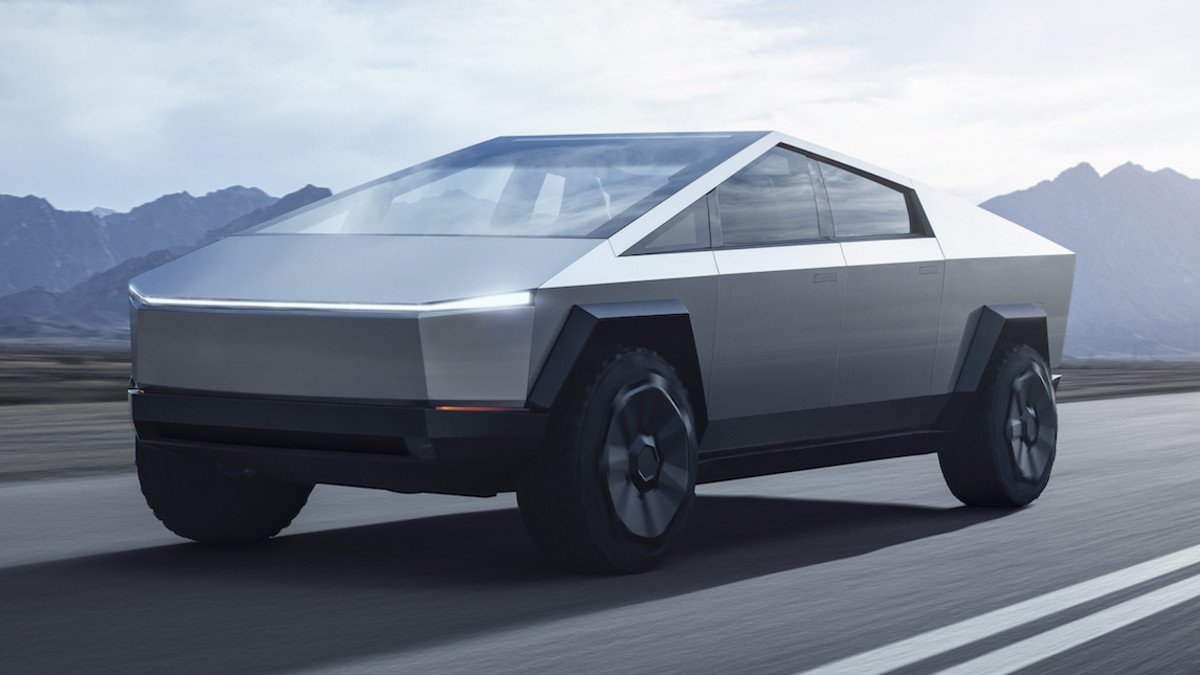
Although this year’s most polarizing vehicle isn’t overdone with a big grille or dramatic headlights, its hard shapes and creases (combined with its sheer size) scream extremism. The Cybertruck’s angular, faceted, flat-plane look is jarring in contrast to nearly every other vehicle on the road. Its “low polygon” style eschews every curve (except for the wheels), leading to something that many describe as more concept car than everyday utility vehicle. The decision to keep flat stainless steel panels with sharp corners was intended as a radical departure, but the result is overwhelming. Rather than futuristic, the Cybertruck is garish, behemothic, and ugly. It’s a $70,000, 22nd-century avant-garde dumpster. The contrast between the Cybertruck and the handsome Model S couldn’t be more stark.
Lamborghini Urus
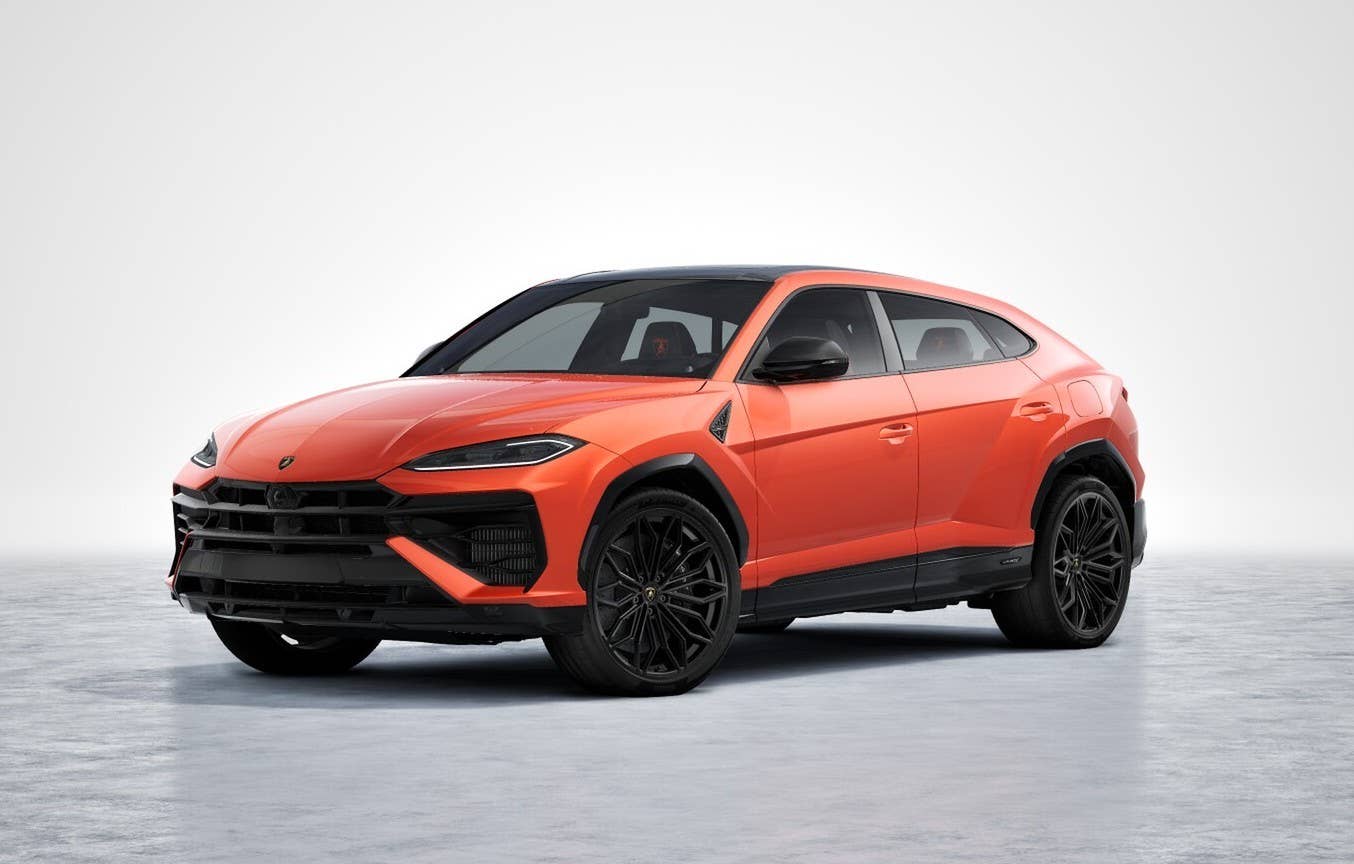
Lamborghinis are supposed to be noticeable. Some are stunning like the Miura, Countach LP400, Murciélago, Huracán, and the current Temerario. The Urus, however, isn’t one of them. For 2025, Lamborghini introduced the Urus SE, meant to replace some of the more extreme variants but still carrying a front end “that isn’t quite so brash” along with a mesh-backed taillight assembly as a nod to earlier Lamborghini models. Even with toned-down styling, the Urus still looks overdone thanks to the angular fenders, exaggerated intakes, aggressive creasing, and pronounced haunches. The redesign tweaks aim to mute some extremes but don’t fully purge the overly aggressive look.
Brands that still get it
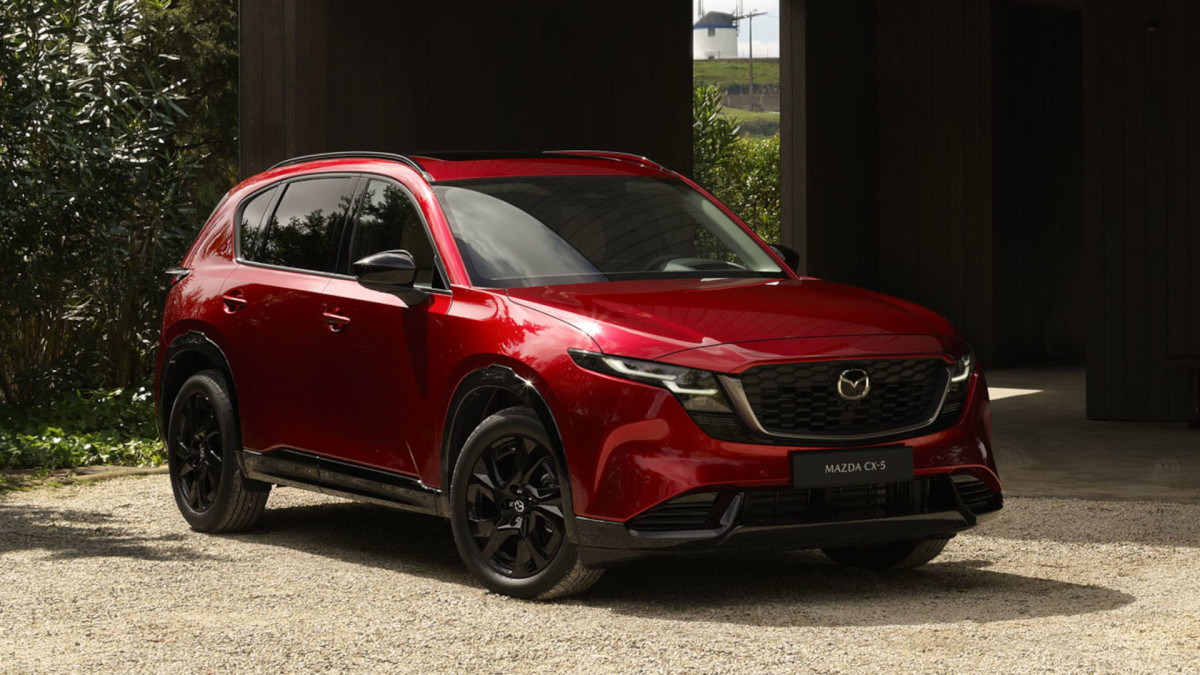
Mazda
All hope isn’t lost, though. There are exceptions to the rule that more is more, with manufacturers and models that counter the tsunami of styling chaos. Mazda’s “Kodo” design language, for example, has championed graceful simplicity for over a decade. The CX-5, MX-5 Miata, Mazda3, and even the latest CX-70 show that emotional design doesn’t need excessive ornamentation. Each surface flows into the next with purpose, and there’s restraint in every curve. Even the redesigned CX-5 exhibits restraint and evolutionary styling that eschews abrupt design pivots.
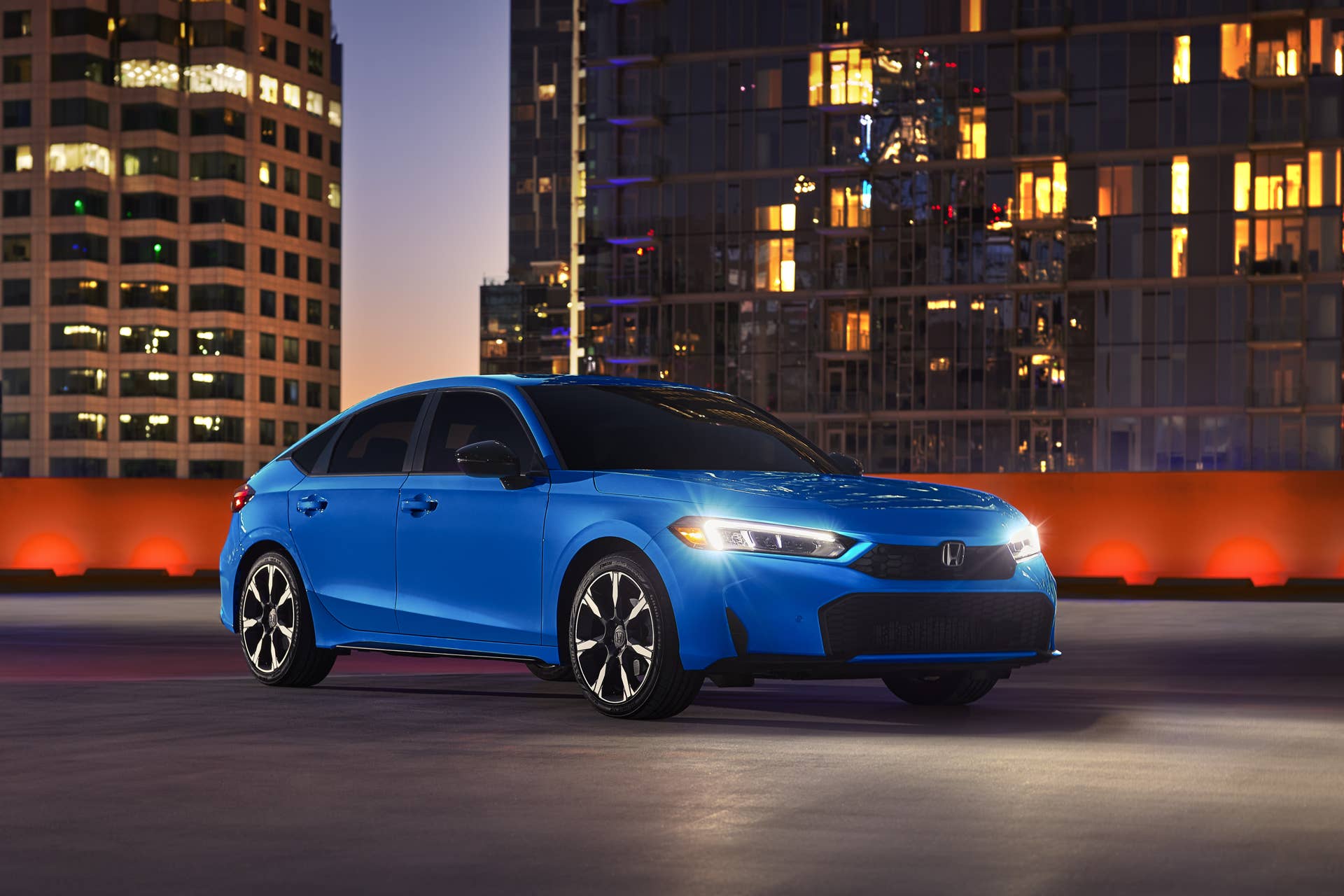
Honda
Honda is another automaker that has intentionally dialed back its styling drama. Case in point, the current Honda Civic that exhibits far more restraint than its overdone predecessor. The Civic in both sedan and hatchback forms looks clean and unobtrusive, with excellent proportions. The headlights and grille are simple and small, with the exception of a larger lower intake. The tail lights are equally as handsome and properly match the effort in the front. The simplicity even carries over to the high-performance Civic Type R. The old one was a steroidal origami of the worst kind, and while the current one is still aggressive, it’s restrained by just the right amount.

Porsche
Porsche is certainly one of the best when it comes to design restraint. None of Porsche’s designs have been overdone, and the German automaker actually dialed back some of its more dramatic styling elements. The taillights of the Cayenne, for example, have become more streamlined rather than the enormous and amorphous versions found on the first-gen Cayenne. The 911, of course, has remained pure and undistilled, keeping in the spirit of the original.
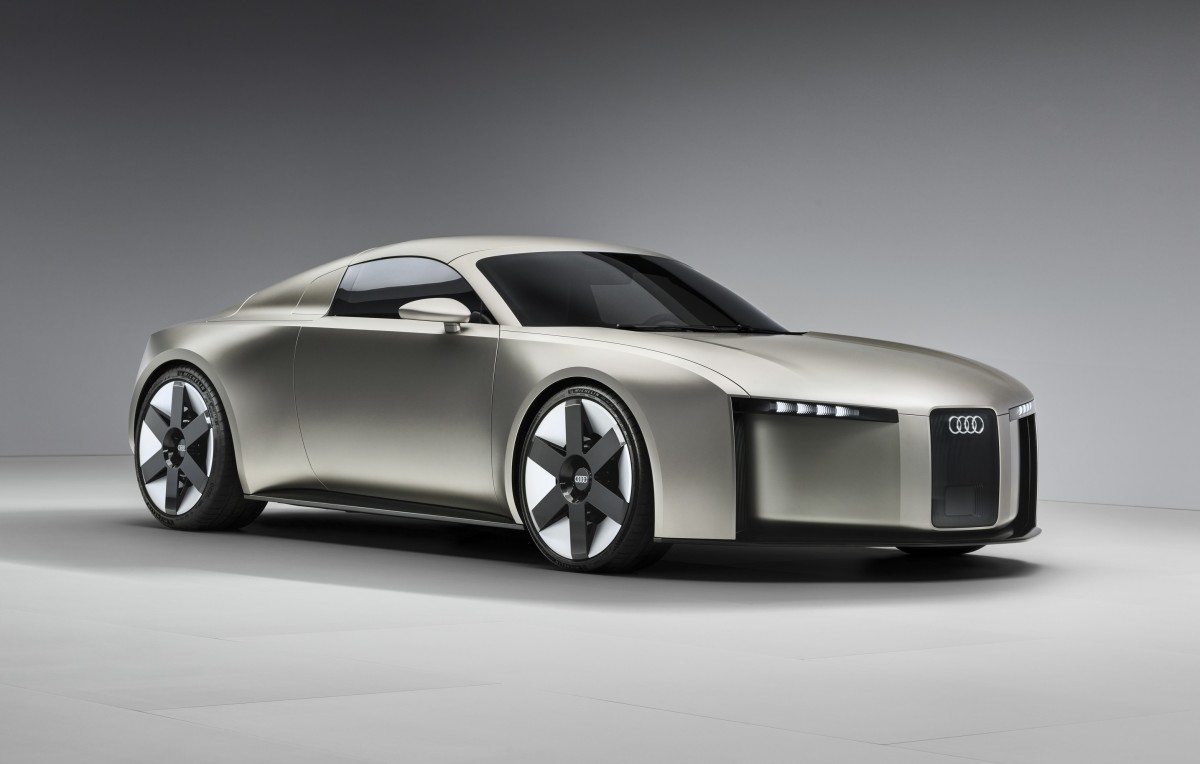
Audi, on the other hand, has some work to do. Some of its current offerings, especially its electric ones like the 2025 Q6 e-tron, have polarizing styling elements. Even the new Q5’s front end is a mish-mash of disparate shapes that don’t look cohesive. But the Audi Concept C that recently debuted is like a breath of fresh air with its smooth shapes and crisp lines. If this is what future Audis will look like, then sign us up. The proportions are right, and the lights, grille, and body are subtle to the point of beautiful cohesion. It might be presumptuous to think that the whole industry will head in this direction, but we can dream.
Final thoughts
The art of restraint isn’t about nostalgia; it’s about discipline and a recognition that the most iconic designs tend to be the simplest ones. Designers want to put themselves on the map by making cars arresting rather than timeless, and there’s less model consistency from generation to generation. It’s more about who’s going to be noticed more, and the result is usually polarizing. Let’s hope that the automakers showing restraint today will influence others.