

Rugged or practical? Honda’s two mid-size crossovers have different priorities
The Passport vs. Pilot comparison has become more interesting over the last year, since a new generation of the Honda Passport arrived. It’s now more distinct from the Pilot, with the two-row Passport receiving a macho makeover—most of its trims are rugged TrailSport models.
The three-row Honda Pilot has a softer look, a more versatile interior, and a broader range of trims. Both mid-size crossovers sit above the hot-selling CR-V, bringing with them more space and power. If you aren’t sure which one is best for you, this Honda Passport vs. Pilot comparison highlights five key differences between the two siblings.
1. Passport Has Two Rows, Pilot Has Three
2026 Honda Passport TrailSport
View the 4 images of this gallery on the
original article
This remains the key difference between the two crossovers. The Passport still seats just five occupants across two rows, while the three-row Pilot seats seven or eight, depending on the trim.
In the first two rows, both vehicles have abundant space; both have enough headroom and over 40 inches of legroom in both rows. Things are tighter in the Pilot’s third row, where there’s just 32.5 inches of legroom. Still, if you need to accommodate more than five occupants, the Pilot is the only answer.
As for which is bigger between the Honda Pilot or Passport, it’s unsurprising that the three-row model takes the lead here. The Pilot’s body is 8.4 inches longer, but the Passport is actually wider.
Related: 2025 Toyota Highlander vs. 2025 Honda Pilot: 3 Key Differences
2. More Rugged Passport Gets Standard AWD
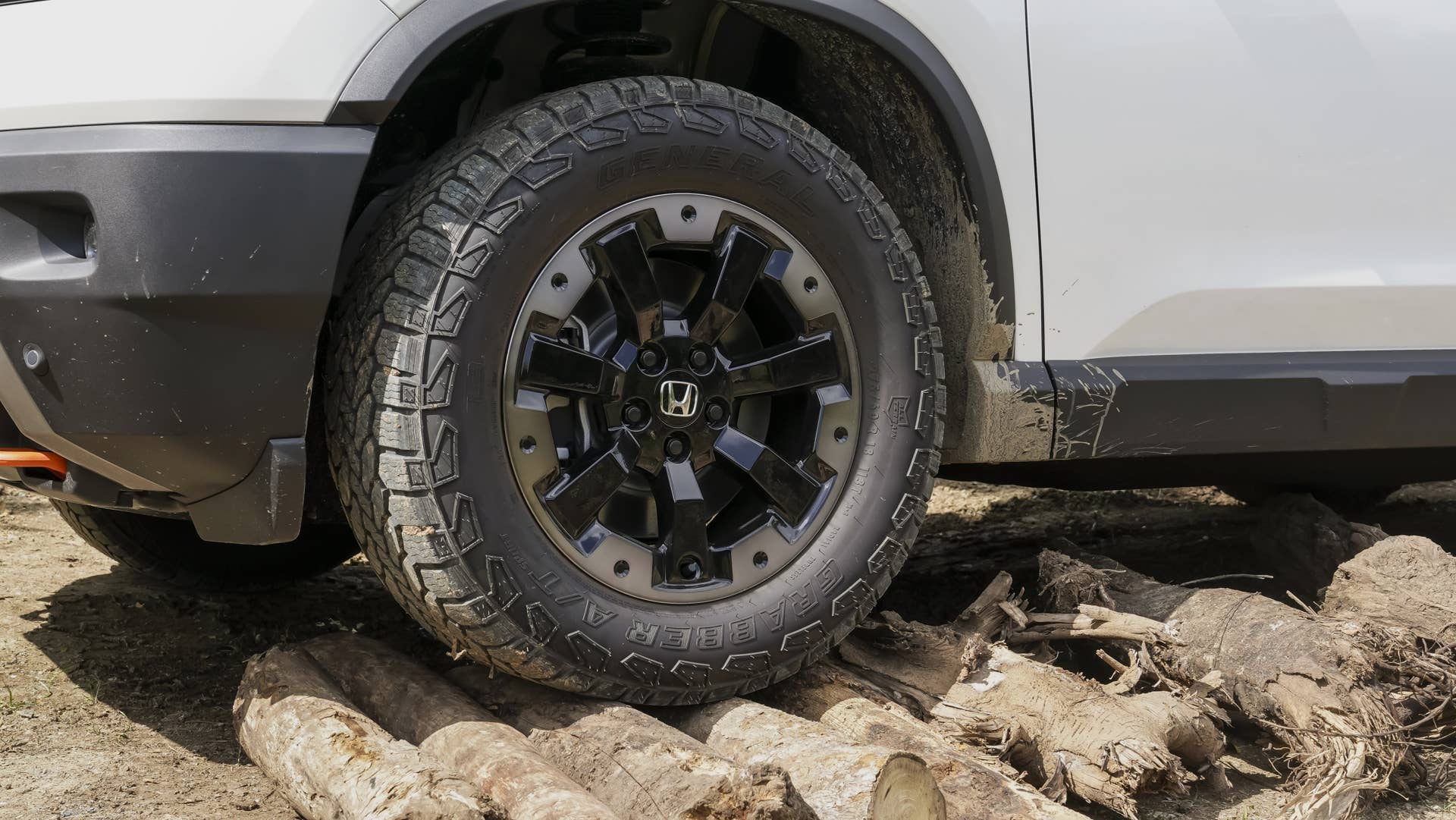
Now positioned as more of an adventure SUV than before, the boldly styled Honda Passport comes standard with the brand’s second-generation variable torque management all-wheel-drive system. Most Pilot trims have front-wheel drive equipped as standard, with AWD being an option.
Looking at the Honda Passport vs. the Honda Pilot’s performance specs reveal close to no difference. Both SUVs use the same 3.5-liter naturally aspirated V6, which produces 285 horsepower and 262 lb-ft of torque. A 10-speed automatic transmission is common to both. In our reviews of both, we found the SUVs to be pleasant to drive, if not quite as sporty as Mazda’s CX-90. The new Passport’s updated transmission is much smoother than the previous nine-speeder, but we did find the Pilot V6 to be a little slow off the mark.
The Honda Passport vs. Pilot ride quality comparison is a close one; both vehicles are more than comfortable enough for the daily commute.
Related: Honda’s Most Expensive Passport Is Also Its Most Popular
3. Passport Is Better For Mild Off-Roading
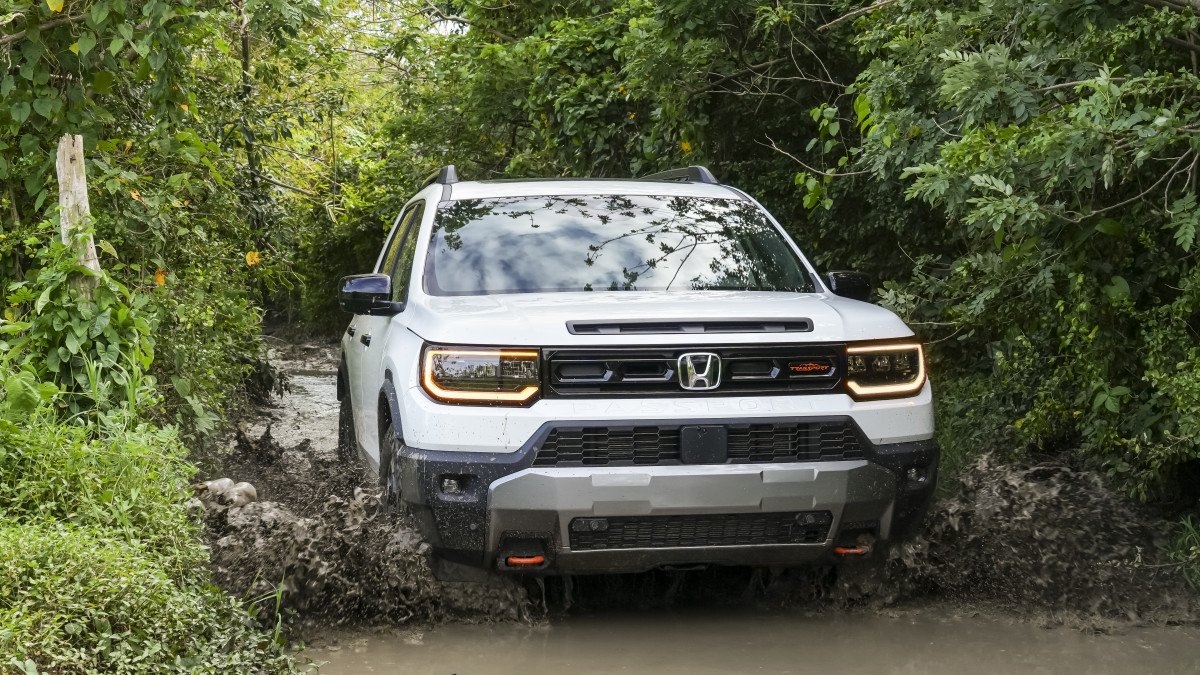
Honda doesn’t have a truly rugged off-road SUV like the Toyota 4Runner or Land Cruiser, but if you’re comparing the Honda Pilot vs. the Passport’s off-road specs, the latter wins.
All Passports have Trail Torque Logic, which helps maintain traction on slippery surfaces and can direct more power to the rear axle when needed. Only one Pilot trim has this technology. The Passport TrailSports also get an off-road tuned suspension, and all Passports have 8.3 inches of ground clearance—an inch more than every Pilot.
Approach and departure angles are also better in the Passport, at up to 23/27.1 degrees, respectively. The best the larger Pilot can manage are angles of 19.8/21.1 degrees.
4. Newer Passport Has Better Infotainment
2026 Honda Passport TrailSport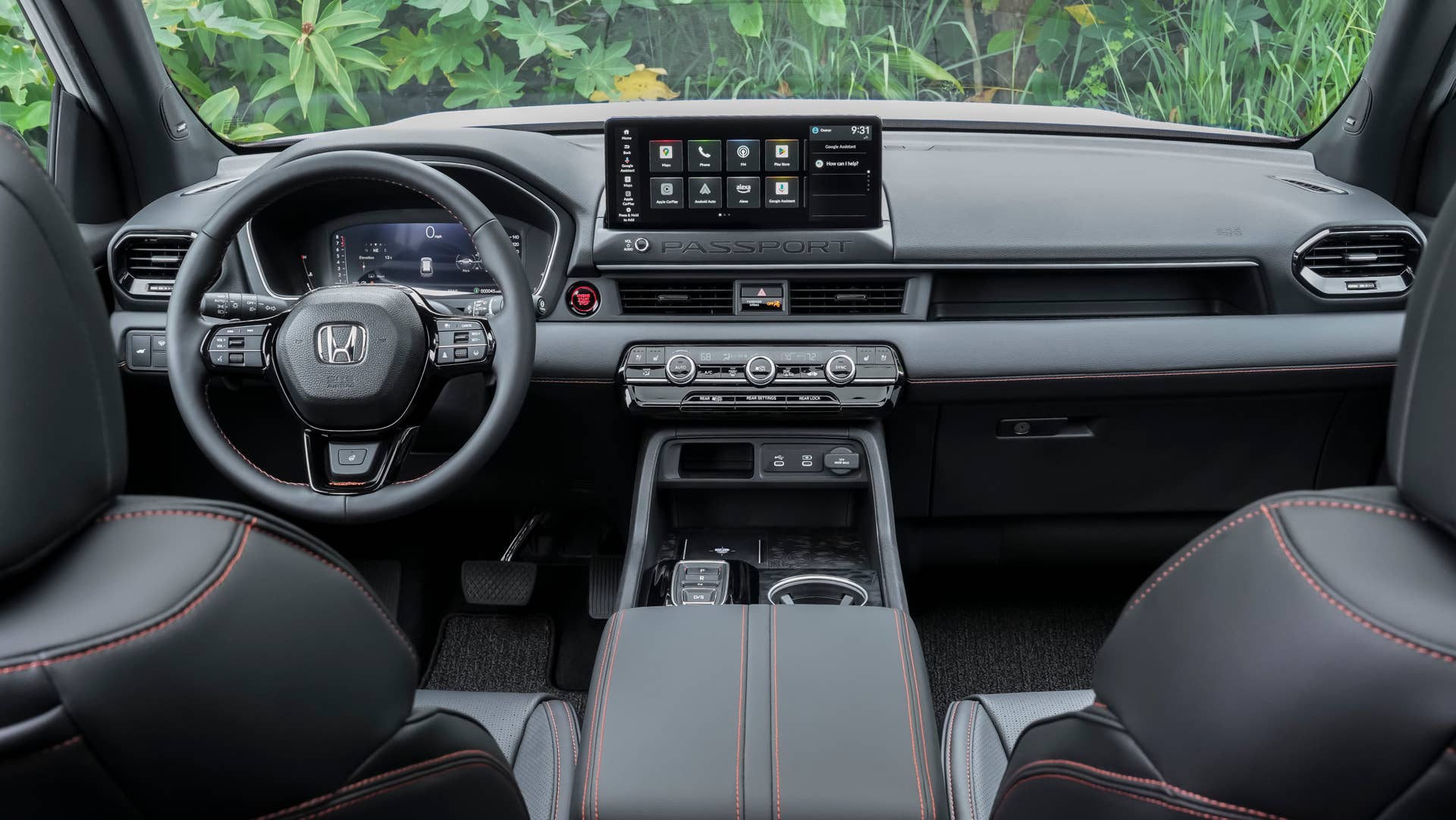
View the 4 images of this gallery on the
original article
Being the newer design, the Honda Passport has a more advanced infotainment setup than the one in the Pilot.
All Passports have a 10.2-inch digital instrument cluster and 12.3-inch touchscreen, whereas most Pilots make do with a seven-inch meter display. A much smaller seven-inch touchscreen is equipped to the base Pilot, and upper trims only get a nine-inch unit. If you want a 10.2-inch digital instrument cluster in the Pilot, you have to spend a lot more on one of the top two trims.
The Passport’s base sound system has two extra speakers and all trims have wireless Apple CarPlay/Android Auto, Alexa Built-In, and Google Built-In. Alexa and Google aren’t available in the Pilot.
If you want access to the latest and best infotainment tech, the Passport wins.
5. Pilot Is Cheaper
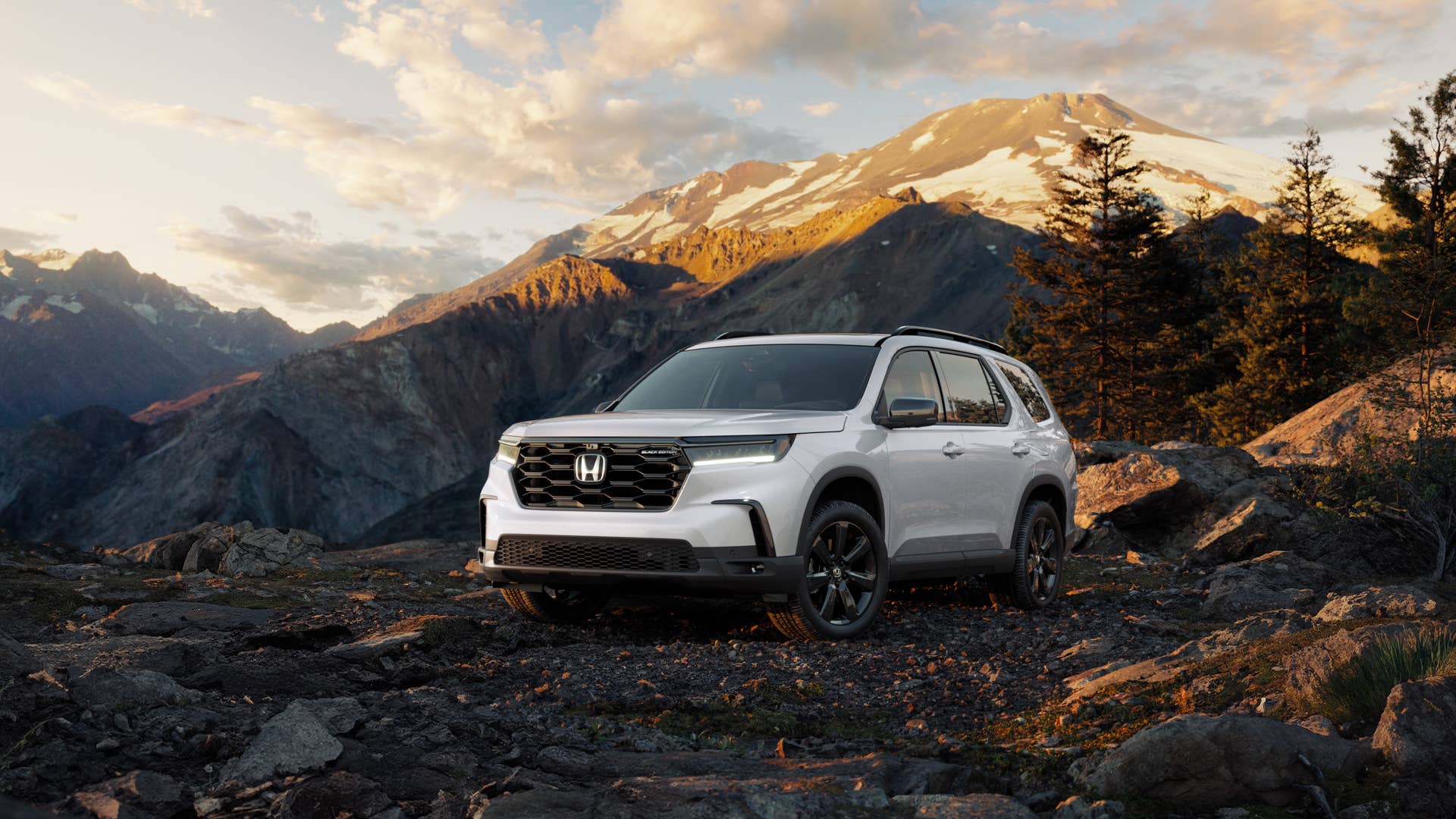
The Honda Pilot starts off at a lower price point, with the base Sport costing $40,200. This is for the currently available 2025 model, so prices may be slightly higher for the 2026 version. The 2026 Honda Passport is quite a bit more expensive to start, costing $44,750 for the base RTL, but it does come with several features not found on the Pilot Sport.
Interestingly, though, the cheapest Passport TrailSport is slightly less expensive than the Pilot TrailSport. Here’s a complete look at pricing for the two crossovers:
Final Thoughts
The difference between the Honda Pilot and Passport comes down to more than just seating capacity.
With the new Passport’s move to a more rugged shape and range of trims, Honda’s two mid-size crossovers are now easier to tell apart. The Passport has more attitude, more capability, and better technology, while the more unassuming Pilot starts cheaper and can seat up to three more people.
Unless you need the extra seating capacity of the Pilot, or can’t stretch to the Passport’s higher price, we’d recommend going for the fresher Passport. It doesn’t sacrifice much in the way of comfort or refinement, but can go further off-road when asked.