

The Honda Element is sorely missed in today’s crossover-crazed world
It’s no secret that crossovers are unstoppably popular these days, regardless of how soulless and dreary many critics argue they are. The unbeatable blend of convenience, practicality, ruggedness, and efficiency has rapidly made crossovers the most desirable automotive segment in North America. Yet, there still seems to be an air of nostalgia surrounding earlier crossovers from just after the turn of the millennium that modern crossovers can’t seem to live up to in the minds of enthusiasts. My honest belief is that, when automakers were initially toying with the whole “crossover” idea in the first place, they were in positions (attributed both to their internal management and external factors such as government regulations) to take greater risks. This resulted in more quirky, daring, and polarizing ideas that aimed to break ground in the up-and-coming segment, collectively laying the groundwork for the crossover craze that followed.
2003 Honda Element
View the 2 images of this gallery on the
original article
One of the most notable early examples of an endearingly quirky crossover was the Honda Element. With its bi-parting side doors, its boxy and therefore surprisingly spacious proportions, and its “real-time 4-wheel drive,” it exceeded sales expectations in its initial years, and the charming recipe has since earned the Element the coveted status of cult classic. Honda produced the Element from 2002 until 2011, when it was ultimately discontinued in favor of the more conventional CR-V. No direct replacement for the Element has ever been produced, and the recently released Passport Trailsport is the closest thing to a spiritual successor. I believe Honda is missing a significant opportunity to capitalize on the recent surge of more rugged, adventure-focused compact crossovers by leaving the Element to rot in its grave.
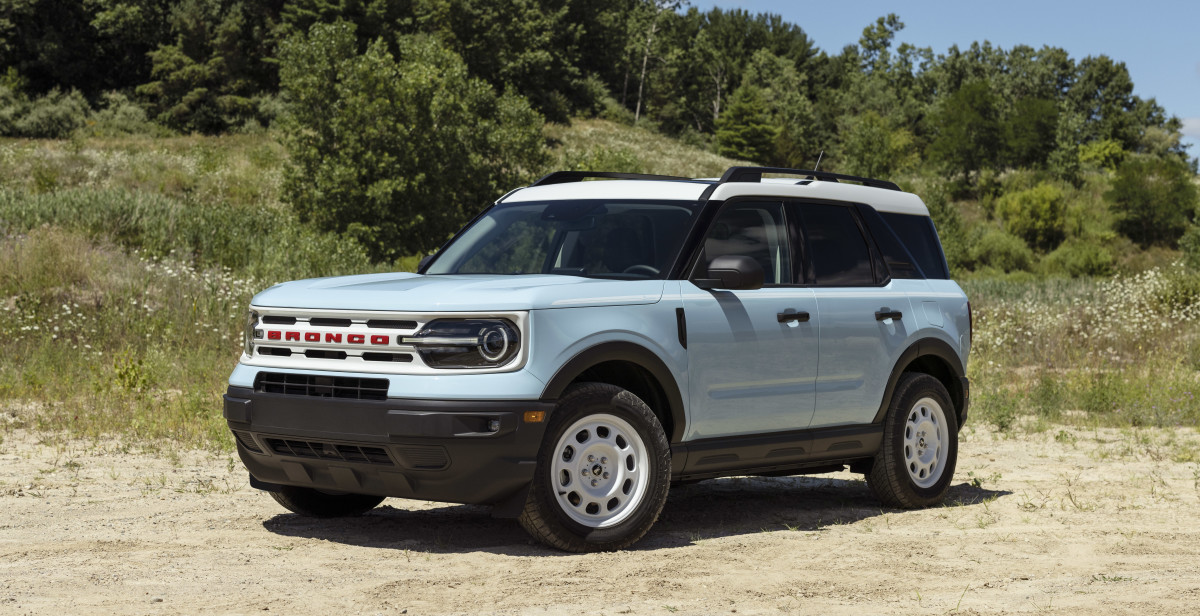
Some automakers, like Ford, have seen such a significant opportunity with the off-road adventure-focused compact crossover segment that they’ve actually been selling a boxier, more rugged variant of the popular Ford Escape as the Bronco Sport. Like Honda’s CR-V and Element, which were sold alongside each other in the mid-2000s and utilized the same platform, the Ford Escape and Bronco Sport occupy the same segment simultaneously. Although you might assume this would result in a cannibalization of sales for Ford, the fact is that both models sell just as well as each other—in the first nine months of 2025, Ford sold 32,139 Escapes and 30,823 Bronco Sports. So, at least in my mind, the existence of the Ford Bronco Sport begs the question: if Ford can do now what Honda was doing in the mid-2000s, why wouldn’t Honda take a page out of the playbook they created in the first place?
Therefore, I decided to experiment with some renderings of what a contemporary, modern Honda Element could look like, and dive deep into my car-centric mind to get a sense of what features and specifications it could and should utilize. Using Midjourney 7.0 and Gemini 2.5 Flash Image, I take an imagined look at what a revived Honda Element might look like. These renders are purely fictional and do not depict any actual Honda products.
Honda Element Concept Art Cole Attisha Using Midjourney 7.0 & Gemini 2.5 Flash Image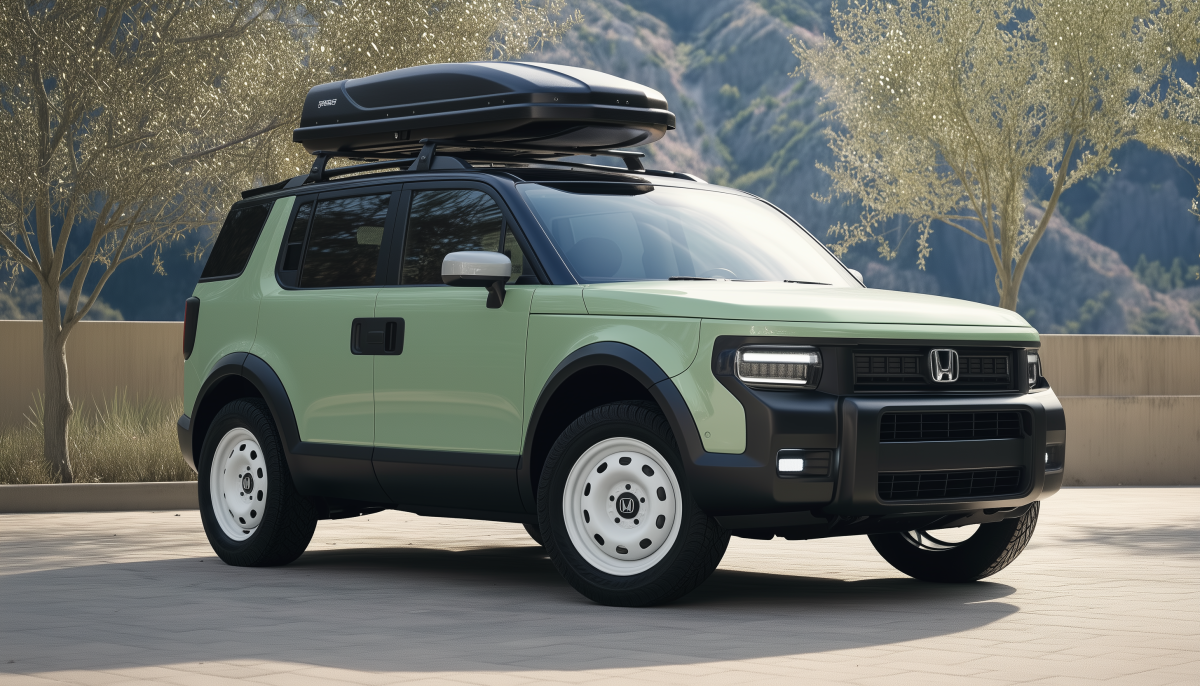
View the 3 images of this gallery on the
original article
What could it look like?
Boxy and quirky. If Honda is going to pull off a modern revival of the Honda Element, it should simply be that: a modernized Element. It should stick to the original Element’s charming DNA, with its signature boxy proportions, spacious interior, striking paint color options, and its bi-parting side doors (although it wouldn’t be offensive to make the rear doors slightly larger). Additionally, I couldn’t help but fit the rendered Element with Land Rover Defender-style white-painted steelies, because I think they suit the crossover really well. It would be, in essence, a baby Defender just as much as it would be a baby Passport, and I think Honda would be remiss not to at least hint at that fact with subtle (or not-so-subtle) styling cues. Resurrecting similar visually striking paint colors from the original Element is a must as well, including bright orange and light green, as pictured above and below.
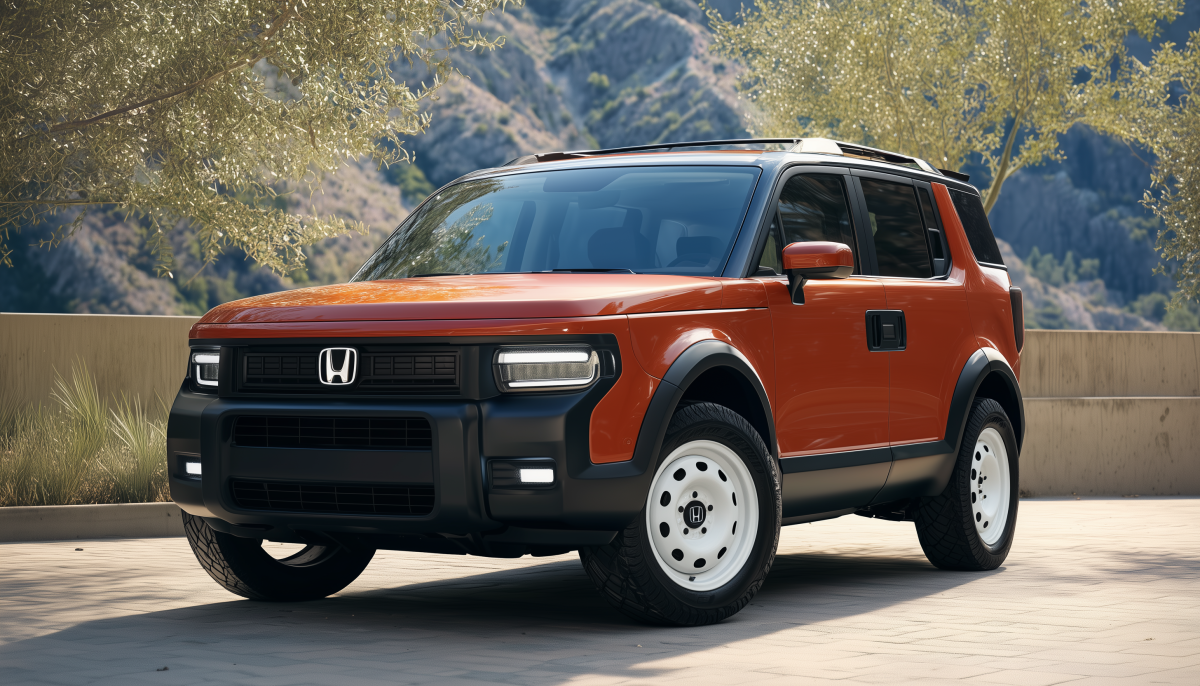
Cole Attisha Using Midjourney 7.0 & Gemini 2.5 Flash Image
Under the hood, I think Honda should keep things just as simple as they are in the contemporary CR-V. That is, it should use Honda’s turbocharged 1.5-liter four-cylinder engine, which produces 190 horsepower and 179 lb-ft of torque in the 2026 CR-V, although I feel it should pair that engine with a more robust transmission than a CVT. While an automatic gearbox is a must in a vehicle like this, I’d love to see a manual gearbox offered as well, just as the original Element offered (perhaps the same one found in the Civic Si). That would make it the only option in its segment to offer a manual gearbox, likely making it the go-to choice for enthusiasts looking for a capable, adventurous package on a budget.
Additionally, though, I believe that the CR-V’s optional 2.0-liter four-cylinder hybrid powertrain would make an excellent addition to this imaginary Honda Element’s engine arsenal. With 204 horsepower and 247 lb-ft of torque, this hybrid engine has proven itself to be a capable option for rugged use under the hood of the Honda CR-V TrailSport Hybrid. It could also provide an excellent combination of power and efficiency under the hood of a revived Element.
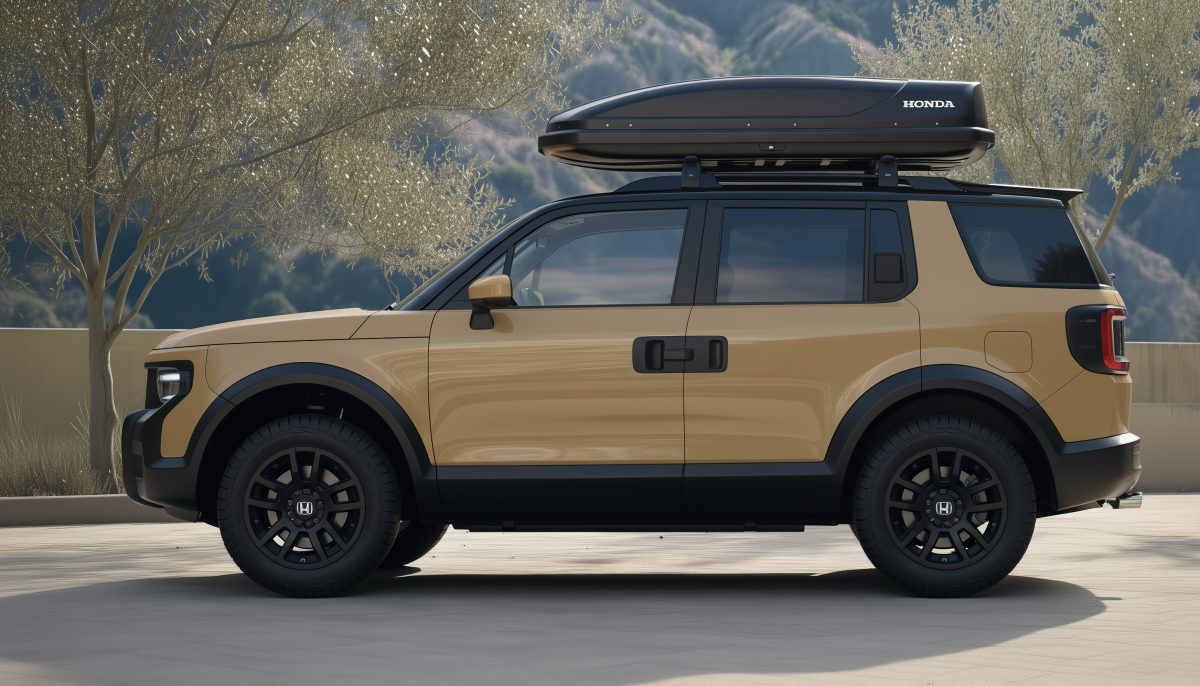
Final thoughts
Honda is poised to take on heavy-hitters like the Ford Bronco Sport, the Subaru Forester Wilderness, the Hyundai Tucson XRT, and the Nissan Rogue Rock Creek Edition if they would just bring back the Element already. With affordable pricing, efficient four-cylinder engines featuring optional hybrid technology, and a distinctive boxy design, a revived Honda Element is poised to be a success with contemporary buyers seeking something unique and practical for their nomadic explorations and demanding daily driving duties.