

Value-driven crossovers collide
The crossover segment is one of the most competitive in the industry, and the Honda CR-V has been among the manufacturer’s top sellers for several years now. In 2024, the Japanese automaker sold more than 400,000 examples of the CR-V, a milestone last achieved by the Accord more than 20 years ago. Priced from $30,920, the 2026 Honda CR-V comes ready to rock with several tech upgrades. The CR-V’s range includes both gas and hybrid models, with standard equipment progressing along the lineup.
Honda
View the 2 images of this gallery on the
original article
The Hyundai Tucson is no slacker when it comes to going tire-to-tire with its rivals. The Tucson is the Korean automaker’s best-selling model, with more than seven million examples sold around the world over the past two decades. Starting at $29,200, the 2026 Hyundai Tucson continues to offer a solid list of standard equipment with plenty of upscale amenities at an affordable price. Unfortunately, there aren’t many upgrades to speak of this time around. Since the 2026 Tucson Hybrid isn’t out yet, we’ll stick to comparing the non-hybrid Tucson and CR-V for now.
Exterior styling spotlight
The entry-level Honda CR-V LX focuses on practicality above all else. It rides on 17-inch wheels complemented by LED lighting and turn indicators built into the power side mirrors. If you want more convenience in your crossover, you’ll need to step up to the EX, from $33,150, and EX-L, the former of which adds heated side mirrors and 18-inch wheels, while the EX-L tacks on a power tailgate. Notably, Honda doesn’t split the CR-V range between gas and hybrid models.
Honda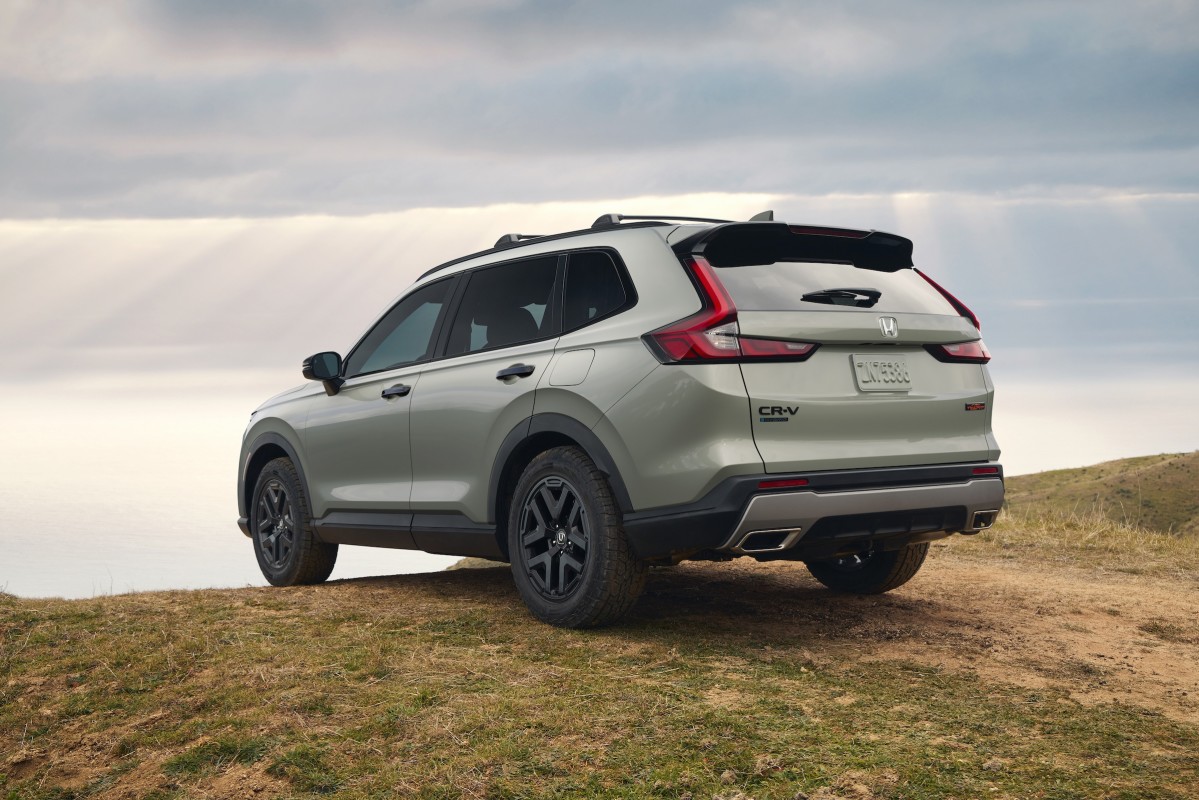
View the 2 images of this gallery on the
original article
At the base level, the Hyundai Tucson SE boasts a similar aesthetic to the base CR-V, riding on 17-inch wheels with LED headlights. Stepping up to the SEL, from $30,550, and SEL Premium, at $33,550, nets you 18-inch wheels, as well as heated side mirrors and a hands-free power liftgate, respectively. The gas-powered Tucson comes in six trim levels, with the Limited model topping the range at $39,175. For that cash, the Korean crossover rides on 19-inch wheels and looks fierce with a dark chrome accent grille and gloss black pillars.
Similar fuel economy and performance
These two crossovers have been fairly competitive so far, and that doesn’t change much when it comes time to look under the hood. All non-hybrid Honda CR-V models are powered by a 1.5-liter turbocharged four-cylinder engine mated to a CVT. That combination produces 190 horsepower and 179 lb-ft of torque. 2026 CR-V models equipped with front-wheel drive are rated for 28 mpg in the city and 33 mpg on the highway. Upgrading to AWD reduces fuel economy by one to two miles per gallon in the city and on the highway, respectively. The non-hybrid Honda CR-V can tow up to 1,500 lbs. when properly equipped.
Honda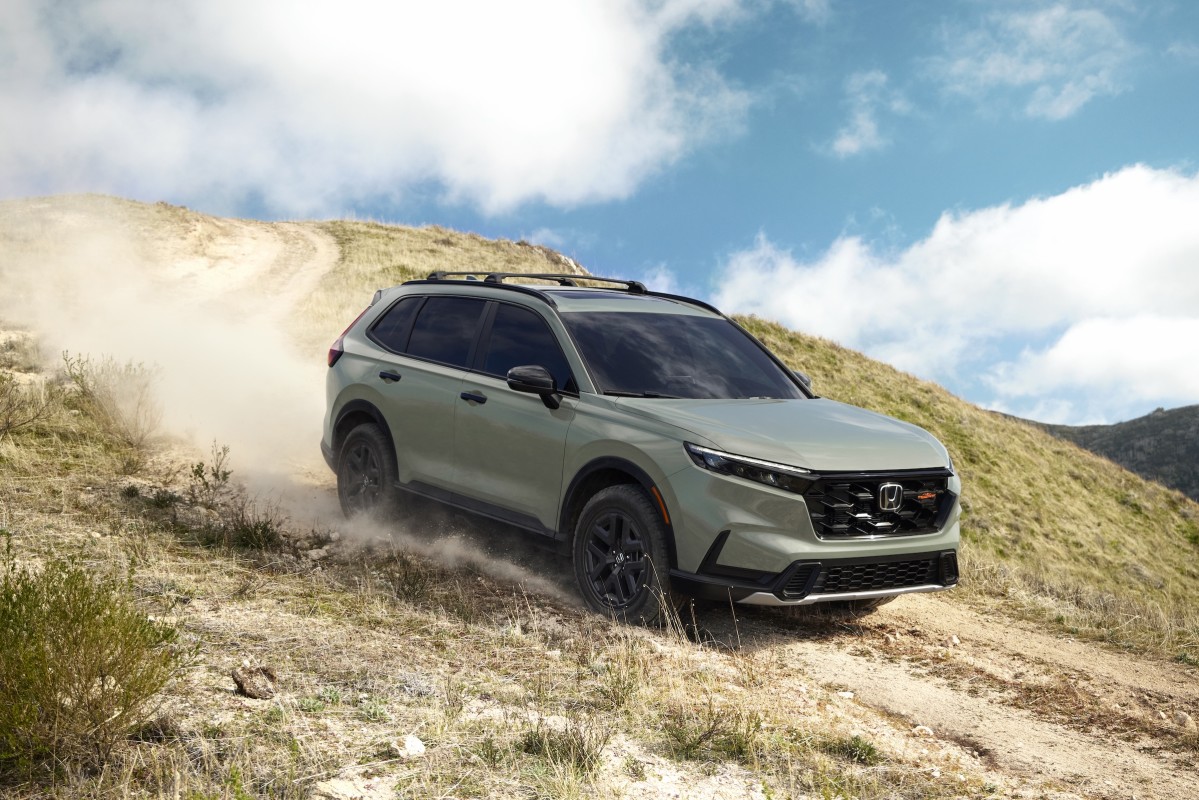
The Hyundai Tucson’s 2.5-liter four-cylinder engine delivers similar performance, at 187 horsepower and 178 lb-ft of torque. An eight-speed automatic transmission comes standard and sends power to either the front or all four wheels, depending on the drivetrain. The 2026 Tucson FWD is rated for 25 mpg in the city and 33 mpg on the highway. Opting for AWD reduces efficiency to 24 and 30 mpg in city and highway driving, respectively. When properly equipped, the Tucson can tow up to 2,750 lbs., nearly double that of the CR-V.
Hyundai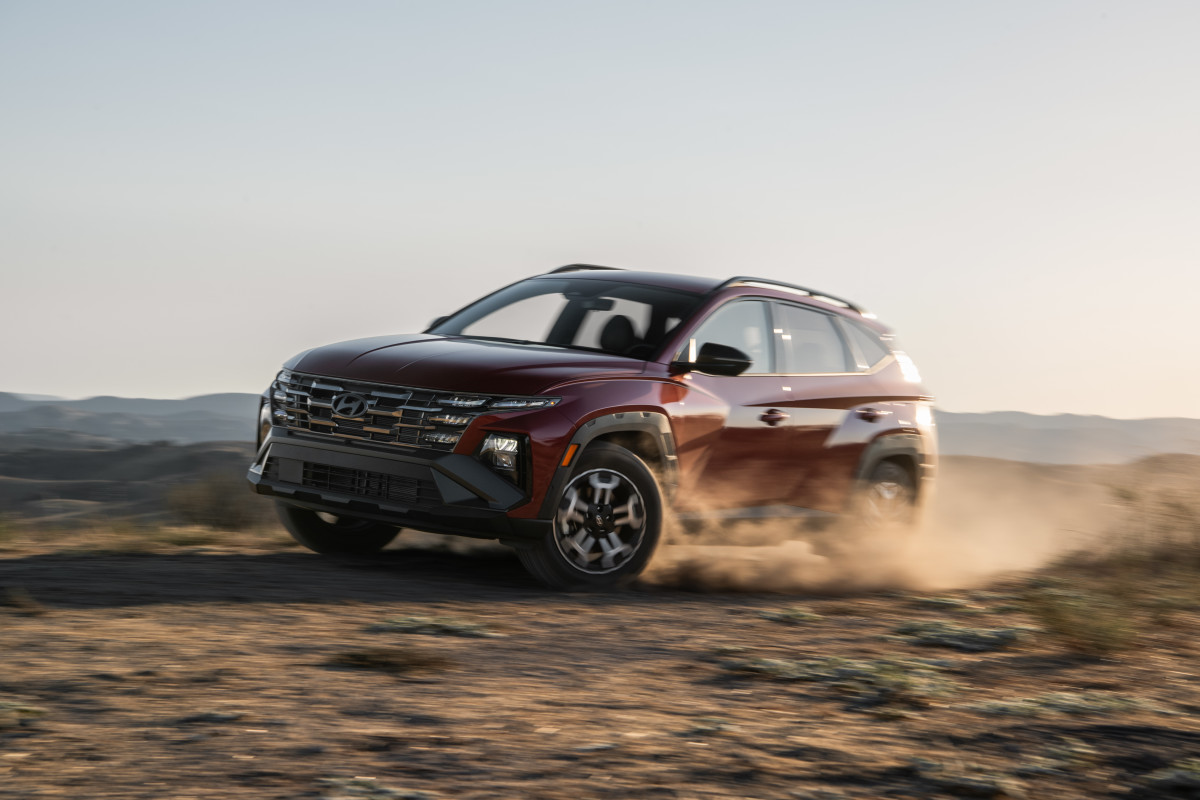
Interior design and features
The 2026 Honda CR-V and Hyundai Tucson are competitively priced and come with several features that most automakers charge more for. Both crossovers include wireless Apple CarPlay and Android Auto at all trim levels, but only the CR-V offers wireless smartphone charging in the base model. While the CR-V features a nine-inch touchscreen display, the Tucson outdoes it with a 12.3-inch screen. The roles are reversed when it comes to the gauge cluster, though. The CR-V features a seven-inch display, while the Tucson offers a 4.2-inch cluster.
Honda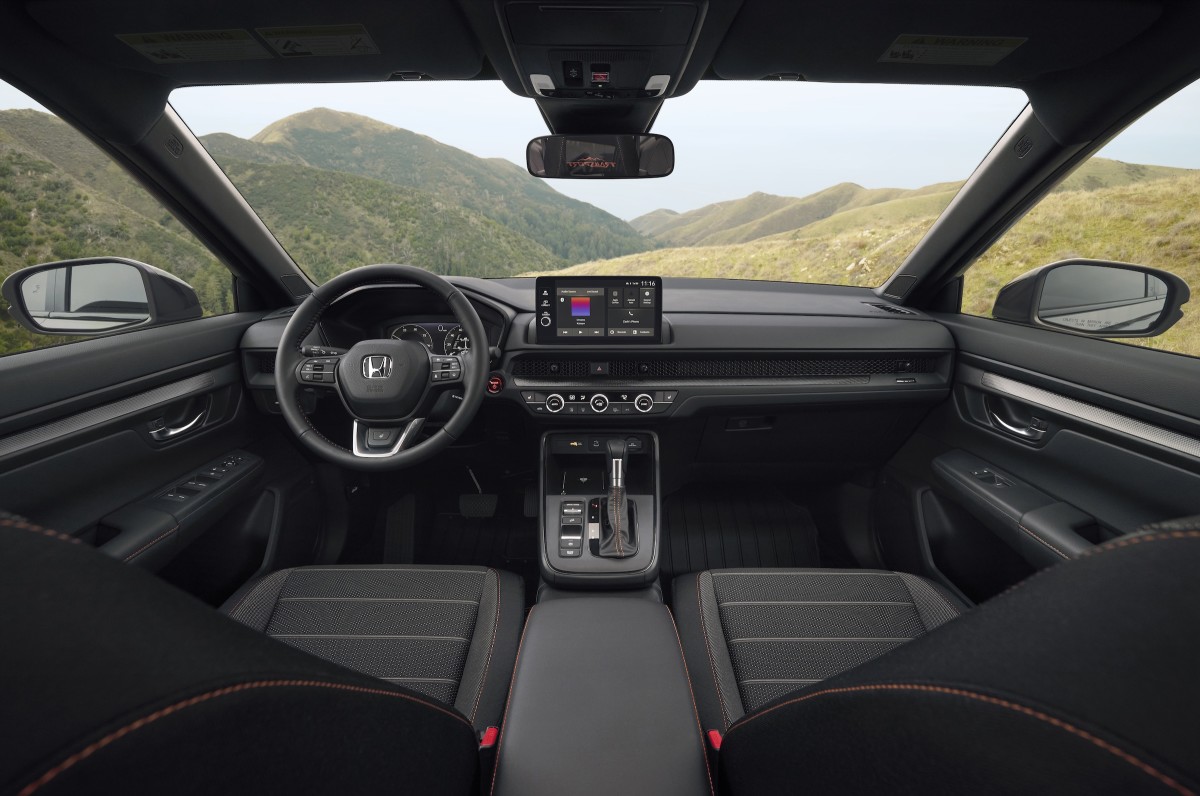
At the top of the non-hybrid CR-V’s range sits the EX-L, with premium amenities like leather-trimmed, heated front seats, a leather-wrapped steering wheel, and ambient LED lighting. Comparatively, the Tucson SEL Premium includes a similar standard equipment list. The Korean crossover also gets a 12.3-inch digital gauge cluster, as well as wireless device charging. The top-spec Tucson Limited takes premium comfort a step further, with features like heated rear seats, ventilated front seats, and a Bose premium audio system.
As far as space goes, the Honda CR-V tops the Hyundai Tucson in cargo space, with up to 76.5 cu ft. versus 74.8 cu ft. with the rear seats folded down. With the rear seats in their upright position, the story is similar, with the CR-V offering up to 39.3 cu ft. versus the Tucson’s 38.7 cu ft. The Tucson takes a win in rear headroom, offering 39.5 inches, topping the CR-V’s 38.2 inches. The CR-V boasts more front headroom, though, offering 1.7 inches more than the Tucson.
Hyundai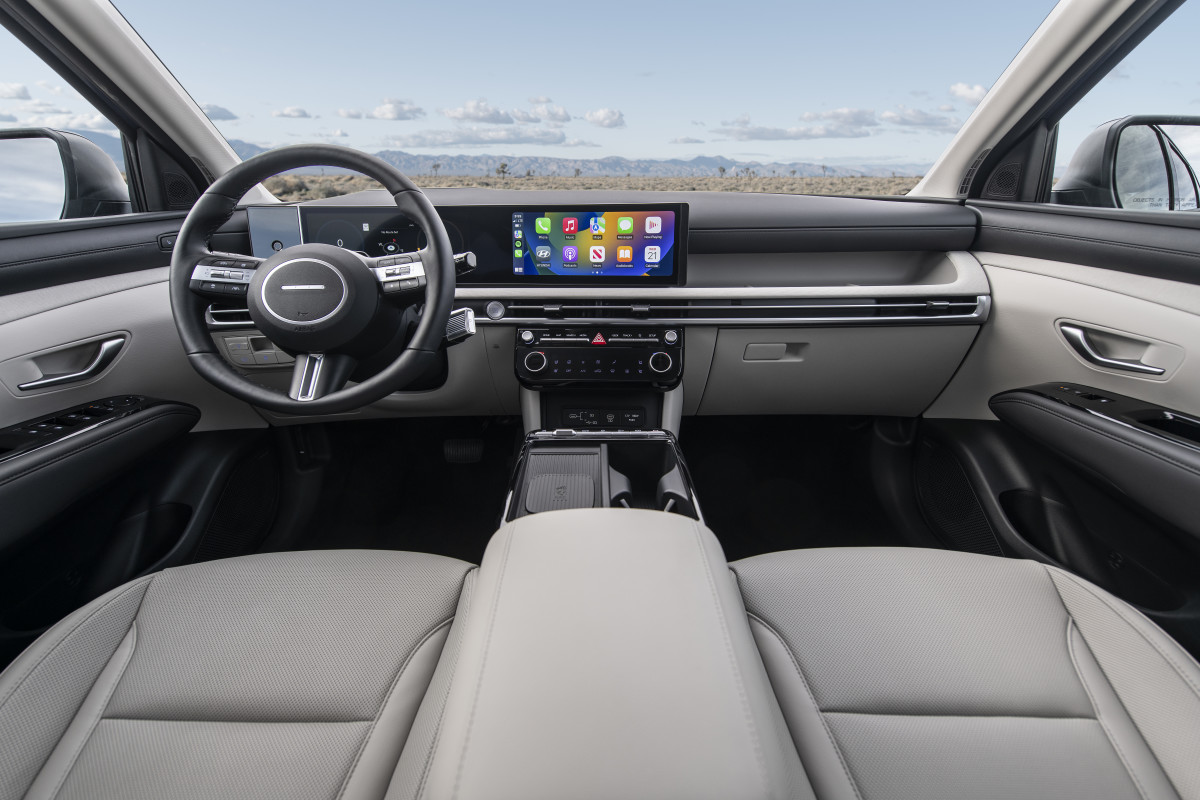
If you’re looking for a more unique style, the Tucson XRT, priced from $33,225, features trim-exclusive side cladding, tailgate badging, and wheels. Inside, the XRT features a black headliner and seats with XRT stamping. It also comes equipped with a standard trailer hitch, which is available as an accessory on other Tucson models. Black side mirrors come standard as well, while all other models get mirrors that match the body color.
Final thoughts
Honda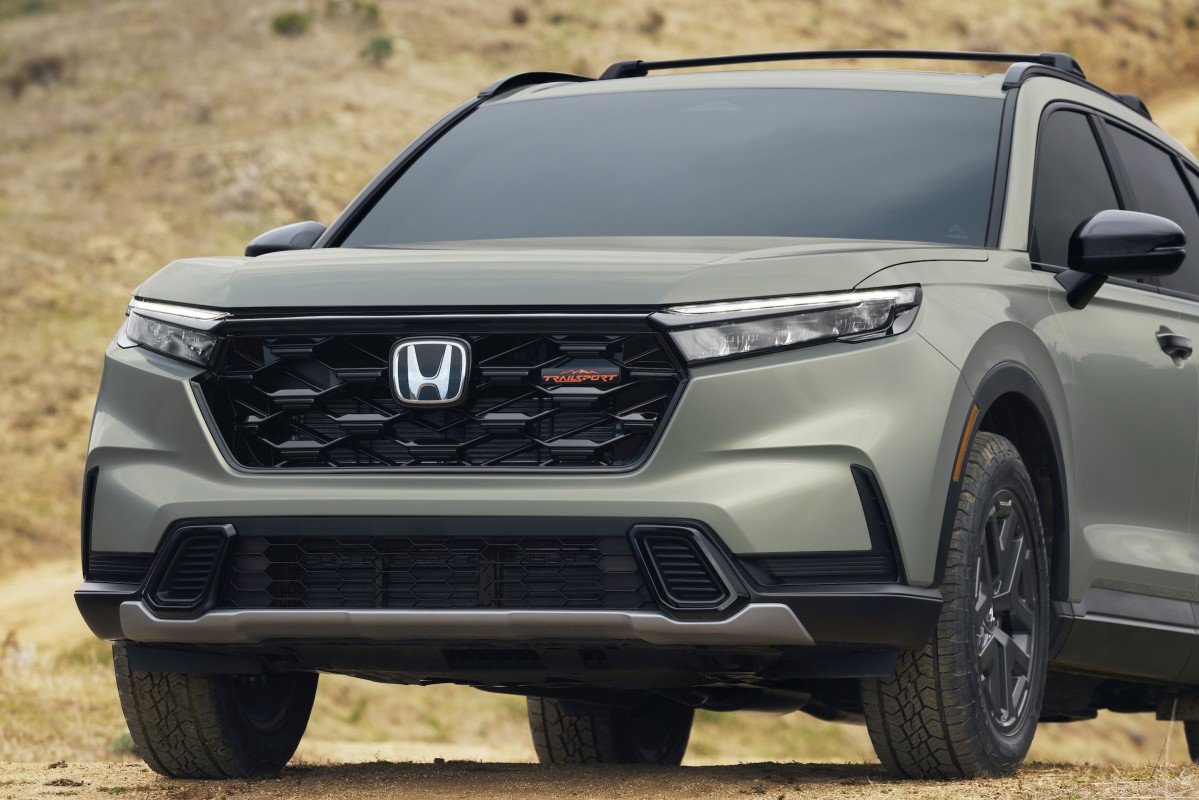
View the 2 images of this gallery on the
original article
The Honda CR-V comes well-equipped with the latest tech, and the EX-L model offers a more premium feel. The Hyundai Tucson has a slight edge when it comes to price, and its six trim levels allow drivers to be more selective about their next crossover. Not only that, but you can get a fully-loaded Tucson without a hybrid powertrain. Generally speaking, however, Honda has a better reputation when it comes to reliability, but Hyundai backs the Tucson with a 10-year/100,000-mile powertrain warranty.
It’s a close contest, and it largely comes down to the features you want in a family vehicle. If you’re set on a non-hybrid model, then the Tucson has the advantage. If you don’t mind going hybrid, then the CR-V has more options to consider.