

Hybrids are the key
In the age of electrification, hybrids hit the sweet spot for drivers who want outstanding fuel economy without the range anxiety of a full electric vehicle (EV). Two of the strongest competitors in the compact hybrid sedan segment are the 2025 Hyundai Elantra Hybrid and the 2025 Honda Civic Hybrid, both offering impressive fuel economy, a sleek design, and the latest tech at affordable prices.
The Hyundai Elantra Hybrid could be more alluring for buyers looking to spend less than $30,000 on a hybrid sedan without sacrificing the technology and safety that they need. The Elantra also delivers some of the most impressive fuel efficiency numbers we have seen, with plenty of power to boot and a class-leading warranty.
Hyundai
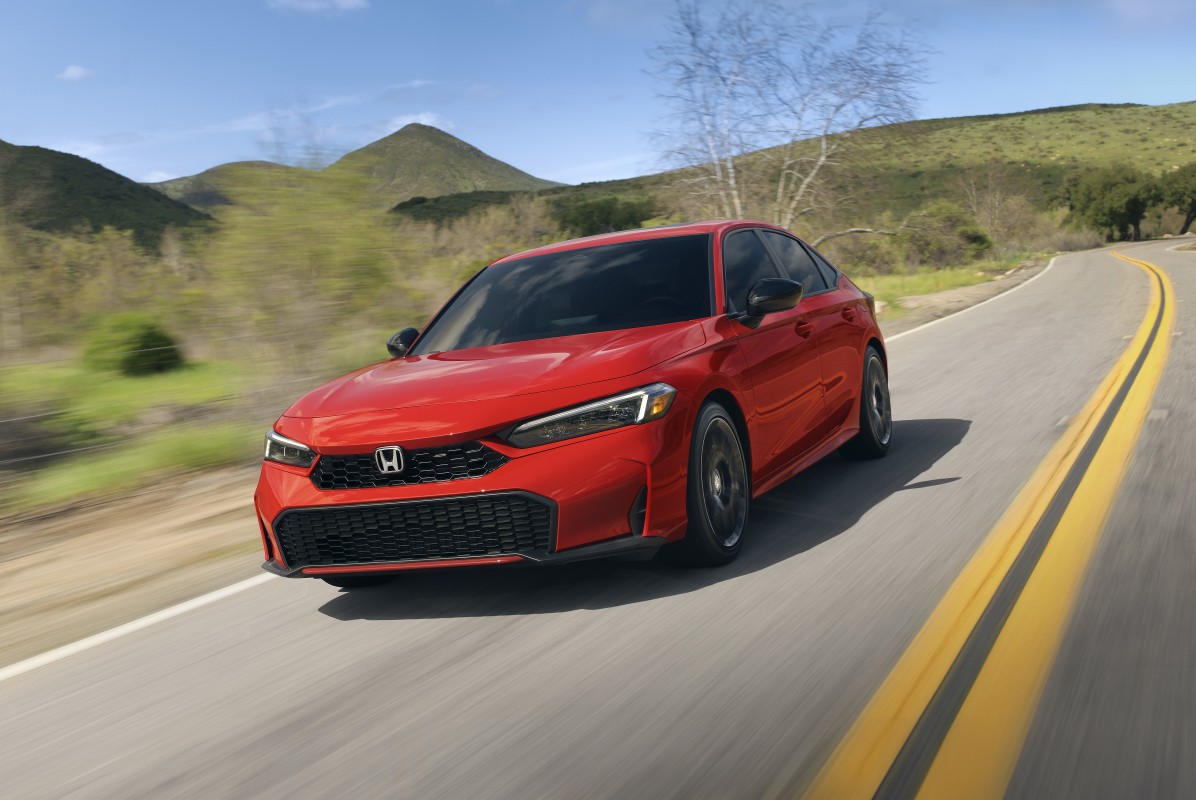
The Honda Civic Hybrid, on the other hand, delivers similar fuel efficiency numbers with its smooth powertrain while swaddling its occupants in a surprising amount of technology and comfort features. On paper, both of these cars are similar, but when taking a closer look, it’s easy to see that one pulls ahead of the other.
Honda
Design and comfort: Two different approaches
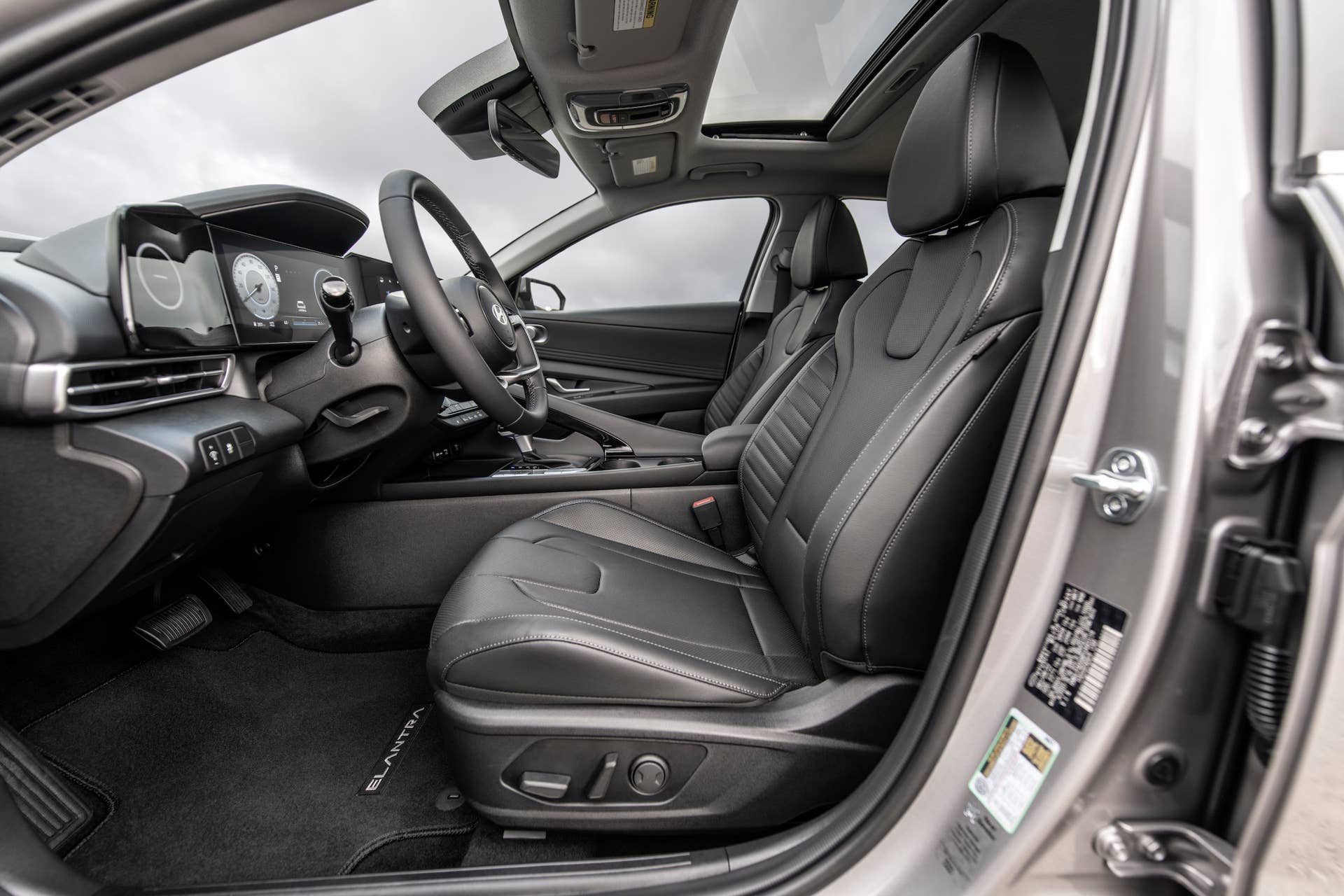
When looking at each car, it is clear that the Hyundai Elantra Hybrid gets the award for pushing its design to the edge. The Elantra leans into sharp angles and futuristic lines that stand out with a bold look that draws attention. Inside, the Elantra has a cockpit-style dashboard that wraps around the driver, which is further enhanced by a large handle next to the passenger seat. Apparently, Hyundai wanted to ensure that the passenger had enough to hold onto in case of emergencies. Otherwise, the Elantra’s interior is nicely laid out, very spacious, and filled with some cheap plastics that you can expect in a sub-$30,000 car.
Hyundai
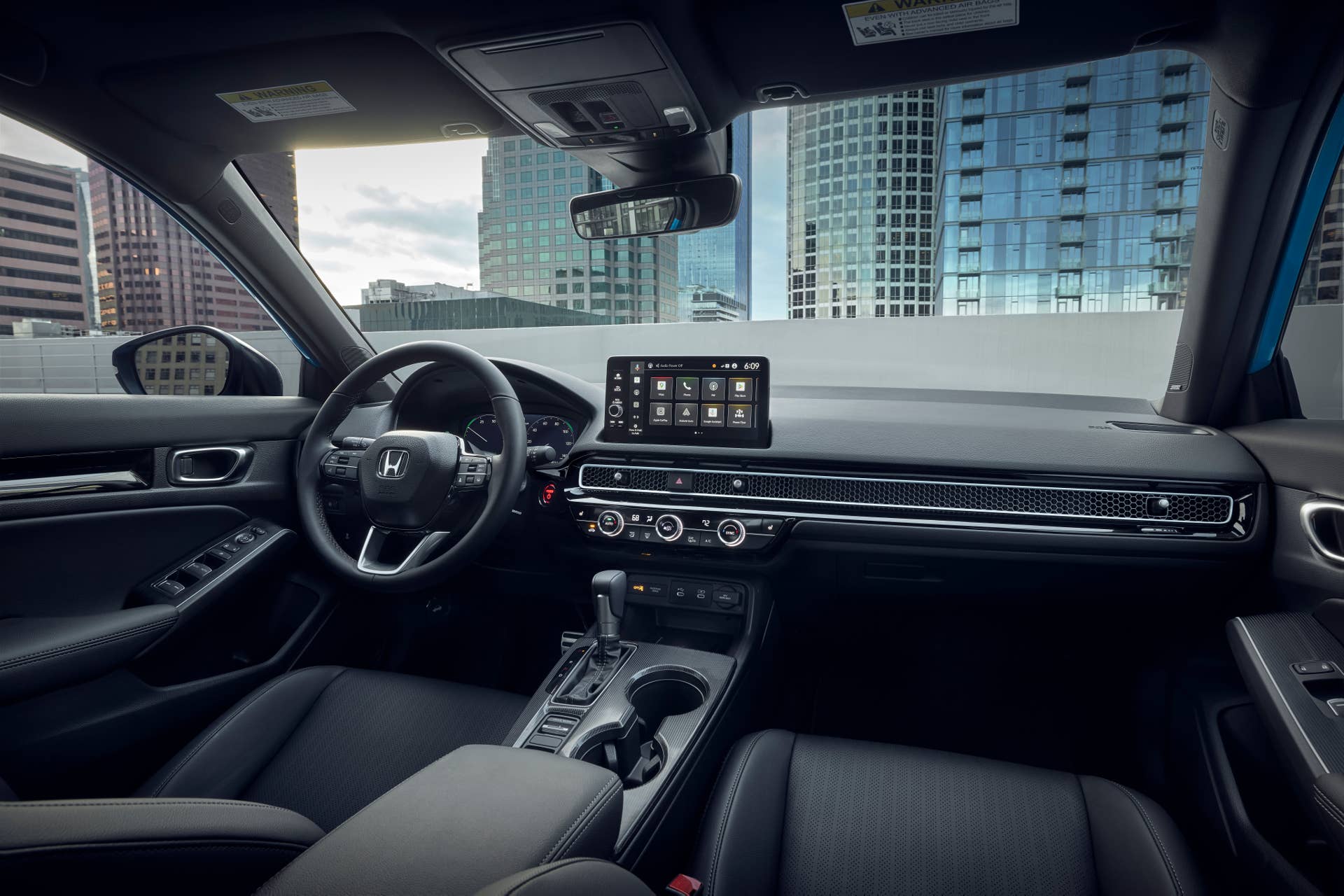
The Honda Civic, by contrast, looks and feels a little more upscale as it takes a timeless approach. Its clean, uncluttered exterior styling carries over to the inside, where a minimalist design meets high-quality materials. The seats feel supportive on longer drives, and rear passengers have slightly better headroom and visibility. Looks may be subjective, but I like the Civic’s restrained, premium-looking cabin, which gives it an edge in everyday usability.
Both cars are more than just their MPG ratings
Both cars deliver what hybrid buyers expect: excellent fuel economy. The Elantra Hybrid pairs a 1.6-liter, four-cylinder engine with an electric motor for a combined output of 139 horsepower. It’s efficient and capable, with a combined EPA rating of 50 mpg, which I ended up eclipsing during my week with it. After driving the car on the highway and through the city, I averaged 55 mpg, which equates to over 500 miles on a single tank. My main gripe with the powertrain is the six-speed, dual-clutch transmission that the engine is connected to, which made the car feel hesitant at low speeds.
Hyundai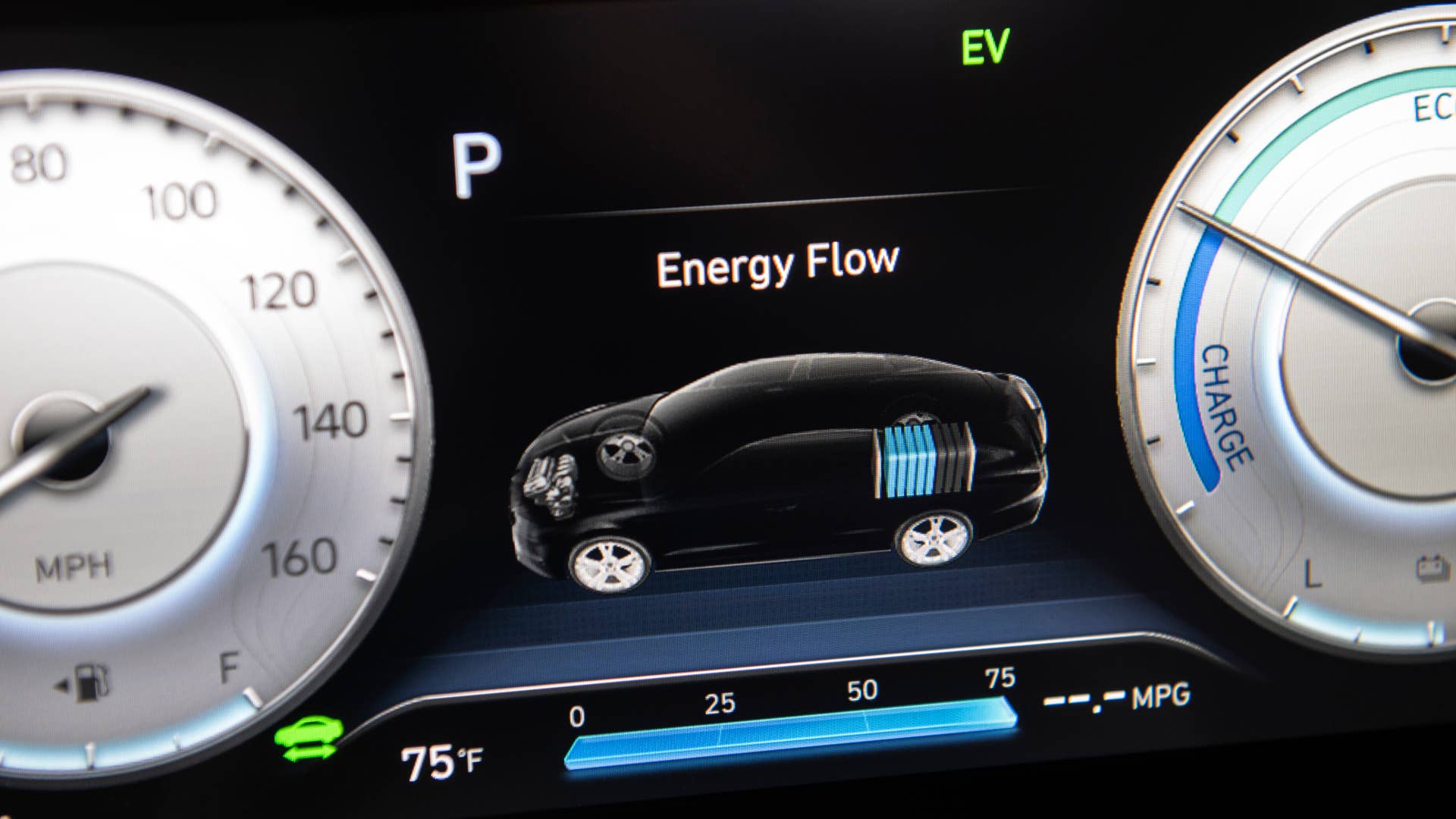
The Civic Hybrid, meanwhile, uses Honda’s two-motor hybrid system that’s good for 200 horsepower. It’s not just quicker, but it’s smoother, with seamless transitions between the electric motor and gas engine. The Civic also uses a CVT, which fakes shifts, but it’s a much better pairing to the car’s powertrain. Additionally, although the Elantra felt smoother when driving, the Civic’s steering felt more precise, and its suspension tuning strikes a nice balance between comfort and agility. To sum it up, both cars are fuel-efficient, but the Civic is more fun to drive.
Tech and safety
Hyundai has been known for value-packing its vehicles with plenty of technology, and the Elantra is no exception. There is a large 10.25-inch infotainment screen that sits in the middle of the dashboard, which is connected to a Bose premium audio system. The infotainment system is easy to use and comes with all the features you need, like Apple CarPlay and Android Auto, but you will have to connect your phone manually to it.
That’s not too much of a pain, but it is a letdown compared to the Honda Civic, which offers wireless CarPlay and Android Auto as standard equipment. The Civic is also available with a Bose premium audio system and Alexa built in, which gives it a slight edge. As for safety, the Elantra is equipped with Hyundai’s driver-assistance suite, SmartSense, which offers features like adaptive cruise control and lane assist. The Honda Civic is equipped with the Honda Sensing suite of driver assists, which includes a well-tuned adaptive cruise control system, lane assist, and a rear cross-traffic alert.
Honda 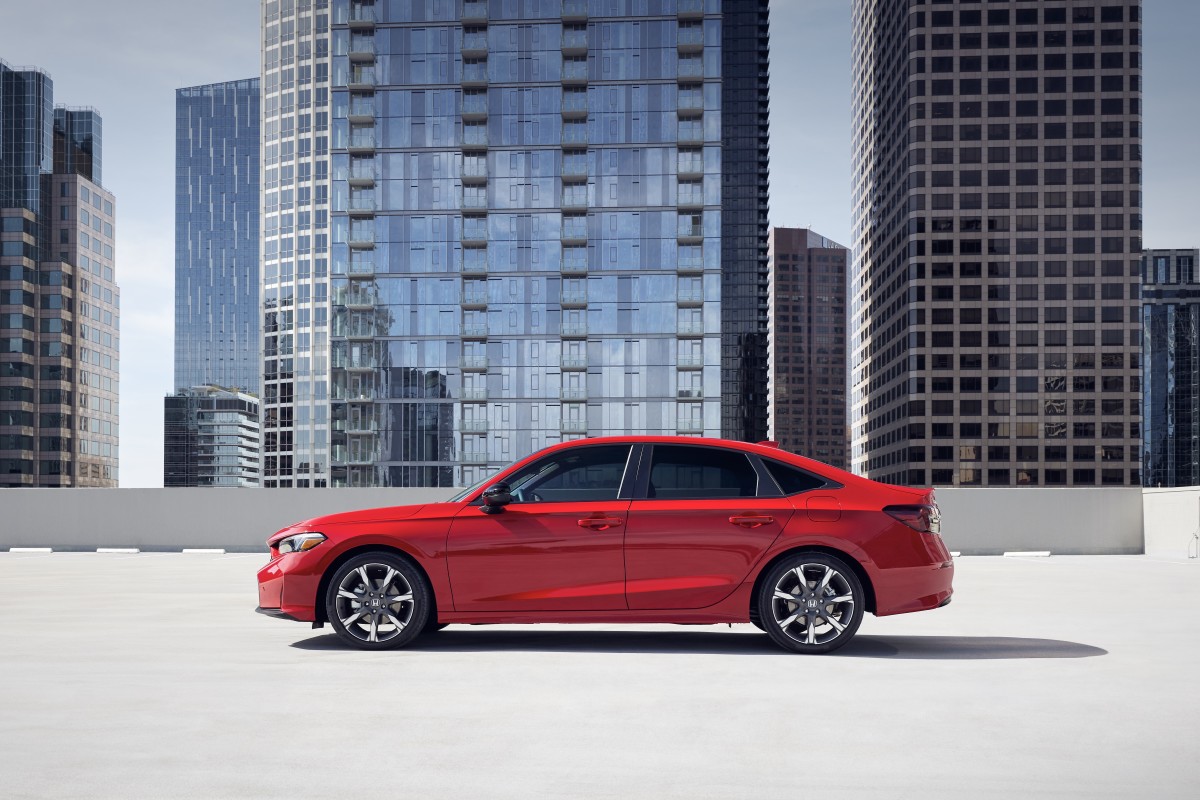
Price could be a deciding factor
Considering both cars come with similar technology and fuel efficiency numbers, the decision for most hybrid shoppers could come down to price. The Elantra Hybrid undercuts the Civic Hybrid on price, as it starts a few thousand dollars lower, depending on the trim you select. The base price for the Elantra Hybrid is $25,450 and tops out at around $30,000 for the top Limited trim.
The Honda Civic Hybrid starts at $29,295 for the base Sport trim and tops out at $32,295 for the Sport Touring trim level. Unlike the Elantra, the Civic only has two trim levels to choose from, so shopping for one should be easier, albeit more expensive upfront.
Hyundai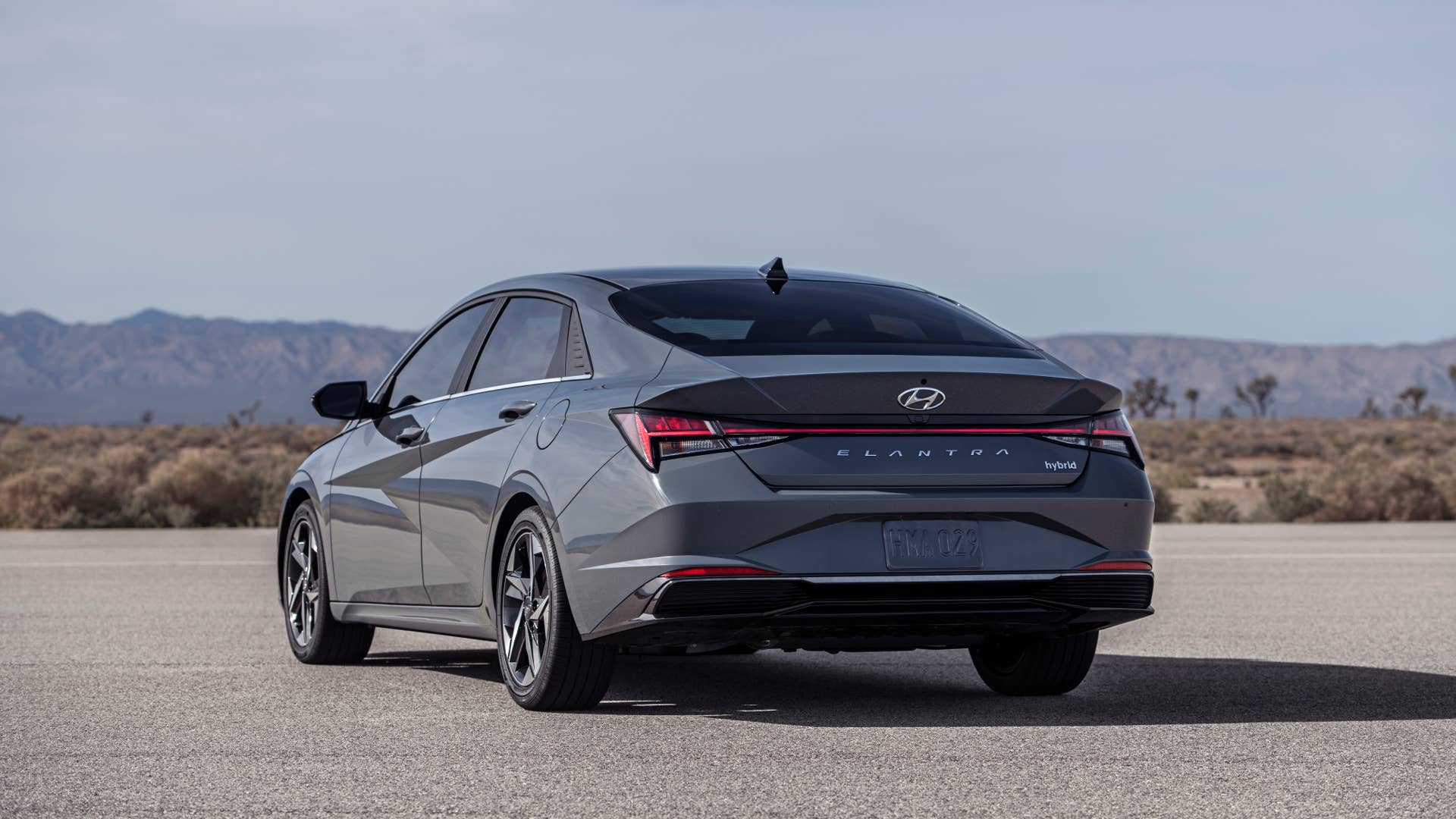
Final thoughts
Despite the 2025 Honda Civic Hybrid’s higher price tag, I feel like the extra money spent is worth it. The Civic Hybrid has better driving dynamics, a more refined interior, and slightly better technology, despite both cars being similarly equipped. The Elantra Hybrid is still an excellent choice for those wanting to save a little money, though. It’s comfortable, spacious, and does well on long trips between fill-ups. However, if you’re shopping between the two and want to compare the minor details, then there is one clear winner.