

Not every rugged SUV holds up to its claims
Boasting woodsy, rugged names and rugged styling, it’s easy to be lured into believing that any such compact SUV will serve you when venturing off-road. If all you’re doing is trotting down a gravel path, heck, you can do that in a Toyota Camry. Scared of driving in the snow? Throw snow tires on it. However, for those who crave off-road ability in a compact package, the number of posers far outweighs those equipped with the extensive array of features and systems needed. Let’s separate the posers from the real deal.
Honda
Ford Bronco Sport Badlands: The real deal
Ford
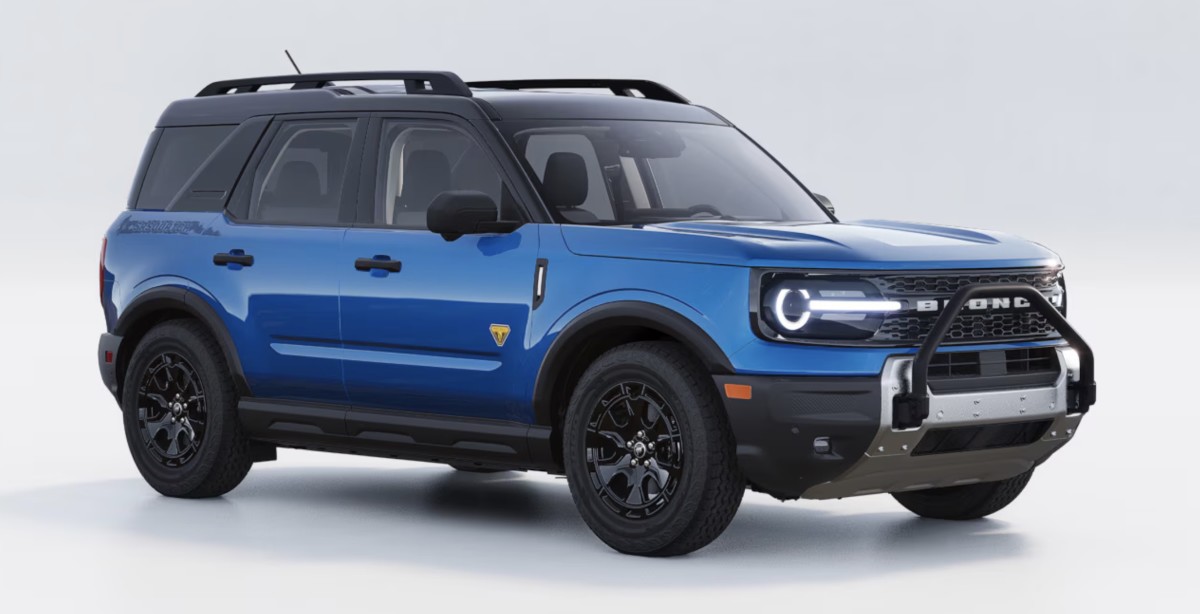
Despite being 21 inches longer than the original Bronco, the 2025 Bronco Sport seems closer to the original than its larger, modern sibling. A turbocharged 2.0-liter inline-four and an eight-speed automatic transmission provide 250 horsepower and 277 pound-feet of torque. All-wheel drive, front tow hooks, underbody skid plates, a standard 18:1 crawl ratio, and a front camera are standard, as is a torque-vectoring rear differential and 7-mode Terrain Management System that alters the throttle, transmission, brake response, steering effort, and the all-wheel-drive system depending on mode.
In addition, the Sasquatch Package, offered on Outer Banks and Badlands trims, adds revised steel bumpers, a front bull bar, rear recovery hooks, more ground clearance, and 29-inch all-terrain tires. The Badlands trim also comes with Bilstein rear dampers, while the Outer Banks gets a twin-clutch rear differential. Yes, it lacks a traditional transfer case with a low range, and it shares its platform with the Ford Escape, but it’s no poser, with 8.8 inches of ground clearance and 7.4 inches of wheel travel.
Honda CR-V TrailSport Hybrid: Poser
Honda
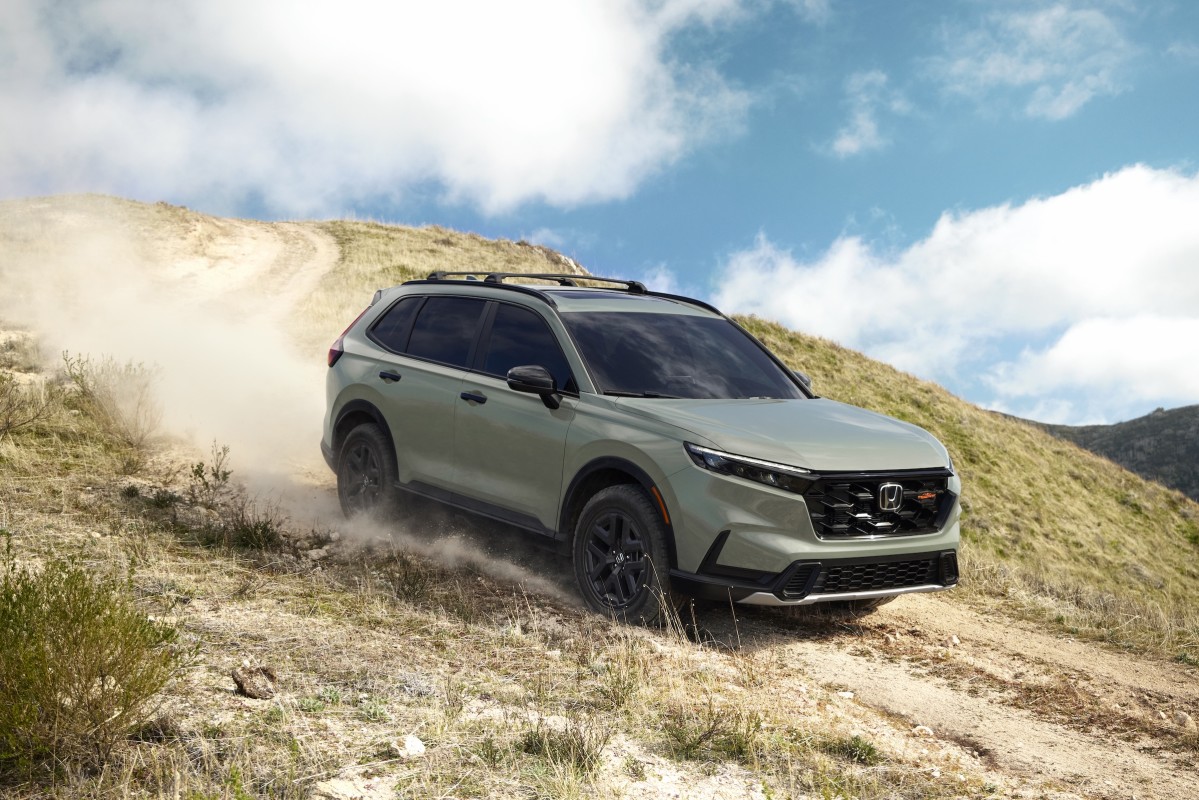
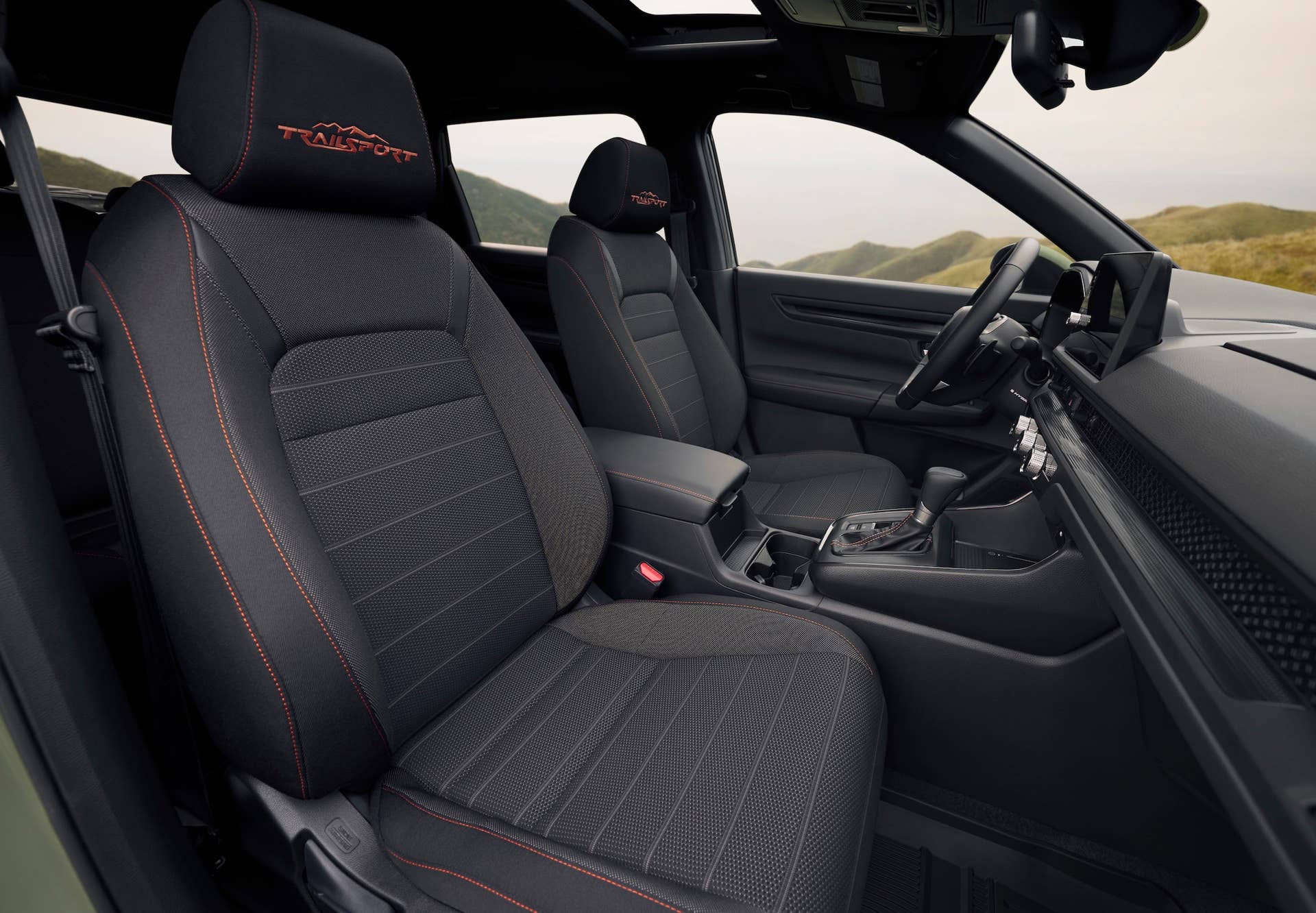
Added to the CR-V line-up for 2026, the first off-road variant of Honda’s most popular vehicle disappoints. While Honda’s first TrailSport model, the Passport TrailSport, added the sort of gear you’d expect, the CR-V must make do with off-road rubber, some software changes below 12 mph, TrailSport badging, modestly revised fascias, and hill descent control, which is unavailable on other CR-Vs. You also get exclusive Ash Green paint.
Honda
But that’s hardly enough to merit paying more. Just buy a cheaper CR-V trim and add your own off-road tires. Its 2.0-liter four-cylinder hybrid powertrain delivers 204 horsepower to all four wheels while delivering an EPA-rated 38 mpg, although premium fuel is recommended. While not a true boulder basher, its off-road rubber works wonders in snowier climes, and can be kept on year-round, making it ready for freakish weather any time.
Jeep Compass Trailhawk: The real deal
Jeep
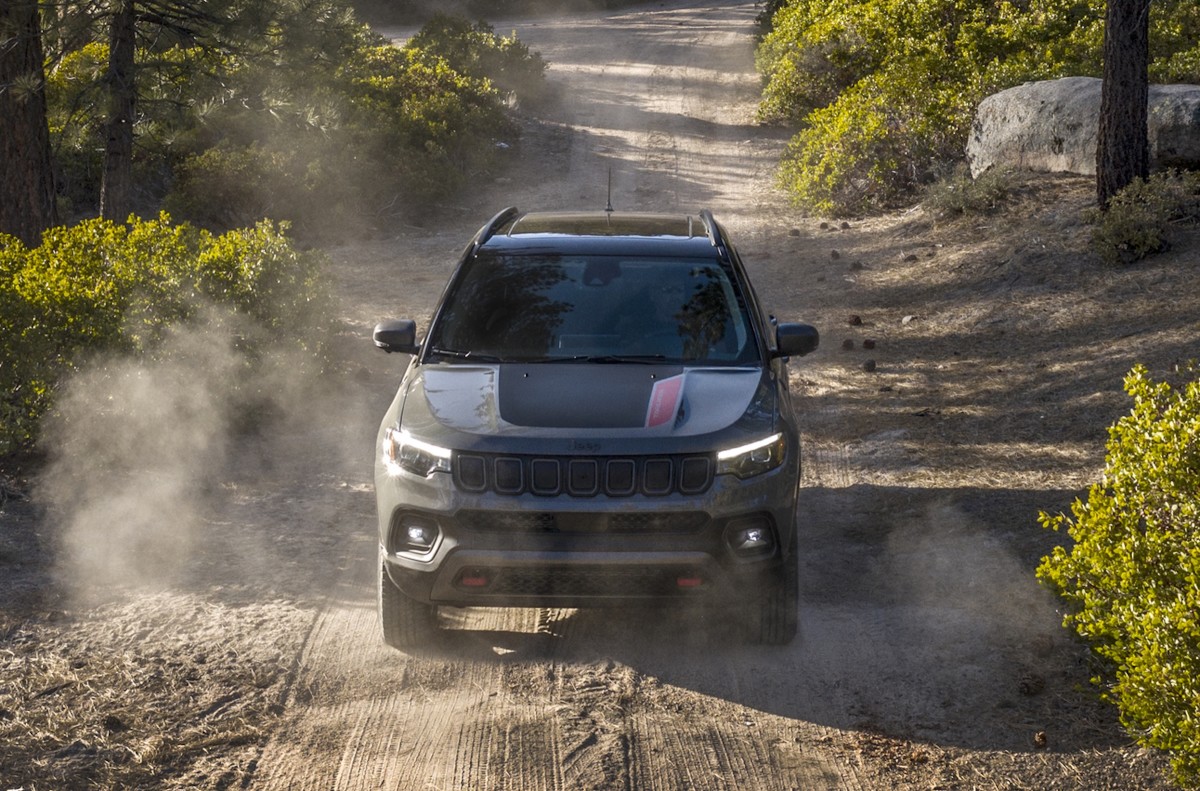
While far from the most refined compact SUV, the Jeep Compass Trailhawk does deliver the goods for trekking into the forest primeval. Powered by a turbocharged four-cylinder engine and eight-speed automatic transmission, it generates 200 horsepower and 221 pound-feet of torque. Jeep’s Active Drive 4×4 system comes equipped on the Trailhawk with a lockable first gear 20:1 crawl mode. There are also selectable Auto, Snow, Sand/Mud, and Rock off-road driving modes, along with 8.5 inches of ground clearance, skid plates, red front and rear tow hooks, hill-descent control, 19 inches of water fording ability, and a 2,000-pound towing capacity.

Jeep
On the flip side, the Compass’ eight-year-old design and handling aren’t as refined as its competitors, but it does look like a Jeep Grand Cherokee that’s been left in the dryer too long. For some, that and its abilities may be enough to seal the deal, but it’s getting a full redesign for 2026, making it possible to snag a great deal on a 2025.
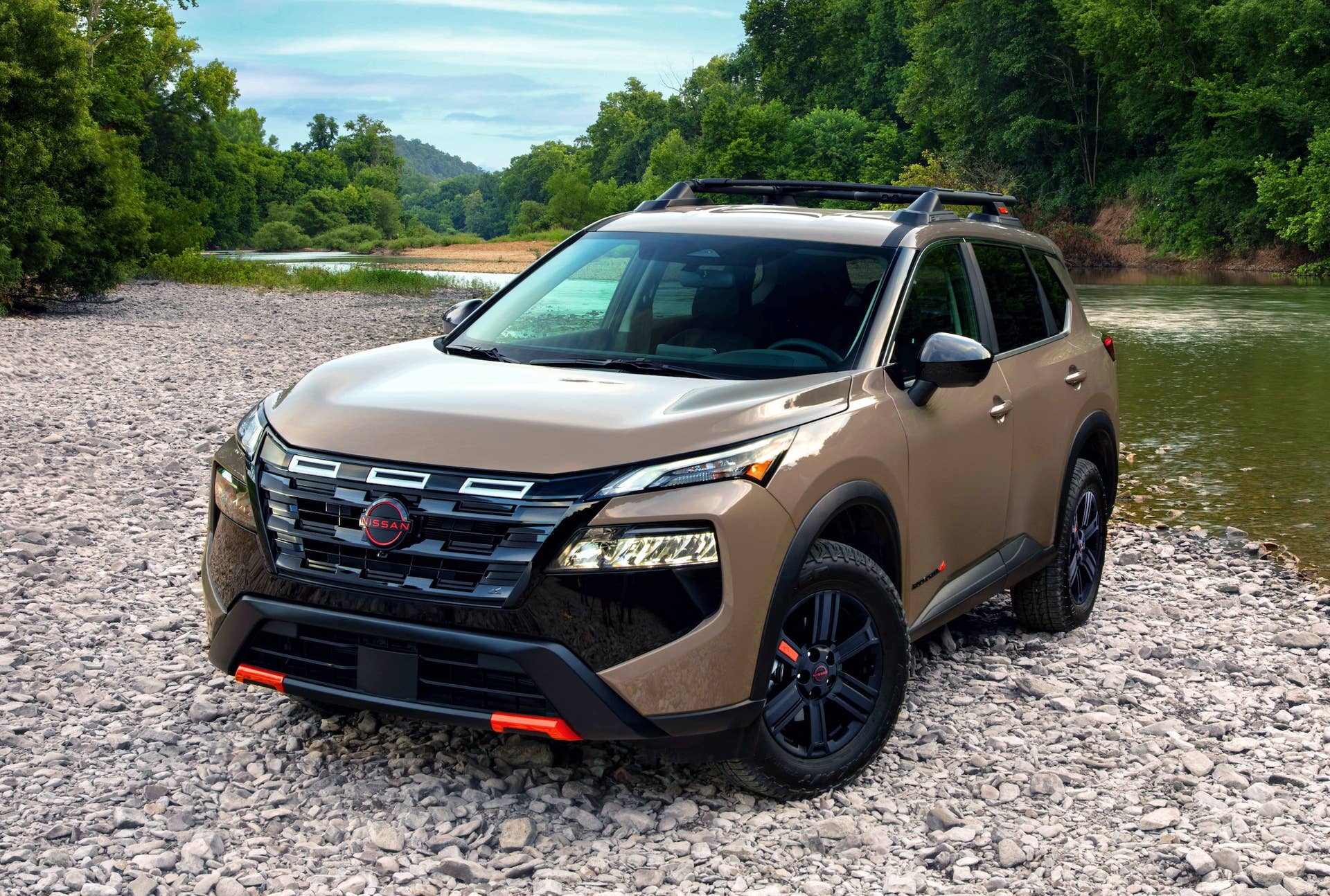
Nissan Rogue Rock Creek Edition: Poser
Nissan
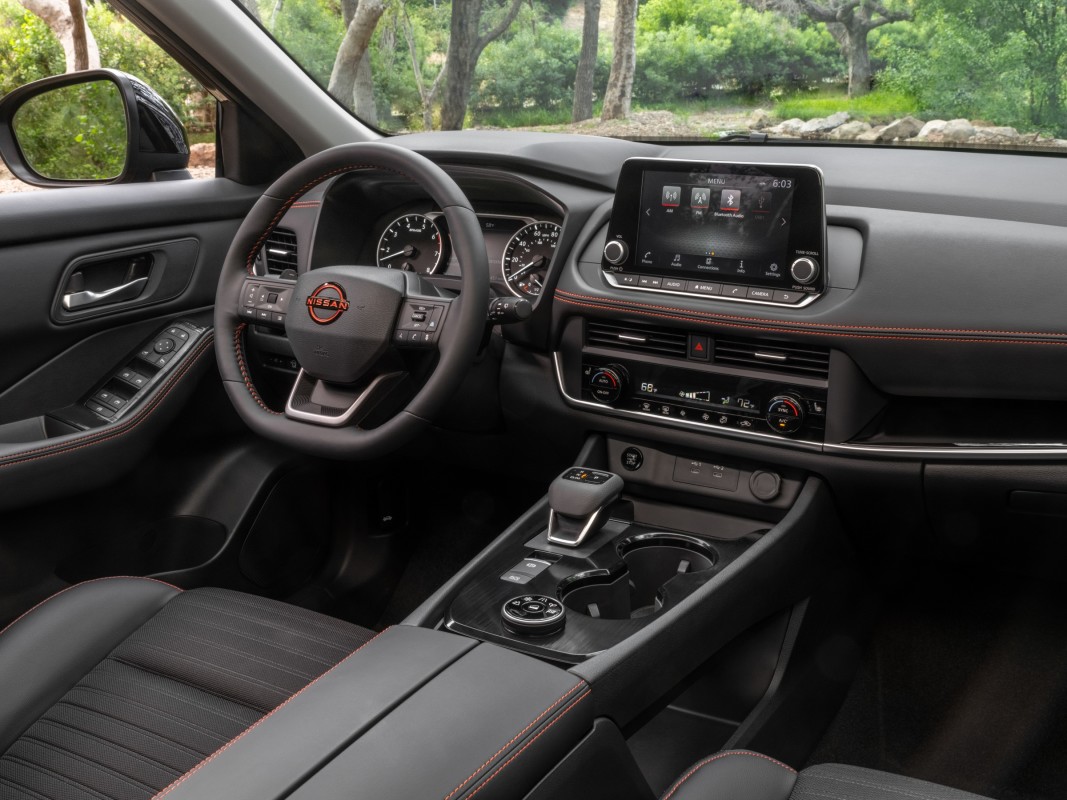
This is another compact SUV that’s all hat, no cattle. Oh sure, the 2025 Nissan Rogue Rock Creek Edition looks more roguish, with its unique gloss black front grille and front fascia, gloss black mirrors, tubular roof rack, 235/65R17 Falken Wild Peak all-terrain tires, water-repellent leatherette seats with red accent stitching, and piano black dashboard trim, but that’s all. Its 8.2 inches of ground clearance is unchanged from other Rogue models, and the approach and departure angles are no different. Like the Honda, it at least has all-wheel drive, hill descent control, and an around-view monitor, making it easier to venture into fields of rocks and fauna.
Nissan
Power comes courtesy of a 1.5-liter Variable Compression Turbo three-cylinder engine and a continuously variable automatic transmission that produces 201 horsepower and 225 pound-feet of torque. While the engine is supposed to provide superior performance with excellent fuel economy, it seems to never be quite good enough at either, delivering an EPA-rated 29 mpg on regular unleaded. We prefer the honesty of other Rogue models, which don’t promise what they can’t deliver.
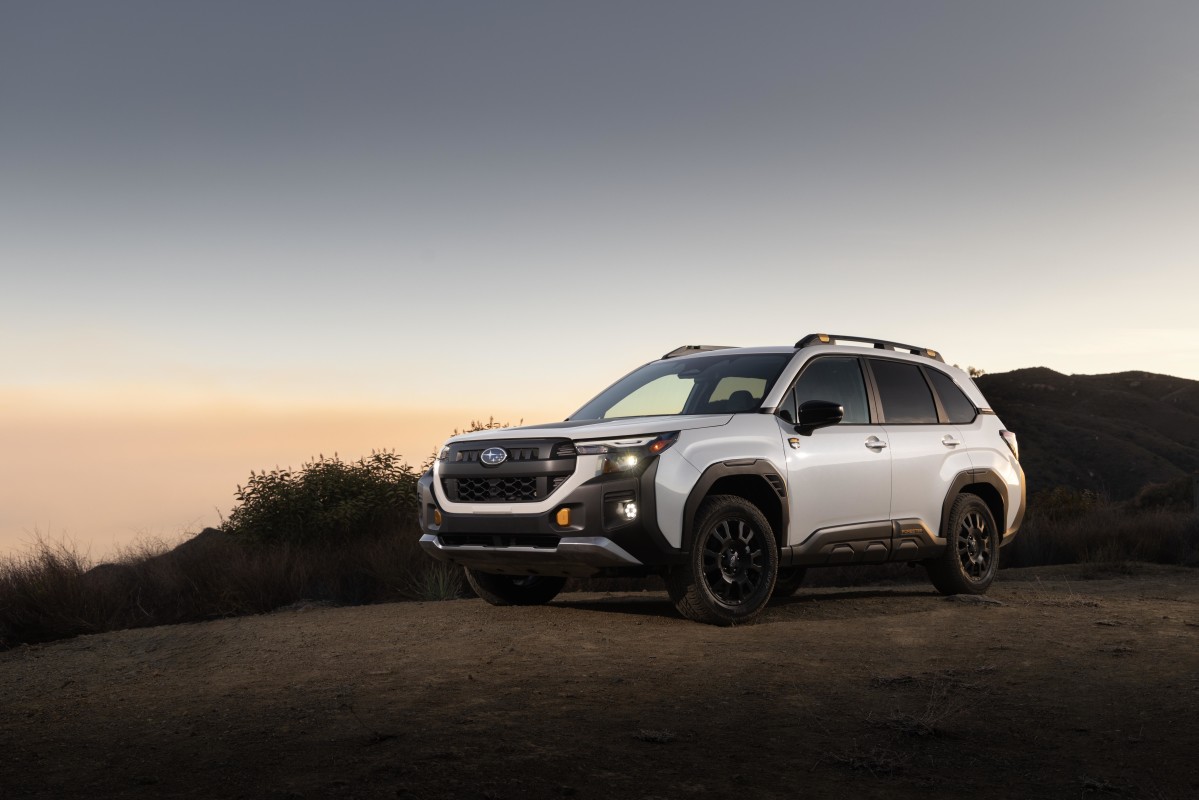
Subaru Forester Wilderness: Promising
Subaru
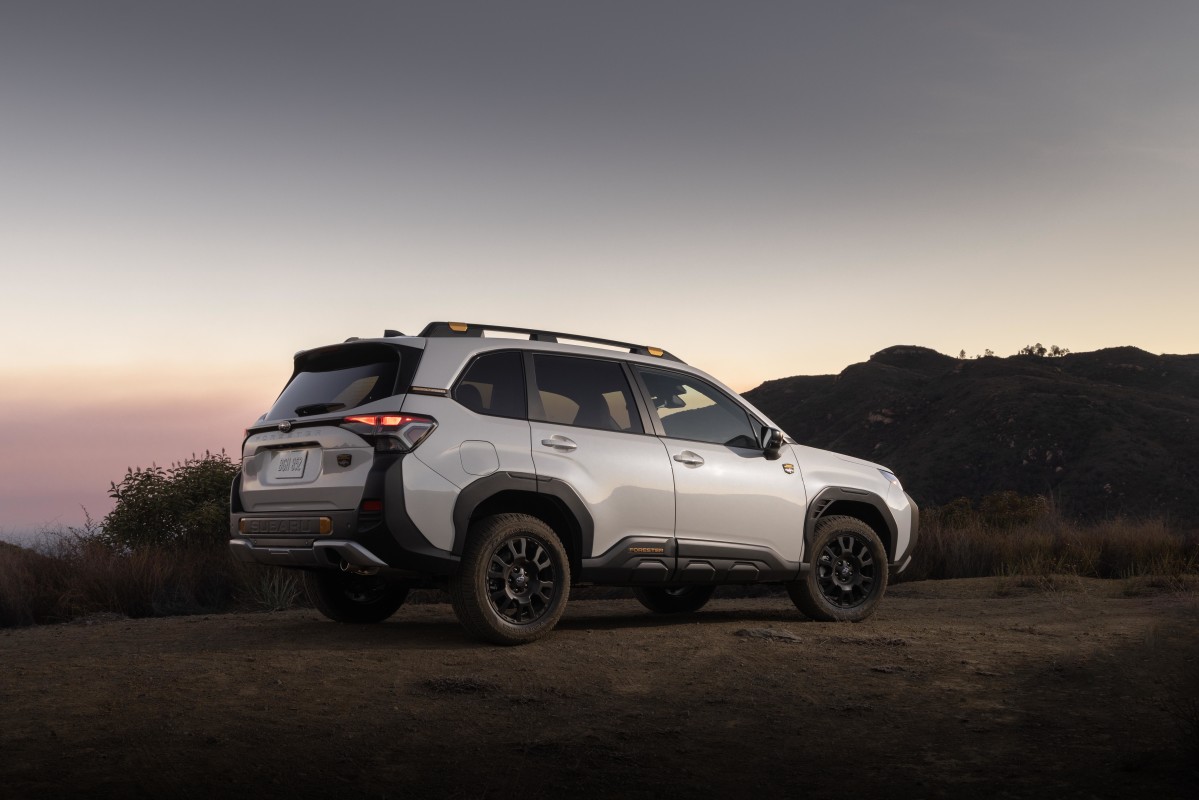
You could buy a 2025 Subaru Forester Wilderness, but a revised rendition comes out for 2026, sporting 9.3 inches of ground clearance and greater suspension travel. It also wears wider 235R17 Yokohama Geolander All-Terrain footwear, boasts a higher 3,500-pound towing capacity, and gains a rear differential temperature sensor. It makes for a capable performer, with an approach angle of 23.5°, a ramp breakover of 21°, and a departure angle of 25.5°. Power comes from a horizontally-opposed 2.5-liter four-cylinder engine and a continuously variable automatic transmission that has a shorter final drive ratio to enhance low-speed crawling. It’s rated at a non-too-powerful 180 horsepower and 178 pound-feet of torque.
Subaru
Nevertheless, it can hold 800 pounds on its roof while stationary and 176 pounds when moving. Yes, it gets a visual upgrade to denote its abilities, but it also receives functional ones, like underbody protection and bumper tow hook covers. Inside, the interior is sheathed in animal-free, water-resistant StarTex upholstery, and its X-Mode system comes with Snow/Dirt and Deep Snow/Mud driving modes. While not the hard-edged off-roader of its American competition, there’s enough here to trundle into the unknown with some confidence.
Toyota RAV4 Hybrid Woodland: Poser
Toyota
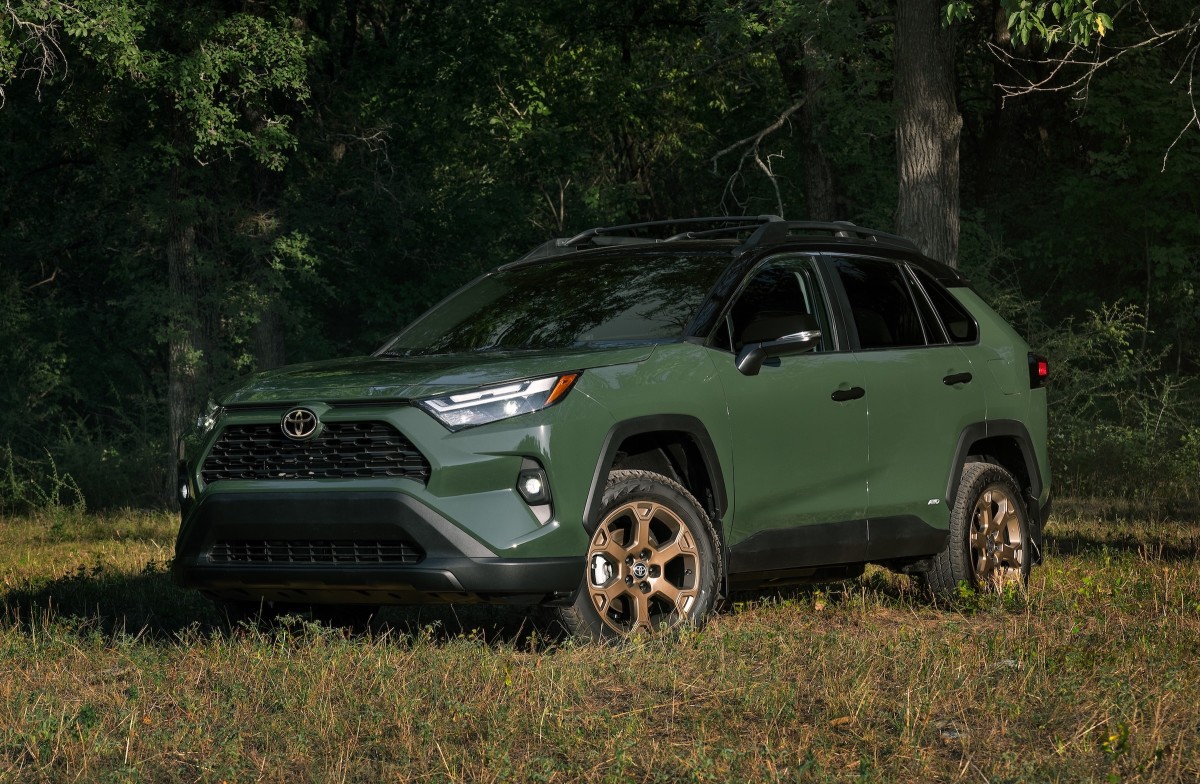
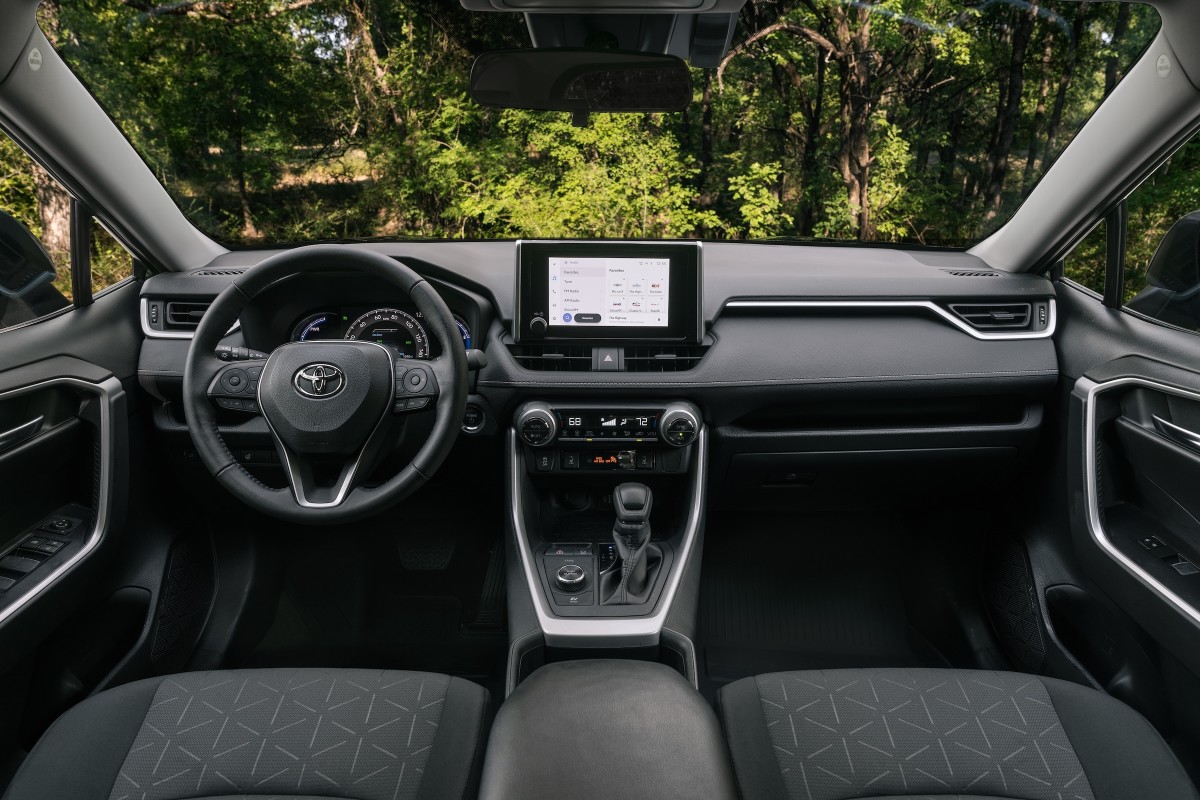
For the 2025 model year, Toyota discontinued the most off-road-capable RAV4 models, namely the RAV4 TRD Off-Road. This leaves the 2025 RAV4 Hybrid Woodland Edition. Unlike the TRD Off-Road, the Woodland has no skid plate, no rear driveline disconnect, no crawl control, no hill descent control, nor a multi-terrain select system with mud, sand, rock, dirt, and snow drive modes.
Toyota
What it does have is Falken WildPeak all-terrain tires on 18-inch wheels, a TRD-tuned off-road suspension, and electronic all-wheel drive. It’s powered by a 2.5-liter four-cylinder engine and an eight-speed automatic transmission that produces 219 horsepower and an EPA-rated combined fuel economy rating of 39 mpg. All RAV4 Hybrid Woodlands come with selectable Eco, EV, Sport, Normal, and Trail drive modes, with the latter working as a virtual limited slip differential, according to the automaker. Toyota once produced a true off-road worthy RAV4, but its discontinuation after 2024 proves that RAV4 owners want the fashion, not the function, of off-roading.
Final thoughts
Toyota
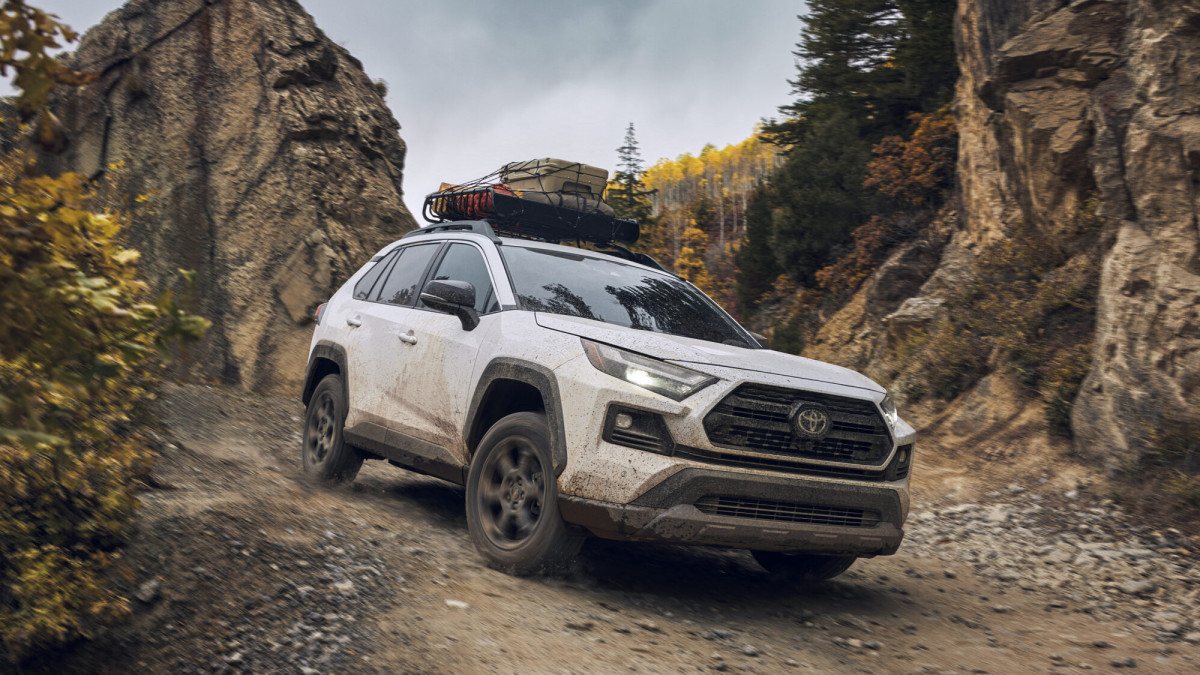
What this comparison proves is that a number of SUV owners seem to like their car’s image and the promise of capability, whether it actually has it or not. One suspects it’s the SUV’s packaging they appreciate: the high step-in height and riding position, the flexibility of carrying lots of people or cargo, and the ability to overcome freakish, unexpected changes in weather. But most compact SUVs don’t deliver to the extent most buyers think, particularly Japanese ones. The last one that did, the 2024 Toyota RAV4 TRD Off-Road, shown above, is now history. The reality is that if you need a capable off-roader, American-nameplate vehicles offer the capability you crave for true off-roading.