
It’s a new world
Buying American used to mean one thing: buying from the Big Three—Ford, GM, or Chrysler. But the American car market has changed, and so has what it means for a vehicle to be “American-made.” Thanks to an increasingly global supply chain, it’s no longer about the logo on the hood—it’s about where a car is assembled, where its parts come from, and how many U.S. workers it supports.
That’s exactly what the annual Cars.com American-Made Index tries to capture. The list considers five key factors: final assembly location, percentage of U.S. and Canadian parts, country of origin for the engine and transmission, and the size of the automaker’s U.S. manufacturing workforce. For 2025, Cars.com analyzed more than 400 models and narrowed the final ranking down to the top 100. Here’s a deeper look at the 10 most American-made cars of 2025 and what they reveal about the auto industry right now.
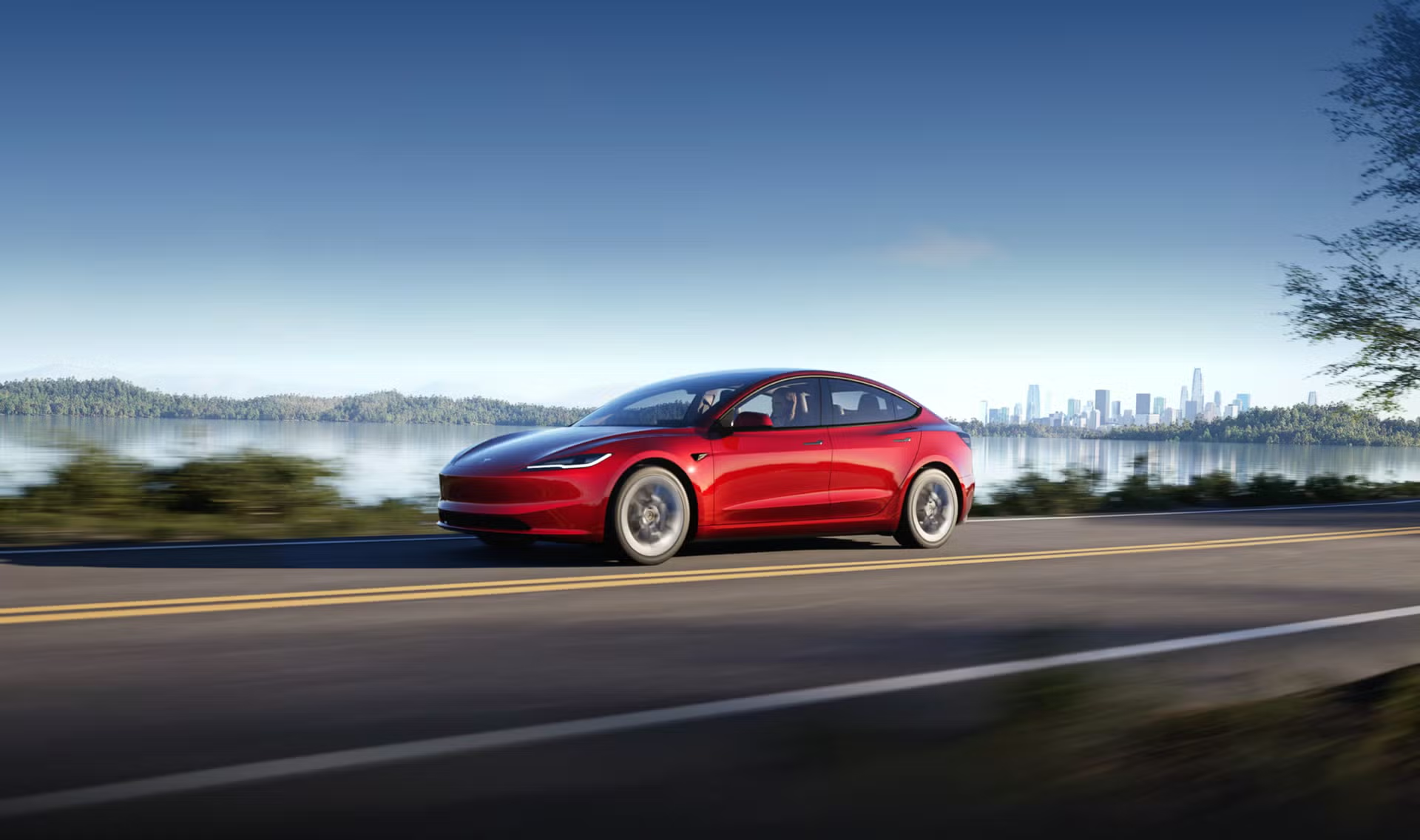
Tesla Model 3
The Tesla Model 3 takes the top spot as the most American-made car of 2025, and it’s not even close. From its assembly line in Fremont, California, to its heavy reliance on domestic suppliers, the Model 3 checks nearly every box for American manufacturing. It’s also the most affordable Tesla, making it an increasingly common sight on U.S. roads.
Tesla
What helps the Model 3 stay at the top is Tesla’s deep vertical integration. Unlike legacy automakers that rely on dozens of outside suppliers, Tesla designs and builds many of its components in-house, often right in the U.S. That includes battery packs, motors, and software, all of which contribute to its dominant index score.
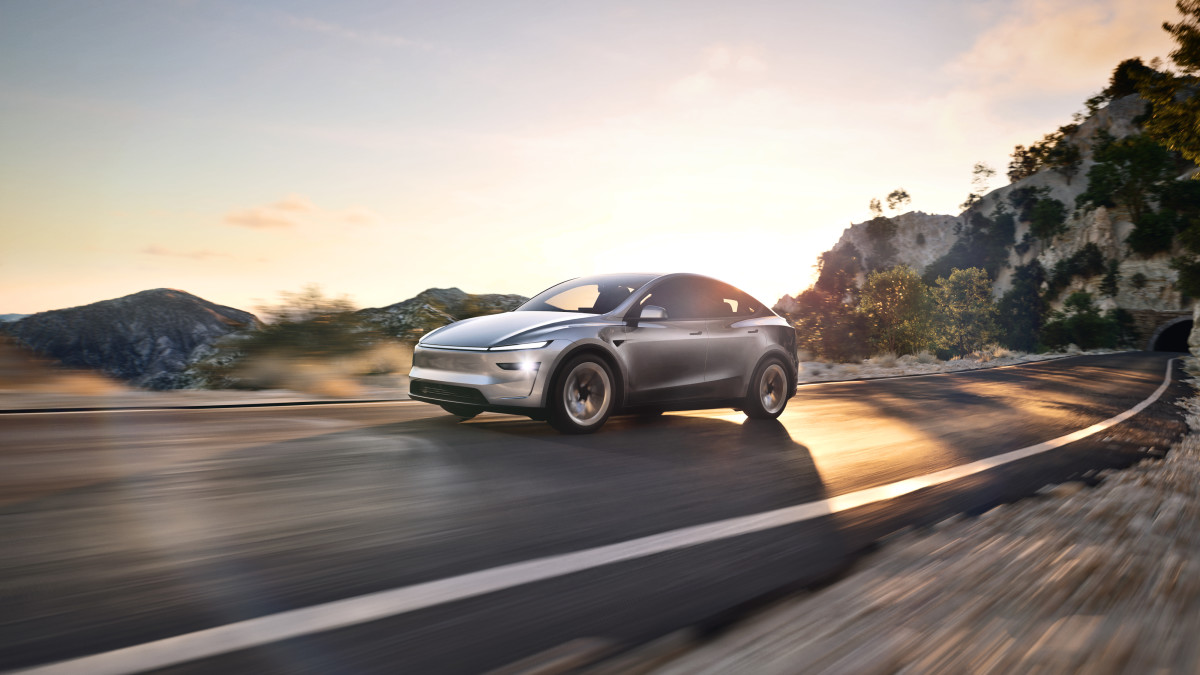
Tesla Model Y
Tesla’s most popular vehicle in the U.S. also happens to be the second-most American-made. The Model Y, a slightly larger crossover based on the Model 3 platform, is now being assembled at two factories—Fremont and Tesla’s newer Gigafactory Texas, located just outside Austin.
Tesla
This additional production capacity has helped the Model Y become one of the best-selling vehicles in the country, EV or not. And with so much of its supply chain based domestically, it’s a major driver of U.S. manufacturing jobs.
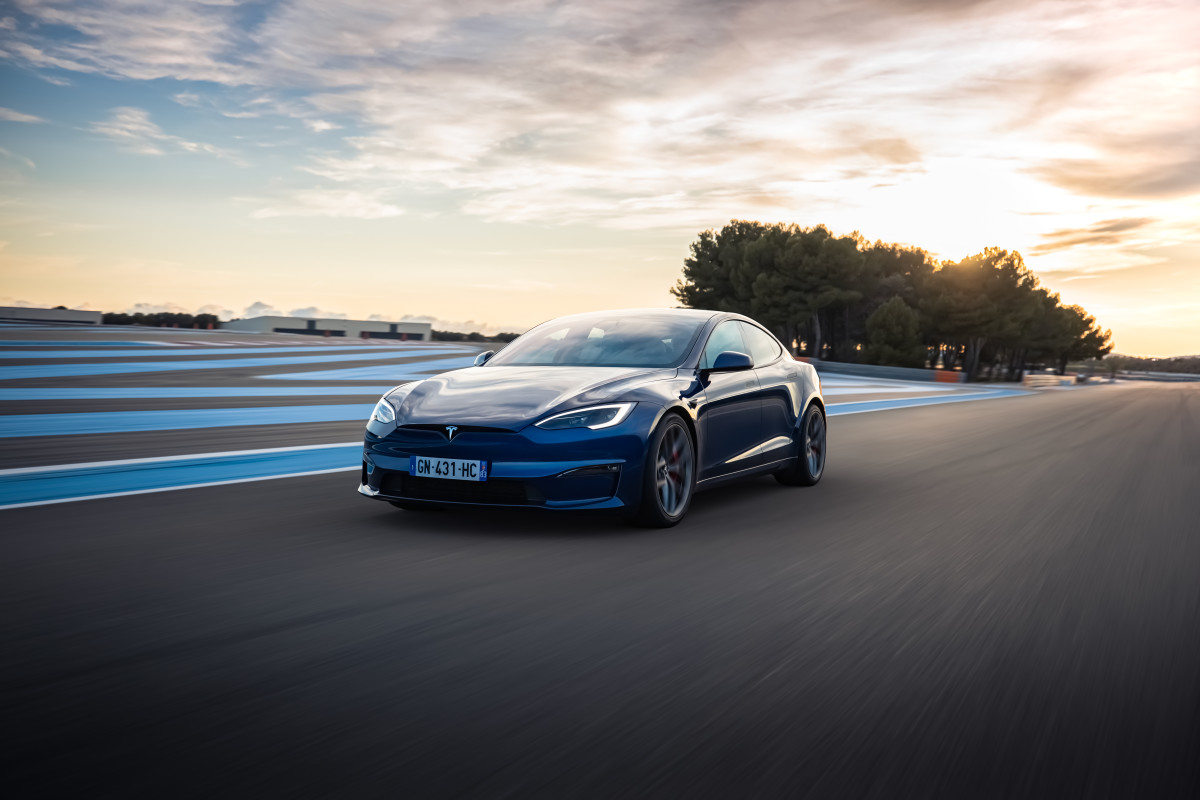
Tesla Model S
Tesla’s flagship luxury sedan may be aging, but it still ranks high on the American-made list. Built on the same Fremont line as the Model X, the Model S benefits from the same parts sourcing and workforce commitments as its more affordable siblings.
Tesla
Though its sales numbers are far lower than the Model 3 or Y, the Model S still plays a crucial role in Tesla’s product line—and in keeping high-tech manufacturing jobs stateside.
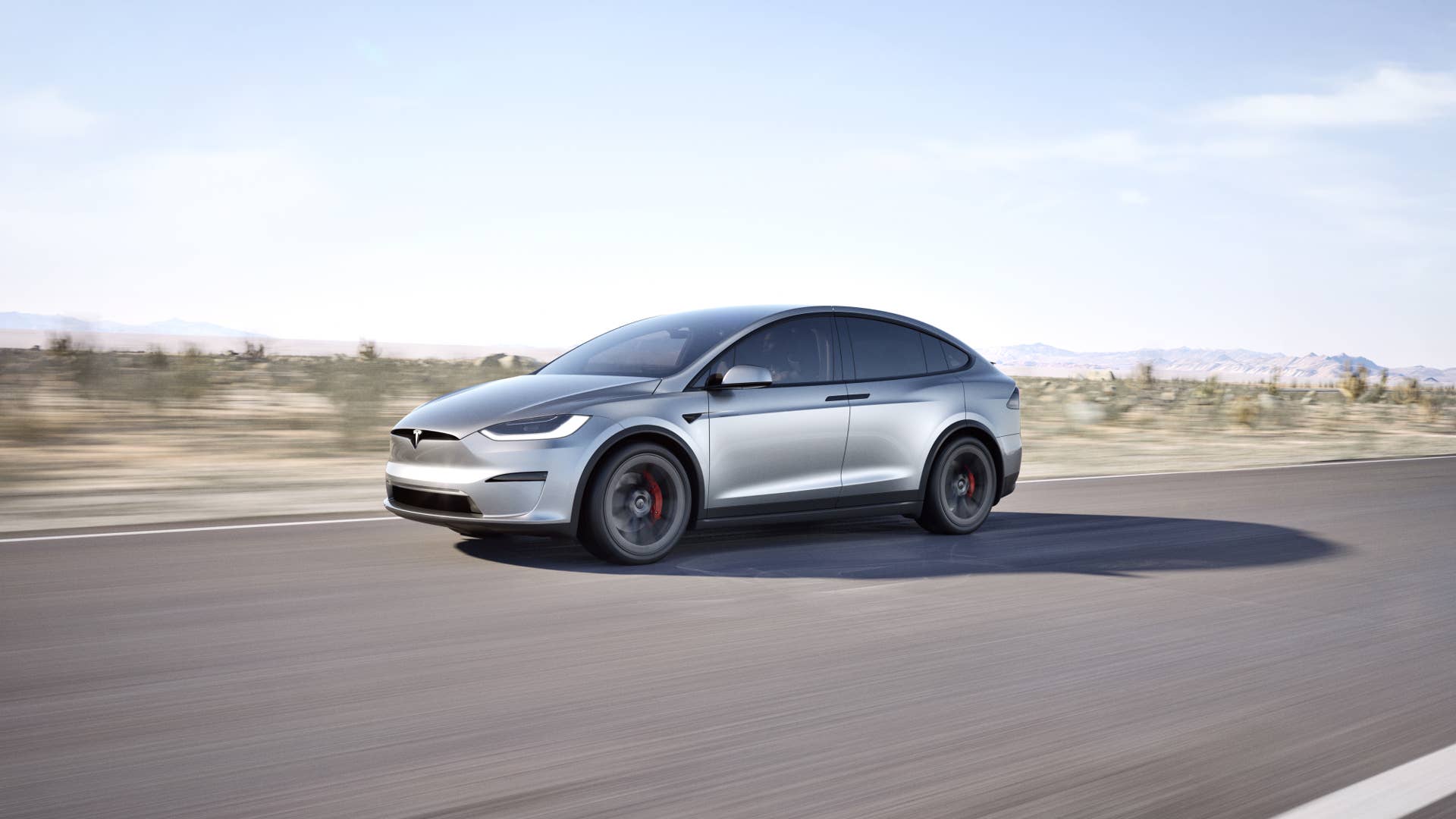
Tesla Model X
Rounding out Tesla’s sweep of the top four is the Model X, the company’s high-end electric SUV with signature Falcon-wing doors. Like the Model S, it shares a platform and assembly line with its sedan counterpart, and benefits from Tesla’s U.S.-centric supply chain.
Tesla
While pricey and polarizing in design, the Model X still holds strong appeal for buyers looking for a domestically produced luxury EV.
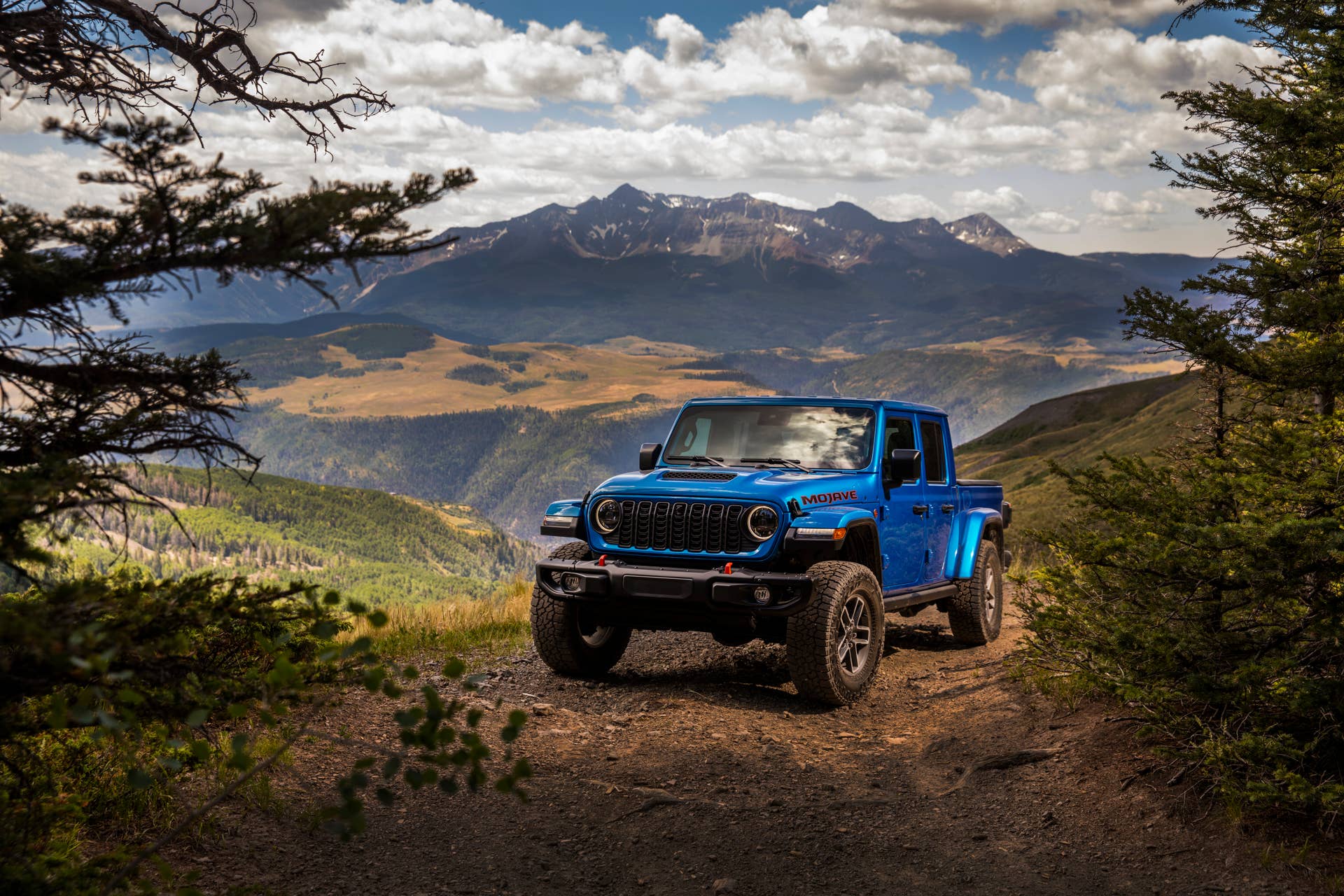
Jeep Gladiator
The first non-Tesla on the list is the Jeep Gladiator, a rugged pickup built alongside the Jeep Wrangler in Toledo. Despite being part of multinational automaker Stellantis, Jeep’s U.S. manufacturing presence remains strong, and the Gladiator is a clear example.
Stellantis
Its position as the most American-made vehicle from a legacy U.S. brand may come as a surprise to those expecting to see a Ford or Chevy in the top five. With high domestic parts content and an all-American assembly team, the Gladiator delivers.
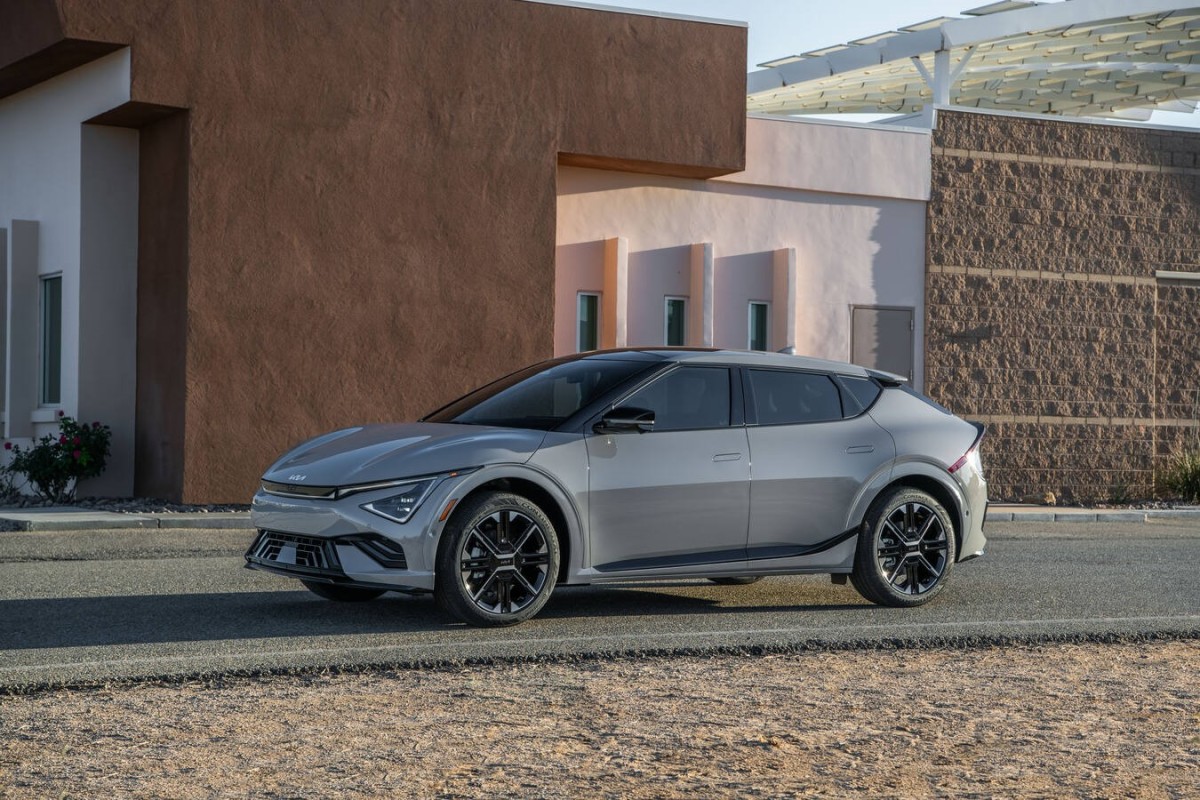
Kia EV6
Kia’s sleek all-electric EV6 earns its place on this list by being built at the company’s Georgia plant—yes, really. As part of Kia’s long-term investment in U.S. manufacturing, the EV6 became one of the first EVs from a Korean automaker to be assembled stateside.
Kia
That move not only helps it qualify for certain federal incentives under the Inflation Reduction Act, but also cements its status as a genuine contributor to American jobs. It’s also a sign of how quickly the EV landscape and the definition of “buying American” are changing.
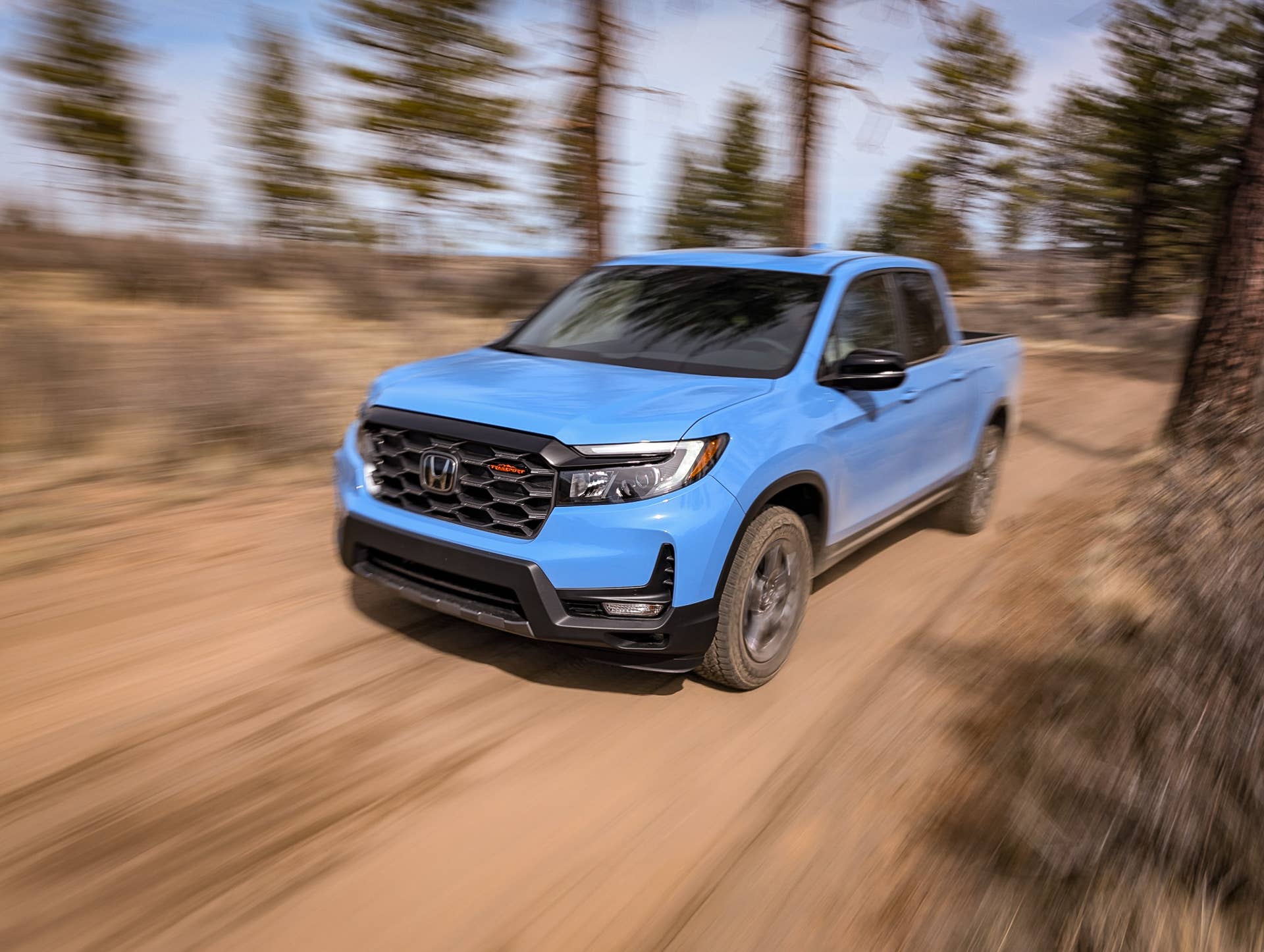
Honda Ridgeline
Honda continues to prove that being a foreign automaker doesn’t mean outsourcing production. The Ridgeline pickup is built in Lincoln, Alabama, alongside several other Honda models that also landed in the top 20.
Kristen Brown
Though the Ridgeline doesn’t compete directly with the full-size trucks from Ford or Chevy, it remains a solid midsize option with serious U.S. manufacturing credentials.
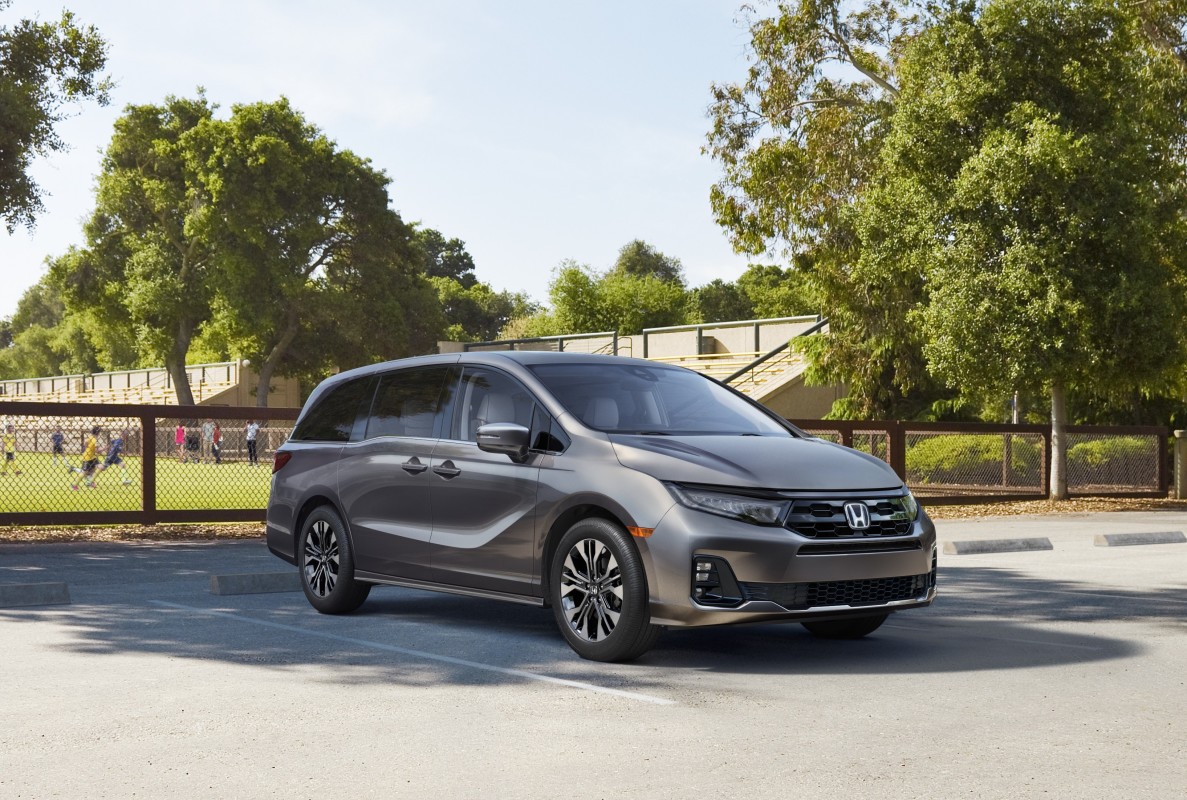
Honda Odyssey
Honda
The Odyssey minivan shares a production line with the Ridgeline and shows Honda’s continued dominance in Alabama. While minivans may no longer be the flashiest vehicles on the road, the Odyssey remains a best-seller in its segment and a quietly important product for Honda’s American operations.
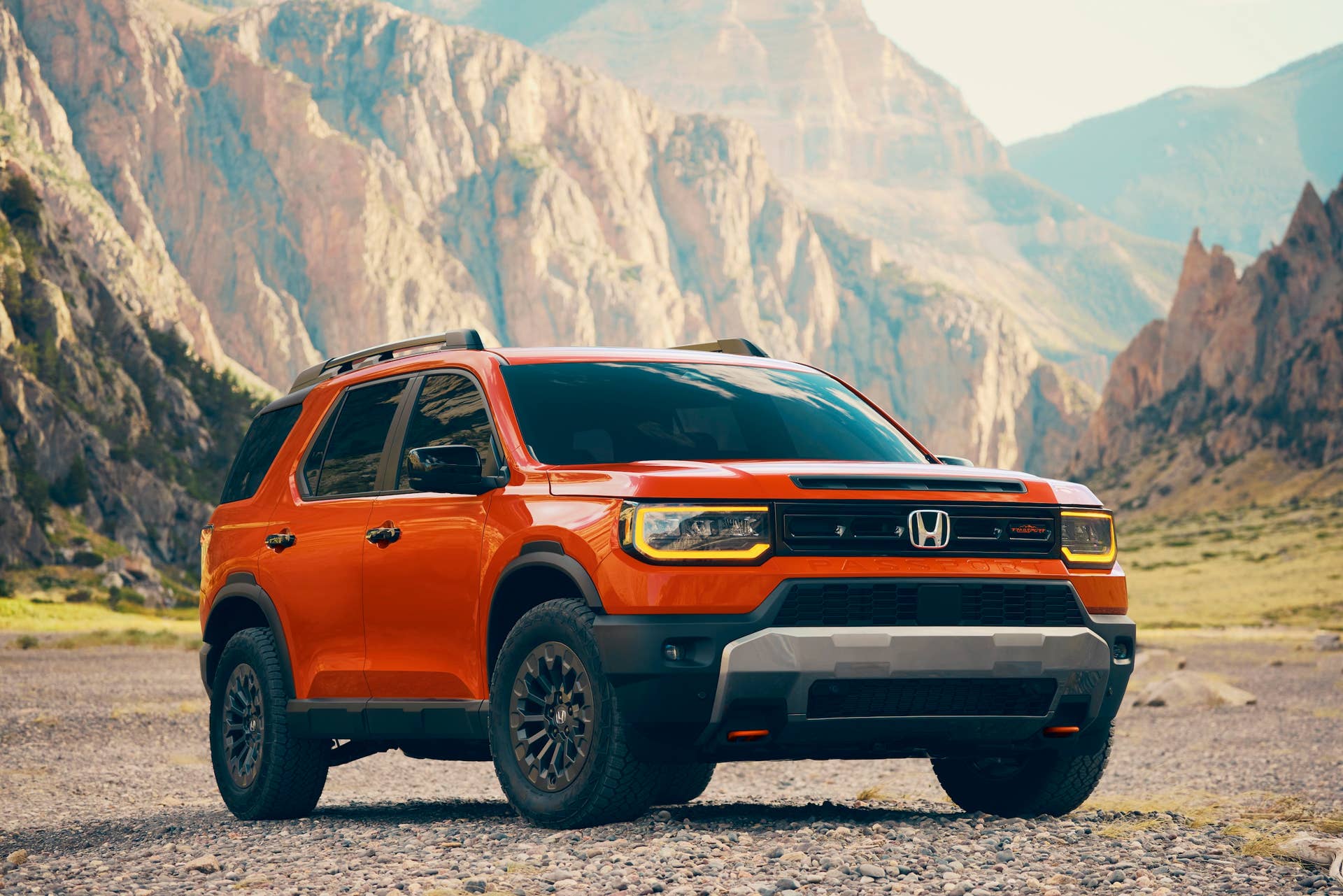
Honda Passport
Honda
Another Lincoln-built Honda, the Passport sits just below the Pilot in size and shares many components. Its strong position on the index reflects not only its domestic assembly, but also Honda’s extensive use of American suppliers and labor.
Volkswagen ID.4
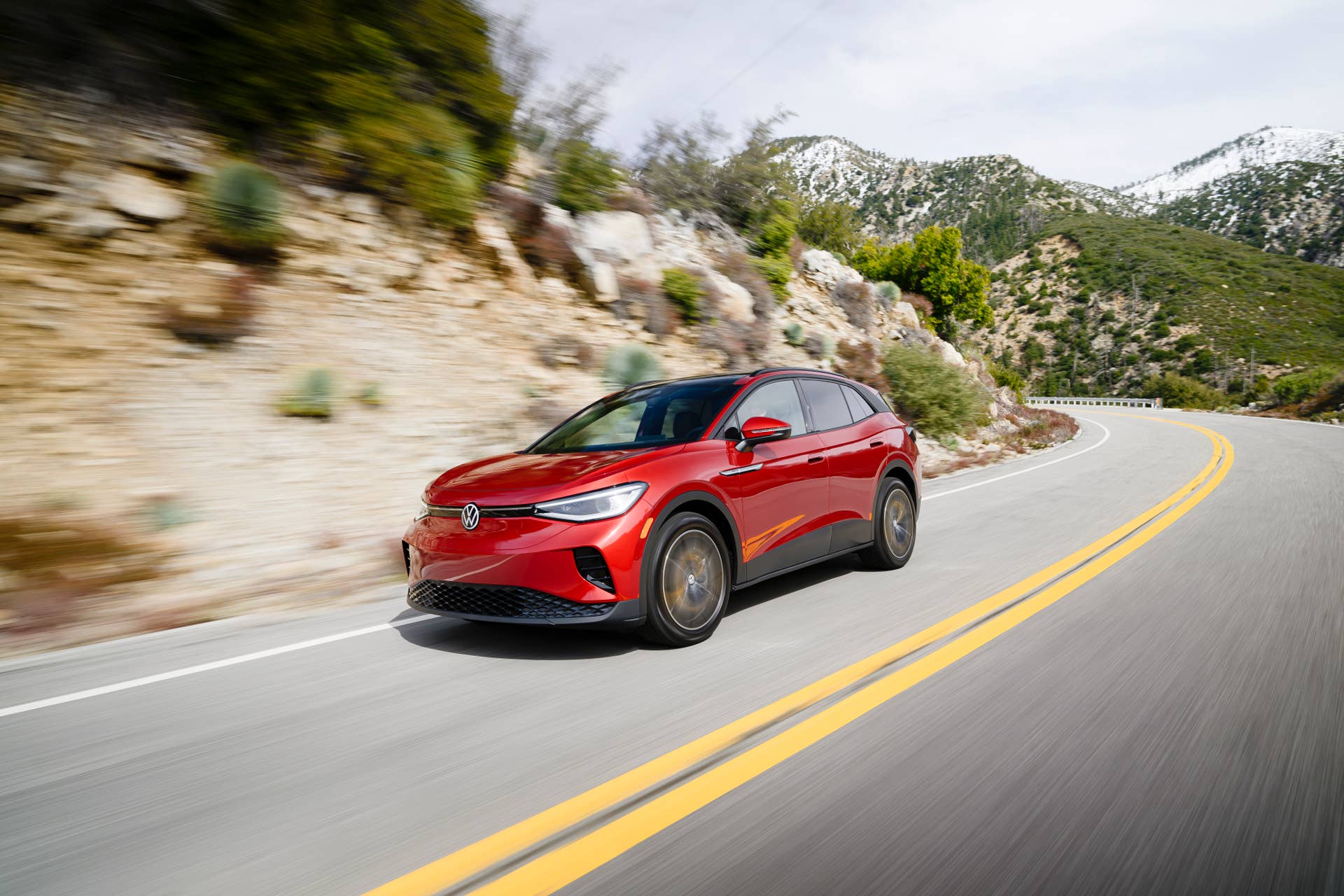
Capping off the top 10 is a surprise from Germany. The Volkswagen ID.4 is the brand’s first EV to be produced in the U.S., thanks to a massive investment in its Chattanooga plant. That shift has allowed VW to better meet U.S. demand, qualify for federal tax credits, and boost its American-made credentials.
Volkswagen
It also makes the ID.4 the only German-branded vehicle in the top 20, a notable achievement given how many German automakers still rely heavily on European production for U.S.-bound vehicles.
Final thoughts
What’s clear from the 2025 rankings is that American manufacturing doesn’t follow traditional brand lines anymore. Tesla, a relatively new player, dominates. Honda, Kia, and Volkswagen—all considered “foreign”—are employing thousands of U.S. workers and building cars in Ohio, Alabama, Georgia, and Tennessee.
Meanwhile, some of Detroit’s biggest names are slipping. Chevrolet’s only top-20 entry is the Colorado pickup at 19th. Ford’s F-150 Lightning just missed the top 20, landing at 22nd, while the Mustang fell to 56th. For buyers who care about American jobs and domestic manufacturing, this list offers an important reminder: Check the label—your next “foreign” car might be more American than you think.