

The outliers of the segment
Despite being largely unappreciated by the public, the Honda Ridgeline and Nissan Frontier have been solid sellers for their respective automakers. In 2024, Honda sold well over 45,000 Ridgelines, and that same year, Nissan sold over 68,000 Frontier pickup trucks. Both numbers are solid but fall well short of the Toyota Tacoma’s 192,000+ units sold. Still, both of these pickups provide compelling alternatives to Toyota, Ford, and GM and have something in common that’s becoming less and less popular today—a V6.
2025 Honda Ridgeline Honda
View the 2 images of this gallery on the
original article
Otherwise, the two pickups are as different as you can get. While the Nissan Frontier is based on an old-school frame and solid rear axle, the Honda Ridgeline is closer to a car or minivan with its front-wheel drive (FWD) biased powertrain. The Nissan is far more rugged and built for harder use, but the Honda is no slouch despite being centered around its spacious interior.
The 2025 Nissan Frontier – capable and affordable
Nissan
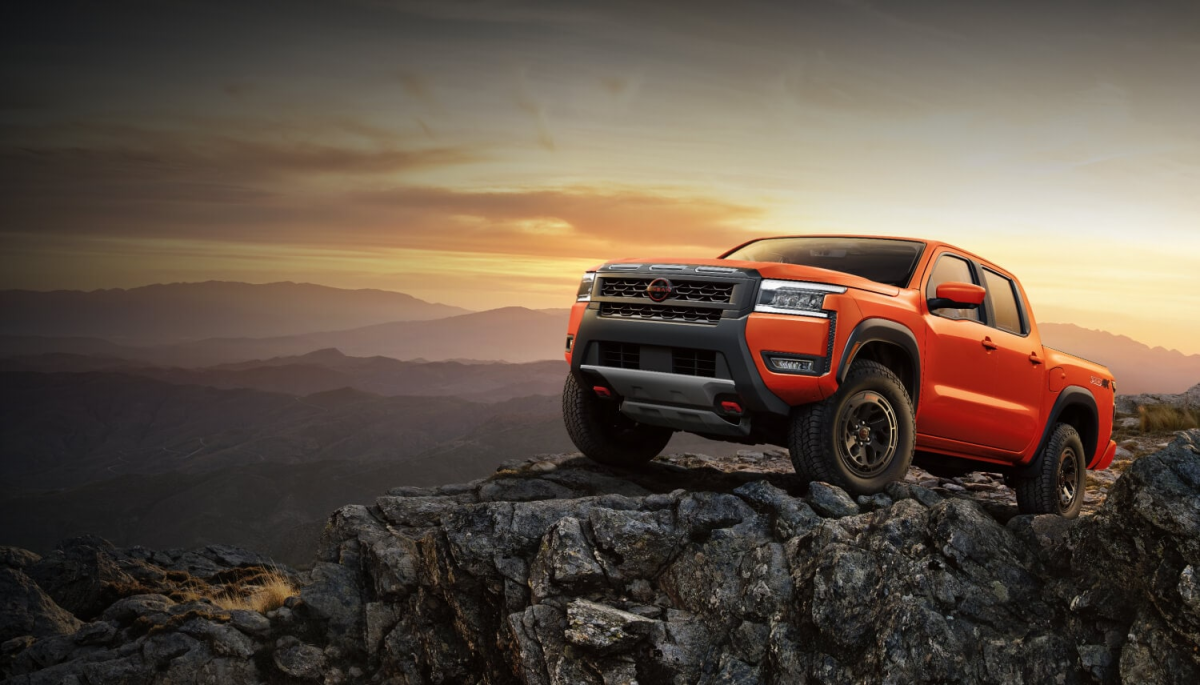
The 2025 Nissan Frontier has one powertrain: a 310 horsepower, 3.8-liter V6 engine that sends 281 lb-ft of torque through a 9-speed automatic transmission. The only options are rear-wheel drive (RWD) or optional 4×4/4WD with low-range gearing. EPA estimates for the 2WD model are 18 mpg city, 24 mpg highway, and 21 mpg combined, while 4×4 models are estimated to get 16 mpg city, 20 mpg highway, and 18 mpg combined.
Well into its third generation, the D41 Nissan Frontier has one defining feature that other midsize pickup trucks do not: a King Cab. This smaller extra cab option, once used by nearly all its competitors, is now exclusively a Nissan cab configuration. Yes, there is a two-door that the Toyota Tacoma uses, but it doesn’t have seating in the back like the Nissan.
Nissan
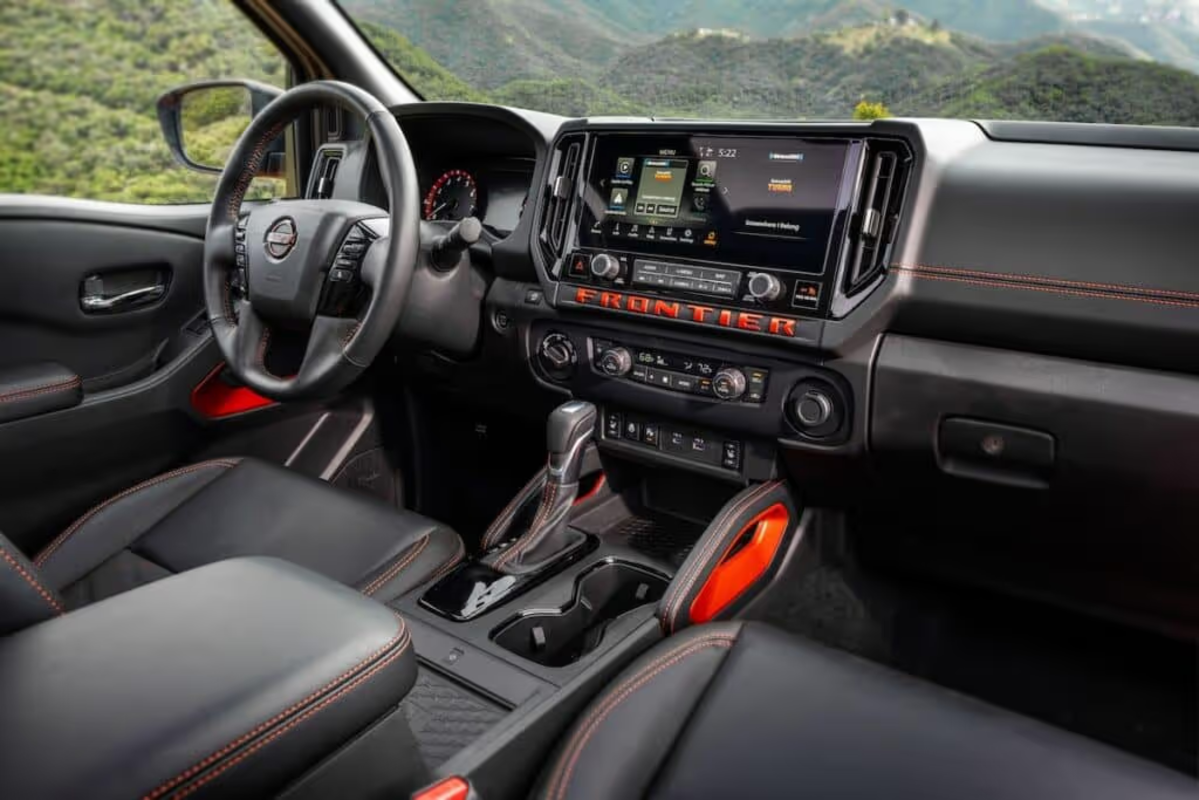
The Canton Mississippi-built Nissan Frontier soldiers on with some useful changes for 2025. There is now a standard tilt-and-telescoping steering wheel and an optional 12.3-inch infotainment touchscreen. At the forefront of this model year’s safety upgrades is the “Nissan Safety Shield 360” system that features Automatic Emergency Braking with Pedestrian Detection, Rear Automatic Braking, Blind Spot Warning, Rear Cross Traffic Alert, Lane Departure Warning, and High Beam Assist across all trims.
Prices start at $32,050 for a King Cab S 2WD and go all the way up to $41,810 for a fully loaded Crew Cab SL 4×4. Depending on the configuration, you can get two different cabs and two different bed lengths. The Crew Cab SV is available with a five-foot or a six-foot bed, the King Cab gets the six-foot bed, and the regular Crew Cab gets the five-foot bed.
Honda
The 2025 Honda Ridgeline – The DIYer’s dream truck
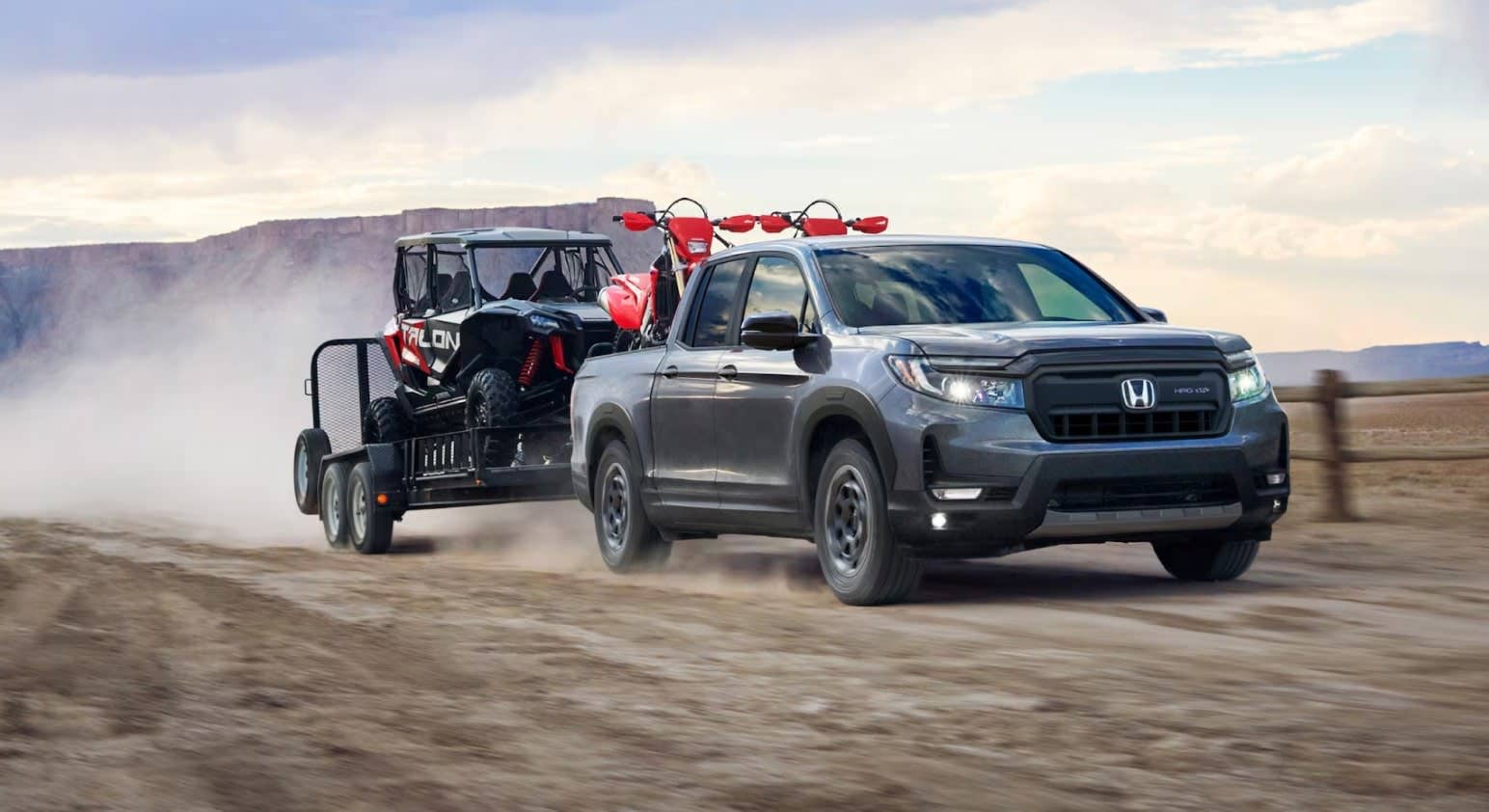
The Honda Ridgeline has one powertrain, and it’s a 3.5-liter V6 that makes 280 hp and 262 lb-ft of torque. It also has a 9-speed automatic transmission, but it’s laid out for a front-wheel drive configuration. All Honda Ridgelines come standard with the iVTM4 all-wheel drive (AWD) system. Most Ridgelines are EPA estimated at 18 mpg city, 24 mpg highway, and 21 mpg combined. The TrailSport, with its chunkier tires, is rated at a slightly lower 18 mpg city, 23 mpg highway, and 20 mpg combined.
Honda
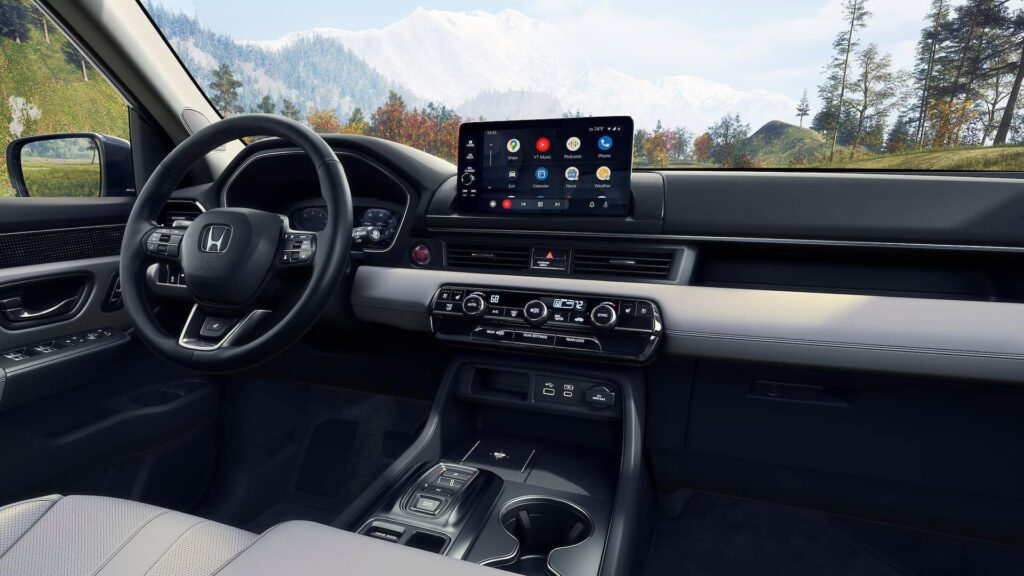
Built exclusively at the Honda plant in Lincoln, Alabama, the 2025 Honda Ridgeline has gone through some changes recently, although it’s still technically in its second generation. Some scoff at its lack of a frame or a solid rear axle, which makes it more like the Ford Maverick and Hyundai Santa Cruz than a Chevy Colorado. Still, its unconventional layout makes for a comfortable, utilitarian ride that will do just about anything a “truck” can do. In some cases, it can do things even better.
The Honda Ridgeline is pretty much a carryover from 2024. For 2025, the base model Sport starts at $41,150 and goes all the way up to $46,750 for the Black Edition. There is only one cab configuration and a 5.33-foot-long bed. Fortunately, you get the trick tailgate, in-bed storage, and vaunted iVTM4 AWD system standard, too.
2025 Honda Ridgeline Honda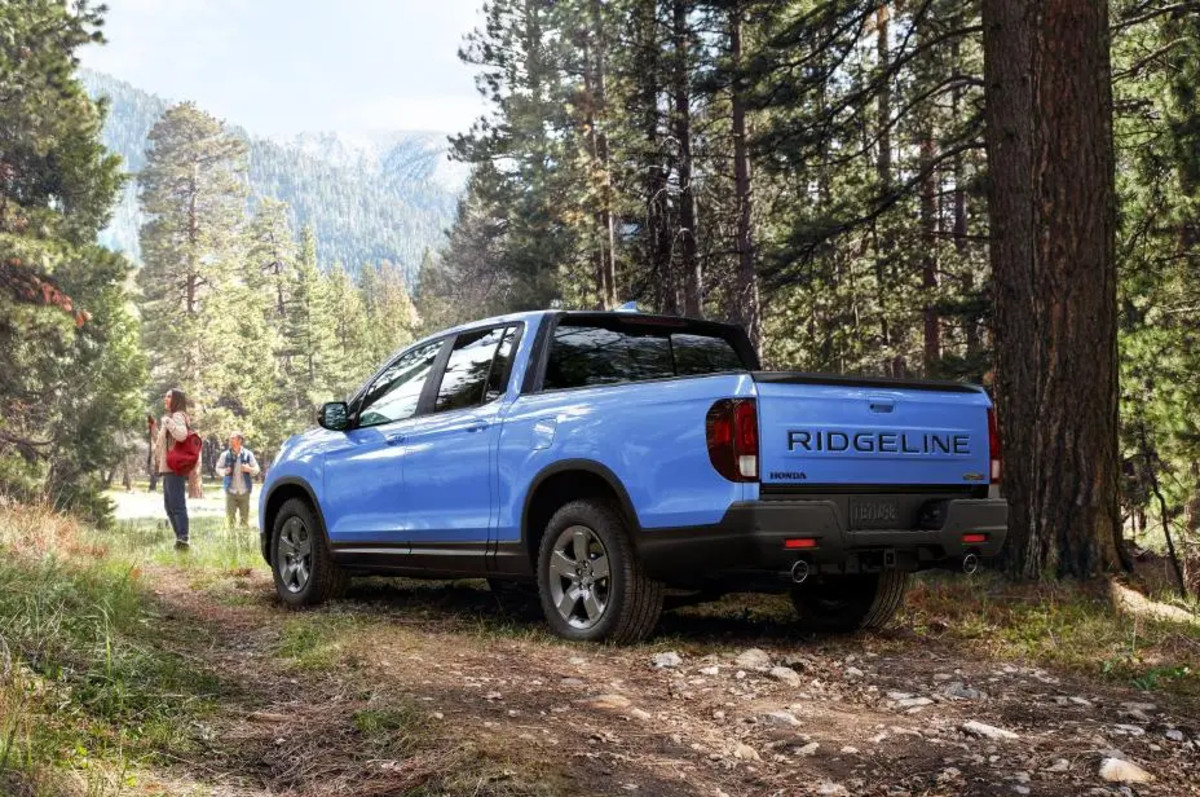
View the 2 images of this gallery on the
original article
Putting them head-to-head
Off-road, especially with the PRO4X’s beefed-up suspension, rear locker, and off-road tires – the Nissan Frontier would easily surpass the Ridgeline on hard-core terrain. Yes, there is the TrailSport version of the Ridgeline, but it’s not up for boulder bashing. With that being said, the Honda Ridgeline is much more comfortable as a daily driver and is just easier to drive overall.
Both Nissan and Honda have good interiors with comfortable front seats, but the Ridgeline’s back seat area is best-in-class. The Honda Ridgeline’s maximum payload is 1,583 lbs, and the Nissan Frontier’s max payload is up to 1,620 lbs. On both vehicles, the max payload depends on the trim.
Recently, the Nissan Frontier’s towing capacity increased to 7,150 lbs, which is class-competitive. The Ridgeline’s max is 5,000 lbs, which isn’t. Still, I can say with confidence that both vehicles can tow their maximum weights easily, with little drama. While the Nissan can pull and haul more, the Honda has a very useful in-bed storage cavity that can seal in up to 7.3 cu.-ft. of cargo.
2025 Nissan Frontier Nissan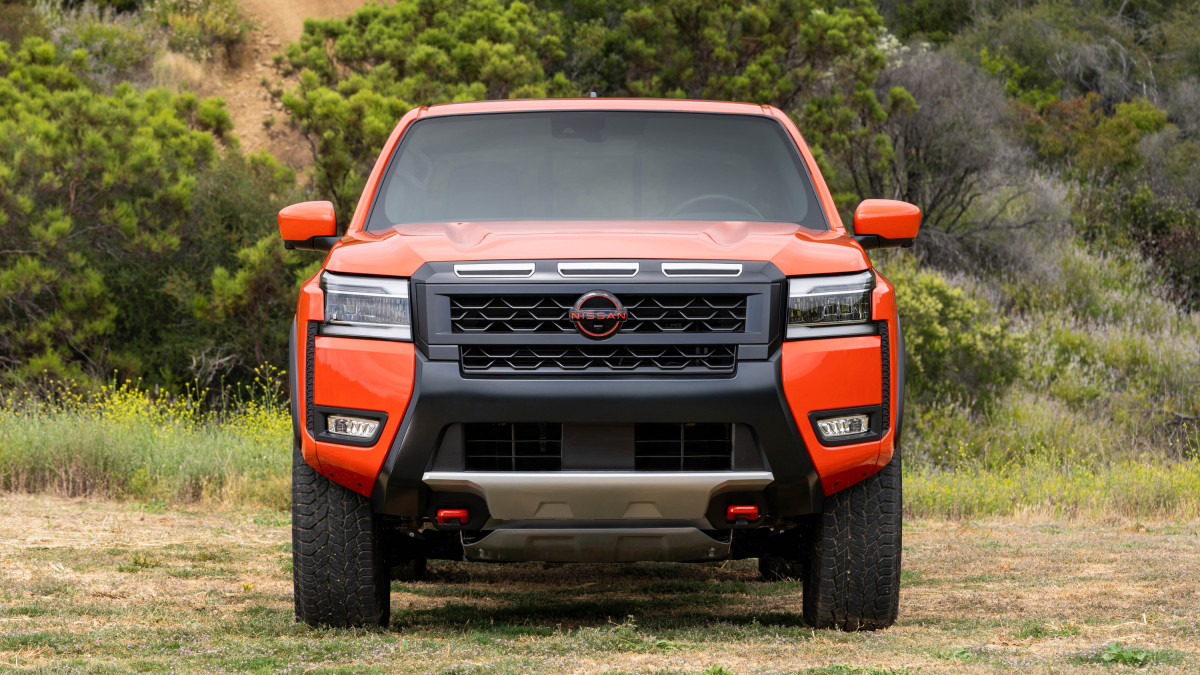
View the 4 images of this gallery on the
original article
Final thoughts
If you’re looking for a midsize pickup, each truck is worth your time and consideration. The Honda Ridgeline has a rear tailgate that swings out like a door or down like a proper tailgate. That kind of encapsulates the vehicle, as it is remarkably utilitarian. It’s easy to drive, a cinch to load thanks to its low loading floor and walls, and as easy to drive as a minivan. Despite all this, it’s still mighty rugged and surprisingly athletic.
On the other hand, the Nissan Frontier is beefy and feels like a proper truck. It feels like it can take a pounding and come back for more—because it can. While it is old-school, it drives well and has a serene cockpit. The overall feel may be anachronistic to some, but it’s welcome to others. In its PRO4X trim, it’s extremely capable on just about any terrain and can keep up with many more advanced competitors. As always, the choice ultimately depends on which of these characteristics best fits your lifestyle and the activities you want to put your truck through.